
Disclosure: This review contains affiliate links. I may earn a commission if you buy through them, at no extra cost to you. Written by Michael Montoya. Last updated: November 8, 2026.
Some loud places don’t feel loud at first. Then the room fills up, voices stack on top of each other, music pushes through the background, and the noise stays in your ears after you leave.
Foam earplugs cut the volume, but many people find they make everything sound dull and far away. Hears is a reusable earplug built to turn the volume down while keeping voices and music clearer. I went through its offer and order pages, its store’s FAQ, refund policy and certification page, Trustpilot, BBB, and the NIDCD page on noise-induced hearing loss to see how far its claims hold up.
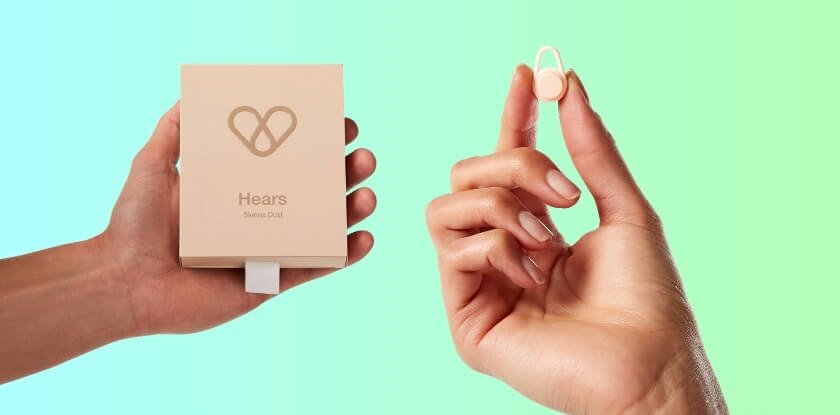
Reusable filtered earplugs that turn loud sound down while keeping voices and music clearer than foam. Good for concerts and busy places; the US rating is a moderate 13dB NRR.
- Lowers loud sound without fully blocking it
- Four ear tip sizes and a carry case
- Reusable, with a 100-day return window
- Two strengths: 20dB and 25dB (SNR)
- US NRR is 13dB, lower than the 20dB in ads
- Buyer pays return shipping
- Trustpilot 3.6, with complaints about extra charges
- Not for very loud work or shooting
Quick Verdict
Hears is a reasonable pick if you want earplugs for concerts, travel, or busy rooms that soften sound without muffling it. One pair is $39.99 on its offer page, it comes with four tip sizes and a case, and Hears advertises 100 days to return it, though its store’s banner says 30. The catch is the rating: ads say it cuts noise “by 20dB,” but Hears’ own certification page lists that as the European SNR figure and gives a US NRR of 13dB. That’s a moderate amount of protection. Trustpilot shows 3.6 from 1,469 reviews, with some buyers upset about shipping and customs charges. I’d buy it for everyday loud places, not for very loud work or shooting.
Quick Facts
- Not a hearing aid or medical treatment
- -20dB and -25dB options; the certification page lists SNR 20dB and a US NRR of 13dB
- 93% of natural sound preserved, per the brand
- Secure fit that the brand says holds up through sweat
- Four ear tip sizes included
- Clear low-profile design
- Rated 4.9/5 on its own offer page (3,479 reviews shown); 3.6 on Trustpilot from 1,469 reviews
Note: Product facts and prices come from Hears’ offer page and store, checked on November 8, 2026, and may change.
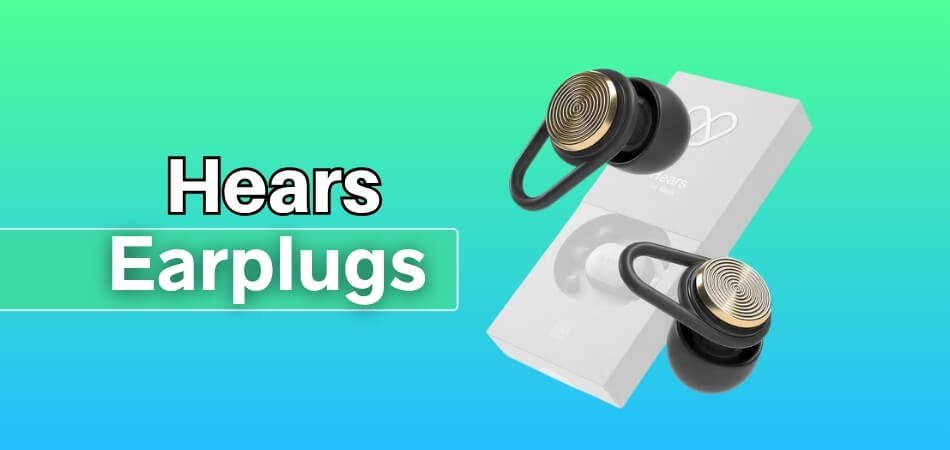
Hears Review: At a Glance
Hears is a reusable high-fidelity earplug made for people who want less noise without fully blocking the world around them. It’s designed for concerts, travel, crowded spaces, public events, and everyday situations where sound feels too intense.
The basics:
| Category | Details |
| Product Name | Hears |
| Product Type | Reusable high-fidelity earplugs |
| Main Purpose | Reduces loud sound while keeping sound clearer |
| Return Policy | 100-day return policy |
| Warranty | Two-year limited warranty on defects in materials and workmanship, per the store’s warranty page |
| Important Note | Not a hearing aid or medical treatment |
What Is Hears?
Hears is a reusable high-fidelity earplug made to lower sound intensity without making everything feel heavily blocked. It’s built for sound control, not complete silence. The main difference is how it treats noise. Basic foam earplugs can make voices and music feel dull, while Hears is designed to keep sound more natural at a lower volume.
The simplest way I can put it: Hears is hearing protection for people who still want to hear. It isn’t a hearing aid, and it doesn’t treat hearing loss, tinnitus, ear pain, or other ear conditions.
How Does Hears Work?
Hears works by filtering sound instead of simply stuffing the ear canal shut. The goal is to reduce the intensity of loud noise while still allowing important sounds to come through.
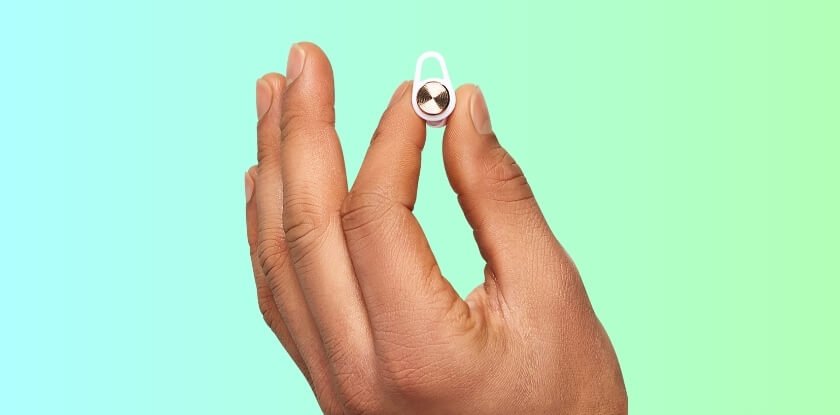
In normal use, you place the earplugs in your ears, adjust them until they feel sealed but comfortable, and let the built-in filter do the work. When the fit is right, loud sounds feel softer, but voices and music stay easier to pick out than with foam.
The process is simple:
- Choose the ear tip size that feels most comfortable.
- Insert Hears gently into each ear.
- Adjust the angle until the fit feels secure.
- Check whether outside sound feels reduced but still clear.
- Store the earplugs in the case after use.
The brand says Hears “Works like a volume knob, not a mute button.” The idea is that a properly fitted pair lowers volume more evenly than foam, which suits places where you still want to talk, listen, or stay aware.
Fit is the part I’d pay the most attention to. If the ear tips are too small, noise can leak in. If they’re too large, they may feel uncomfortable. Getting that seal right is what makes Hears work the way it should.
Is Hears a Hearing Aid or Noise-Reducing Earplug?
Hears is a noise-reducing earplug, not a hearing aid. It’s designed to lower loud sound, not improve hearing or treat hearing loss. Here’s the simple difference:
| Product Type | What It Does |
| Hears | Reduces loud noise while keeping sound clearer |
| Hearing Aid | Amplifies and adjusts sound for people with hearing loss |
| Foam Earplug | Blocks sound more heavily, often with more muffling |
Hears is best viewed as everyday hearing protection. It may help in loud places like events, travel, crowded rooms, or busy public spaces, but it isn’t a medical device.
If you have hearing loss, ear pain, ringing in the ears, or sudden hearing changes, Hears shouldn’t replace advice from a doctor or audiologist. In short, Hears is for sound control, not hearing correction.
Hears Features: What Does It Offer?
The feature list is short: sound control, fit, comfort, and reuse. The product is built around sound control, comfort, fit, and repeated everyday use.
| Feature | What It Means |
| Membrane Filter | Helps reduce sound vibration instead of simply blocking the ear canal |
| High-Fidelity Sound | Lowers volume while keeping voices, music, and alerts clearer |
| Noise Reduction Options | Hears One is listed at -20dB and Hears Plus at -25dB; the certification page gives SNR 20dB and NRR 13dB |
| Natural Sound Claim | Designed to preserve about 93% of natural sound quality |
| Four Ear Tip Sizes | XS, S, M, and L tips help users find a better fit |
| Hypoallergenic TPE Material | Soft, flexible material made for comfortable wear |
| Reusable Design | Can be rinsed, dried, and used again |
| Carry Case | Helps protect the earplugs in a bag, pocket, or travel pouch |
| Everyday Use Cases | Made for concerts, travel, workspaces, social gatherings, and noisy environments |
Membrane Filter Technology
The main feature behind Hears is its membrane filter. Hears says the filter reduces sound vibration energy before it reaches the eardrum. The store’s FAQ describes the filter as working like “a second pair of eardrums.” That’s the brand’s explanation for why it should sound less flat than foam.
High-Fidelity Noise Reduction
The aim is to lower volume while keeping sound details easier to recognize. This matters most where you still want awareness: conversations, music, announcements, and traffic cues.
20dB and 25dB Options
Hears comes in two main noise reduction levels. Hears One is listed at -20dB and Hears Plus at -25dB. Hears One makes more sense for general everyday use. Hears Plus is better for louder settings or for people who want stronger sound reduction.
One number matters for US buyers. Hears’ certification page says testing determined “SNR (20dB) and NRR (13dB).” SNR is the European rating and NRR is the US one, and its FAQ says SNR figures “are usually a little bit higher” than NRR for the same product. So the “20dB” in the ads isn’t the figure a US label would show.
93% Natural Sound Preservation
One of the biggest Hears claims is “93% Of Natural Sound.” In simple terms, the earplugs are meant to lower volume without making voices and music sound dull. I’d still treat this as a product claim, not a guaranteed result for everyone. Fit, ear shape, and the type of noise around you can all affect the experience.
Four Ear Tip Sizes
Hears includes four ear tip sizes: XS, S, M, and L. This is one of the most practical features because a good seal affects both comfort and performance. That gives you more than one try at a good seal.
Hypoallergenic TPE Material
Hears ear tips are made from soft, flexible, hypoallergenic TPE material. That matters if your ears get irritated easily or if you plan to wear the earplugs for longer periods. Comfort still varies by person, but the material is meant for repeated use.
Reusable and Easy to Maintain
Hears is reusable, which makes it more practical than disposable foam earplugs if you deal with loud places often. The earplugs can be rinsed, dried, and reused. The carry case also helps keep them clean, protected, and easier to find.
Made for Daily Life, Not Just Concerts
Although Hears can work well for concerts and music events, it isn’t only a concert earplug.
It can also be used for travel, shared workspaces, social gatherings, crowded rooms, and everyday noisy places. That makes it more of a small daily-carry item than something for one night out.
Why People Look At Hears
Most people searching for Hears want something between no protection and the blocked-off feeling of foam. Foam is fine when you only care about cutting noise, but it’s frustrating when you still need to talk, listen, or follow what’s happening. Hears is pitched at that middle ground.
The NIDCD lists concerts, sporting events, and music through headphones at maximum volume at 94 to 110 dBA, and says long or repeated exposure at or above 85 dBA can cause hearing loss. Its advice is to “Wear earplugs or other protective devices when involved in a loud activity.” Any earplug you’ll actually wear helps more than a better one left at home.
The small size and case make it easy to keep a pair on you, and ear protection only works if it’s with you when the room gets loud.
Hears In Daily Use, Per The Brand And Buyers
Going by the brand’s pages and buyer reviews, Hears is meant to make noise softer, not to make a room silent. The selling point is clarity: voices, music, and nearby sounds stay recognizable at a lower volume.

Comfort and Fit
Fit decides most of the result. A loose tip lets noise leak in, and a tip that’s too big gets uncomfortable. That’s why the four sizes (XS, S, M, L) matter. Try each before you judge the earplugs.
Sound Clarity
The offer page says the filters lower volume “without muffling or distorting the music you love.” That’s the brand’s claim. A filtered earplug should sound less dull than foam, but how natural it sounds depends on fit and on how loud the room is.
Noise Reduction
With a US NRR of 13dB on its certification page, Hears gives moderate protection. That suits concerts, crowds, and travel noise, but I wouldn’t rely on it for gunfire, power tools, or loud machinery, where higher-rated protection is the safer choice.
Conversations and Social Settings
The offer page says Hears “Enables Normal Conversations in Loud Venues.” Buyers who like Hears tend to mention exactly this: not having to pull the earplugs out every time someone speaks.
Music, Events, and Busy Spaces
Concerts are the main pitch, and the offer page leans on festival use. On Trustpilot, Alison Wood wrote in November 2026, “I would recommend these. Great company.” Not everyone agrees: 25% of its Trustpilot reviews are one star, and some are about charges rather than sound.
Who Is Hears Best For?
Hears is best for people who want to reduce loud sounds without fully blocking their surroundings. It’s aimed at everyday situations where noise feels intense but awareness still matters. Hears may be a good fit for:
- People who attend concerts, live music events, or festivals
- Anyone who feels drained by crowded rooms or public spaces
- Travelers who deal with airports, traffic, trains, or buses
- Workers in moderately noisy environments
- Students who want less background noise while studying
- People who attend family, cultural, or community gatherings
- Anyone who dislikes the muffled feeling of foam earplugs
I don’t think Hears fits every situation. I wouldn’t choose it for extreme industrial noise, medical hearing concerns, or situations where full sound blocking is the goal. It makes the most sense for loud but normal places, where the sound is uncomfortable but you still want to hear what’s happening.
What Can Hears Realistically Do?
Hears can reduce loud sound and make noisy places feel more manageable, but it can’t make every environment quiet. It’s best used as everyday sound protection, not as a medical or industrial safety solution.

From what the brand and buyers describe, Hears works best when the goal is comfort, clarity, and awareness at the same time.
What Hears Can Help With
- Lowering the intensity of loud music, traffic, and crowd noise
- Making busy spaces feel less overwhelming
- Keeping voices and music clearer than basic foam earplugs
- Reducing the sharpness of sudden or layered background sounds
- Helping you stay more comfortable at events, gatherings, and travel spots
- Giving you a reusable option instead of disposable foam earplugs
What Hears Cannot Guarantee
- Complete silence
- Perfect sound clarity in every environment
- Medical treatment for hearing loss, tinnitus, or ear pain
- Professional-grade protection for extreme noise
- The same fit or comfort for every ear shape
- Equal results for every user
The way I’d look at Hears: it turns the volume down, but it doesn’t turn the world off.
Hears Pros and Cons
Hears makes the most sense as a comfort item for loud places. Here’s how the good and bad points weigh up.
Hears vs Regular Foam Earplugs
Hears and regular foam earplugs both reduce noise, but they work very differently. Foam earplugs are better for stronger blocking, while Hears is better when you still want clearer sound and awareness.
| Comparison | Hears | Regular Foam Earplugs |
| Sound Quality | Clearer, per the brand | More muffled |
| Noise Blocking | Moderate, controlled reduction | Stronger blocking |
| Comfort | Depends on ear tip fit | Soft, but can feel pressured |
| Reusability | Reusable | Usually disposable |
| Best For | Events, travel, conversations, music, daily noise | Sleeping, basic protection, higher blocking needs |
| Awareness | Easier to hear surroundings | More closed-off feeling |
| Long-Term Value | Better if used often | Cheaper upfront |
I’d pick Hears when you want to stay involved in what’s happening. Foam earplugs are better when you simply want to block as much sound as possible.
How to Use Hears Properly
Hears is easy to use, but the fit makes or breaks it. Small adjustments change how much noise gets through. Here are the steps I’d follow.

Step 1: Choose The Right Ear Tip Size
Hears comes with different ear tip sizes, so don’t assume the first one is the best one. Try a few sizes and choose the one that feels snug without pressure.
Step 2: Insert The Earplug Gently
Place it in your ear and adjust it slightly until it feels secure. It shouldn’t feel forced, painful, or pushed too deeply.
Step 3: Check The Seal
A good fit should make the outside sound softer right away. If the noise still feels almost the same, the ear tip may be too small or not seated correctly.
Step 4: Test Both Ears Separately
One ear can fit differently from the other. I’d test each side and adjust if one ear feels looser.
Step 5: Use Them Before The Noise Gets Overwhelming
Put them in before a place gets loud, not after your ears already feel tired.
Step 6: Store Them In The Case After Use
Since the earplugs are small, the case helps keep them clean and prevents them from getting lost in a pocket or bag.
Try Hears at home first before using it at a loud event. That gives you time to test the fit and choose the most comfortable ear tips.
How to Clean and Maintain Hears
Cleaning Hears doesn’t need to be complicated, but it shouldn’t be skipped either. Since these earplugs are reusable and sit directly in your ears, a quick routine keeps them cleaner and more comfortable.
Here’s the cleaning routine I’d follow:
- Remove The Ear Tips: Take the ear tips off carefully so you can clean the parts that sit inside your ears.
- Rinse With Clean Water: Use clean water to remove earwax, dust, sweat, or buildup from the removable ear tips.
- Dry Before Reattaching: Let the ear tips dry fully before placing them back on the main earplug body.
- Wipe The Earplug Body: Use a soft, dry cloth to clean the outer body without soaking the filter area.
- Protect The Sound Filter: Avoid poking, scraping, or rinsing directly into the filter because it helps control sound.
- Avoid Harsh Cleaners: Skip alcohol, bleach, strong soap, or scented cleaners unless the official instructions allow them.
- Use The Carry Case: Store Hears in its case after cleaning to keep them protected from dust, lint, and damage.
- Check For Wear: Replace ear tips if they become loose, cracked, sticky, uncomfortable, or harder to clean.
I’d call it low-maintenance, but not maintenance-free. A quick rinse, full dry, and proper storage can make the earplugs feel cleaner and last longer.
Are Hears Earplugs Safe to Use?
Put in gently and kept clean, Hears should be fine for everyday loud places. It should be inserted gently, cleaned regularly, and used only in situations where reduced sound awareness is appropriate. Think of Hears as a reusable earplug for everyday sound control, not a medical device or professional safety product.
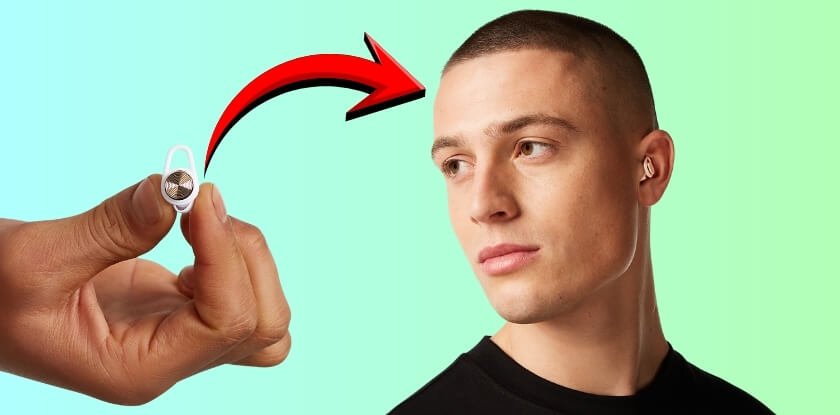
Where Hears Fits
- Concerts and music events
- Travel, airports, trains, and buses
- Crowded rooms and public spaces
- Community gatherings and social events
- Moderate work noise
- Daily sound sensitivity
Use Caution If You Need Full Awareness
Any earplug can change how you hear your surroundings. I’d be careful using Hears while driving, cycling, crossing busy roads, or working around hazards.
Do Not Use Hears As Medical Care
Hears shouldn’t replace professional advice if you have:
- Ear pain or pressure
- Sudden hearing changes
- Ongoing ringing in the ears
- Ear infection symptoms
- Fluid or discharge from the ear
- Existing hearing loss
Safety Takeaway
Hears is a sensible choice for normal loud places when used with common sense. It’s for reducing everyday noise, not for treating ear problems or replacing higher-rated protection. The offer page says it “Prevents Permanent Hearing Damage,” but no earplug can promise that, and the partner rules for this offer tell affiliates not to claim it.
Hears Current Price and Offer
Hears is sold through its offer page, which says buying there is “buying directly from Hears.” These were its prices on November 8, 2026. Check the checkout total before you order.
| Package | Current Offer |
| 1 Pair of Hears | $39.99 (listed “Retail $49.99”) |
| 3 Pairs of Hears (Buy 2, Get 1 Free) | $99.98 |
| 5 Pairs of Hears (Buy 3, Get 2 Free) | $149.97 |
Hears is more worthwhile if you use it regularly. It isn’t the cheapest earplug option, but it beats disposable foam on value only if loud places are part of your routine. The single pair is the simplest starting point. The larger bundles make more sense for keeping extras in different places, like a travel bag, work bag, car, or home drawer.
Offer Details
- Current Promotion: “Buy Now & Save 40%.” That figure matches the 5-pair bundle; one pair is $10 off.
- Guarantee: 100-day money-back guarantee.
- Shipping: Free US shipping “on qualifying offers only.”
- International Shipping: The offer page says it ships internationally.
- Case: A carrying case is included.
- Support: The store lists support@hears.com.
The store’s written refund policy adds conditions the offer page doesn’t mention:
- Returns must be in “original state, with all parts complete,” with the packaging “intact and in good condition.”
- “Customers are responsible for the cost of return shipping unless the return is due to a defect, damage, or an incorrect item. Original shipping fees are non-refundable.”
- Damaged, defective, or wrong items must be reported “within 14 days of delivery.”
- Exchanges come as store credit, not a direct swap.
- The store’s own banner says “Easy, tracked 30-day returns,” while the policy and FAQ say 100 days. I’d go by the shorter number to be safe.
Where to Buy Hears
My link goes to the Hears offer page, where the bundle prices above apply. Hears also runs its own store at hears.com, run by Hears B.V. in Amsterdam. If you’re outside the US, read the Trustpilot complaints below about shipping and customs charges before you order.
Hears Reviews: Common Buyer Themes
Customer feedback around Hears usually focuses on comfort, sound clarity, fit, and whether the earplugs reduce enough noise for everyday use. I treat these reviews as context, not a promise of how yours will go.
Common buyer themes include:
- Many buyers like that Hears reduces loudness without making everything feel fully blocked.
- The offer page credits the four tip sizes with a fit that stays put, which is the brand’s claim.
- Positive reviews often mention concerts, travel, social events, and busy public spaces.
- The critical Trustpilot reviews I saved are about the company and charges, not the sound.
- Some buyers expect near-silence, which a filtered earplug isn’t meant to give.
On Trustpilot, Hears shows 3.6 from 1,469 reviews: 59% five-star and 25% one-star. Sebastian wrote in November 2026, “Avoid this company.” Roger wrote in October 2026, “you WILL be charged undisclosed shipping and customs charges, equal to 50% of your purchase.” I couldn’t find a BBB profile for the company.
Hears Claims Vs What I Found
| Claim | What I found | Where I checked (Nov 8, 2026) |
| “Reduces harmful noise by 20dB” | That’s the SNR (European) figure. Hears’ certification page lists NRR 13dB, the US rating. | Offer page, hears.com certification page |
| “Prevents Permanent Hearing Damage” | No earplug can promise that. The partner rules for this offer say not to claim Hears prevents hearing loss. | Offer page, GiddyUp partner rules |
| “93% Of Natural Sound” | The brand’s figure; I found no test behind it on the pages I read. | Offer page |
| “Rated 4.9/5” | That’s the offer page’s own rating. Trustpilot shows 3.6 from 1,469. | Offer page, Trustpilot |
| “100-Day Money Back Guarantee” | Partly. Buyers pay return shipping, original shipping isn’t refunded, and the store’s banner says 30-day returns. | Offer page, hears.com refund policy |
FAQs About Hears
These are the practical questions I’d want answered before buying.
Can You Wear Hears For Several Hours?
Yes, but comfort depends on the ear tip size and your ear shape. For longer use, the best fit should feel secure without pressure.
Will Hears Make Music Sound Weird?
Hears may slightly change how music sounds, but it shouldn’t flatten it the way basic foam earplugs often do. The goal is softer sound, not dull sound.
Can You Use Hears In Crowded Family Or Community Events?
Yes. This is one of the situations where Hears makes sense because it lowers background intensity while still letting you stay involved.
What If One Ear Feels Different From The Other?
That can happen. Try different tip sizes on each side because your ears may not fit exactly the same.
How Long Can Hears Last?
Hears says they’re reusable, and the store gives a two-year limited warranty on defects. I’d expect the soft tips to show wear before the body does.
What Should You Check Before Ordering?
Check the current price, package quantity, return terms, shipping details, and which Hears version you’re buying before placing an order.
Final Verdict: Is Hears Worth It?
Yes, if you want reusable earplugs for concerts, travel, or busy rooms that lower the volume without the blocked-off feeling of foam. I gave it 8.0 out of 10 for its four tip sizes, case, fair price per pair, and the 100-day return window it advertises. It isn’t higher because the US rating (NRR 13dB) is lower than the “20dB” in its ads, buyers pay return shipping, and some Trustpilot reviewers complain about extra charges. For very loud work or shooting, choose higher-rated protection.


