
It started with a small crack that should not have been a big deal.
The plastic near my charging cable had started to split, and every time I picked it up, I could feel that weak, rough spot bending more. I tried the usual quick fixes, tape first, then a little glue, hoping one of them would hold.
It didn’t.
The tape peeled. The glue dried stiff and messy. And somehow, a tiny repair made the cable uglier and more annoying to use. That is what made me curious enough to write this FixIts Sticks review.
The idea sounded simple: heat the stick in hot water, mold it around the damaged area, and let it harden into a solid repair. No dripping glue, no layers of tape, no complicated tools.
So, I tested FixIts Sticks myself to see how easy they are to use, where they actually help, where they fall short, and whether this little repair stick is really worth trying.
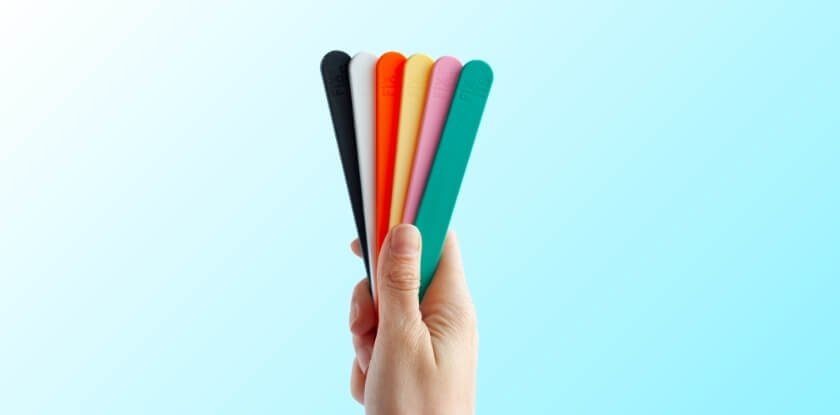
FixIts Sticks are reusable repair sticks made for small household fixes where tape feels temporary, and glue does not always give enough support. They are designed to help patch, shape, fill, or reinforce damaged areas instead of simply covering them.
- Easy to soften and shape with hot water
- Cleaner than messy glue or peeling tape
- Reusable if you need to adjust the repair
- Finish may not look polished
Quick Verdict
FixIts Sticks are not magic glue, but they are useful for small repairs where you can mold, wrap, fill, or reinforce the damaged area. After testing them, I found they work best as a quick support material for practical household fixes. They are worth trying if you want a reusable repair stick that feels cleaner and more forgiving than tape or glue.
What Are FixIts Sticks?
FixIts Sticks are reusable repair sticks made for small household fixes where tape feels temporary, and glue does not always give enough support. They are designed to help patch, shape, fill, or reinforce damaged areas instead of simply covering them.
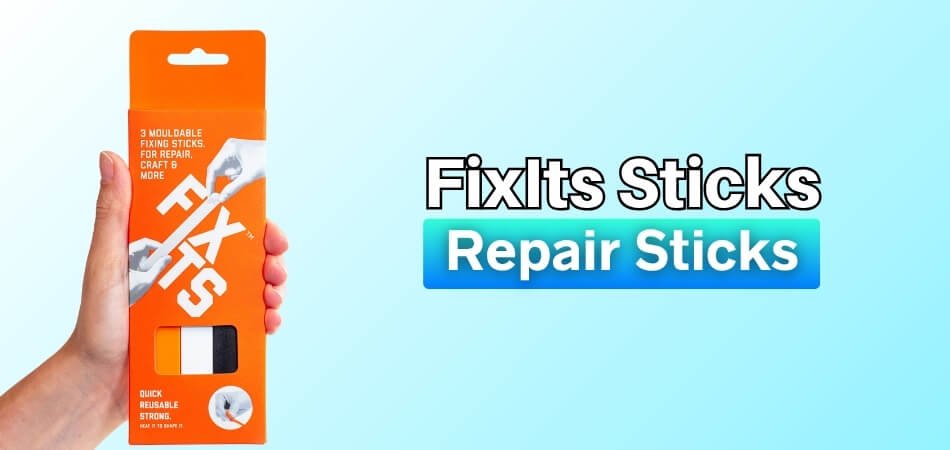
The product is especially useful for repairs where the broken part still has some shape to work with. For example, if a small item has a cracked edge, a weak corner, or a loose section, FixIts Sticks can be shaped around that area to create extra support.
What makes them interesting is the hands-on repair style. You are not just applying a liquid adhesive and waiting for it to dry. You are shaping the repair yourself, almost like creating a custom patch for the damaged part.
FixIts has also been featured on BBC’s Dragons’ Den, which gives it a little more credibility than a random repair gadget found online.
How FixIts Sticks Work
FixIts Sticks work by using heat instead of glue. The stick starts out hard, but once it sits in hot water, it softens into a warm, moldable material that can be shaped by hand. After it cools, it hardens again and holds the shape you created.
The process is straightforward:
- Heat the stick: Place it in hot water around 140°F until it becomes soft and flexible.
- Mold it into place: Wrap, press, flatten, or shape the material around the damaged area.
- Let it cool: Once the material cools down, it becomes firm and works like a custom support layer.
In real use, the material feels more like warm plastic putty. It does not run, drip, or spread while you are shaping it, which makes the process feel more controlled than many quick repair methods.
The Main Claims I Wanted to Test
Before using FixIts Sticks, I did not want to judge them only by the product page. The promises sounded strong: a repair stick that softens in hot water, works without glue, hardens in minutes, and can be reused if needed. That sounded useful, but I wanted to see how those claims felt in a real repair.
Here are the main things I paid attention to while testing FixIts Sticks:
| Product Claim | What I Wanted to Find Out |
| Works better than glue | Does it actually support a small repair better than tape or glue? |
| Softens in hot water | Is the heating process quick and easy, or does it feel annoying? |
| No special tools needed | Can I use it at home without clamps, mixing, or extra equipment? |
| Reusable material | Can it be reshaped if the first attempt does not look right? |
| Cleaner repair | Does it avoid the sticky mess, fumes, and residue I usually get with glue or tape? |
| Hardens into a firm fix | Does the repaired area feel stronger after cooling? |
| Good for everyday repairs | Is it actually useful for common problems like cables, cracked plastic, grips, and small household items? |
FixIts Sticks Review: My Hands-On Testing Experience
For this FixIts Sticks review, the test was simple: repair a charging cable with a split outer plastic near the connector.
The cable still worked, but the weak spot kept bending every time it was plugged in. The tape had already peeled off before, and the glue did not feel like the right fix because the damaged area needed support, not just surface bonding.
Here’s how the test went:
- Started with a real everyday repair: A charging cable with cracked plastic near the end, the kind of small damage that is annoying but not always worth replacing.
- Softened one stick in hot water: After a short wait, the material became warm, flexible, and easy to bend.
- Wrapped it around the weak spot: The softened material was pressed around the split plastic to create a firmer support layer.
- Shaped it before it cooled: This part needed a little attention because the material begins to harden as it cools.
- Checked the final result: The cable did not look factory-new, but the damaged area felt more stable and less likely to bend further.
My First Impression After Using FixIts Sticks
My first impression was that FixIts Sticks felt cleaner and more practical than glue, but not as “perfect” as the product demos might make you imagine.
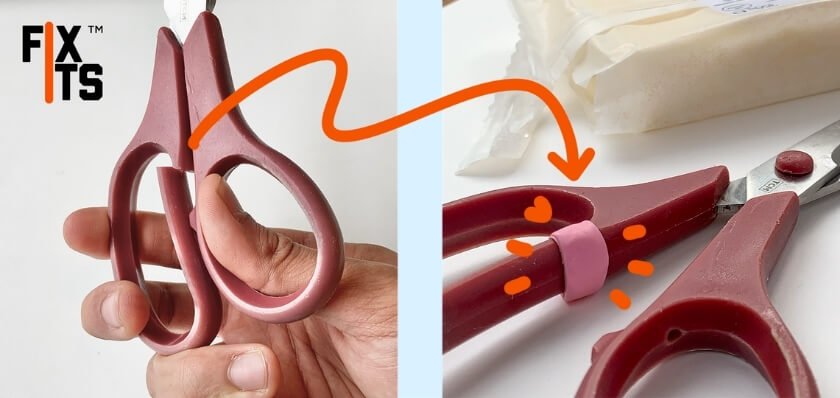
Once the stick softened in hot water, it became warm, flexible, and easy to press into shape. There was no dripping, no sticky mess on my fingers, and no strong chemical smell. That alone made the process feel less frustrating than using glue or wrapping tape around the same damaged spot again and again.
But the material also has a small learning curve. It starts firming up as it cools, so shaping it neatly takes a little focus. If you wait too long or do not press it smoothly, the repair can look slightly bulky.
After it had fully hardened, the repaired area felt solid and supported. It did not look brand new, but it made the cable feel more usable. That was my first real takeaway: FixIts Sticks are better for practical repairs than pretty repairs.
Key Feature of FixIts Sticks
FixIts Sticks are designed for small, awkward repairs where glue feels too messy, and tape does not offer enough support. The value is not just in sticking things together; it is in shaping the material exactly where the broken area needs extra strength.
Here are the key features that stood out during the review:
Heat-Activated Moldable Design
FixIts Sticks soften in hot water and become easy to shape by hand. Once warm, the material can be pressed, wrapped, flattened, or molded around the damaged area before it cools and hardens again.
Reusable Repair Material
One helpful feature is that FixIts Sticks can be reheated, reshaped, and have no expiry date. If the first attempt looks rough or does not fit properly, the material gives you another chance, unlike glue, which usually dries permanently.
No Special Tools Needed
FixIts Sticks do not require clamps, glue guns, mixing trays, or extra repair tools. A cup of hot water is enough to soften the stick, which makes the repair process feel simple and beginner-friendly.
Cleaner Than Glue or Tape
During use, FixIts Sticks felt much cleaner than traditional quick fixes. There was no dripping glue, no sticky tape residue, and no strong chemical smell, which made the whole repair feel easier to control.
Useful for Odd-Shaped Repairs
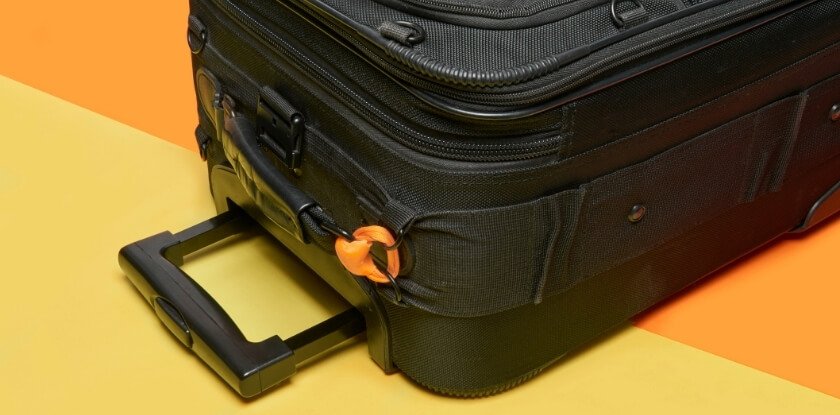
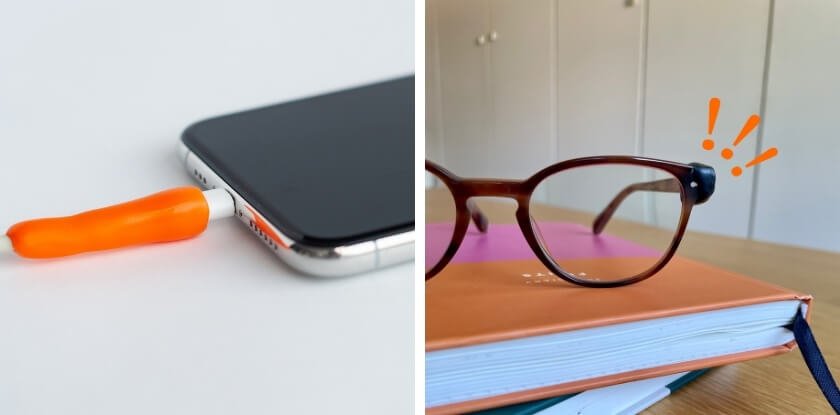
FixIts Sticks work best when the damage is not flat or easy to glue. The moldable material can wrap around cable ends, fill gaps, support cracked plastic, improve grips, or rebuild small missing parts.
Practical for Everyday Fixes
The product makes sense for small household problems that are annoying but not always worth replacing. Cable ends, zipper pulls, cracked plastic edges, loose handles, toy parts, and small gaps are the kind of fixes where it feels useful.
Repair-First, Less Wasteful Approach
FixIts is made from compostable bioplastic materials, which supports its repair-first, less-waste positioning. Instead of replacing something because of one cracked edge or weak spot, the material gives you a chance to extend its use.
What I Liked About FixIts Sticks
What I liked most about FixIts Sticks is how they changed the way a small repair felt. Instead of trying to hide the damage with tape or force glue into a weak spot, the material gave me something I could actually shape around the problem.
A few things stood out during the test:
- The process felt clean and simple: There was no dripping glue, no sticky fingers, and no strong smell. Just hot water, soft material, and a few minutes of shaping.
- It worked well for reinforcement: On the cable, FixIts Sticks added a firmer layer around the split plastic. The weak spot felt more protected after it cooled.
- The material was forgiving: Since it can be reheated, the repair did not feel like a one-chance job. That made the process less stressful than using fast-drying glue.
- It handled an awkward repair better than tape: Tape can cover damage, but it does not really rebuild support. FixIts Sticks felt more useful because the material hardened into a custom shape.
- It feels practical to keep around: This is the kind of product that makes sense in a drawer, toolbox, or travel kit for small repairs that show up unexpectedly.
What I Did Not Like About FixIts Sticks
As useful as FixIts Sticks felt during my test, the product still has a small learning curve. The process is simple, but getting the repair to look neat takes more attention than I expected.
Here are the main drawbacks I noticed:
- The finish was not perfectly smooth: My cable repair worked, but it looked more like a patch than a clean factory finish.
- The material starts firming up quickly: Once it begins to cool, you need to press, smooth, and shape it before it gets too stiff.
- Using too much can make the repair bulky: On smaller items, a little extra material can make the repair feel oversized.
- A cleaner result may take a second try: The first attempt can be functional, but not always pretty.
For me, these were not deal-breakers, but they are important expectations to set. FixIts Sticks are best for practical repairs, not perfect-looking repairs.
Does FixIts Sticks Really Work Better Than Glue?
FixIts Sticks can work better than glue, but only for the right kind of repair. That is the part many people need to understand before buying it.
Glue works best when two clean surfaces need to bond together. But when the broken area is uneven, cracked, missing a small piece, or needs extra support around it, glue can struggle. That is where FixIts Sticks felt more useful during my test.
For my charging cable, glue would have only covered the split plastic. FixIts Sticks worked better because the softened material could wrap around the weak spot and harden into a protective layer. It did not just stick to the cable; it added structure around it.
So, I would not say FixIts Sticks are better than glue for every repair. They are better when you need to:
- Reinforce a weak spot
- Fill or rebuild a small damaged area
- Shape support around an awkward part
However, glue is still better if you need a thin, clean, almost invisible bond between two flat surfaces.
How Strong Is FixIts Sticks?
FixIts Sticks are strong enough for small household repairs, especially when the material can wrap around, grip, or reinforce the damaged area. In my test, they worked better as a support layer than as a traditional adhesive.
On the official page, the brand claims FixIts can hold up to 35 lb and is 8 times stronger than Sugru. I did not personally run a weight test or compare it directly with Sugru, so I would treat that as a product claim rather than my own tested result.
On my charging cable, the hardened material created a firm outer shell around the split plastic. It reduced bending near the weak spot and made the cable feel more protected during normal use. That was where the strength felt useful: not by “gluing” the cable together, but by adding structure around the damaged part.
Is FixIts Sticks Safe to Use Around the Home?
FixIts Sticks are designed to be a cleaner, low-mess repair option for everyday home use. Unlike many glues or epoxies, they do not require mixing, strong-smelling adhesives, or chemical fumes during the repair process.
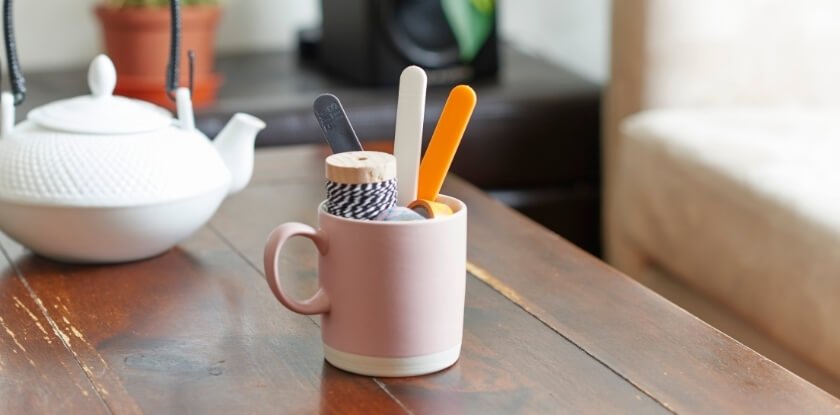
In my test, the material did not give off a sharp smell, and it did not leave my fingers sticky like glue or tape residue often does. The process felt simple: soften the stick in hot water, shape it around the damaged area, and let it cool.
That said, the hot water step still needs care. The stick becomes warm and soft after heating, so it should be handled carefully, especially if kids are nearby. I would also avoid using it on exposed electrical wiring, food-contact surfaces, or anything safety-critical unless the product instructions clearly support that use.
FixIts Sticks feel safest when used for small, non-critical household repairs, such as cable outer protection, cracked plastic, grips, handles, gaps, and light reinforcement.
Best Uses for FixIts Sticks
FixIts Sticks are best for small repairs where the material can wrap, fill, grip, or reinforce the damaged area. They are not made for every broken item, but they can be surprisingly useful when glue feels too thin and tape looks too messy.
Here are the best ways to use FixIts Sticks:
- Cable protection: Good for reinforcing the outer plastic near a cable end, especially when the area starts splitting or bending too much.
- Cracked plastic edges: Useful when a small plastic part cracks and needs extra support around the damaged area.
- Loose grips: Helpful for adding shape or firmness to a handle, grip, or small tool that feels uncomfortable or unstable.
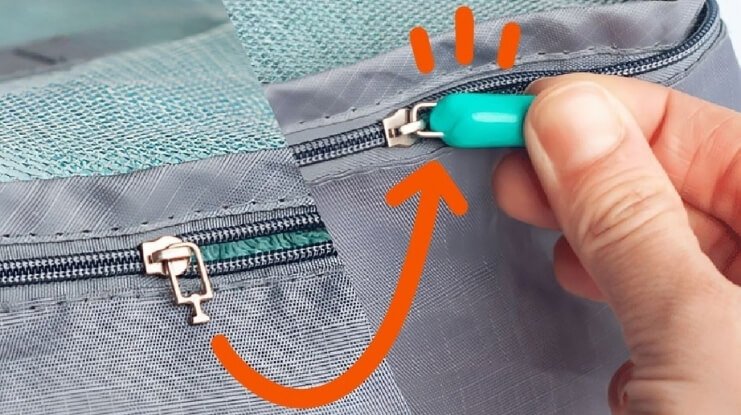
- Broken zipper pulls: The softened material can be shaped into a quick replacement pull if the original piece snaps off.
- Small gaps or missing pieces: FixIts Sticks can fill minor gaps where glue alone would not add enough structure.
- Toy repairs: Useful for small plastic toys or parts that need patching, filling, or reinforcement.
- Quick household fixes: Good for those annoying little repairs that are not serious enough to replace but still bother you every time you use the item.
FixIts Sticks Before and After
Before using FixIts Sticks, the charging cable still worked, but the outer plastic near the connector was split and weak. Every time the cable bent, that damaged spot felt like it could get worse. The tape had made it sticky and ugly, while the glue did not seem like it would add enough support.
After using FixIts Sticks, the repair looked more like a reinforced patch than a factory finish. The softened material wrapped around the damaged section, hardened as it cooled, and created a firmer layer around the weak spot.
Here’s the simple before-and-after breakdown:
- Before: The cable had a split plastic near the end and kept bending at the weak point.
- During: The softened FixIts material wrapped around the damaged area and was shaped by hand.
- After cooling: The repair became firm, solid, and more stable.
- After testing: The cable felt less fragile during normal use, although the repair was still visible.
FixIts Sticks vs Tape vs Glue
FixIts Sticks, tape, and glue can all help with small repairs, but they do not solve the same problem. After testing FixIts Sticks, I would place them somewhere between tape and glue: cleaner and stronger than tape, but more shapeable and forgiving than glue.
Here’s how they compare:
| Feature | FixIts Sticks | Tape | Glue |
| Best for | Wrapping, filling, reinforcing, and shaping around damage | Quick temporary cover-ups | Bonding two clean surfaces |
| Mess level | Low | Medium, especially when it peels | Can be messy if overused |
| Finish | Functional but can look bulky | Usually looks temporary | Can look cleaner when done well |
| Support | Adds structure around weak areas | Mostly covers the problem | Bonds surfaces but does not add much shape |
| Reusability | Can be reheated and reshaped | Not reusable | Not reusable |
| Learning curve | Slight shaping practice needed | Very easy | Easy, but less forgiving |
| Best example | Reinforcing a split cable end or cracked plastic edge | Holding something temporarily | Joining two flat broken pieces |
Who Should Buy FixIts Sticks?
FixIts Sticks are a good fit for people who regularly deal with small repairs and prefer fixing usable items instead of replacing them too quickly. They make the most sense for buyers who want something simple, clean, and easy to keep nearby for unexpected damage.
FixIts Sticks are especially suitable for:
- DIY beginners who want a repair option without mixing, clamping, or complicated tools.
- Homeowners and renters who like having quick repair supplies ready at home.
- Parents who often deal with broken everyday items around the house.
- Students who want a small repair option for daily essentials.
- Travelers or campers who prefer carrying compact, practical repair tools.
- Eco-conscious buyers who would rather extend the life of small items before throwing them away.
When FixIts Sticks May Not Be the Right Fit
FixIts Sticks are useful for small hands-on repairs, but they are not the best choice for every situation. The product works better when the damaged area gives the material something to grip, shape around, or support.
You may want to skip FixIts Sticks if:
- You need a smooth, factory-like finish
- The repair area is tiny or delicate
- The item will be exposed to strong heat
- The fix needs to carry serious weight or pressure
- The broken parts only need a thin surface bond
- Appearance matters more than function
FixIts Sticks Pros and Cons
Like most repair products, FixIts Sticks are helpful when used for the right job and less impressive when used with the wrong expectations. After testing them, I would say their biggest strength is practical support.
Is FixIts Sticks Worth It?
FixIts Sticks are worth it if you want a reusable repair stick for small everyday fixes. They will not replace every repair tool you own, but they can handle the kind of awkward damage that often gets ignored because it feels too minor to replace and too annoying to leave alone.
For me, the value came from convenience. The product was easy to prepare, clean to handle, and useful when the damaged area needed more support. I also liked that it felt like something I could keep in a drawer and use again when another small repair came up.
It may not feel worth it if you only need one tiny fix or if the final appearance matters more than function. But if you often deal with small broken items around the home, FixIts Sticks offer enough practical value to justify keeping them around.
FixIts Sticks Price, Offer, and Discount
Price matters with a product like FixIts Sticks because most people are not buying it for one dramatic repair. You are buying it for those small problems that show up randomly, a split cable, a cracked plastic edge, a loose grip, a broken zipper pull, or something around the house that feels wasteful to throw away.
When I checked the offer, FixIts Sticks had three buying options. The single pack is the cheapest way to try it, but the bundles give better value if you already know you will keep using it.
| Offer | Price | You Save | Shipping | Best Choice If… |
| Single FixIts Pack | USD $19.99 | $5 | Shipping extra | You only want to test it once |
| Buy 2, Get 1 Free | USD $49.98 | $24.99 | Free shipping | You want the best balance of price and value |
| Buy 3, Get 2 Free | USD $74.97 | $49.98 | Free shipping | You want extra sticks for home, car, toolbox, or family use |
The offer also shows a 1-year warranty and a 30-day money-back guarantee, which makes the purchase feel a little safer.
Where to Buy FixIts Sticks
The best place to buy FixIts Sticks is from the official FixIts website. Since this is a product with different bundle offers, warranty details, and possible limited-time discounts, buying from the official page helps you see the latest available deal before checkout.
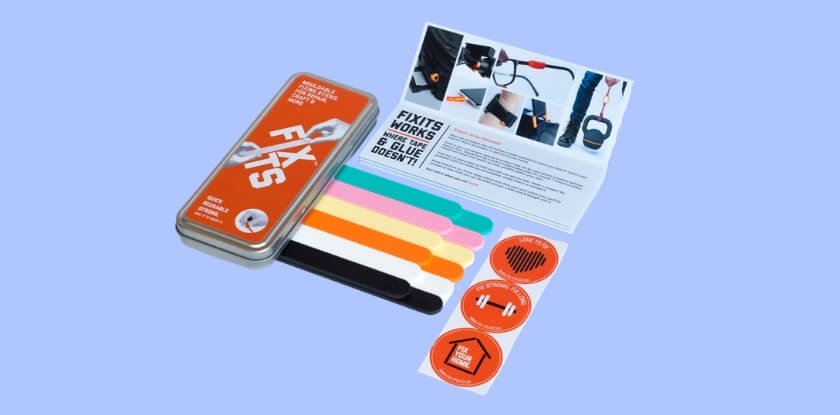
I would also prefer the official site because repair products like this can easily get mixed up with generic moldable plastic sticks or lookalike alternatives. If you are buying FixIts Sticks after reading this review, make sure the page clearly shows the FixIts name, the current offer, warranty information, and refund policy.
Before placing an order, it is worth checking a few things:
- whether the current discount is still active
- if shipping is free on the bundle you choose
- the estimated delivery time
- the return or refund terms
What Other Buyers Are Saying About FixIts Sticks
My own test gave me a good idea of where FixIts Sticks work best, but I also wanted to see if other buyers were using them in the same practical way. The reviews on the official FixIts Sticks page felt useful because they were not just vague praise; they mentioned real repairs, hot-water softening, shaping, and the need to work fast before the material hardens.
Pamela Hutton
“Great solution!”
“I have had a nightmare with trying to fix my remote cable for my lounger couch this was the perfect solution so far so good! Thanks”Peter Scott
“Exactly as described on the pack”
“Works as it should – softens in hot water and moulds to whatever shape you require.”Sally R.
“Job Done!”
“Easy, non toxic.. yes you have to work fast (so neat touch ups tricky) and it’s for solid results, as it sets back to hard plastic (not flexible)…. but if that’s what you need it is excellent. Just buying more…”
FAQs About FixIts Sticks
Even after testing FixIts Sticks, there are a few buyer questions that matter before ordering. These are the practical things I would want to know if I were deciding whether this repair stick fits my needs.
Can FixIts Sticks Repair Exposed Wires?
No, I would not use FixIts Sticks to repair exposed electrical wires. They may help reinforce the outer plastic around a cable, but they should not be treated as an electrical repair product. If the wire itself is exposed or damaged, it is safer to replace the cable.
Does FixIts Sticks Stay Flexible After It Hardens?
No, FixIts Sticks harden back into a solid plastic-like material after cooling. That is useful when you want structure and support, but it may not be ideal for repairs that need to bend, stretch, or stay rubbery.
Can FixIts Sticks Be Painted Or Trimmed After Hardening?
Yes, the hardened material can usually be shaped, trimmed, or adjusted for a cleaner finish, but the result depends on how much material you used and how neat the original repair was. For visible repairs, it is better to shape it carefully before it fully cools.
Will FixIts Sticks Work On Wet Surfaces?
I would not apply FixIts Sticks directly to a wet or slippery surface. The material works better when the repair area is clean, dry, and easy to grip. Moisture can make shaping and positioning harder.
How Many Repairs Can One FixIts Stick Handle?
It depends on the size of the repair. A small cable patch or zipper pull may only need part of one stick, while a larger crack or missing piece may need more. For small everyday fixes, one stick can sometimes cover more than one minor repair if you use only what you need.
Final Verdict: Is FixIts Sticks Really a 5-Minute Fix?
FixIts Sticks can be a 5-minute fix, but only for the right kind of repair. If the damage is small, easy to reach, and needs wrapping, filling, or reinforcement, the process can be genuinely quick. In my test, heating the stick, shaping it around the split cable, and letting it harden did not take long.
But I would not say every repair will be done perfectly in five minutes. If you want the result to look smoother, cleaner, or less noticeable, you may need extra time to shape the material before it cools. That small detail matters because FixIts Sticks harden into solid plastic, not flexible rubber or invisible glue.
So, in this FixIts Sticks review, my answer is clear: for simple everyday repairs, yes, it can be a 5-minute fix. For polished, invisible, or heavy-duty repairs, not always.
FixIts Sticks are reusable repair sticks made for small household fixes where tape feels temporary, and glue does not always give enough support. They are designed to help patch, shape, fill, or reinforce damaged areas instead of simply covering them.
- Easy to soften and shape with hot water
- Cleaner than messy glue or peeling tape
- Reusable if you need to adjust the repair
- Finish may not look polished


