
Wondering are Arrae products safe? For most healthy adults, the answer is generally yes, as they rely on natural ingredients like ginger and peppermint. That said, they are not FDA-approved, some users report nausea, and certain marketing claims lack strong scientific proof. Anyone with underlying health conditions should consult a qualified doctor before using these supplements.
Keep reading to explore ingredient quality, safety standards, and real customer experiences with Arrae supplements. We will break down potential side effects, scientific evidence, and what experts actually say. By the end, you will have a clearer understanding to decide confidently whether Arrae is right for you.
Are Arrae Products Safe: Detailed Answer
Arrae products are generally considered safe for most healthy adults when used as directed, but tolerance varies by person and formula. The main risks are typical supplement risks—ingredient sensitivities, stomach upset, and possible interactions with medications. Below is a clear breakdown of what “safe” really depends on.
Ingredient Safety and Formula Type
Arrae products use common supplement ingredients (enzymes, herbs, and plant extracts), which many people tolerate well. Safety depends on the specific formula you choose, since digestion blends, calming blends, and hormone-focused blends can use very different ingredients. The safest approach is to check the label for anything you already know that bothers you.
Common Side Effects People Report
Most side effects are mild and digestive in nature, such as nausea, stomach discomfort, reflux, or loose stools—especially when starting a new supplement or taking it on an empty stomach. These issues often improve by lowering the dose, taking it with food, or stopping the product if symptoms persist.
Who Should Be Cautious Before Using Arrae
Extra caution is smart if you’re pregnant, breastfeeding, under 18, or managing a chronic condition (especially digestive disorders, hormone-related conditions, or diabetes). People with allergies or sensitivities to herbs and botanicals should also review ingredients carefully. When in doubt, a clinician can help you avoid unnecessary risks.
Medication Interactions to Watch For
Even “natural” ingredients can interact with medications. This matters most if you take blood thinners, diabetes medications, thyroid meds, antidepressants, or blood pressure drugs. If you’re on prescriptions, it’s safer to confirm compatibility with a pharmacist or doctor before using any supplement regularly.
FDA and Quality Standards
Arrae products are dietary supplements, which means they aren’t FDA-approved as medications and they aren’t evaluated to treat, cure, or prevent disease. That doesn’t mean they’re unsafe—it means quality and effectiveness depend on manufacturing practices, ingredient sourcing, and whether claims are supported by strong external evidence.
Best Practices for Safer Use
Start with the lowest effective dose, take it with food if you’re prone to nausea, and introduce only one new supplement at a time so you can identify what’s helping—or causing issues. Stop use if you notice persistent discomfort, allergic symptoms, or unusual reactions. Keeping expectations realistic also helps: supplements can support wellness, but they aren’t replacements for medical treatment.
How Supplement Safety Works (FDA, GMP, and Regulation Context)
Unlike prescription drugs, dietary supplements do not require FDA approval before they go on sale. A company can formulate and sell a supplement without ever proving it works or that it’s safe; they just can’t make explicit disease claims (e.g., “cures diabetes”).
This is the most important thing to understand: the burden of proof is essentially reversed compared to pharmaceuticals.
The FDA’s Role (Post-Market)
The FDA regulates supplements after they’re on the market, not before. Specifically:
- The FDA can take action if a product is found to be unsafe, mislabeled, or fraudulent, but only after a problem is reported.
- Companies must report serious adverse events to the FDA, but minor side effects often go untracked.
- The FDA maintains a database called CFSAN Adverse Event Reporting System (CAERS) where consumers and companies can report issues.
- The FDA can issue warnings, demand recalls, or pursue legal action, but this is reactive, not preventive.
GMP (Good Manufacturing Practices)
The FDA does require supplement manufacturers to follow Current Good Manufacturing Practices (cGMPs). These are quality control standards that govern:
- Cleanliness and facility conditions
- Accurate labeling (what’s on the label must match what’s in the bottle)
- Testing for contaminants like heavy metals
- Proper record-keeping
However, FDA inspections of supplement facilities are infrequent, and compliance isn’t guaranteed just because a company claims to follow GMP.
Third-Party Testing: The Gold Standard
Because FDA oversight is limited, independent third-party certification is the most reliable signal of quality. The main ones to look for are:
- USP (U.S. Pharmacopeia): Verifies identity, potency, and purity
- NSF International: widely respected; NSF Certified for Sport is especially rigorous
- Informed Sport / Informed Choice: Commonly used for sports supplements
- ConsumerLab: Independently tests and publishes results on popular supplements
A supplement with one of these seals has been verified to actually contain what it claims, in the amounts stated, without harmful contaminants. This doesn’t verify that it works, but it does verify what’s in the bottle.
What “Natural” Doesn’t Mean
A common misconception is that “natural” equals “safe.” It doesn’t many natural compounds can interact with medications, cause liver stress in high doses, or be inappropriate for certain populations. For example, St. John’s Wort is natural but has significant drug interactions, and high-dose kava has been linked to liver damage.
Practical Takeaway
When evaluating any supplement, including Arrae the checklist looks like this:
- Does it have third-party testing certification (USP, NSF, etc.)?
- Are the ingredient doses within the studied, reasonable ranges?
- Does the company make claims that go beyond what the science supports?
- Have there been any FDA warnings or recalls on the brand or product?
- Does it interact with any medications you take?
The supplement industry operates with minimal oversight, making consumer research essential before trying any product. Reading an Arrae MB-1 45+ review can offer real user insights into effectiveness and side effects. Always verify claims, check ingredient lists, and consult healthcare professionals when adding new supplements to your routine.
Ingredient Safety Analysis: What’s Inside Arrae Products?
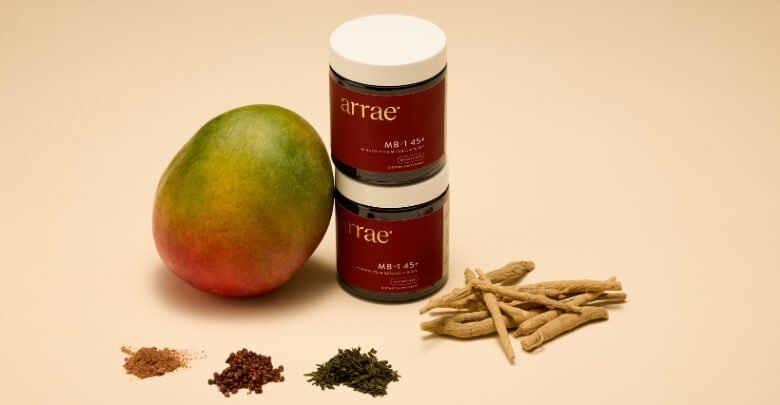
Arrae MB-1 uses natural ingredients to support metabolism and weight management. Each component offers specific benefits for energy, appetite control, and gut health. Understanding these ingredients helps users make informed choices about this supplement.
African Mango Seed Extract
This extract comes from Irvingia gabonensis seeds. It helps reduce body fat and improves how your body uses insulin. The compound also supports appetite control. Many studies show it aids weight loss efforts effectively.
Cissus Leaf Extract
Cissus quadrangularis supports waistline management goals. It blocks the absorption of fats and carbohydrates. This plant extract comes from traditional African medicine. Users may see better results with diet and exercise.
Green Tea Extract
This popular ingredient boosts fat metabolism naturally. It contains antioxidants called catechins. These compounds help your body burn calories faster. Green tea also provides gentle energy without jitters.
Grains of Paradise
This West African spice activates thermogenesis in your body. Thermogenesis increases your resting metabolic rate. Your body burns more calories throughout the day. This ancient ingredient supports healthy weight management.
Probiotic Bifidobacterium lactis B420
This probiotic strain supports digestive health. It contains 10 billion colony-forming units per serving. The bacteria help control cravings and improve gut function. Healthy digestion supports overall wellness goals.
Vitamin B6 and Chromium
Vitamin B6 supports energy production and blood sugar balance. Chromium helps maintain healthy glucose levels. Both nutrients aid macronutrient metabolism. Your body needs these for optimal daily function.
Potential Side Effects and Tolerance Concerns
Even natural, plant-based supplements can cause side effects because they contain biologically active compounds — meaning they actually do something in the body. The main reasons side effects occur include:
- Dose Sensitivity: Some ingredients are well-tolerated at low doses but cause issues at higher amounts.
- Individual Variation: Genetics, gut microbiome, liver enzyme activity, and body weight all affect how a person processes a supplement.
- Underlying Conditions: Someone with IBS, GERD, or a sensitive gut may react differently than a healthy adult.
- Drug Interactions: Many herbal ingredients affect the same metabolic pathways (especially CYP450 enzymes in the liver) as common medications.
- Cumulative Load: Taking multiple supplements simultaneously can compound effects in unpredictable ways.
Common Categories of Side Effects
For gut and digestive supplements (like Arrae Bloat or similar products), the most commonly reported issues include nausea, loose stools, cramping, bloating (ironically), and heartburn, often from ingredients like peppermint oil, ginger, or magnesium.
For relaxation and sleep supplements, common concerns include grogginess, headaches, vivid dreams, and mood changes often tied to ingredients like melatonin, valerian root, lemon balm, or ashwagandha.
For metabolism or energy supplements, side effects can include elevated heart rate, jitteriness, insomnia, and blood pressure changes, especially with stimulant-adjacent ingredients like green tea extract, caffeine, or synephrine.
Tolerance: A Frequently Overlooked Issue
Tolerance means the body adapts to a substance over time, requiring more of it to achieve the same effect. This is more commonly discussed with pharmaceuticals, but it’s relevant to supplements too:
- Melatonin is one of the most well-documented examples — regular use can suppress the body’s natural melatonin production, making it harder to sleep without it over time. Most sleep researchers recommend using it only for short-term and at low doses (0.5–1mg, not the 5–10mg commonly sold).
- Adaptogens like ashwagandha and rhodiola are sometimes cycled (used for a period, then stopped) because the body may adapt to them, reducing their effectiveness.
- Digestive enzymes — there’s some concern, though not definitive evidence, that long-term reliance on supplemental digestive enzymes could reduce the gut’s own enzyme production.
- Laxative-adjacent ingredients — compounds that stimulate gut motility (like senna or certain herbal blends) can lead to dependence with chronic use.
Populations Who Should Exercise Extra Caution
Certain groups face elevated risk from supplements that are generally fine for healthy adults:
- Pregnant or Breastfeeding Individuals: Many herbal ingredients haven’t been tested in this population, and some are contraindicated.
- People With Liver or Kidney Disease: The liver and kidneys process and eliminate most supplement compounds; impaired function can lead to accumulation and toxicity.
- Those on Blood Thinners: Many herbs, including ginger, turmeric, fish oil, and vitamin E, have blood-thinning properties that can amplify medication effects.
- People With Hormone-Sensitive Conditions: Phytoestrogens and some adaptogens can affect hormonal balance.
- Children and Teenagers: Doses and safety profiles are almost always studied in adults only.
The “Start Low, Go Slow” Principle
When trying any new supplement, start with a lower dose than recommended and increase slowly. This helps you spot early signs of intolerance like digestive issues or mood changes. Researching the safety of Arrae for weight goals before starting can guide your decision. Always listen to your body’s signals.
It’s also worth keeping a simple log when starting something new: note how you feel each day, what else you’re taking, and any changes in sleep, digestion, or mood. Patterns are much easier to detect with even basic tracking.
When to Stop and Seek Guidance
You should discontinue a supplement and consult a healthcare provider if you notice any of the following: yellowing of the skin or eyes (possible liver stress), significant changes in heart rate or blood pressure, unusual bruising or bleeding, severe gastrointestinal symptoms, or mood changes that feel out of proportion. These are relatively rare but real risks, particularly with long-term use or higher-dose products.
Who Should Avoid or Use Caution With Arrae Products?
Arrae supplements use plant-based ingredients, but they are not suitable for everyone. Certain health conditions, medications, and life stages may increase potential risks. Understanding who should avoid or use caution helps prevent unwanted side effects and supports safer supplement choices.
- Pregnant Women: Pregnancy changes how the body reacts to herbs and supplements. Some ingredients may not be proven safe during pregnancy or breastfeeding stages.
- Chronic Conditions: People with heart, liver, kidney, or hormone-related conditions should be cautious. Herbal ingredients may worsen symptoms or interfere with prescribed treatment plans.
- Medication Users: Individuals taking blood thinners, antidepressants, or hormonal medications should consult a doctor. Certain herbs may interact and reduce effectiveness or increase side effects.
- Sensitive Stomachs: Some users report nausea, cramping, or digestive discomfort after use. Those with IBS or acid reflux may experience stronger reactions.
- Allergy-Prone Individuals: Anyone with plant or herbal allergies should review ingredient lists carefully. Even natural extracts can trigger allergic reactions in sensitive individuals.
- Teens Under 18: Most supplements are formulated for healthy adults, not minors. Safety data for teenagers is often limited or unavailable.
Real User Experiences: What Reviews Reveal About the Safety of Arrae?
Arrae is a wellness brand targeting women with supplements for bloating, anxiety, sleep, and metabolic health. Here’s a balanced look at what real users and experts say about safety and efficacy:
What Users Report: Side Effects & Safety
The most common theme across user reviews is a notable absence of reported side effects. Most users who tried Arrae’s Bloat, Calm, and Magnesium products say they tolerated them well, with no adverse reactions mentioned. Arrae itself states there are “no known side effects,” though they do caution against taking their products with alcohol.
That said, a few safety-relevant points come up in reviews:
Digestive Sensitivity: Some users report noticeable digestive relief from the Bloat and MB-1 products, while others report minimal effects. No widespread reports of negative GI reactions appear in public reviews.
Pregnant/breastfeeding Users: Arrae advises anyone who is pregnant, breastfeeding, or planning to conceive to check with their provider before taking any of their supplements.
Not for Children: The products are not intended for anyone under 18.
What Experts Say About Safety vs. Efficacy Claims
A registered dietitian reviewed the brand critically and raised a key distinction: ingredient safety isn’t the same as the claims made about them. One nutrition expert’s overarching concern is that Arrae appears to make claims about their products that are not supported by solid, peer-reviewed human trials, and leans heavily on alternative medicine.
On the MB-1 weight loss supplement specifically, the expert took issue with marketing it as a “natural alternative” to GLP-1 medications, arguing that implying GLP-1 drugs aren’t safe in order to promote an unregulated supplement is unethical.
What Arrae Says About Quality Control
The company states that each product batch undergoes third-party quality testing, including HPLC identity testing, heavy metal analysis, and full microbiological analysis, and that products are made in cGMP-certified facilities in the USA. Arrae These are legitimate quality markers for the supplement industry.
From a safety standpoint, user reviews don’t raise major red flags. Most people tolerate Arrae products without reported adverse effects, and the ingredients are generally considered low-risk at normal doses. The bigger concerns are around efficacy and marketing. Some products (especially Sleep and Calm) get mixed reviews for actually working, and expert critics argue that certain claims like “kills anxiety for good” overstate what the ingredients can realistically do.
Long-Term Safety and Responsible Use
Many people use wellness supplements daily without thinking about long term impact on their health. Long-term safety depends on smart choices, honest labels, and personal health awareness. Responsible use helps reduce risks and supports better results over time.

Understand Ingredient Limits
Every supplement contains active herbs that affect your body in specific ways. You should learn safe dosage ranges and avoid taking more than recommended amounts. Long-term overuse may stress digestion, hormones, or other body systems.
Follow Medical Guidance
A doctor can review your health history before you begin regular supplement use. Professional advice reduces risks and helps prevent harmful drug or herb interactions. This step becomes essential if you manage ongoing medical conditions.
Monitor Body Changes
Pay attention to how your body reacts during consistent daily use. Track symptoms like nausea, headaches, mood shifts, or sleep pattern changes. Early awareness helps you stop use before minor issues become larger problems.
Avoid Dependency Mindset
Supplements should support healthy habits, not replace balanced meals or medical care. Building the trust behind Arrae popularity also requires realistic expectations about product limits. Long-term safety improves when you treat supplements as support tools.
Take Planned Breaks
Short breaks allow your body to reset and reduce ingredient buildup. Many health experts suggest cycling through herbal products instead of continuous daily intake. Planned pauses also help you evaluate whether the supplement still benefits you.
Frequently Asked Questions About Product Safety of Arrae
Many people wonder about supplement safety before adding new products to their daily routine. Understanding potential risks, ingredient quality, and proper usage helps consumers make confident health decisions. Here are six common questions about Arrae product safety that provide helpful guidance for anyone considering these supplements.
Are Arrae Products Safe For Teenagers To Use?
Arrae products target adult consumers, and their formulations suit grown-up bodies. Teenagers have different nutritional needs and developing systems. Most supplement labels suggest users should be eighteen or older. Parents must consult pediatricians before giving any dietary supplements to minors. Medical guidance ensures safety for younger individuals considering these products.
Can Pregnant Women Safely Take Arrae Supplements?
Pregnancy requires extra caution with all supplements and medications. Many Arrae ingredients lack sufficient safety research for expectant mothers. Herbal components may affect hormone levels or fetal development. Doctors generally recommend avoiding weight management supplements during pregnancy. Always seek obstetrician’s approval before using any Arrae products while pregnant.
Do Arrae Supplements Interact With Prescription Medications?
Several Arrae ingredients could interfere with common medications. Chromium affects blood sugar drugs and insulin dosages. Green tea extract may interact with blood thinners. Some botanicals influence how the liver processes certain pharmaceuticals. Users must disclose all supplements to their healthcare providers. Professional guidance prevents dangerous drug interactions.
How Long Can Someone Safely Use Arrae Products?
Long-term safety data for Arrae supplements remains limited. Most users cycle these products rather than taking them indefinitely. The body may adapt to certain ingredients over extended periods. Regular breaks allow systems to reset naturally. Consulting healthcare providers about duration helps maintain safe usage patterns.
Are Arrae Products Safe For People With Food Allergies?
Arrae formulas claim vegan status and avoid common allergens. However, cross-contamination risks exist in manufacturing facilities. Sensitive individuals should review complete ingredient lists carefully. Some plant extracts trigger reactions in people with specific sensitivities. Contacting the company directly provides detailed allergen information for concerned consumers.
What Should Someone Do If They Experience Side Effects From Arrae?
Users should stop taking the supplement immediately upon noticing adverse reactions. Documenting specific symptoms helps healthcare providers assess the situation. Drinking water and resting often helps mild discomfort pass. Severe reactions require urgent medical attention. Reporting issues to both doctors and the company improves consumer safety awareness.
Closing Remarks
You can feel confident about trying these wellness products. Most healthy adults tolerate Arrae supplements well thanks to their plant-based formulas. The real question isn’t simply are Arrae products safe, but whether they match your specific health needs and goals.
Smart consumers check ingredients, start with lower doses, and stay alert to their body’s signals. Remember that no supplement replaces medical advice or healthy habits. If you manage chronic conditions or take prescriptions, speaking with your doctor first protects your wellbeing. Ultimately, informed choices lead to better health outcomes.


