
I enjoy listening to music, podcasts, and taking calls throughout the day, but finding the right headphones isn’t always simple. Some need constant charging, others feel uncomfortable, and tangled cables seem to have a mind of their own. What matters most to me is finding something comfortable, practical, and easy to use without dealing with unnecessary complications.
That’s what caught my interest in Anti-Radiation Air-Tube Headphones. Unlike regular earbuds, they use an external speaker driver and hollow silicone tubes to deliver sound while keeping the speaker electronics farther from the ears. I particularly like the idea of combining a traditional wired connection with hands-free calling and a design focused on reducing electromagnetic exposure near the ears.
In this Anti-Radiation Air-Tube Headphones review, I’ll explore what makes this design different and whether its features provide real everyday value. Sound quality, comfort, compatibility, and radiation-reduction claims are all important considerations. For me, the real question is whether these headphones deliver the listening experience people need or simply add another interesting promise to the headphone market.
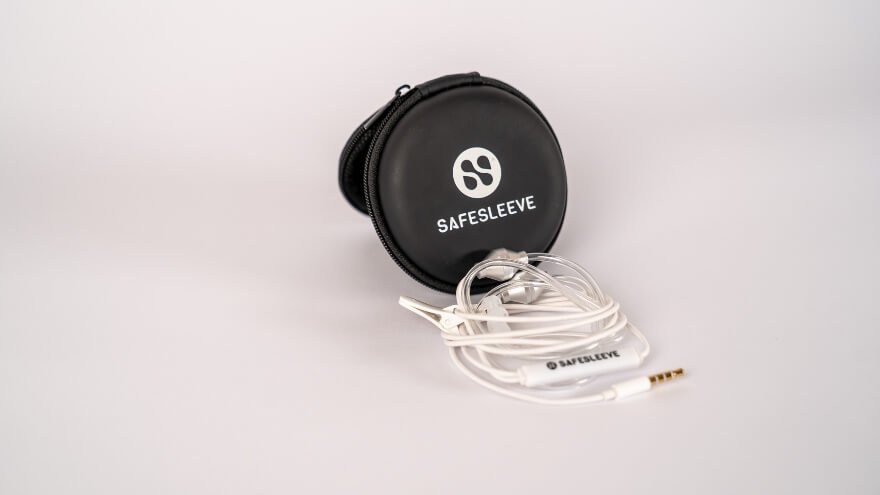
Anti-Radiation Air-Tube Headphones are wired in-ear headphones designed to deliver music, podcasts, and phone calls through a different sound system. Instead of placing the powered speaker directly inside the earpiece, they use an external speaker driver connected to hollow silicone tubes. Sound travels through the tubes before reaching the ears.
- The external speaker driver keeps the electronic speaker components farther from the ears.
- No Bluetooth pairing, headphone charging, or app installation is required.
- Three silicone ear-tip sizes and flexible tubing provide adjustable fitting options.
- Some newer smartphones require a compatible audio adapter.
My Quick Verdict on Anti-Radiation Air-Tube Headphones
Anti-Radiation Air-Tube Headphones are worth considering for people who prefer wired audio and want speaker electronics positioned farther from their ears. I appreciate the simple connection, microphone, and flexible fit options. However, the exact radiation-reduction percentages lack sufficient headphone-specific evidence, making practical functionality the stronger reason to consider them.
What Are Anti-Radiation Air-Tube Headphones?
Anti-Radiation Air-Tube Headphones are wired in-ear headphones designed to deliver music, podcasts, and phone calls through a different sound system. Instead of placing the powered speaker directly inside the earpiece, they use an external speaker driver connected to hollow silicone tubes. Sound travels through the tubes before reaching the ears.
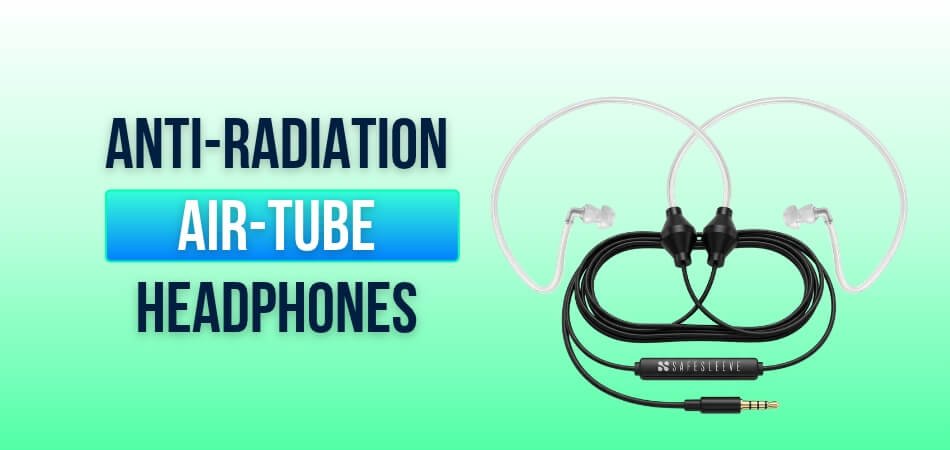
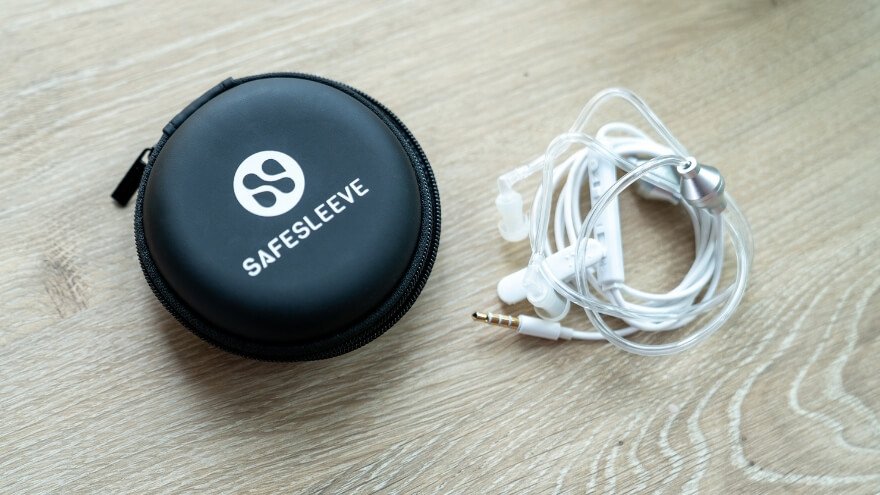
The headphones connect through a standard 3.5 mm audio plug and include a built-in microphone, inline controls, and three ear-tip sizes. Their flexible tubing allows different wearing arrangements, making them suitable for people who want a traditional wired listening experience without conventional speaker placement.
The main distinction is their anti-radiation positioning. The design is intended to reduce electromagnetic exposure near the ears by separating the electronic speaker from the earpiece. That makes these headphones especially interesting to radiation-conscious buyers, although the physical design and the exact exposure-reduction percentages need to be evaluated separately.
My Experience with Anti-Radiation Air-Tube Headphones
What interests me most about Anti-Radiation Air-Tube Headphones is their unique approach to everyday listening. Unlike traditional earbuds, they use an external speaker driver and hollow silicone tubes to carry sound toward the ears. I appreciate this thoughtful design because it moves the speaker electronics farther from the ears while keeping the headphones practical for music, podcasts, and calls.
What Stands Out to Me
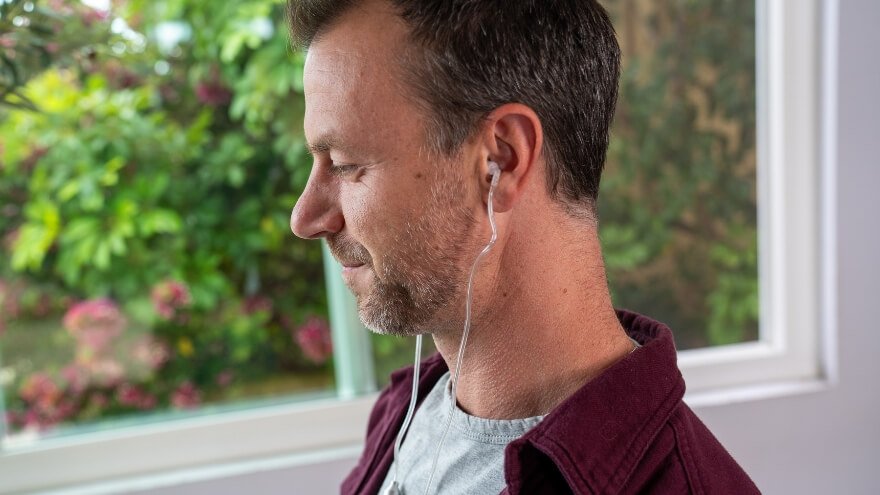
- Unique Air-Tube Design: The transparent silicone tubes create a different listening setup while separating the speaker driver from the earpieces.
- Simple Wired Connection: No Bluetooth pairing, battery charging, or complicated setup is required.
- Convenient Audio Controls: The built-in microphone, volume slider, and inline button make managing calls and music easier.
- Adjustable Wearing Options: Flexible tubing and three ear-tip sizes provide different fitting options for everyday comfort.
What I like most is the balance between an innovative design and familiar headphone functions. The wired connection is convenient for straightforward listening, although managing the cable and using adapters with newer devices can be less practical. For me, the biggest appeal is the simple operation and external-speaker design, while the exact radiation-reduction benefits remain an important consideration when evaluating the product’s overall value.
Anti-Radiation Air-Tube Headphones Features and Technical Specifications
Anti-Radiation Air-Tube Headphones combine a distinctive sound-delivery system with familiar wired-headphone functions. Their features focus on separating the speaker from the earpiece while keeping everyday operation straightforward.
Main Features and Everyday Benefits
- External speaker driver: Positions the sound-producing hardware farther from the ears.
- Hollow silicone air tubes: Carry sound from the external driver to the earpieces.
- Built-in microphone: Supports hands-free phone conversations.
- Inline controls: Manage playback, calls, volume, and compatible voice-assistant functions.
- Three ear-tip sizes: Allow users to adjust the fit.
- 3.5 mm wired connection: Works with compatible audio ports or adapters.
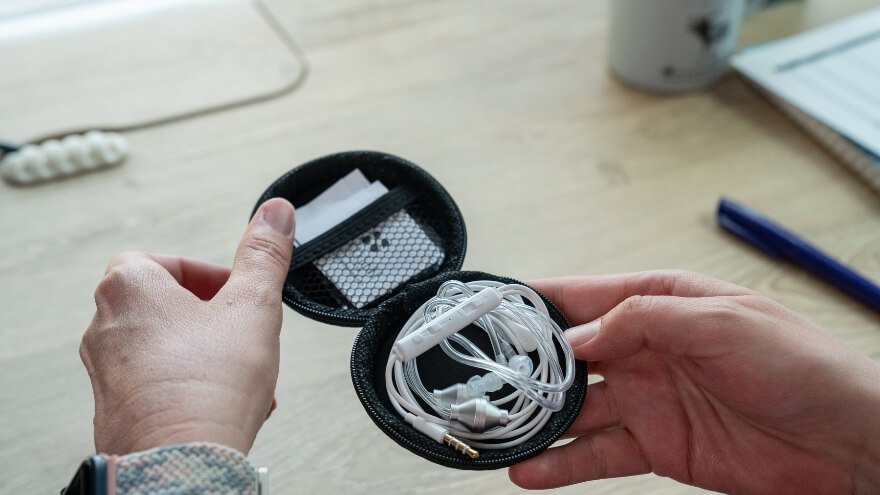
- Carrying case: Provides a convenient place to store the headphones between uses.
Anti-Radiation Air-Tube Headphones Specifications
| Specification | Details |
| Product type | Wired in-ear air-tube headphones |
| Speaker driver | 10 mm |
| Frequency response | 20 Hz–20 kHz |
| Impedance | 32 Ω |
| Sensitivity | 102 ± 3 dB |
| Rated power | 10 mW |
| Cable length | 40 inches |
| Connection | 3.5 mm audio plug |
| Sound pathway | Hollow silicone tubes |
| Microphone | Built-in |
| Controls | Inline button, volume slider, I/N switch |
| Ear tips | Three sizes |
| Storage | Carrying case |
The 10 mm driver and 20 Hz–20 kHz frequency range are useful starting points for understanding the audio hardware. However, specifications alone do not tell me exactly how the headphones will sound. Fit, listening volume, and the physical sound pathway also influence the experience.
How Does Anti-Radiation Air-Tube Technology Work?
Anti-Radiation Air-Tube Headphones work by converting electrical audio signals into sound waves that travel through hollow silicone tubes before reaching the ears. Unlike conventional earbuds, which contain speakers directly inside the earpieces, these headphones position the speaker driver farther away. This creates physical separation between the electronic speaker components and the ears while maintaining a simple wired audio connection.

How Sound Travels Through Air-Tube Technology
The technology follows five stages, starting with an electrical audio signal and ending with sound reaching the listener’s ears.
1. Electrical Audio Signal Transmission
When audio plays on a compatible smartphone, laptop, or tablet, the device sends an electrical audio signal through the headphones’ 3.5 mm cable. This signal carries the sound information needed to reproduce music, speech, or other audio. At this stage, the sound is still an electrical signal traveling through the wire.
2. Signal Reaches the External Speaker Driver
The electrical signal reaches the headphones’ 10 mm speaker driver, which is positioned farther from the ears than the speakers in conventional earbuds. Instead of placing this electronic component inside each earpiece, the air-tube design keeps it lower along the headphone assembly. This separation is the central feature of the technology.
3. Electrical Signals Become Sound Waves
Inside the external speaker driver, the electrical signal causes a diaphragm to vibrate. These vibrations move the surrounding air, producing sound waves that reproduce the original audio. This is where the electrical signal becomes the acoustic sound that the listener eventually hears.
4. Sound Waves Travel Through Hollow Silicone Tubes
The sound waves enter the hollow silicone tubes connected to the speaker assembly. They travel through the air inside these tubes toward the earpieces, without requiring another powered speaker inside the ears. The tubing functions as an acoustic pathway, carrying sound from the external driver to the listener.
5. Sound Reaches the Ears
Finally, the sound waves exit the tubes through the soft earpieces and enter the ear canals. The listener hears music, podcasts, or conversations through this air-based sound pathway. The three available ear-tip sizes help users choose a suitable fit, which can also influence listening comfort and sound delivery.
What I appreciate most about this mechanism is how it changes the sound pathway without complicating everyday operation. The headphones still use familiar speaker technology, but the final section of the audio journey happens through air rather than an electronic speaker positioned directly inside each earpiece.
How the Air-Tube Design Affects EMF Exposure
The anti-radiation concept centers on keeping the electrical speaker components farther from the ears. This changes the distance between the listener’s head and the electromagnetic fields associated with the speaker assembly.
Two types of electromagnetic fields are relevant:
- RF (Radio Frequency): Electromagnetic energy associated with wireless communication technologies, including cellular and Bluetooth connections.
- ELF (Extremely Low Frequency): Low-frequency electromagnetic fields associated with certain electrical currents and electronic components.
The physical separation may influence exposure near the ears, but a specific reduction percentage requires measurements of the complete headphone system. The air tubes also do not block wireless signals generated by the connected smartphone.
The strongest part of Anti-Radiation Air-Tube technology is its straightforward engineering concept. By converting electrical signals into sound farther from the ears and transmitting that sound through hollow tubes, the headphones provide a distinctive alternative to conventional in-ear speakers. The exact radiation-reduction benefits should be evaluated separately from the mechanical design.
Anti-Radiation Air-Tube Headphones Radiation Reduction Claims and Scientific Evidence
Anti-Radiation Air-Tube Headphones are designed to reduce electromagnetic exposure near the ears by positioning the speaker driver farther away and delivering sound through hollow silicone tubes. The product promotes reductions of up to 99% in RF radiation and 92% in ELF exposure. While the design creates physical separation from the electronic speaker components, these exact percentages require headphone-specific scientific measurements to confirm.
Understanding RF and ELF Radiation Reduction
The technology focuses on two types of electromagnetic fields. RF (Radio Frequency) is associated with wireless communication signals, while ELF (Extremely Low Frequency) refers to low-frequency fields that can occur around electrical components.
Here’s how the main radiation-related statements should be understood:
| Radiation-Related Feature | What It Means | Important Consideration |
| Up to 99% RF Reduction | Intended to reduce radio-frequency exposure near the ears | The exact percentage needs headphone-specific laboratory evidence |
| Up to 92% ELF Reduction | Intended to lower exposure to extremely low-frequency electromagnetic fields | Results depend on the measurement method and conditions |
| External Speaker Separation | Positions electrical speaker components farther from the ears | A physical design difference, not proof of a fixed reduction percentage |
| Zero Radiation | Suggests complete elimination of electromagnetic exposure | The headphones do not eliminate wireless signals from a connected phone |
| Brain Protection and Health Benefits | Connects reduced exposure with improved health | Preventing headaches, sleep problems, or neurological conditions requires clinical evidence |
Scientific Evidence and Realistic Benefits
The strongest scientific explanation behind the air-tube design is distance between the speaker electronics and the ears. Instead of placing a powered driver directly inside each earpiece, the headphones transmit sound acoustically through silicone tubes. This changes the position of the electrical components relative to the listener’s head.
However, an exact reduction percentage cannot be determined from speaker placement alone. Measurements must account for the complete headphone system, the type of electromagnetic field, and the operating conditions. Research involving radiation-shielding phone cases also cannot establish the performance of air-tube headphones.
What I appreciate most is the practical engineering behind the design. Moving the speaker driver away from the ears provides a meaningful structural difference from conventional earbuds, without requiring wireless connectivity or additional electronic features.
My main consideration is the distinction between reducing electromagnetic exposure and proving health protection. The air-tube mechanism is straightforward, but the 99% RF and 92% ELF figures should not be treated as guaranteed results. I consider the external-speaker arrangement an interesting feature rather than evidence that the headphones prevent radiation-related health problems.
My Assessment of Anti-Radiation Air-Tube Headphones Sound Quality and Performance
Anti-Radiation Air-Tube Headphones are designed for music, podcasts, videos, and hands-free calls. They combine a 10 mm speaker driver, a 20 Hz–20 kHz frequency range, and hollow silicone tubes to deliver sound through a different acoustic pathway.
Music, Bass, and Audio Clarity
The headphones focus on clear vocals, rich bass, and enjoyable everyday listening. Customer feedback includes positive experiences with music and podcasts, although actual sound quality depends partly on ear-tip fit and listening preferences.
I appreciate the straightforward audio design and its focus on everyday entertainment. However, the technical specifications alone cannot establish bass strength, clarity, or performance compared with premium headphones.
Microphone and Hands-Free Calling
The built-in microphone supports hands-free conversations, making the headphones useful for personal and work calls. I particularly like the convenience of answering calls without constantly handling the phone, although voice clarity can depend on the connected device and surrounding noise.
Inline Audio Controls and Functionality
The inline remote provides quick access to essential listening and calling functions. These controls help users manage audio without repeatedly reaching for their phones.
| Control | Function |
| Single Press | Play, pause, answer, or end calls |
| Double Press | Skip to the next track |
| Press and Hold | Activate a compatible voice assistant |
| Volume Slider | Adjust listening volume |
| I/N Switch | Select a compatible control mode |
What I appreciate most is having these functions directly on the cable. Switching between music and calls feels more convenient when basic controls are within easy reach.
My Overall Performance Assessment
The strongest aspect of Anti-Radiation Air-Tube Headphones is their combination of wired convenience, hands-free functionality, and a unique sound-delivery system. I find them appealing for everyday listening, although buyers who prioritize independently measured, high-end audio performance may prefer specialized headphones.
How to Set Up and Use Anti-Radiation Air-Tube Headphones
Anti-Radiation Air-Tube Headphones are easy to set up using their 3.5 mm wired connection, adjustable silicone ear tips, and inline audio controls. They do not require Bluetooth pairing, battery charging, or app installation. Follow these eight steps to prepare the headphones, connect them correctly, and enjoy everyday listening.

Step 1: Select the Right Silicone Ear-Tip Size
Start by checking the three included silicone ear-tip sizes and choosing a pair that fits your ears. Begin with the medium size, then try smaller or larger tips if they feel uncomfortable or loose.
The ear tips should sit securely without creating unnecessary pressure. Choosing the right size also helps maintain a proper fit for comfortable listening and consistent sound delivery.
Step 2: Attach the Ear Tips Securely
Hold one earpiece firmly and align the opening of the selected silicone tip with its attachment point. Gently push and twist the tip into position until it fits securely.
Repeat the process with the other earpiece and check that both tips are properly attached. Avoid pulling or twisting the hollow silicone tubes while making adjustments.
Step 3: Position the Headphones Comfortably
Place each earpiece gently into the corresponding ear and adjust its position until it feels comfortable. The flexible silicone tubing can hang naturally or loop around your ears, depending on your preferred wearing style.
Make sure the tubing is not sharply bent or stretched. Allow the cable to rest naturally without pulling downward on the earpieces.
Step 4: Connect the Headphones to Your Device
Locate the 3.5 mm audio connector at the end of the headphone cable. Insert it fully into the headphone jack of a compatible smartphone, laptop, tablet, or other audio device.
If your device does not have a headphone jack, use a compatible audio adapter. The correct adapter depends on your device’s connection type.
- USB-C Devices: Insert the headphone plug into a compatible USB-C audio adapter, then connect the adapter to your device.
- Lightning iPhones: Connect the headphones through a compatible Lightning-to-3.5 mm audio adapter.
- Devices With 3.5 mm Ports: Plug the headphones directly into the audio jack without an adapter.
The purchase package includes a USB-C adapter for compatible devices. However, buyers using Lightning connections should check their adapter requirements separately.
Step 5: Adjust the I/N Switch Settings
Find the small I/N switch on the inline control assembly and move it to the I position. This is the usual starting setting for most compatible devices.
After connecting the headphones, test the playback button and microphone to confirm they respond correctly. If the controls do not work as expected, try the N position and test them again.
Step 6: Play Audio and Adjust the Volume
Open your preferred music, podcast, or video app and start playing audio. Begin at a low volume and confirm that sound is coming through both earpieces.
Gradually adjust the volume using the inline slider or your device’s volume settings. If the sound seems muffled or uneven, check the ear-tip fit, cable connection, and tubing position before increasing the volume.
Step 7: Control Music and Manage Phone Calls
The headphones include a built-in microphone and inline button for managing everyday listening and calling functions. These controls let you perform common actions without repeatedly unlocking your phone.
Use the controls as follows:
- Single Press: Play or pause music, answer an incoming call, or end an active call.
- Double Press: Skip to the next audio track.
- Press and Hold: Activate a compatible voice assistant.
- Volume Slider: Increase or decrease the listening volume.
- I/N Switch: Select the appropriate control mode for your device.
For phone calls, keep the inline microphone unobstructed so it can pick up your voice. Some functions may vary depending on the connected device and audio adapter.
Step 8: Disconnect, Clean, and Store the Headphones
After listening, pause the audio and gently remove the earpieces from your ears. Hold the connector when unplugging the headphones instead of pulling directly on the cable.
Inspect the silicone ear tips for dirt and gently wipe their accessible outer surfaces when necessary. Keep moisture away from the electronic components and avoid introducing liquid into the hollow tubes.
Arrange the cable and tubing loosely before placing the headphones inside their carrying case. Avoid sharp bends, tight wrapping, or placing heavy objects on top of them.
My Thoughts on Everyday Usability
What I appreciate most about Anti-Radiation Air-Tube Headphones is their straightforward operation. Once the ear tips are fitted and the cable is connected, the headphones provide familiar listening and calling functions without wireless pairing or charging.
The adjustable fit, built-in microphone, and inline controls make everyday handling practical. For me, the biggest advantage is being able to enjoy music, podcasts, and calls without spending unnecessary time configuring another electronic device.
What I Like Most About Anti-Radiation Air-Tube Headphones
My favorite aspect of Anti-Radiation Air-Tube Headphones is the way they combine an unusual sound-delivery design with familiar headphone functions. The product does not require abandoning wired audio or learning a complicated operating system.

Several features deserve particular attention:
- Physical separation of the speaker: The external driver arrangement is the clearest difference from conventional earbuds.
- Straightforward connection: The 3.5 mm plug provides a familiar wired interface.
- Hands-free calling: The microphone and call controls make the headphones useful beyond music.
- Adjustable fit: Three ear-tip sizes and flexible tubing provide options for different ears.
- Portable storage: The case helps keep the cable and accessories organized.
I particularly appreciate the combination of adjustable ear tips and inline controls. These are practical features people can use every day, regardless of how they evaluate the radiation-related marketing.
The carrying case is another thoughtful addition. A flexible headphone cable deserves a better home than the bottom of a bag, where loose wires somehow develop a talent for tying themselves into knots.
Anti-Radiation Air-Tube Headphones Comfort, Fit, and Build Quality
Anti-Radiation Air-Tube Headphones use soft silicone tubes and removable ear tips to accommodate different wearing preferences. The flexible upper sections can be routed around the ears or positioned in a hanging arrangement.
Comfort and Ear-Tip Adjustment
The three ear-tip sizes are useful because the right fit affects both comfort and listening quality. The tips can be removed with a gentle pulling and twisting motion, then replaced with a pushing and twisting motion.
Customers have reported comfortable use during calls, listening sessions, and even running. Those experiences are encouraging, but comfort remains personal. An earpiece that fits one person well may feel less suitable to another.
Construction and Material Quality
The silicone tubes are flexible, while the external speaker, cable, and remote form the main electronic assembly. This construction is practical for a wired listening device, but repeated bending and handling make careful storage important.
I like the attention given to fit adjustments. Still, I would not assume that the flexible tubing is indestructible or that the headphones have a particular water-resistance rating.
Anti-Radiation Air-Tube Headphones Maintenance, Storage, and Durability
Proper maintenance and storage can help protect Anti-Radiation Air-Tube Headphones from unnecessary wear. Their flexible silicone tubes, removable ear tips, and wired connections require gentle handling to maintain everyday functionality.

I particularly appreciate the removable ear tips because they make basic cleaning and fit adjustments easier. However, the hollow tubing and electrical components need extra care to avoid damage.
Cleaning and Maintaining the Headphones
Regular cleaning helps keep the earpieces hygienic and prevents dirt from collecting around the ear tips. A gentle cleaning routine is preferable to using excessive moisture or harsh cleaning products.
- Clean the Ear Tips: Gently wipe the silicone tips to remove visible dirt and earwax.
- Inspect the Air Tubes: Check the hollow silicone tubes for dirt, bends, or visible damage.
- Protect Electronic Components: Keep the speaker assembly, microphone, and inline controls away from moisture.
- Check the Audio Connector: Keep the 3.5 mm plug clean and free from visible debris.
- Avoid Harsh Cleaning: Do not immerse the headphones in water or introduce liquids into the hollow tubes.
Proper Storage and Cable Protection
The included carrying case provides a convenient way to organize and protect the headphones between listening sessions. Storing them carefully can also reduce unnecessary pressure on the flexible tubing and cable connections.
For better storage, follow these simple practices:
- Arrange the cable loosely instead of wrapping it tightly.
- Avoid sharp bends or pulling on the silicone air tubes.
- Disconnect the headphones by holding the plug rather than pulling the cable.
- Keep the headphones away from heavy objects that could crush the tubing.
- Store them in a clean, dry place when not in use.
Long-Term Durability and Replacement Considerations
The flexible silicone tubes and wired construction are designed for regular listening, but their lifespan depends partly on handling and storage. Repeated pulling, sharp bending, and pressure around the connections can increase the risk of damage.
The removable ear tips are convenient, although replacement options for the tubing, cable, and speaker assembly are not fully confirmed. I would treat careful handling as an important part of long-term ownership rather than assuming every component can be easily replaced.
My Thoughts on Long-Term Ownership
What I like about Anti-Radiation Air-Tube Headphones is that maintaining them does not require complicated software updates or battery care. Basic cleaning, gentle cable handling, and proper storage are the main considerations.
My biggest concern is the durability of the thin silicone tubing over extended use. I appreciate the flexible design, but I would prioritize protecting those connections to help keep the headphones functional for everyday listening.
Are Anti-Radiation Air-Tube Headphones Compatible with iPhone, Android, and Laptops?
Anti-Radiation Air-Tube Headphones use a 3.5 mm audio connection and can work with compatible phones, computers, and tablets. Devices without a headphone jack need a suitable adapter.
Connection Options
| Device connection | What you need |
| Standard 3.5 mm audio port | Direct headphone connection |
| USB-C port | Compatible USB-C audio adapter |
| Lightning port | Compatible Lightning-to-3.5 mm adapter |
| Laptop or tablet | Compatible audio port or adapter |
The purchase package promotes an included USB-C adapter, which is useful for many newer devices. Buyers using Lightning-equipped devices should confirm the required connection separately.
I also distinguish basic audio playback from full control compatibility. An adapter may support listening without necessarily supporting every microphone, volume, or remote function on every device.
For anyone relying on the headphones for daily work calls, that distinction matters more than a broad promise of universal compatibility.
Are Anti-Radiation Air-Tube Headphones Safe for Adults and Children?
Anti-Radiation Air-Tube Headphones can provide everyday wired listening, but their air-tube design does not establish that they are safer than conventional earbuds. The external speaker driver sits farther from the ears, while sound travels through hollow silicone tubes. Safe listening still depends on volume, comfort, and proper use.

Safety Considerations for Adults
For adults, the main considerations are comfortable ear-tip fit, reasonable listening volume, and device compatibility. The three silicone ear-tip sizes allow users to adjust the fit, while the inline volume slider makes sound adjustments convenient.
The external-driver design also reduces the need for electronic speakers inside the earpieces. However, physical separation alone does not establish protection against headaches, sleep problems, or other health conditions.
Safety Considerations for Children
Children require additional attention to headphone fit, listening volume, and supervision. Although the headphones have adjustable ear tips, their suitability for specific age groups has not been established through child-specific safety evaluations.
I would prioritize a comfortable fit and controlled listening volume before considering radiation-related benefits. Parents should also make sure children can handle the cable and earpieces safely.
Important Safety Precautions
A few practical habits can help make everyday listening more comfortable and responsible:
- Keep Volume Comfortable: Avoid unnecessarily loud audio, especially during extended listening sessions.
- Choose the Right Ear Tips: Use a size that fits securely without causing discomfort.
- Take Listening Breaks: Give your ears occasional rest during longer sessions.
- Supervise Younger Users: Help children manage listening volume, cables, and ear-tip fit.
- Check the Headphones: Avoid using damaged cables, tubing, or loose ear tips.
What I appreciate about Anti-Radiation Air-Tube Headphones is their distinctive external-speaker arrangement. It offers a different approach to wired listening, but reduced electromagnetic exposure should not be confused with proven medical protection.
For me, the sensible choice is to consider their practical design alongside ordinary headphone safety habits. Adults and parents should focus on comfortable listening, suitable volume levels, and realistic expectations about the technology.
My Thoughts on Anti-Radiation Air-Tube Headphones
Anti-Radiation Air-Tube Headphones make a positive impression with their innovative air-tube design, simple wired connection, and practical everyday features. I particularly appreciate how they combine a different approach to sound delivery with the familiar convenience of music playback, podcasts, and hands-free calling.
What Impresses Me Most
- Innovative Air-Tube Technology: The external speaker driver and hollow silicone tubes create a distinctive sound-delivery system that separates the speaker electronics from the ears.
- Simple Wired Convenience: The 3.5 mm connection eliminates Bluetooth pairing and headphone charging, making everyday setup straightforward.
- Practical Audio Features: The built-in microphone, inline volume slider, and playback controls make managing music and calls convenient.
- Comfort-Focused Design: Three silicone ear-tip sizes and flexible tubing provide useful options for adjusting the fit.
- Easy Everyday Maintenance: Removable ear tips and an included carrying case make cleaning, handling, and storage more manageable.
What I like most is how Anti-Radiation Air-Tube Headphones combine thoughtful design with everyday functionality. The air-tube system makes them different from conventional earbuds, while the wired connection and inline controls keep operation familiar and uncomplicated.
I find the external-speaker arrangement especially interesting because it offers a different physical approach to headphone design. Although the exact radiation-reduction percentages require stronger scientific evidence, the headphones still have appealing features for people who appreciate straightforward wired listening.
I consider Anti-Radiation Air-Tube Headphones a practical and interesting alternative to regular wired earbuds, particularly for listeners who value simple controls, adjustable ear tips, and a distinctive sound-delivery design.
Anti-Radiation Air-Tube Headphones vs. Regular Wired and Bluetooth Earbuds
Anti-Radiation Air-Tube Headphones stand apart from regular wired and Bluetooth earbuds through their external speaker driver and hollow silicone sound tubes. While conventional earbuds place speakers directly inside the ears, the air-tube design delivers sound acoustically from a greater distance. All three options support everyday listening, but their technology, convenience, and connection requirements differ.
Key Differences Between the Three Headphone Types
| Feature | Anti-Radiation Air-Tube Headphones | Regular Wired Earbuds | Bluetooth Earbuds |
| Speaker Placement | External speaker driver, farther from the ears | Speakers inside the earpieces | Speakers inside the earpieces |
| Sound Delivery | Hollow silicone air tubes | Directly from in-ear speakers | Directly from in-ear speakers |
| Connection | 3.5 mm wired connection | Wired connection | Wireless Bluetooth |
| Bluetooth Pairing | Not required | Not required | Required |
| Battery Charging | Not required | Not required | Required |
| Microphone | Built-in | Depends on model | Depends on model |
| Comfort Options | Three ear-tip sizes and flexible tubing | Depends on design | Depends on design |
| EMF-Related Design | Separates speaker electronics from the ears | Conventional speaker placement | Uses Bluetooth radio communication |
| Main Advantage | Unique air-tube design with wired convenience | Simple, familiar audio connection | Wireless freedom and portability |
| Best Suited For | Listeners interested in external-speaker technology | People who prefer traditional wired audio | People who prioritize cable-free listening |
Everyday Convenience and Listening Experience
What I appreciate most about Anti-Radiation Air-Tube Headphones is their combination of an unusual sound-delivery system and familiar wired functionality. They eliminate headphone charging and Bluetooth pairing while providing a built-in microphone, inline controls, and adjustable ear tips.
Regular wired earbuds are a straightforward alternative for people who prefer conventional speaker placement. Bluetooth earbuds provide greater freedom of movement, although they require charging and wireless pairing.
My Comparison and Buying Preference
For me, Anti-Radiation Air-Tube Headphones are an appealing alternative to traditional earbuds because of their external-speaker arrangement and simple operation. Their design is particularly interesting for listeners who want physical separation between the speaker electronics and their ears without giving up everyday audio functions.
However, the different speaker arrangement does not establish superior sound quality or proven health protection. I would choose these headphones for their distinctive technology and practical wired features, while considering Bluetooth earbuds when wireless convenience is the main priority.
Who Should Buy Anti-Radiation Air-Tube Headphones and Who Should Avoid Them?
Anti-Radiation Air-Tube Headphones are best suited for people who prefer simple wired listening, hands-free calling, and an alternative to conventional in-ear speakers. Their external speaker driver, hollow silicone tubes, and adjustable ear tips make them an interesting option for everyday music, podcasts, and conversations.
Ideal Buyers for Anti-Radiation Air-Tube Headphones
These headphones are particularly appealing to listeners who value practical audio features and straightforward operation. I would recommend considering them for the following users:
- Everyday Music Listeners: People who enjoy music, podcasts, and videos without worrying about Bluetooth pairing or headphone charging.
- Office Workers and Professionals: Users who regularly take calls and appreciate a built-in microphone, volume slider, and inline controls.
- Radiation-Conscious Buyers: People interested in an air-tube design that positions speaker electronics farther from their ears, without assuming proven health protection.
- Students and Remote Workers: Those who need wired headphones for online classes, meetings, recorded lectures, and everyday communication.
- Wired Headphone Enthusiasts: Listeners who prefer a direct 3.5 mm connection instead of wireless audio.
- Comfort-Focused Users: Buyers who appreciate three silicone ear-tip sizes and flexible tubing for adjusting the fit.
Buyers Better Suited to Other Headphone Options
Although Anti-Radiation Air-Tube Headphones have useful everyday features, they may not match everyone’s listening preferences. Some buyers will benefit more from alternative headphone designs.
- Wireless Audio Enthusiasts: People who prefer Bluetooth connectivity and completely cable-free movement.
- Professional Audio Users: Musicians and audio professionals who require independently measured sound accuracy and specialized performance.
- Water Sports and Outdoor Enthusiasts: Buyers who need headphones with a confirmed waterproof or sweat-resistance rating.
- Users Seeking Medical Protection: Anyone expecting clinically proven prevention of headaches, sleep problems, or other health conditions.
I would recommend Anti-Radiation Air-Tube Headphones primarily to people who appreciate wired convenience, adjustable comfort, and distinctive air-tube technology. The external speaker arrangement provides an interesting design alternative, while the microphone and inline controls support everyday listening.
For me, their biggest appeal is the combination of practical functionality and a different approach to sound delivery. Buyers who value these features are more likely to appreciate the headphones, while those who prioritize wireless freedom or specialized audio performance may find another option more suitable.
Anti-Radiation Air-Tube Headphones Pros and Cons
Anti-Radiation Air-Tube Headphones offer a unique air-tube design, convenient wired functionality, and practical features for everyday listening. I particularly appreciate their external speaker arrangement, adjustable comfort, and simple operation, although a few minor trade-offs are worth considering.
My Overall Assessment
The advantages of Anti-Radiation Air-Tube Headphones center on their innovative design, simple functionality, and everyday convenience. I find the external-speaker arrangement especially appealing, while the minor trade-offs are common considerations with wired headphones.
For me, these headphones are an interesting choice for listeners who value an alternative sound-delivery design and practical audio features. Their exact radiation-reduction benefits should still be considered separately from these everyday advantages.
How Much Do Anti-Radiation Air-Tube Headphones Cost? Pricing and Bundle Deals
Anti-Radiation Air-Tube Headphones start at $34.99 for a single pair, with bundle packages offering savings of up to $79.98. Buyers can choose from three packages, including Buy 2, Get 1 Free and Buy 3, Get 2 Free deals. Every package includes a free USB-C phone adapter.
Anti-Radiation Air-Tube Headphones Pricing and Packages
| Package | Sale Price | Shipping |
| Single Pair | $34.99 | |
| Buy 2, Get 1 Free (3 pairs) | $79.98 | Free Shipping |
| Buy 3, Get 2 Free (5 pairs) | $119.97 | Free Shipping |
All prices are in USD and reflect the displayed promotion. Free shipping applies to qualifying orders and destinations. Prices and package availability may change.
Choosing the Best Anti-Radiation Air-Tube Headphones Bundle
The single-pair package at $34.99 is a practical starting point for individual buyers. It includes one pair of headphones and a free USB-C adapter, with a $5 saving against the regular price.
The Buy 2, Get 1 Free package at $79.98 is labeled Most Popular. It provides three pairs at approximately $26.66 each, includes a free USB-C adapter, and qualifies for free shipping.
The Buy 3, Get 2 Free package at $119.97 is labeled Best Deal. It includes five pairs at approximately $23.99 each, a free USB-C adapter, and free shipping, making it the lowest per-pair price among the three packages.
Shipping, Money-Back Guarantee, and Customer Support
The headphones come with a 30-day money-back guarantee, giving customers an opportunity to request a return if they are dissatisfied. The company also highlights its customer support and quality-control commitment, although buyers should review the complete return conditions before purchasing.
Shipping and purchase benefits include:
- Free USB-C Adapter: Included with each package.
- Free Shipping on Bundles: Displayed for the three-pair and five-pair packages.
- USA Shipping: Fast domestic shipping is promoted, with free shipping on qualifying purchases.
- International Shipping: Available for international customers, with applicable delivery charges depending on the order.
- Flexible Payments: Checkout displays payment-plan options through providers such as Klarna, Affirm, and Afterpay, subject to eligibility and provider terms.
My Thoughts on Pricing and Overall Value
What I like most about the pricing is the flexibility to purchase one pair or save more with a bundle. The three-pair package offers a useful balance between quantity and cost, while the five-pair package provides the greatest total savings.
For me, the $34.99 single-pair package is the sensible choice for personal use, while the $119.97 five-pair bundle provides the best price per pair. I recommend choosing based on how many pairs you genuinely need rather than the discount alone.
Where to Buy Anti-Radiation Air-Tube Headphones and Check Current Deals
You can buy Anti-Radiation Air-Tube Headphones online through the authorized website, where single-pair and discounted bundle packages are available. The page provides current pricing, package selections, shipping details, and checkout options to help buyers choose the right deal.
Available Purchase Options and Benefits
The purchase page provides several options for individual buyers and those purchasing multiple pairs. Each package includes a free USB-C adapter, along with these purchase benefits:
- Flexible Package Options: Choose a single pair, Buy 2 Get 1 Free, or Buy 3 Get 2 Free.
- Bundle Savings: Multi-pair packages provide lower prices per pair.
- Free Shipping: Available on qualifying orders, including the displayed three-pair and five-pair bundles.
- International Delivery: Shipping is available beyond the USA, with charges depending on the destination.
- 30-Day Money-Back Guarantee: Customers can request a return within the applicable guarantee conditions.
- Customer Support: Assistance is available for purchase-related questions and concerns.
Important Details Before Ordering
I recommend checking the final checkout price, selected package, shipping charges, and return conditions before completing a purchase. Buyers using Lightning-equipped devices should also confirm that they have a compatible audio adapter.
What I appreciate most is the flexibility to choose between a single pair and discounted bundles. For the best buying value, I recommend comparing the current package prices and choosing the option that matches your actual needs.
Frequently Asked Questions About Anti-Radiation Air-Tube Headphones
These frequently asked questions address additional concerns about Anti-Radiation Air-Tube Headphones, including noise isolation, video meetings, gaming, audio troubleshooting, and practical listening situations.
Do Anti-Radiation Air-Tube Headphones have active noise cancellation?
Anti-Radiation Air-Tube Headphones do not have a confirmed active noise cancellation (ANC) feature. Their silicone ear tips may provide some passive noise isolation when fitted properly, but they should not be expected to block background sounds like dedicated noise-cancelling headphones. The amount of outside noise you hear will depend on your surroundings and ear-tip fit.
Can other people hear music playing through Anti-Radiation Air-Tube Headphones?
Some sound may be audible to nearby people, especially at higher volumes or when the ear tips do not fit securely. The headphones use an in-ear design, but their exact sound leakage has not been measured. Keeping the volume moderate and choosing a suitable ear-tip size can help make listening more discreet.
Can I use Anti-Radiation Air-Tube Headphones for Zoom, Google Meet, and Microsoft Teams?
Anti-Radiation Air-Tube Headphones can support video meetings when connected to a device that recognizes their built-in microphone. Their wired connection allows audio playback, while the microphone provides a hands-free communication option. Make sure the correct microphone and speaker are selected in your meeting application, especially when using an audio adapter.
Are Anti-Radiation Air-Tube Headphones suitable for gaming consoles and controllers?
These headphones may work with gaming controllers or consoles that support compatible 3.5 mm audio headsets. Their wired design allows game audio to travel directly through the connected cable, although microphone support depends on the controller and its audio connection. Gaming-specific latency and positional audio performance have not been independently measured for this model.
Do Anti-Radiation Air-Tube Headphones work when a phone is in airplane mode?
Yes, wired headphone audio can normally continue working while a smartphone is in airplane mode. You can listen to downloaded music, saved podcasts, or other offline audio without enabling Bluetooth. However, online streaming and internet-dependent applications will require an available network connection.
Can Anti-Radiation Air-Tube Headphones connect to airplane entertainment systems?
Anti-Radiation Air-Tube Headphones may work with airplane entertainment systems that support a standard 3.5 mm headphone connection. Some aircraft use different audio sockets or dual-prong connectors, which may require an additional airline headphone adapter. Compatibility depends on the entertainment system installed on the aircraft.
Why is sound coming from only one side of my Anti-Radiation Air-Tube Headphones?
Sound from only one earpiece can result from an incomplete audio connection, incorrect device balance settings, or an obstruction in the sound pathway. Check that the headphone plug is fully inserted and both silicone tubes are free from sharp bends. If the issue continues, try another compatible audio device to narrow down the cause.
Why does the microphone not work when the headphones play audio normally?
The microphone may not work if the connected device or audio adapter supports sound output but not headset microphone input. Check the microphone permissions, audio input settings, and the I/N switch position. Testing the microphone with a voice-recording application can also help determine whether the issue is related to the connection or a particular app.
Can I wear Anti-Radiation Air-Tube Headphones while sleeping?
Anti-Radiation Air-Tube Headphones can play relaxing music or podcasts while you are resting, but sleeping with wired headphones is not recommended because the cable can become tangled or place pressure on the ears. If you listen while lying down, keep the cable safely positioned and the volume comfortable. Remove the headphones before falling asleep.
Why do Anti-Radiation Air-Tube Headphones sometimes sound muffled or quieter?
Muffled or reduced audio can result from a loose connection, poor ear-tip fit, or a bent or obstructed silicone tube. Check the 3.5 mm connector, adjust the ear tips, and make sure the tubing follows a gentle curve. Avoid inserting sharp cleaning tools into the hollow tubes, as they could damage the sound pathway.
My Final Verdict: Are Anti-Radiation Air-Tube Headphones Worth Buying?
Anti-Radiation Air-Tube Headphones are worth considering for anyone who wants convenient wired listening with a unique air-tube design. Their external speaker driver, built-in microphone, and adjustable ear tips make them a practical choice for everyday music, podcasts, and hands-free calls.
My Anti-Radiation Air-Tube Headphones Review highlights their simple operation, distinctive technology, and useful features. I particularly appreciate the lack of charging and Bluetooth pairing, although the exact radiation-reduction percentages should not be treated as proven health benefits.
I recommend Anti-Radiation Air-Tube Headphones for people who value straightforward functionality and an alternative to traditional earbuds. Starting at $34.99, they offer an interesting option for everyday listeners who prefer wired convenience over wireless features.
Anti-Radiation Air-Tube Headphones are wired in-ear headphones designed to deliver music, podcasts, and phone calls through a different sound system. Instead of placing the powered speaker directly inside the earpiece, they use an external speaker driver connected to hollow silicone tubes. Sound travels through the tubes before reaching the ears.
- The external speaker driver keeps the electronic speaker components farther from the ears.
- No Bluetooth pairing, headphone charging, or app installation is required.
- Three silicone ear-tip sizes and flexible tubing provide adjustable fitting options.
- Some newer smartphones require a compatible audio adapter.


