
Disclosure: This review contains affiliate links. I may earn a commission if you buy through them, at no extra cost to you. Written by Michael Montoya. Last updated: November 8, 2026.
Liver supplements are a crowded, confusing market. Ads promise to “detox” your liver and melt belly fat, and it’s hard to tell what’s science and what’s sales copy.
Akka is a capsule supplement built around a gut bacterium called Akkermansia, plus quercetin, resveratrol, milk thistle (silymarin), and artichoke leaf extract. The offer page headline asks “Is Your Liver Making You Fat?” and promises a “new way to heal the liver, melt stubborn belly fat, and skyrocket your energy.” Those are big health claims for a supplement, so I wanted to see what the ingredients’ research shows, what it costs, and what buyers report.
For this Akka review, I went through the offer page, the brand’s own site and refund policy, NIH and FDA pages on supplements, the main Akkermansia study the offer page points to, Trustpilot, and BBB. This is not medical advice; talk to your doctor before starting any supplement, especially if you have a liver condition.

A liver-support supplement built around Akkermansia with milk thistle, quercetin, resveratrol, and artichoke. Studied ingredients, but the ad's health claims go far past the evidence.
- Built on studied ingredients (Akkermansia, milk thistle)
- Carries the FDA supplement disclaimer
- 90-day money-back guarantee
- Bundles lower the per-bottle price
- Ingredient amounts not published
- Disease and weight claims beyond the evidence
- Trustpilot 2.4 from 62, stomach complaints
- Shipping not refunded
Quick Verdict
Akka is a real supplement with ingredients that have been studied, but the offer page’s promises go far beyond that research. NIH says milk thistle trials for liver disease have been “conflicting or too limited,” and the main human Akkermansia study had 32 people finish, with no significant weight change. Trustpilot shows 2.4 from 62 reviews, including reports of stomach pain and diarrhea. If you still want to try it, talk to your doctor first, start with one bottle, and keep the 90-day refund terms in mind.
What is Akka?
Akka is a daily capsule sold as a “Superbiotic” for liver support. The brand’s own site lists five ingredients: “AKKERMANSIA MUCINIPHILA,” “QUERCETIN,” “RESVERATROL,” “SILYMARIN,” and “ARTICHOKE LEAF EXTRACT.”

Like all supplements in the US, it isn’t approved by the FDA before sale. The FDA says, “Under DSHEA, FDA does not have the authority to approve dietary supplements before they are marketed.” The offer page carries the standard line: “These statements have not been evaluated by the Food and Drug Administration. This product is not intended to diagnose, treat, cure or prevent any disease.”
That disclaimer matters, because the rest of the offer page talks about repairing the liver and reversing damage. A supplement legally can’t claim to treat disease, and nothing I found shows Akka does. NCCIH adds that two trials it funded, on hepatitis C and on a progressive form of fatty liver disease, “did not show benefits from supplementation with the milk thistle extract silymarin.”
Who Makes Akka?
The offer page’s footer says “Enclave BioActives. All Rights Reserved.” The brand’s site, tryakka.com, links to Konscious for its privacy policy, and its refund page talks about “Konscious brand supplements.” I found no BBB listing for Enclave BioActives; a search for Konscious showed a Konscious LLC in Matawan, New Jersey, under diet plans, with no rating shown on the search page.
The offer page is presented by Dr. Gina Sam, described there as a gastroenterologist. It’s written in her voice, but it’s a sales page, and her endorsement isn’t a study.
Key Ingredients & What the Research Says
Here are Akka’s ingredients and what independent sources say about each. The brand doesn’t publish the amount of each ingredient on the pages I read, which makes it impossible to compare doses with research.

Silymarin (Milk Thistle Extract)
NCCIH, part of NIH, says “The main constituent of milk thistle extract is silymarin.” On liver disease, it says “Results from clinical trials of milk thistle for liver diseases, such as alcohol-related liver disease, hepatitis B and C, non-alcoholic fatty liver disease” and others “have been conflicting or too limited to allow conclusions to be reached.” It adds that “The most common side effects are digestive symptoms such as bloating, nausea, and gas,” and that it “may cause allergic reactions, particularly among people who are allergic to related plants (for example, ragweed, chrysanthemum, marigold, and daisy).”
Quercetin
The offer page calls quercetin “a powerful liver protectant,” and the offer page says it “literally turns off inflammation at the genetic level.” Quercetin is a plant flavonoid; I found no evidence in these sources that it does what the offer page says in people taking Akka.
Resveratrol
The offer page calls resveratrol “A Powerful Fat Burner” and says it helps repair leaky gut. The brand’s own wording leans on “Research in the lab.” Lab results don’t show what happens in people, and I found no human trial of Akka’s blend.
Pasteurized Akkermansia
This is the headline ingredient. The offer page cites a study in “Nature Medicine.” That 2019 study enrolled 40 overweight or obese adults with insulin resistance, and “32 completed the trial.” It found pasteurized Akkermansia was “safe and well tolerated” and improved insulin sensitivity, but body weight changed by only “-2.27 ± 0.92 kg, P = 0.091” compared with placebo, which isn’t statistically significant. Fat mass fell “-1.37 ± 0.82 kg, P = 0.092” compared with baseline, also not significant. Several authors are inventors on Akkermansia patent applications, and two co-founded a company working on it. It’s an interesting early study, not proof that a supplement melts fat.
Akkermansia in Plain Words
Akkermansia muciniphila is a bacterium that lives naturally in many people’s guts. The brand’s site says it represents “3–5% of the microbial community.” Researchers got interested because people with obesity or type 2 diabetes tend to have less of it, as the Nature Medicine paper notes. That’s a link, not proof that adding it fixes those conditions. “Pasteurized” means the bacteria are heat-treated, so they’re no longer alive; the 2019 study tested both live and pasteurized forms. Akka’s pages don’t say how much Akkermansia is in each capsule, which is the number you’d need to compare it with that study.
Artichoke Leaf Extract
The brand’s site says artichoke leaf extract “has a long history of being used in traditional herbal practice for digestion and liver support.” Tradition isn’t evidence of effect, and no amount is listed.
How Akka Is Supposed to Work
The brand’s idea is that more Akkermansia in your gut supports metabolism, and the plant extracts support the liver. Here’s each claim and how it holds up.
Flushing Toxins
The brand says Akka “Promotes natural liver detoxification.” NCCIH’s page on “detoxes” and “cleanses” notes they’re “suggested as ways to remove toxins from your body, lose weight, or promote health,” and that the FDA and FTC have acted against some of them. NCCIH also notes “A 2015 review concluded that there was no compelling research to support the use of “detox” diets for weight management or eliminating toxins from the body.”
Liver Repair
The brand’s site says Akka focuses on “healing and clearing out old scar tissue.” That’s a disease claim, and the research on milk thistle, the best-studied ingredient, is “conflicting or too limited,” per NCCIH.
Digestion
Artichoke and probiotics are often marketed for digestion. Some buyers report the opposite, as covered in the buyer section.
Gut Health
The offer page cites a 2023 study on Akkermansia and the gut lining. Gut research is active and early; it doesn’t show this product improves gut health.
What Stands Out About Akka?
Two points are worth knowing, one good and one not.
On the plus side, its main ingredient, pasteurized Akkermansia, is a real subject of research, and milk thistle has been tested in clinical trials, per NCCIH. The brand isn’t selling an invented compound.
The weak spot is the marketing. The offer page calls Akkermansia “nature’s Ozempic” and says a healthy liver is “a complete natural replacement for Ozempic.” Nothing in the sources supports that comparison, and suggesting a supplement replaces a prescription drug is risky. If you take a GLP-1 medicine, don’t change it without your doctor.
Who Is Akka For?
Based on the brand’s pitch, it’s aimed at adults worried about liver health, weight, and energy. Here’s who I think should be careful.
- People with liver disease: See your doctor, not a supplement ad. NCCIH says milk thistle evidence for liver disease is limited.
- People on medicines: NCCIH says, “If you take any type of medicine, talk with your health care provider before using milk thistle or other herbal products; some herbs and medicines interact in harmful ways.”
- People with ragweed or daisy allergies: Milk thistle may trigger reactions, per NCCIH.
- Pregnant or breastfeeding people: Ask your doctor first; the brand doesn’t address this on the pages I read.
It may suit healthy adults who’ve already talked to their doctor and want to try an Akkermansia supplement, with realistic expectations.
How the Brand Says to Take Akka
The offer page mentions “a 2 capsule dose daily” in a testimonial and says “If you find that you’re losing weight faster than you want when taking Akka, simply taper the dose back to one capsule per day.” It also says it uses “enteric coated capsules.”
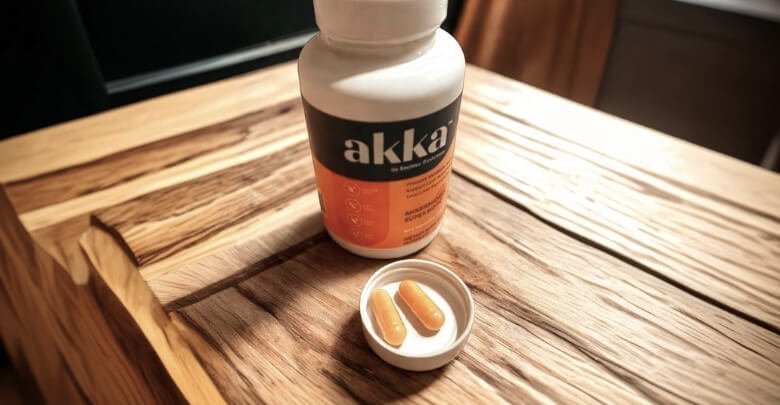
Follow the label on the bottle you receive. If you get stomach pain, diarrhea, or pain in your upper right abdomen, stop and talk to a doctor; some Trustpilot buyers report those symptoms.
Pros & Cons
The short version, from the brand’s pages, independent research, and buyer reports:
How to Choose a Good Liver Supplement
If you’re shopping in this category, these points help separate careful brands from hype.

Published Amounts
A clear supplement facts panel lets you check each dose against research. Akka’s pages I read don’t list amounts, so ask the brand or check the label.
No Disease Claims
Claims to “heal,” “reverse,” or “cure” liver damage are red flags for any supplement. Akka’s offer page uses that language.
Evidence on the Product Itself
Studies on an ingredient don’t prove a blend works. I found no trial of Akka itself.
Quality Testing
NCCIH notes “Concerns have been raised about poor chemical and microbiological quality of milk thistle dietary supplements.” Look for third-party testing seals; Akka’s pages I read didn’t show one.
Realistic Expectations
For fatty liver, NIDDK says weight loss is the recommended treatment (more below). A supplement is, at best, a small add-on.
What Buyers Report About Akka
This section relies on what buyers say on Trustpilot and the brand’s own pages.
Digestive Effects
Janet Hedlund wrote on Trustpilot in October 2026, “I gained 2 lbs and got horrible diarrhea” and didn’t notice other changes. Another reviewer, listed as MD, described stomach discomfort.
Energy and Weight
The offer page promises weight loss; buyers disagree. jsbegnaud wrote in September 2026, “I spent over $200, took supplements for 3 months and experienced NO CHANGE whatsoever.”
Abdominal Pain
Molly Midgett wrote in October 2026 of “horrible pain in my right upper abdomen, hoping it has not damaged my liver.” My advice: pain in the upper right abdomen is a reason to stop and see a doctor.
Orders and Refunds
Helena Ivanda wrote that she “never received orders nor the refund of the funds that I paid.” The company replied on Trustpilot that it couldn’t find her order.
Positive Reports
About a quarter of Trustpilot ratings are four or five stars, and the offer page shows testimonials. Those are the brand’s picks.
Side Effects to Watch
From NCCIH: milk thistle’s most common side effects are “bloating, nausea, and gas.” From buyers: diarrhea, stomach pain, and in one report, leg and back pain. None of these is proven to be caused by Akka, but they’re worth knowing.
Where to Buy Akka
My links go to the Akka offer page on dailywellnesscare.com. The brand also sells it at tryakka.com.

Price and Value Breakdown
On November 8, 2026, the offer page listed:
| Package | Price | Offer page “retail” price | Per bottle |
| 1 bottle (30-day supply) | $59 plus $4.95 shipping | $99 | $59 |
| 3 bottles (90-day supply) | $147, free shipping | $297 | $49 |
| 6 bottles (180-day supply) | $234, free shipping | $594 | $39 |
One mismatch: the page’s text says “when you choose our 6-bottle supply today, you’ll pay just $49 a bottle,” while its own price table shows $39 a bottle for six. Check the cart total before paying.
The offer page also pushes the six-bottle pack with a warning that “without continued support, your liver can quickly revert to its previous state.” I’d ignore that pressure. Buy one bottle first, and only continue if your doctor agrees and you see a reason to.
What Trustpilot Shows
The quote below is from Trustpilot.
The tryakka.com Trustpilot page, checked November 8, 2026, shows a TrustScore of 2.4 from 62 reviews: 19% five stars, 21% three stars, and 49% one star. The profile is claimed, and the company replied to almost all negative reviews.
In the company’s favor: the company replies quickly; its replies point buyers to hello@tryakka.com for refunds.
One buyer’s plan: a reviewer listed as MD wrote in October 2026, after stomach discomfort, “but I am going to apply for a refund,” which is a reminder to use the guarantee if it doesn’t suit you.
The complaints worth reading: the stomach, weight, and refund reports quoted in the section above.
Refund Policy
The offer page promises a “90-day transformation guarantee” and says “Simply give us a call within the next 90 days, and we will refund every penny you paid today. No questions asked.”
The brand’s refund policy says it offers “a 90-day money back guarantee for our supplement products,” refunds the purchase price “excluding shipping and handling fees,” and “If 90 days have passed since your purchase, unfortunately, we are unable to offer you a refund or exchange.” The policy adds more conditions. For multi-packs, “we will only issue a refund for the first bottle and the unused/unopened bottles that you return.” Refunds are issued “excluding 10% for shipping and handling fees, if applicable,” and for US returns, “Shipping and handling fees will be deducted from the final refund amount.” It also speaks of having “used them as directed for 30 days” first. That’s a long way from “No questions asked.” Contact hello@tryakka.com and keep your order number.
How Akka Compares to Other Liver Supplements
This compares Akka with the general options, not named brands.
Single-Ingredient Milk Thistle
Plain milk thistle is widely sold on its own. NCCIH’s caution on evidence and quality applies to both.
Akkermansia-Only Supplements
Akkermansia is sold on its own by other brands. Akka adds plant extracts on top; I found no evidence the blend works better.
Doing Nothing Extra
For a healthy liver, the basics your doctor recommends cost nothing. That’s the fair baseline any supplement should be measured against.
Marketing
Where Akka differs most is the marketing: the offer page’s “heal the liver” and “Ozempic” claims are stronger than the evidence supports.
Akka Claims Vs What I Found
| Claim | What I found | Where I checked |
| “heal the liver, melt stubborn belly fat” | A disease and weight claim; the page’s own FDA disclaimer says it’s not for treating disease. | Offer page |
| “Shed up to 7-15 pounds of visceral fat” | No study of Akka shown. The Akkermansia study’s weight change wasn’t significant. | Offer page, Nature Medicine study |
| “nature’s Ozempic” | No evidence; don’t change a prescribed medicine for a supplement. | Offer page |
| Milk thistle for the liver | NCCIH: trials “conflicting or too limited.” | NCCIH |
| “No questions asked” refund | Opened multi-pack bottles beyond the first aren’t refunded, shipping and handling are deducted, and the window closes at 90 days. | Offer page, brand refund policy |
What Doctors Actually Recommend for a Fatty Liver
If your interest in Akka comes from a fatty liver diagnosis or a worry about one, the NIH’s digestive disease institute, NIDDK, has plain guidance.
It says “Doctors recommend weight loss to treat nonalcoholic fatty liver disease, or NAFLD.” It’s specific about how much: “Losing at least 3% to 5% of your body weight can reduce fat in the liver,” and “You may need to lose up to 7% to 10% of your body weight to reduce liver inflammation and fibrosis.”
On supplements, NIDDK is cautious: “For safety reasons, talk with your doctor before using dietary supplements,” and “Some herbal remedies can actually damage your liver.”
That’s the opposite of the offer page’s tone. A liver supplement isn’t automatically gentle on the liver, especially if you already have liver test results that are off.
Questions to Ask Before You Buy Any Liver Supplement
Whether it’s Akka or another brand, these questions help:
- What’s the exact amount of each ingredient, and how does it compare with the research doses?
- Has the finished product, not just its ingredients, been tested in people?
- Is there a third-party quality seal on the bottle?
- Does the ad promise to repair your liver, reverse damage, or replace medicine? If so, that’s a warning sign.
- Does it interact with anything you already take? Ask your pharmacist.
- What exactly does the refund cover, and how long do you have?
For Akka, the pages I read answer the last question clearly and the first two not at all.
About the Free Ebooks
The offer page includes a “Liver Cleanse Protocol” guide with every order and a “Skinny Liver Cookbook” with three- and six-bottle orders, each given a $39.95 value on the page. The recipes it describes, like salmon and lean chicken, are ordinary healthy meals. The “value” figure is the brand’s own, and the guides are marketing extras. I wouldn’t let them push you toward more bottles.
Should You Try Akka?
Only after a conversation with your doctor, and with realistic expectations. The ingredients are real and studied, but the product isn’t, and the buyer reports are mixed to poor. If your goal is a healthier liver, the steps NIDDK describes, mainly gradual weight loss, have far stronger evidence than any capsule. A supplement, if you choose one, belongs on top of those steps, never in place of them.
Frequently Asked Questions
Shorter answers to common questions, from the brand’s and NIH’s pages.
How Long Does It Take to See Results With Akka?
The offer page says it “can take time, from a few weeks to several months.” No trial of Akka shows what results to expect, or when.
Can Akka Be Taken With Other Supplements or Medications?
Ask your doctor or pharmacist. NCCIH warns that “some herbs and medicines interact in harmful ways.”
Does Akka Cause Any Side Effects?
NCCIH lists bloating, nausea, and gas as milk thistle’s most common side effects, plus allergy risk for people sensitive to ragweed and related plants. Trustpilot buyers report diarrhea and stomach pain.
Is Akka Vegan or Gluten-Free?
I didn’t find that on the pages I read. Check the label or ask hello@tryakka.com.
What Makes Akka Different From Other Liver Supplements?
Its Akkermansia content. That’s also where its marketing overreaches most.
Is Akka a Scam?
It’s a real product sold by a real company, with a refund policy and support email. The problem isn’t that it doesn’t exist; it’s that the offer page promises far more than the evidence supports. Judge it as an unproven supplement, not as a liver treatment.
Does the FDA Approve Akka?
No. The FDA doesn’t approve dietary supplements before sale, and the offer page’s own disclaimer says its statements haven’t been evaluated by the FDA.
Final Verdict: Is Akka Worth Buying?
Yes, if your doctor agrees and you want to try an Akkermansia supplement with realistic expectations, starting with one bottle. I gave it 8.0 out of 10 overall for its researched ingredients, a clearly shown FDA disclaimer, and a 90-day refund window. It isn’t higher because the offer page’s health claims go far past the evidence, ingredient amounts aren’t published, and Trustpilot buyers report stomach problems and no results. Keep your receipt and stop if you have stomach pain or other symptoms.


