
Have you ever felt that dull ache or heavy tension in your legs after a long day and wondered if there’s an easier way to find relief? Many people now turn to leg massagers as a convenient at-home solution for tired muscles and daily strain. The growing curiosity around comfort devices has made this question quite common among users.
So, does a leg massager really relieve pain? Yes, it can help ease soreness, improve blood circulation, and reduce stiffness when used regularly. By applying gentle pressure and rhythmic motion, leg massagers support muscle recovery and make your legs feel lighter and more relaxed after every session.
Whether you’re on your feet all day, working long hours, or simply looking for better relaxation, leg massagers can bring noticeable comfort to your routine. Keep reading to discover how they actually work and what kind of results you can expect over time.
Does a Leg Massager Really Relieve Pain?
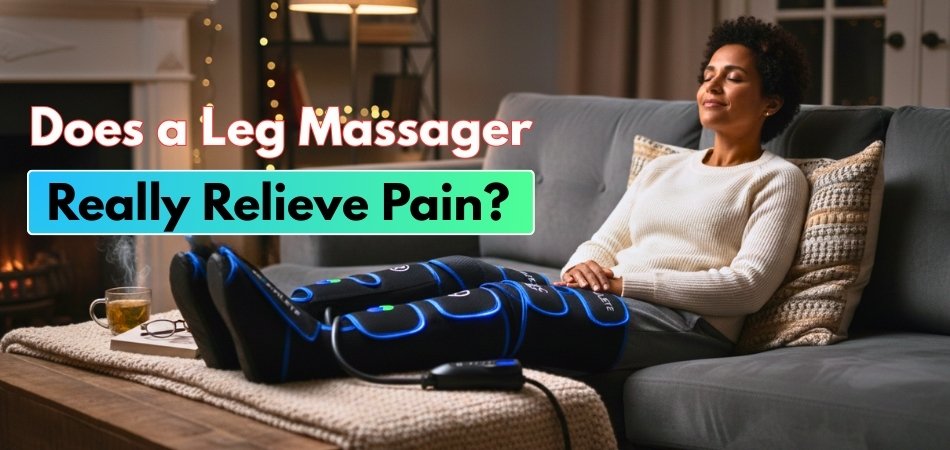
Leg massagers are now seen as effective home solutions for easing soreness, swelling, and tension. Yes, a leg massager can relieve pain by improving circulation, loosening tight muscles, and promoting recovery. These devices use proven compression therapy to help your legs feel lighter and more relaxed. Here’s what actually happens inside your legs during a massage.
Massage Boosts Circulation
Rhythmic air compression pushes blood upward toward the heart, improving oxygen flow and nutrient delivery. It prevents fluid buildup and heaviness that cause daily discomfort. Devices like the Air-C compression massager use medical-grade techniques that mimic muscle contractions to maintain healthy blood flow and ease pressure in tired legs, making movement more comfortable.
Lactic Acid Buildup Is Reduced
Soreness after long hours or workouts often comes from trapped lactic acid. Massage motions help clear these waste substances while restoring healthy oxygen levels in muscle tissue. This reduces stiffness, enhances comfort, and restores flexibility, leaving your legs feeling refreshed and ready for daily activities or recovery after exercise.
Muscle Tension Is Released
Tight muscle fibers often restrict motion and create pressure points. Gentle compression relaxes these fibers, improves elasticity, and allows blood to move freely through muscle tissue. The rhythmic squeeze-and-release motion soothes tension, helping your legs feel less heavy while promoting a deep sense of relaxation and calm.
Heat and Pressure Support Recovery
Combining warmth with steady compression helps muscles recover faster and reduces inflammation. The heat relaxes the tissues while air pressure keeps circulation consistent, minimizing soreness and swelling. Together, they create a gentle yet effective recovery process that promotes flexibility and lasting comfort after physical strain or long-standing hours.
Nerve Comfort and Sensitivity Improve
Consistent compression encourages gentle nerve stimulation that improves sensitivity and comfort. It can reduce mild tingling, numbness, or fatigue in the lower legs caused by poor circulation. Over time, the steady rhythm of air pressure helps nerves respond more effectively, giving a balanced, lighter feeling with each use.
Swelling and Fluid Retention Are Minimized
Massage therapy activates lymphatic drainage, helping the body naturally eliminate trapped fluids. This reduces puffiness and heaviness, especially around the ankles and calves. Regular use of a leg massager promotes smoother circulation and prevents fluid buildup, resulting in legs that feel lighter, healthier, and more mobile throughout the day.
A leg massager works through simple but powerful mechanisms: improving blood flow, easing tension, and supporting natural recovery. Consistent use of modern compression systems like the Air-C Compression Massager can bring long-term comfort, making every step feel lighter and more effortless.
What’s the Real Cause Behind Leg Pain?
Leg pain can develop from many everyday habits or underlying conditions that often go unnoticed. Understanding what triggers it helps you manage discomfort more effectively. Let’s look at the common reasons your legs may ache and how each can affect daily movement.
Muscle Fatigue From Overuse
When muscles are overworked during exercise or long work hours, microscopic tears and lactic acid buildup can cause soreness. This type of fatigue usually improves with rest, stretching, or massage, but repeated strain without recovery may lead to chronic stiffness and reduced flexibility in the legs.
Poor Blood Circulation
Insufficient blood flow prevents muscles and tissues from receiving enough oxygen. This can make your legs feel heavy, cold, or swollen. Poor circulation often results from long periods of sitting, standing, or even dehydration, and over time, it may cause pain or numbness in the lower limbs.
Nerve Compression or Irritation
Sometimes, pain comes from pinched or irritated nerves in the lower back or legs. Conditions like sciatica or neuropathy can send shooting or burning sensations down the leg. Addressing posture, movement, and circulation can help ease this type of nerve-related discomfort.
Prolonged Sitting or Standing
Staying in one position for too long limits blood flow and strains the leg muscles. Whether you work at a desk or stand for hours, the lack of movement can cause swelling and cramps. Taking short breaks to walk or stretch helps maintain muscle balance and comfort.
Medical Conditions Like Varicose Veins
Varicose veins occur when vein walls weaken and blood pools in the legs. This causes visible swelling, throbbing, or heaviness, especially after long days. Managing weight, exercising, and elevating your legs can reduce discomfort and improve overall leg health over time.
Lifestyle and Posture Habits
Wearing high heels, sitting cross-legged, or having poor posture can all contribute to leg pain. These habits affect circulation and muscle alignment. Small daily adjustments, such as proper footwear or regular stretching, can make a big difference in reducing strain and improving comfort.
Leg pain is rarely caused by one single issue. It often develops from a mix of physical strain, circulation problems, and lifestyle habits. Recognizing these underlying factors allows you to take practical steps toward reducing pain, improving mobility, and maintaining healthier legs in the long run.
How Different Types of Leg Massagers Work?
Leg massagers use different techniques to ease tension, improve circulation, and reduce discomfort. Each type uniquely targets the muscles, offering relief suited for specific needs. Let’s explore how these technologies work to help you find the most suitable one for your leg pain.
Air Compression Massagers
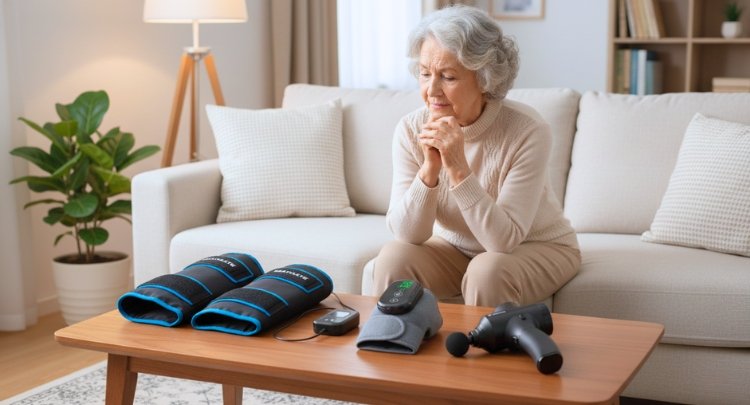
These massagers use air chambers that inflate and deflate in rhythm to apply gentle pressure along your legs. The compression helps improve blood flow, reduce swelling, and relieve fatigue. Some users also report neuropathy relief with leg massagers, especially when using air compression types that gently improve nerve function and circulation.
Vibration Massagers
Vibration models deliver rapid pulses that relax tight muscles and stimulate blood flow. They are ideal for quick recovery after workouts or long-standing hours. By sending small waves of motion through the muscles, vibration massagers help reduce soreness and leave the legs feeling light and energized.
Heating Massagers
Heating massagers use warmth to relax muscles, ease stiffness, and improve circulation. The heat expands blood vessels, increasing oxygen supply and helping with faster recovery. They are best for soothing chronic tension or discomfort caused by cold environments or limited movement during the day.
Rolling Massagers
Rolling massagers mimic the kneading motion of a traditional massage therapist. They use rollers or nodes to target deep muscle layers, breaking down knots and tightness. This type is perfect for muscle recovery and stress relief, particularly for athletes or people with frequent leg strain.
Electric Calf Massagers
Electric calf massagers combine vibration, heat, and air compression to deliver an all-in-one experience. They focus on the calves, where tension often builds up first. This design makes them suitable for everyday use, helping with circulation and providing gentle, consistent relief from lower-leg fatigue.
Each type of leg massager has a specific role in managing discomfort. Air compression is effective for circulation and nerve support, while rolling and heat types target muscle stiffness. Choosing based on your pain level ensures the best comfort, whether it’s mild soreness or long-term relief.
Key Benefits You May Notice After Regular Use
Using a leg massager regularly can bring visible and lasting improvements to comfort and mobility. The leg massager health benefits go beyond relaxation, helping with circulation, flexibility, and recovery for both active users and older adults. Let’s look at the key advantages you can expect over time.
- Reduced Muscle Soreness: Consistent massage sessions help loosen tight muscles, reducing post-activity soreness and stiffness. This allows your legs to recover faster and feel refreshed after exercise or long working hours.
- Improved Blood Circulation: Gentle compression and rhythmic motion boost oxygen flow, reducing heaviness and fatigue. Better circulation supports faster healing, preventing swelling and discomfort caused by sitting or standing too long.
- Deep Relaxation and Stress Relief: The soothing pressure calms the muscles and nervous system, creating a relaxed state. It helps reduce daily tension, promotes better sleep, and restores a balanced feeling of comfort in the legs.
- Faster Recovery After Workouts: Athletes benefit from improved blood flow and reduced lactic acid buildup. Using a leg massager post-exercise helps muscles bounce back quicker, preventing stiffness and supporting consistent training performance.
- Reduced Swelling and Fluid Retention: Compression therapy encourages the lymphatic system to drain excess fluid. Regular use lessens puffiness around the ankles and calves, leaving your legs feeling lighter and more mobile throughout the day.
Regular use of a quality leg massager helps your body stay active and pain-free. Whether you’re recovering after workouts or simply seeking everyday comfort, these consistent benefits can make your legs feel stronger, healthier, and more energized over time.
When a Leg Massager Might Not Be the Right Option?
While leg massagers offer great comfort and relief, they may not be suitable for everyone. Understanding when to avoid or delay their use helps prevent unnecessary risks and ensures safe results. Let’s look at some situations where extra care or medical advice is important.
Deep Vein Thrombosis (DVT) or Blood Clots
People with DVT or clotting disorders should avoid using leg massagers without medical approval. The pressure from the massage could dislodge a clot, leading to serious complications. Always consult your doctor before starting compression therapy if you have a history of blood clots.
Severe Varicose Veins or Venous Disorders
Those with severe varicose veins or weakened vein walls may experience irritation or pain with compression. Gentle circulation support can be beneficial, but only under medical supervision. Incorrect pressure levels could strain the veins and increase discomfort instead of providing relief.
Open Wounds, Skin Infections, or Irritation
If you have cuts, bruises, rashes, or infections on your legs, avoid using a massager until they heal. The movement and pressure can worsen skin irritation or delay recovery. Keeping your legs clean and free of wounds ensures safe and effective use later.
Chronic Pain or Nerve Conditions
Individuals with chronic pain, neuropathy, or nerve sensitivity should use massagers carefully. While mild compression may help, excessive intensity could trigger discomfort. Consulting a physiotherapist ensures you choose a setting or model that aligns with your body’s specific condition and tolerance.
Post-Surgery Recovery or Medical Implants
After surgery, your body is in a delicate state of healing. Using a leg massager too soon can interfere with recovery or irritate surgical areas. People with implants or prosthetics should also check with their healthcare provider before applying pressure-based therapy.
Leg massagers are helpful tools, but safety should always come first. Taking professional guidance ensures that therapy works in your favor without causing harm. If you have existing health conditions or concerns, seek medical advice before beginning regular massage sessions.
Realistic Expectations: What Relief Feels Like Over Time?
Using a leg massager delivers results gradually through consistent care and proper technique. Relief builds with routine use as your circulation improves and muscles loosen. Let’s understand what to expect at each stage to stay motivated throughout your comfort and recovery journey.
Early Relief Within the First Week
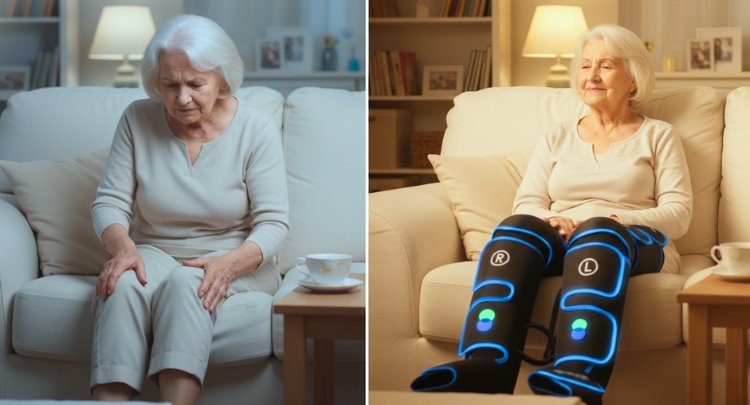
During the first few sessions, most users feel a sense of lightness in the legs and less tension in the calves. The compression promotes immediate circulation, easing fatigue and swelling. It’s a refreshing start that shows your body’s positive response to regular massage therapy.
Noticeable Comfort After Two Weeks
With daily or alternate-day use, soreness and heaviness begin to fade more consistently. Muscles adapt to the pressure, and flexibility improves. This stage often brings visible results, such as reduced puffiness and smoother movement, signaling better oxygen flow and overall leg wellness.
Deeper Recovery With Continued Use
After a few weeks, regular massage sessions help your muscles stay relaxed and strong. Persistent stiffness or morning tightness decreases, and your legs start to feel naturally energized. Continued use also supports lasting relief, making walking, standing, or exercising more comfortable.
Long-term Wellness Benefits
With steady commitment, the benefits extend beyond short-term relaxation. Consistent massage enhances circulation, reduces recurring fatigue, and supports healthy leg function. Over time, it becomes part of a balanced self-care routine that helps maintain comfort, strength, and mobility at every age.
Relief from leg massagers grows stronger with patience and consistency. Lasting comfort comes from pairing regular sessions with simple habits like stretching, hydration, and rest. Treat your legs with care, and they’ll reward you with long-lasting strength and freedom of movement.
Frequently Asked Questions
Before getting a leg massager or starting regular sessions, many people have a few lingering questions about how it fits into their daily comfort routine. Here are some common and practical questions that can help you make an informed and confident choice.
Can I Use a Leg Massager Every Day?
Yes, you can safely use a leg massager daily if you keep the sessions moderate. Most people prefer using it once or twice a day for 15 to 20 minutes. Consistency matters more than duration for seeing real comfort and recovery benefits.
Are Leg Massagers Good for Older Adults?
Absolutely. Leg massagers are very helpful for older adults who often face circulation problems or muscle stiffness. Gentle compression helps ease heaviness, reduce swelling, and improve blood flow, making everyday movement easier and more comfortable over time.
Can I Use a Leg Massager After Exercise?
Yes, using a leg massager after workouts is one of the best ways to recover faster. It helps flush out lactic acid, reduces soreness, and prevents tightness from intense activity, allowing muscles to relax and regain strength more quickly.
How Long Should Each Massage Session Last?
Most leg massagers work best when used for 15 to 30 minutes per session. That’s enough time to improve circulation and ease tension without overdoing it. Following the manufacturer’s recommended duration ensures the best comfort and safe results.
Do Leg Massagers Help With Sleep?
Yes, many users notice improved sleep after regular use. The massage relaxes the muscles, relieves restlessness, and calms the body, making it easier to fall asleep. Using it before bedtime can become a soothing part of your nightly routine.
Can I Use a Leg Massager While Sitting or Watching TV?
Definitely. Leg massagers are designed for convenience and comfort, so you can use them while relaxing at home. Whether you’re reading, watching TV, or resting, they work quietly in the background to ease tension and improve circulation.
What Should I Do If I Feel Discomfort During Use?
If you feel pain or unusual pressure, pause the session immediately and check the settings. Sometimes, reducing intensity or repositioning the wraps can solve the problem. If discomfort continues, it’s best to consult a doctor before resuming use.
Concluding Words
Finding relief from leg pain often starts with understanding what your body truly needs. Many people ask, does a leg massager really relieve pain, and the answer is yes, especially when used consistently and correctly. These devices encourage better blood flow, muscle relaxation, and long-term comfort.
While the results may vary from person to person, most users notice a gradual sense of lightness and flexibility within the first few weeks. The soothing combination of pressure and movement can ease daily discomfort and improve your overall well-being.
If you’re searching for a natural, effortless way to relax your legs and relieve stress, a leg massager can be a reliable companion in your self-care routine. With regular use, it helps restore comfort, mobility, and confidence in every step.


