
If you often struggle with tingling, heavy, or swollen legs, you’re not alone. Many people with nerve-related discomfort search for natural ways to find relief without relying on medication. One question that often comes up is, do air compression leg massagers work for neuropathy?
These modern devices are designed to improve blood flow and soothe tired muscles through rhythmic air pressure. For those managing neuropathy, they can offer gentle relief by relaxing tight tissues and reducing swelling that worsens nerve discomfort. The results may vary, but many users experience lighter legs and better circulation with consistent use.
If you’re curious about how these devices truly help and what to expect, continue reading. This guide explains their benefits, safety, and realistic outcomes so you can decide if they’re right for you.
Do Air Compression Leg Massagers Work for Neuropathy?
People living with neuropathy often experience heavy, swollen, or tingling legs that make daily activities uncomfortable. Air compression leg massagers can help by improving circulation and easing tension through rhythmic air pressure. Here’s how they work to provide noticeable comfort and support for nerve and muscle health.
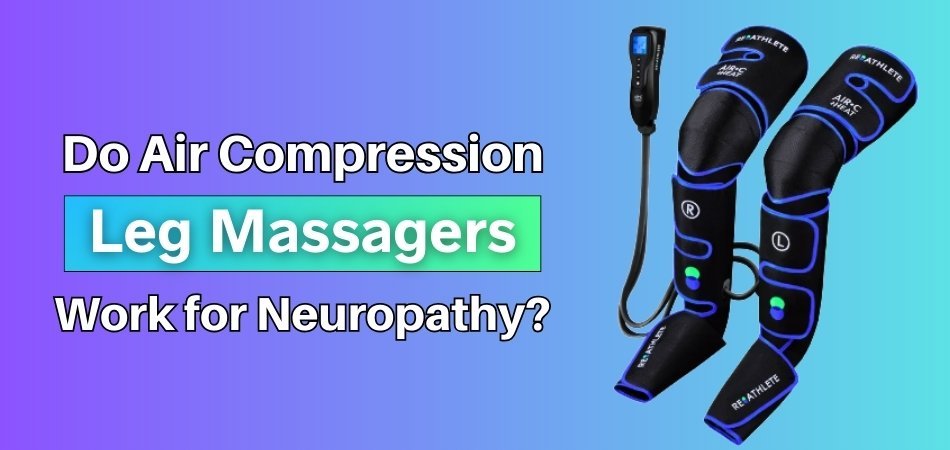
Improves Blood Circulation in Legs and Feet
Poor circulation is a common issue for people with neuropathy. Air compression leg massagers apply controlled pressure that mimics the natural pumping motion of muscles. This action helps blood move upward from the feet toward the heart, reducing fluid buildup and restoring warmth and energy to tired legs after each session.
Reduces Swelling and Fluid Retention
Swelling in the lower legs can worsen nerve discomfort and stiffness. By gently compressing and releasing different zones, air massagers help drain excess fluid that causes heaviness. The Air-C compression massager, for instance, uses precise air chambers to maintain steady pressure, offering relief that feels natural and long-lasting.
Relieves Nerve Pressure and Discomfort
Neuropathy often creates oversensitive nerves that cause burning, prickling, or tingling sensations. The consistent air pressure from these devices helps relax the surrounding muscles, easing strain on irritated nerves. This rhythmic compression can bring a gentle soothing effect, making it easier to move, stand, or walk without constant discomfort.
Supports Muscle Recovery and Relaxation
Legs that stay tense or inactive for long periods often develop tightness that aggravates nerve pain. Air compression massagers loosen those tight muscles by improving circulation and releasing tension. Regular use helps the legs feel lighter and more flexible, reducing fatigue while supporting smoother mobility throughout the day.
Uses Intermittent Pneumatic Compression (IPC) Method
Most air compression leg massagers rely on a medical-grade method called Intermittent Pneumatic Compression (IPC). This technique, also used in physical therapy and hospitals, enhances blood and lymph flow using gentle, rhythmic pressure. It’s a trusted, non-invasive approach for reducing swelling and improving overall leg comfort safely at home.
Overall, air compression leg massagers provide a comfortable and consistent way to ease neuropathic discomfort by improving circulation, reducing pressure, and relaxing tired muscles. With mindful, regular use, they can help restore a sense of lightness and mobility to your legs, offering a simple path toward better daily comfort.
Common Benefits Users Experience From Air Compression Massagers
Beyond improving circulation, many users notice lasting comfort and relief from consistent air compression sessions. The overall benefits of air compression leg massagers go beyond surface comfort, offering deep relaxation and better leg health. Let’s explore the real advantages most people experience after regular use.
Reduced Numbness and Tingling
Users dealing with neuropathy often describe a decrease in numbness after consistent use. The gentle compression stimulates nerve endings and restores healthy blood flow, easing the prickling sensations in the feet and calves. This improved sensitivity helps reduce discomfort during movement and brings a renewed sense of leg awareness.
Better Blood Flow and Warmth
Regular compression encourages stronger circulation, which helps deliver oxygen-rich blood to tired leg tissues. This process not only reduces coldness in the feet but also relieves fatigue caused by sitting or standing for long hours. Many users, including older adults, report warmer, lighter legs after several sessions.
Less Muscle Tension and Swelling
By activating different air chambers in sequence, these devices help drain trapped fluids and release tightness in leg muscles. This reduces swelling that often causes heaviness or stiffness in neuropathic legs. People with active or stationary lifestyles both find that the relief makes movement smoother and more effortless.
Relaxation and Improved Sleep Quality
The calming rhythm of air compression promotes both physical and mental relaxation. Using it before bed can soothe tired nerves, ease pain, and prepare the body for better rest. Many users say their legs feel refreshed the next morning, making nighttime sessions a peaceful daily ritual.
Overall, the benefits extend far beyond momentary comfort. From improved blood flow to reduced swelling and better sleep, air compression massagers support both nerve and muscle recovery. For individuals living with neuropathy or poor circulation, these steady improvements can greatly enhance everyday comfort and mobility.
Limitations You Should Know Before Using One for Neuropathy
While air compression leg massagers can bring noticeable comfort, users should be aware of their boundaries. These devices assist with circulation and swelling, but they are not designed to cure nerve-related issues. Understanding these limitations helps ensure realistic expectations and safe, effective use.
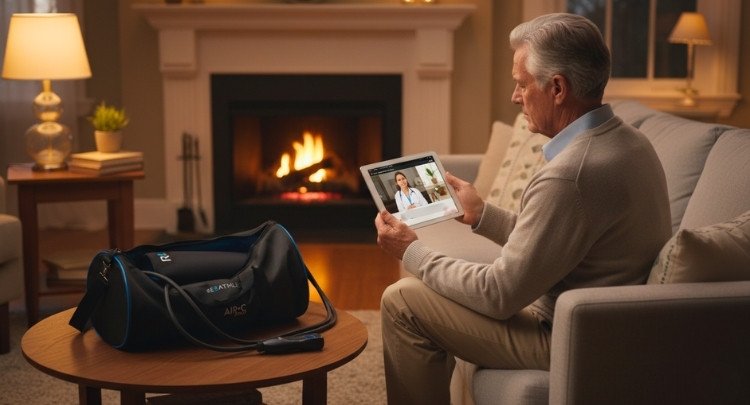
It Doesn’t Heal Damaged Nerves
Neuropathy stems from nerve damage often caused by diabetes, injury, or other chronic conditions. Air compression massagers may improve leg comfort, but they cannot regenerate or repair nerves. Their role is to manage discomfort, not reverse the underlying neurological cause.
Relief Duration Varies from Person to Person
Some users experience relief lasting for several hours, while others may notice shorter results depending on their condition. The benefit largely comes from temporary muscle relaxation and improved circulation. Continuous, mindful use may help maintain comfort, but it shouldn’t replace prescribed treatments.
Not Ideal for Severe or Unmonitored Neuropathy
For individuals with severe diabetic or peripheral neuropathy, reduced leg sensitivity can pose safety risks. Since these users may not fully feel compression intensity, prolonged use could lead to irritation or bruising. Consulting a healthcare professional before use ensures it’s appropriate and safe.
Supported for Circulation, Not Direct Nerve Repair
Clinical evidence supports air compression therapy for enhancing blood flow and easing swelling, but research does not confirm any direct nerve regeneration. Its therapeutic value lies in secondary benefits, better circulation, relaxed muscles, and reduced leg heaviness, rather than direct healing of neuropathy itself.
Air compression leg massagers can be an excellent part of a neuropathy relief plan when used responsibly and alongside medical advice. By focusing on comfort management rather than cure, users can experience real benefits while avoiding unrealistic expectations or potential misuse.
Is It Safe to Use Air Compression Leg Massagers If You Have Diabetic Neuropathy?
People with diabetic neuropathy must take special care when using air compression leg massagers. Since the condition reduces sensation in the legs and feet, improper pressure or long sessions may lead to irritation. Here are essential precautions to ensure safe and effective use.
Consult a Doctor Before Starting
Before beginning any compression therapy, those with diabetic neuropathy should speak with their healthcare provider. A doctor can assess the condition’s severity and determine if compression is appropriate. This helps prevent complications like poor wound healing or unnoticed bruising, which are common risks for people with reduced leg sensitivity.
Begin With the Lowest Pressure Level
Start on the gentlest pressure setting to test how your legs respond. Gradually increase intensity only if there is no discomfort, redness, or pain. Using moderate compression helps stimulate blood flow without straining sensitive nerves or fragile skin, especially for users managing long-term diabetes.
Monitor Skin Condition Throughout Each Session
Because diabetic neuropathy often dulls sensation, users might not immediately notice irritation or skin discoloration. Regularly check for signs of redness, swelling, or cool spots during and after sessions. If any unusual changes appear, stop use immediately and consult a medical professional for guidance.
Limit Session Length for Better Safety
It’s safer to keep each session between 15 to 20 minutes and avoid consecutive long treatments. Controlled durations allow the muscles and nerves to recover naturally without added strain. Responsible use helps maintain circulation benefits while preventing excessive compression on weakened tissues.
Consider Safety Features for Seniors and Sensitive Users
When considering leg massager use for seniors or those with diabetic neuropathy, it’s essential to choose adjustable devices with soft pressure settings and automatic shutoff for added safety. These features provide protection and comfort, making the device suitable for long-term, mindful use.
Air compression leg massagers can be safe and beneficial for diabetic neuropathy when used under medical guidance and with proper caution. By monitoring pressure levels, session time, and skin condition, users can enjoy therapeutic comfort while protecting their legs from unwanted strain or injury.
Practical Tips to Get the Best Results From Your Leg Massager
Using your air compression leg massager the right way can make every session more effective and comfortable. These small daily habits ensure safe use and better relief from neuropathic discomfort. Follow these tips to improve your experience and leg health naturally.
- Use It Consistently: Regular 15 to 20-minute sessions help maintain better circulation and relaxation. Consistency is more effective than long, infrequent sessions, especially for those managing neuropathic pain or chronic swelling.
- Prepare Your Legs Properly: Make sure your legs are clean and completely dry before putting on the cuffs. This prevents moisture buildup and allows the compression wraps to fit snugly and work evenly.
- Combine with Gentle Movement: Pair each session with light stretching or brief walks to improve circulation. Elevating your legs for a few minutes afterward can also help reduce swelling and increase relaxation.
- Avoid Use Right After Meals: Give your body time to digest before using the device. Post-meal sessions may cause mild discomfort due to pressure changes, especially for users with sensitive nerves or circulation issues.
- Clean and Inspect Regularly: Wipe down the cuffs and controller with a soft, damp cloth after each use. Check cords and connectors occasionally to ensure proper function and prevent unexpected interruptions during sessions.
Small routines can make a big difference in how well your legs feel each day. With consistent, mindful use and basic care, your leg massager can remain a safe, reliable companion for comfort and improved mobility.
When to Avoid or Stop Using an Air Compression Device?
While air compression leg massagers are generally safe, there are certain conditions where extra caution is needed. Recognizing early warning signs helps prevent complications and ensures your sessions remain beneficial. Below are situations when you should pause use and seek medical guidance.
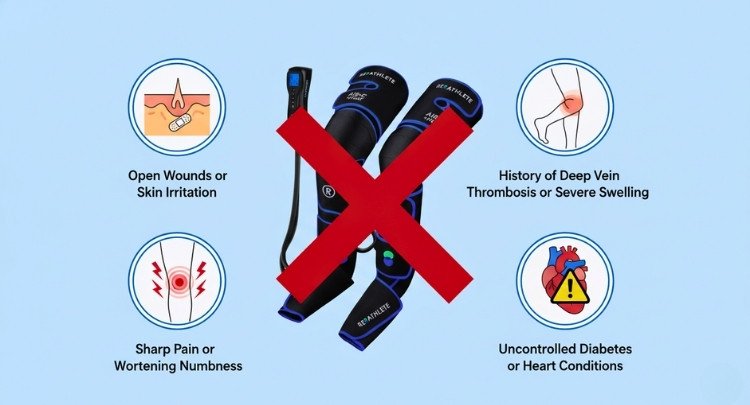
Presence of Open Wounds or Skin Irritation
Avoid using compression on areas with open wounds, rashes, or ulcers. The pressure can worsen irritation and slow healing. Wait until the skin fully recovers before resuming use, and keep legs clean to prevent infection or additional discomfort during future sessions.
History of Deep Vein Thrombosis or Severe Swelling
People with a history of blood clots or active deep vein thrombosis should not use compression devices without medical approval. Intense pressure could dislodge a clot or worsen circulation issues. Always consult a doctor before starting or restarting therapy in such cases.
Sharp Pain or Worsening Numbness After Sessions
If pain, numbness, or tingling becomes stronger after using the massager, stop immediately. These may indicate overstimulation or excessive pressure. Adjusting the intensity might help, but it’s best to have a healthcare professional check for underlying complications first.
Uncontrolled Diabetes or Heart Conditions
Those managing uncontrolled diabetes or heart-related issues must use extra caution. Fluctuating blood flow or unnoticed injuries may lead to complications. Medical supervision ensures the compression level remains safe and appropriate for the individual’s overall health condition.
Listening to your body is the safest approach when using air compression therapy. If any discomfort, swelling, or unusual symptoms appear, stop and seek professional advice. Responsible use helps maintain long-term comfort and ensures your leg health stays protected.
Frequently Asked Questions
Air compression leg massagers often raise a few questions, especially for new users who want to make the most out of their device. Here are some of the most common queries people ask after learning about how these massagers work for neuropathy and leg comfort.
Can Air Compression Leg Massagers Help After Exercise or Long Work Hours?
Yes, they can be very effective after long hours of standing, walking, or workouts. The compression helps relax tight muscles and reduce fatigue. It improves blood flow, allowing your legs to recover faster and feel refreshed at the end of the day.
Are Air Compression Leg Massagers Safe for Daily Use?
They are generally safe for daily use if you follow recommended session times and monitor pressure levels. Most people benefit from one or two sessions per day. Always start gently and check how your legs respond before increasing frequency.
Can I Use a Leg Massager While Sitting at My Desk?
Yes, using a leg massager while sitting is completely fine, especially during long work sessions. It helps prevent stiffness and poor circulation caused by sitting too long. Just make sure the cords are secured and your legs have enough room for movement.
Do Air Compression Leg Massagers Make Noise During Operation?
Most modern leg massagers operate quietly, producing only a soft hum during air compression. They’re suitable for use while watching TV, reading, or relaxing. If a device is unusually loud, it may need cleaning or a quick technical check.
Can I Combine Heat Therapy With Compression for Better Results?
Yes, combining mild heat with air compression can enhance relaxation and blood flow. Many advanced models, like the Air-C compression massager, include optional heat settings. Always use low or medium temperatures to prevent irritation or burns on sensitive skin.
What Is the Best Time of Day to Use a Leg Massager?
The ideal time is usually after work or before bedtime when your legs feel tired. Evening sessions help reduce swelling and promote relaxation. However, you can also use it in the morning to improve energy and circulation for the day ahead.
How Do I Know If the Pressure Level Is Right for Me?
The right pressure should feel firm yet comfortable, never painful or restrictive. Start low and adjust gradually until you find a level that feels soothing. If you experience discomfort, reduce the intensity or stop to reassess your settings.
Concluding Words
Understanding how air compression therapy works can make a real difference for people dealing with leg discomfort or neuropathy. By improving circulation and muscle flexibility, it provides a safe, drug-free way to relieve daily strain and support overall comfort.
When used correctly, these massagers can complement medical treatment and encourage better mobility. For many users, they become a helpful addition to a wellness routine, especially for managing mild pain and fatigue.
So, do air compression leg massagers work for neuropathy? The short answer is yes, but results depend on consistent use and proper settings. With care and awareness, they can be an effective tool for everyday relief and relaxation.


