
Bright, healthy teeth are often seen as a sign of confidence and good oral hygiene. Many people today are exploring new ways to care for their smile, and remineralizing gums have quickly gained attention for their potential to protect enamel and enhance brightness. These gums promise to strengthen teeth and improve overall freshness, but does remineralizing gum whiten teeth?
Yes, remineralizing gum can make teeth appear naturally whiter by restoring lost minerals like calcium and hydroxyapatite. As these minerals fill tiny pores in the enamel, the surface becomes smoother and more reflective. This helps teeth look cleaner and brighter without using chemical whiteners or abrasive treatments that can cause sensitivity.
This guide explores how remineralization contributes to a brighter smile, what kind of results to expect, and how to get the best effect from regular use. By the end, you’ll have a clear understanding of how this simple chewing habit can improve both enamel strength and natural shine.
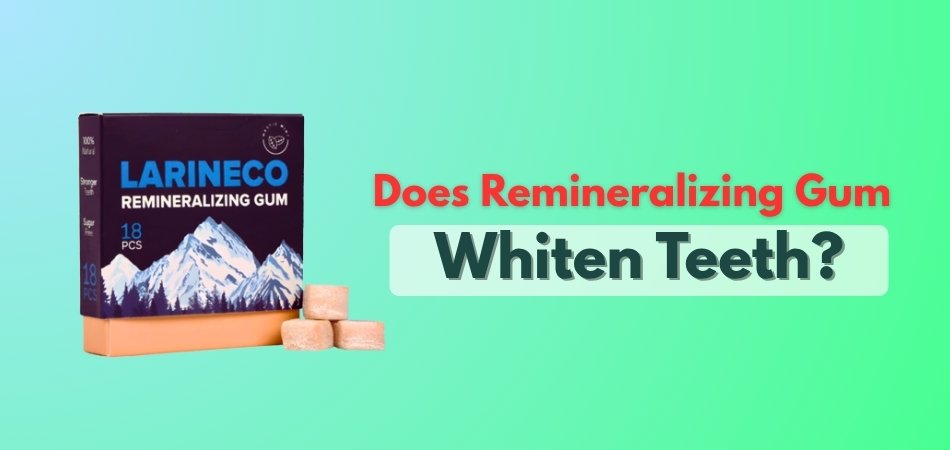
Does Remineralizing Gum Whiten Teeth?
Yes, remineralizing gum can help teeth appear whiter, though it doesn’t bleach enamel the way whitening strips or gels do. Its brightening effect comes from strengthening and smoothing the enamel surface. As minerals restore the tooth’s outer layer, light reflects more evenly, giving teeth a naturally polished look. Here’s how the process creates visible improvement over time.
Restores Enamel Smoothness
When enamel becomes rough or porous, it scatters light unevenly, making teeth look dull. Remineralizing gum helps fill these micro-pores with minerals, smoothing the surface layer. Over time, this polished enamel reflects light better, creating a naturally brighter appearance that looks clean and healthy rather than artificially whitened.
Fills Micro Lesions with Minerals
Tiny cracks and weak spots in enamel can cause discoloration. The gum’s active minerals, such as nano-hydroxyapatite and calcium phosphate, seep into these lesions, rebuilding the enamel’s structure. As the surface evens out, teeth regain their original tone and subtle shine that can be seen even without direct lighting.
Neutralizes Acidic Conditions
Acidic foods and drinks weaken enamel, making it more prone to stains. Remineralizing gum helps balance pH levels in the mouth, creating a stable environment for enamel recovery. This prevents further erosion while maintaining the natural color of teeth, allowing existing stains to fade more gradually.
Enhances Natural Light Reflection
Whiteness isn’t about color change it’s about how enamel reflects light. When the surface becomes denser and smoother through remineralization, it reflects light more evenly. As mentioned in the Larineco Review, users noticed that this natural reflection process helps teeth appear brighter over time without the harsh effects of chemical whiteners.
Prevents New Surface Stains
Regular chewing increases saliva flow, which helps wash away pigments from coffee, tea, or food. Combined with mineral protection, it prevents new stains from sticking to enamel. This simple habit keeps teeth looking cleaner and maintains their brightness without the need for frequent whitening treatments.
Maintains Healthy Enamel Tone
Healthy enamel has a naturally glossy, translucent appearance. As remineralizing gum restores mineral density, it enhances that natural tone rather than changing the color artificially. The result is a whiter look that stays consistent and balanced with your natural tooth shade.
Supports Long-Term Brightness
The whitening effect develops gradually and becomes more noticeable with consistent use. Unlike temporary whitening products, remineralizing gum supports ongoing enamel repair. Over weeks of use, users often notice a smoother texture, less discoloration, and a lasting natural glow that doesn’t fade as quickly.
Works Best with Proper Oral Care
For the best results, remineralizing gum should complement daily brushing and flossing. It protects enamel between cleanings, especially after meals or acidic drinks. Combined with good oral hygiene, it enhances both enamel strength and the overall brightness of your smile.
The Science Behind Naturally Brighter Teeth
The color of your teeth depends largely on how light interacts with your enamel. Healthy enamel acts like a clear, glossy shield that reflects light evenly, giving teeth a bright and smooth appearance. When enamel becomes rough, porous, or worn down, it scatters light irregularly, which makes teeth look darker or duller. Restoring that even surface through remineralization can make a visible difference in how bright your smile appears.
Remineralizing gums work by delivering key minerals like calcium and nano-hydroxyapatite to weakened enamel. As you chew, these minerals blend with saliva and gradually fill microscopic gaps and rough spots in the enamel. Over time, this creates a smoother, more uniform surface that reflects light better, producing a gentle, natural whitening effect without bleaching agents or abrasive chemicals.
The overall effectiveness of remineralizing gum lies in how consistently it helps rebuild and polish enamel at a microscopic level. This process enhances both appearance and strength, meaning teeth not only look brighter but also become more resilient to everyday acid wear. The result is a healthy kind of shine that reflects true enamel health rather than artificial color change.
Why It’s Different From Traditional Whitening?
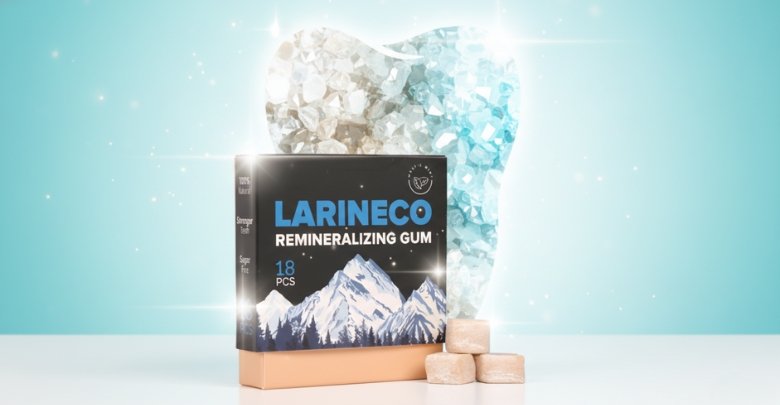
Remineralizing gums takes a more balanced approach to oral care. Instead of bleaching the enamel, they rebuild it. The result is gradual brightness that comes from restored enamel health, not chemical color change. Here’s what truly sets them apart from traditional whitening products and why users find them easier to trust.
Free From Bleaching Agents
Most whitening kits rely on peroxide or similar chemicals that can irritate gums or increase tooth sensitivity. Remineralizing gums skip those harsh ingredients entirely. They use minerals like calcium and hydroxyapatite to gently strengthen enamel and bring back its natural shine without causing dryness or discomfort.
Health-Focused Whitening Approach
Traditional whiteners often remove surface layers to lift stains, which can leave enamel weaker over time. Remineralizing gums takes the opposite route by adding minerals back in. This process restores smoothness and helps light reflect more evenly, making teeth appear naturally brighter while improving overall enamel strength.
Everyday Use Without Sensitivity
One major advantage is the comfort of daily use. Because they don’t rely on chemical oxidation, remineralizing gums can be used regularly without irritation. Dentists often highlight the safety of remineralizing gum as a key reason people with sensitive enamel prefer it over bleaching systems or whitening strips.
Gradual and Sustainable Results
The whitening process is slower but steadier. Remineralizing gums improves brightness over time as enamel becomes healthier. The results also last longer because they’re tied to the enamel’s condition, not a temporary chemical effect that fades when treatments stop.
Balances Function and Aesthetics
Instead of focusing purely on looks, these gums help maintain overall oral health. They protect enamel from acid wear, support saliva balance, and prevent new stains from settling. The outcome is a cleaner, brighter smile that feels as healthy as it looks, all without sacrificing comfort or safety.
Suitable for Long-term Routines
Unlike peroxide-based whiteners that require breaks to avoid irritation, remineralizing gums fit easily into daily life. They can be chewed after meals or coffee to protect enamel and maintain brightness. The longer you use them, the stronger and smoother your teeth become, promoting lasting shine the natural way.
Smart Habits to Get the Best Whitening Results
Getting brighter teeth with remineralizing gum is about consistency and small habits that make a big difference. With a few mindful adjustments, you can help the minerals do their job more effectively and see natural brightness sooner. Here are some simple ways to maximize your results.
- Chew After Every Meal: Make it a habit to chew your gum after eating. It helps neutralize acids and gives minerals a clean surface to bond with, improving enamel repair and brightness over time.
- Stay Hydrated: Saliva plays a major role in mineral delivery. Keep your mouth hydrated throughout the day to maintain a balanced pH and support stronger enamel formation.
- Rinse After Staining Drinks: Coffee, tea, and dark sodas can leave pigments that slow down the whitening process. Rinsing with water after drinking helps minimize stains and enhances the gum’s whitening effect.
- Be Gentle When Brushing: Use a soft toothbrush and mild toothpaste to protect and rebuild enamel. Gentle brushing allows remineralizing ingredients to settle and strengthen the enamel surface properly.
- Keep It Consistent: Whitening through remineralization takes time, so consistency matters more than speed. Chew at least once or twice a day to maintain steady mineral exposure for lasting results.
- Store Properly for Best Effect: Keep your gum sealed in a cool, dry place. Proper storage ensures the minerals stay potent and work effectively each time you chew.
What Affects How Well Remineralizing Gum Whitens Teeth?
The brightening effect of remineralizing gum can vary from person to person. While some notice results within a few weeks, others may need longer use to see visible changes. That’s because several everyday factors influence how well minerals bond with enamel and reflect light. Here are the key things that can affect your whitening results.

Consistency of Use
Remineralizing gums work best with regular use. Chewing them daily allows minerals like calcium and hydroxyapatite to continuously strengthen and smooth enamel. Skipping days or using them occasionally may delay noticeable results, as enamel needs steady exposure to build a healthy, reflective surface.
Diet and Stain Exposure
Frequent consumption of coffee, tea, red wine, or dark sauces can slow the whitening process. These foods leave pigments that cling to enamel, reducing light reflection. Pairing remineralizing gum with mindful eating habits like rinsing or brushing after such foods helps maintain its brightening effect.
Overall Oral Hygiene Routine
Using remineralizing gum alongside a good brushing and flossing routine enhances its effectiveness. Clean enamel surfaces absorb minerals more efficiently, allowing faster repair. A balanced routine not only supports whitening but also keeps teeth smoother, stronger, and more resistant to new discoloration.
Individual Enamel Condition
Everyone’s enamel is different. People with thinner or more porous enamel may take longer to see results since their teeth need more mineral reinforcement. Over time, as the enamel rebuilds, the surface becomes denser, helping light reflect more evenly and improving overall brightness.
Saliva Flow and pH Balance
Healthy saliva helps transport minerals from the gum to the enamel. A dry mouth or acidic environment can limit mineral absorption, making the process slower. Staying hydrated and maintaining a neutral oral pH ensures that minerals can bond effectively and promote a healthy, natural glow.
Storage and Product Freshness
Even the way you store remineralizing gum can impact its results. Exposure to heat or humidity can reduce mineral potency. Keeping gums sealed and stored in a cool, dry place ensures they retain their active ingredients, helping you achieve consistent and reliable whitening over time.
Frequently Asked Questions
Still curious about how remineralizing gum really works? Many users have similar questions when trying it for the first time. To help you understand its whitening potential and everyday use, here are some common questions and straightforward answers about remineralizing gums.
How Long Does It Take to See Whitening Results?
Most users notice subtle improvements within 3 to 4 weeks of consistent use. Because the process depends on enamel repair, results vary by person. Regular chewing and good oral hygiene help speed up visible brightness naturally.
Can Remineralizing Gum Replace Whitening Strips?
Not entirely. Whitening strips bleach stains quickly, while remineralizing gums restore brightness gradually through enamel repair. They can be used as a safer, long-term alternative for maintaining shine and enamel health after traditional whitening treatments.
Is It Safe to Use Every Day?
Yes, remineralizing gums are safe for daily use. They contain gentle, mineral-based ingredients that protect enamel rather than strip it. Daily chewing supports both whitening and long-term enamel strength without irritation or tooth sensitivity.
Do These Gums Work for Coffee or Tea Stains?
Yes, but results depend on consistency. Remineralizing gums can help prevent new stains from sticking to enamel and gradually reduce mild discoloration. For heavy stains, combining it with gentle brushing offers better overall results.
Are There Any Side Effects of Using Remineralizing Gum?
There are no known side effects when used properly. The gum’s ingredients are non-abrasive and safe for enamel. People with existing sensitivity often find remineralizing gums soothing since they help protect teeth against acid wear and dryness.
Can It Be Used Alongside Regular Whitening Toothpaste?
Absolutely. Using both can enhance the overall effect, as toothpaste cleans the surface while the gum restores minerals. Just make sure the toothpaste is mild and non-abrasive to avoid disrupting the enamel recovery process.
Concluding Lines
Whitening your teeth doesn’t always require harsh chemicals or expensive treatments. Remineralizing gums show that a natural, health-first approach can still deliver visible results over time. By rebuilding enamel and improving light reflection, they help restore the brightness your teeth were meant to have.
The real difference lies in consistency. Daily chewing allows minerals to do their work quietly, strengthening enamel, balancing pH, and gradually creating a smoother, shinier surface. It’s a whitening journey that feels safe, gentle, and easy to maintain for anyone focused on long-term oral health.
So, if you’ve ever wondered, “Does Remineralizing Gum Whiten Teeth?”, the answer is yes, but in the most natural way possible. It’s not about bleaching or instant transformation; it’s about letting your teeth regain their strength, glow, and confidence, one chew at a time.


