
Most of us don’t think twice about our toothbrush once it’s back in the holder, yet it plays a bigger role in our health than we realize. Bathroom environments, daily habits, and simple storage mistakes all influence how clean your toothbrush really is.
So, how long can bacteria survive on a toothbrush? Research shows bacteria can last from several hours up to a few days, depending on moisture, airflow, and where the brush is stored. This means your toothbrush can quietly hold onto germs long after you’ve finished brushing.
Understanding these details is essential because the mouth is a direct entry point for harmful microorganisms. By knowing how long bacteria stay active, you can take small but smart steps to keep your brush safer. Continue reading to discover practical tips and solutions for better toothbrush hygiene.
How Long Can Bacteria Survive on a Toothbrush?
Bacteria can remain on a toothbrush for hours, and in some cases, even days, depending on how the brush is stored. Damp bristles provide the perfect surface for germs to settle, and exposure to a bathroom environment often extends their survival time.
Understanding how long bacteria can last is important because the mouth is one of the quickest entry points for infections. Studies show that toothbrushes often carry microorganisms like E. coli and streptococcus, which can cause illness. That is why more people look into solutions like UV sanitizers, as seen in some of the recent Bril review shared by users online.
Let’s now look at the major factors that influence how long bacteria survive on toothbrushes.
Moisture Retention
Bacteria grow in dampness, and a toothbrush that stays wet after use becomes a breeding ground. The longer it remains moist, the longer bacteria can survive. Letting the brush air dry upright cuts down germ survival, making storage just as important as brushing.
Airflow and Ventilation
When airflow is limited, germs last longer. Closed containers or tightly packed holders keep bristles damp, giving bacteria more time to remain active. Placing toothbrushes in open areas with good ventilation helps them dry faster, lowering survival times.
Bathroom Environment
Bathrooms are naturally humid, and flushing spreads airborne particles. This creates a perfect setting for bacteria to land on toothbrushes and extend their life. Keeping the brush away from toilets and moisture-heavy spots helps minimize contamination risks.
Frequency of Use
Every brushing session introduces fresh bacteria. Without proper rinsing or drying, the brush becomes a continuous host. The more often it’s used without cleaning, the longer microorganisms can survive. Good storage practices help break this cycle.
Toothbrushes are not as harmless as they look. Moisture, poor airflow, and bathroom exposure all extend the lifespan of bacteria, sometimes for days. By learning how these factors work, you can create a routine that keeps your toothbrush safer. Simple steps like proper drying, open storage, and occasional sanitizing with UV solutions make a big difference for daily health.
Everyday Habits That Spread Bacteria to Your Brush
Daily routines often seem harmless, but small habits can significantly increase bacterial survival on toothbrushes. From the way you brush to where you store your brush, these practices make a difference. Let’s look at how everyday choices influence the cleanliness of your toothbrush and its exposure to harmful germs.
Brushing Right After Meals
Brushing immediately after meals often traps food acids and particles on the bristles. These residues combine with moisture, giving bacteria the perfect environment to survive longer. Waiting at least 30 minutes before brushing helps reduce this effect and allows saliva to naturally neutralize acids in the mouth.
Leaving Brushes Wet
A wet toothbrush is a breeding ground for germs. When you leave your brush damp without drying, bacteria survive much longer. Moisture trapped in the bristles allows microorganisms to multiply quickly. Shaking off excess water and storing it upright in open air prevents prolonged bacterial survival.
Storing Near Toilets
Toothbrushes placed close to toilets are at risk of contamination from airborne particles released when flushing. Even invisible droplets can settle on the bristles, carrying harmful microorganisms. Positioning your toothbrush farther away or using a protective yet ventilated cover reduces the chance of exposure to bathroom germs.
Sharing Holders or Contact
When multiple toothbrushes are stored together, bristles often touch, which leads to cross-contamination. Germs from one brush can easily spread to another, extending survival times. Separating toothbrushes and ensuring they don’t touch within holders is a simple but effective way to reduce unnecessary bacterial transfer.
Small daily habits often make a big difference in how long bacteria survive on a toothbrush. Practices like brushing right after meals, leaving brushes wet, or storing them near toilets all add risks. By adjusting these behaviors, you can cut bacterial survival time and keep your oral care much safer.
Simple Household Methods to Reduce Germ Build-Up
Keeping your toothbrush free from bacteria doesn’t always require expensive devices. Simple items already found in most households can help sanitize your brush effectively. These natural cleaning methods are easy, affordable, and safe, offering a quick way to reduce germ build-up and keep your oral care routine healthier. Below are some effective options you can try at home:

White Vinegar Soak
White vinegar is a natural disinfectant that breaks down bacteria and neutralizes odors. To use, mix equal parts vinegar and water, then soak your toothbrush for about 30 minutes. Rinse thoroughly with clean water afterward. This method is gentle on bristles while giving them strong protection against microbial growth.
Baking Soda Solution
Baking soda balances pH levels, making it harder for bacteria and fungi to survive on bristles. Dissolve one teaspoon of baking soda in half a cup of warm water and soak the toothbrush for a few minutes. Rinse after soaking. This not only reduces germs but also freshens the brush.
Hydrogen Peroxide Rinse
Hydrogen peroxide is highly effective at killing germs. Simply prepare a small cup of 3% hydrogen peroxide and dip your toothbrush head for a few minutes. Rinse thoroughly with water before using again. Regular use of this method keeps harmful bacteria at bay without damaging the toothbrush.
These household methods provide a simple yet effective way to fight bacterial build-up on toothbrushes. They also work well for toothbrush fungus removal, making your daily brushing experience cleaner and safer. Adopting these steps ensures better oral hygiene without adding extra cost to your daily routine.
Common Types of Bacteria Found on Toothbrushes
Toothbrushes can harbor a surprising variety of bacteria, many of which are linked to oral and general health concerns. While not all bacteria are dangerous, the following types are among the most commonly found and carry potential risks. Here are the main ones you should know about:
- Streptococcus: This bacterium often causes throat infections and gum irritation. When it survives on toothbrush bristles, it can re-enter the mouth, increasing the chance of recurring sore throats or gum sensitivity, especially in children or people with weaker immune systems.
- Staphylococcus: Known for causing skin and soft tissue infections, Staphylococcus may enter the body through small cuts in the mouth. On toothbrushes, it poses added risks for those with low immunity, leading to frequent oral or skin-related problems.
- E. coli: E. coli is usually connected to intestinal health, but can appear on toothbrushes due to poor bathroom hygiene. If reintroduced into the mouth, it may cause stomach upset or infection. Proper storage away from toilets reduces this risk.
- Lactobacillus: This bacterium is strongly linked to tooth decay. When food particles remain on bristles, Lactobacillus thrives and may contribute to cavity formation. Children and individuals with high sugar intake are more vulnerable to its damaging effects on dental health.
- Candida (Yeast): Candida is a fungus often found on toothbrushes. It can cause oral thrush, leaving white patches in the mouth. People with compromised immunity or those using antibiotics are especially at risk of developing this uncomfortable condition.
These microorganisms show that toothbrushes are not as clean as they appear. From Streptococcus to Candida, each brings its own health risk, particularly for children or those with weaker immunity. Taking preventive steps in storage and cleaning greatly reduces these threats.
Best Practices to Keep Your Toothbrush Clean
A toothbrush is one of the most important tools for maintaining oral hygiene, yet it often doesn’t get the care it deserves. Following simple but effective practices recommended by dentists and hygiene experts can reduce bacterial survival and keep your toothbrush safe for everyday use. The following practices will help you keep your toothbrush cleaner and more hygienic every day:
Air-dry Upright After Each Use
Dentists recommend letting your toothbrush air-dry upright in an open space. This prevents moisture from lingering in the bristles, which otherwise supports bacterial growth. Avoid laying it flat or storing it in damp containers, as this slows drying and allows germs to survive longer.
Keep Brushes Separate
When multiple toothbrushes are stored together in a single holder, bristles may touch, allowing bacteria to spread from one brush to another. Spacing brushes apart prevents cross-contamination and ensures that germs from other family members don’t end up in your mouth.
Avoid Tightly Closed Covers
Although covers seem protective, sealing a wet toothbrush in a tight case locks in moisture and reduces airflow. This environment helps bacteria survive for longer periods. If you must use a cover, make sure it is well-ventilated to allow drying.
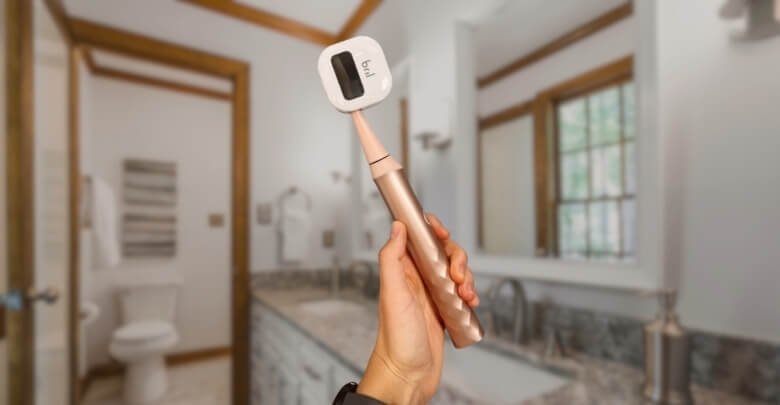
Use UV Sanitizers
Modern UV toothbrush sanitizers, such as Bril, can eliminate up to 99.9% of germs using ultraviolet light. They provide continuous protection between uses, offering peace of mind, and the Bril sanitizer cost is considered affordable for the protection it offers. These sanitizers are especially helpful for families with children or individuals concerned about frequent exposure to harmful microorganisms.
Carry Travel Cases Wisely
Traveling often exposes toothbrushes to additional contamination risks. Always use a ventilated travel case rather than sealing the brush in a plastic bag. Rinsing the brush before storing and allowing it to dry upon arrival helps reduce bacterial survival while away from home.
Practicing good toothbrush hygiene does not have to be complicated. Air-drying, spacing brushes apart, avoiding tight covers, and using modern options like UV sanitizers or ventilated travel cases all make a big difference. By combining these small efforts, you ensure your toothbrush remains cleaner, safer, and more effective in maintaining oral health.
When and How Often to Replace Your Toothbrush?
Even with proper cleaning and storage, no toothbrush lasts forever. Over time, bristles weaken, germs build up, and cleaning efficiency drops. Following dentist guidelines on replacement ensures your brush continues to protect your teeth and gums without compromising oral hygiene.
Follow the Three-month Rule
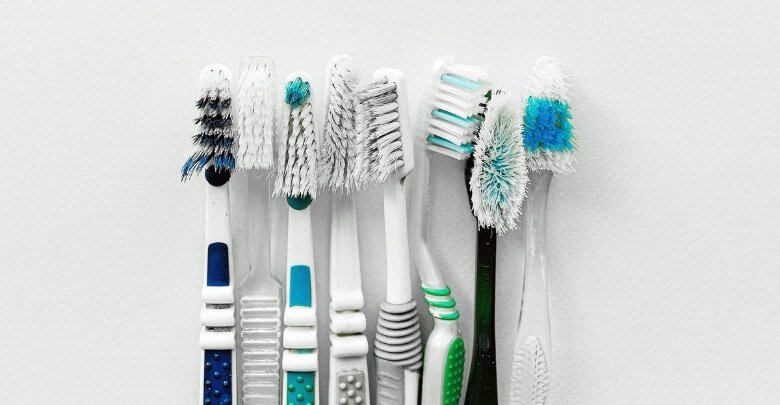
Dentists recommend replacing your toothbrush every three months. By this time, the bristles begin to lose their shape and cleaning ability. Even if the brush looks fine, it may not effectively remove plaque or food debris, reducing its overall performance.
Replace Sooner if the Bristles Fray
If your toothbrush shows frayed or bent bristles earlier than three months, it’s time for a replacement. Worn bristles not only clean poorly but may also cause gum irritation. Regular inspection helps you stay ahead of this problem and maintain effective brushing.
After an Illness or Infection
Toothbrushes can harbor germs from colds, flu, or other infections. Using the same brush afterward risks reinfection. Replacing your toothbrush after an illness is a simple precaution that ensures you start fresh and protect both oral and overall health.
Toothbrush replacement is not optional, even with the best cleaning practices. Every three months, or sooner when needed, swapping your toothbrush guarantees effective oral care. By combining regular replacement with proper storage and cleaning, you protect your smile and support long-term dental health.
Frequently Asked Questions
Toothbrush care goes beyond just cleaning and replacing it. Many people still wonder about extra steps, storage, and hygiene habits that aren’t always obvious. Here are some simple answers to common questions readers often ask.
Can Sharing a Toothbrush Once Really Cause Problems?
Yes, even sharing a toothbrush one time can spread germs and bacteria. Saliva and microscopic blood can transfer, raising the risk of infection. It’s best to always use your own toothbrush to stay safe.
Should I Rinse My Toothbrush With Hot Water?
Rinsing with hot water can remove some surface debris but won’t kill bacteria completely. It’s helpful for quick cleaning but doesn’t replace proper sanitizing. Think of it as a small step, not a full solution.
Is It Okay to Use Mouthwash to Clean My Toothbrush?
Yes, soaking your toothbrush in mouthwash can reduce bacteria because most mouthwashes contain alcohol or antibacterial agents. It’s quick, easy, and effective for short-term cleaning. Just rinse the brush well before using it again.
Can Toothbrush Storage Cups Become a Source of Germs?
Absolutely, storage cups often collect water at the bottom, creating a breeding ground for bacteria. Placing a wet toothbrush inside makes things worse. Always clean the cup regularly and keep it dry to prevent build-up.
Does Toothpaste Help Reduce Germs on Bristles?
Toothpaste contains mild antibacterial ingredients that help limit germ growth on bristles. While this offers some protection, it doesn’t keep the brush fully sanitized. Proper storage and occasional cleaning are still needed for the best results.
Is It Safe to Store a Toothbrush in the Refrigerator?
Storing toothbrushes in the refrigerator is not recommended. The cold may slow bacterial growth, but it doesn’t stop it entirely, and food contamination is possible. A dry, open-air bathroom spot is a much safer option.
Can a Dishwasher Be Used to Clean Toothbrushes?
Dishwashers can damage toothbrush bristles due to high heat and harsh detergents. While it may reduce bacteria, it shortens the life of the brush. Safer options include rinsing, soaking, or using UV sanitizers instead.
Concluding Words
Taking care of your toothbrush is just as important as brushing itself. Many people don’t realize that a damp or poorly stored brush can become a home for germs, affecting daily oral hygiene.
When asking how long can bacteria survive on a toothbrush, the answer is often longer than expected, from hours to even days. This makes it clear why proper cleaning, storage, and timely replacement matter so much for a healthy smile.
By following dentist-recommended practices and using simple solutions, you can keep your toothbrush cleaner and safer. Small changes in routine help prevent unnecessary risks and protect your overall health. Start today, and make your toothbrush care an essential part of your dental routine.


