
Travel gear prices often surprise new travelers, especially when certain items seem far more costly than expected. Many wonder what drives these differences. Understanding pricing helps travelers make smarter decisions. This article explores the factors shaping backpack cost today.
The reasons why are travel backpacks so expensive because they use premium materials, reinforced construction, advanced comfort systems, and high-quality hardware like YKK zippers. Brands also invest in research, durability testing, and warranties. Import, labor, and shipping costs further increase the price, making well-built backpacks cost more.
Keep reading to understand every factor that influences the real cost behind quality travel backpacks today. This guide will help you decide which features matter most and whether premium pricing benefits your needs. Explore the full breakdown so you can make confident, informed backpack choices before investing your travel budget.
Why are Travel Backpacks So Expensive??
Travel backpacks often look basic, yet their price tags surprise many travelers who expect something cheaper. These bags hide smart details that shape comfort, strength, and long-term value. Explore the sections below to learn what drives the cost and discover how each feature affects real travel life.

High-Grade Fabrics Increase Strength
- Good brands use thick woven fabric that resists rough edges and sharp corners. This type of cloth keeps the bag steady when heavy items shift inside.
- Tough nylon mixes stay firm through heat, rain, and long outdoor walks. These blends keep the color sharp and the body steady over many miles.
- Strong yarn and soft inner lining reduce friction between layers. This balance keeps your things safe even when you move through tight spaces.
- Extra surface coatings stop water from entering through tiny threads. These layers help the backpack stay dry during unpredictable weather changes.
Reinforced Stitching Holds Everything Together
- Makers use tight stitching to stop seams from stretching under daily travel pressure. This strong pattern keeps the outer shell from tearing when your load grows.
- Extra thread at stress points gives the bag more life during long adventures. These extra seams add stability when the frame feels full.
- Wide bar-tack areas keep straps stable while you walk through busy places. This firm work reduces sudden strain on the shoulder area.
- Clean border stitching helps the outer edges stay firm, even in crowded transport. These lines add a steady shape that feels safe during long journeys.
Advanced Comfort Systems Add Real Value
- Many bags include padded mesh that moves heat away from your back. This comfort support helps you walk longer without feeling tired.
- Adjustable shoulder frames let you shift weight based on your body shape. This custom fit keeps your posture balanced during long rides.
- Hip belts transfer weight downward so your shoulders stay relaxed. This balance makes each step smoother when the road feels rough.
- Some designs, like the Avio Apex travel backpack, add ergonomic panels that follow your movement. These shapes reduce strain when the path changes suddenly.
Durable Hardware Raises Production Costs
- Strong YKK zippers glide smoothly without catching on loose folds. These small parts keep the gear safe during fast packing moments.
- Steel or thick plastic buckles hold straps in place while you move. These pieces stop sudden openings that could drop your things.
- Inner frames use stiff metals or light composites for better structure. These materials keep the load balanced when you walk on uneven ground.
- Lockable zipper heads give travelers more peace during airport lines. These small tools help protect items from quick hands.
Long Testing and Development Add Extra Expense
- Brands test bags through heat, drops, and long load cycles to see weak spots. These trials guide better shapes for real travel life.
- Designers build many early samples before a final version appears. These steps create safer shapes and a stronger balance for heavy gear.
- Outdoor teams review each part during running, hiking, and busy city walks. This real-world review helps brands refine small parts.
- Makers keep improving fabric blends and strap forms year after year. This constant work increases cost but raises long-term value.
Shipping, Labor, and Import Fees Add to the Price
- Skilled workers build these bags by hand, resulting in higher labor costs. This careful work helps the backpack last longer through tough trips.
- Many brands ship their products across several regions before they reach stores. These routes add fees that raise final prices.
- Some materials come from distant places with limited supply. These long paths increase production time and overall cost.
- Import duties change based on country rules and add extra expenses. These added charges raise the shelf price in many markets.
Expensive vs Regular Travel Backpacks (Comparison Table)
Feature | Expensive Travel Backpacks | Regular Travel Backpacks |
| Materials | Uses thick nylon, ripstop fabric, water-resistant coating, and stronger stitching for long trips. | Uses basic polyester and lighter stitching that works for simple daily use. |
Comfort System | Includes padded mesh, adjustable frames, hip belts, and better weight balance for longer walks. | Offers simple straps with limited padding and no real support for heavy loads. |
| Hardware Quality | Uses YKK zippers, strong buckles, reinforced handles, and stable frames for better safety. | Uses generic zippers, lighter plastic buckles, and weak frames that bend easily. |
Durability & Lifespan | Lasts many years with steady shape and strength even under rough travel conditions. | Wears out faster and loses shape when used often or packed with heavy items. |
| Design & Organization | Includes smart pockets, tech areas, hidden compartments, and strong internal layouts. | Features simple pockets with basic spacing and limited protection for gadgets. |
Warranty & Support | Comes with long warranties, repair service, and helpful customer support for issues. | Offers short warranty and limited repair options when something breaks. |
| Ideal For | Frequent travelers, hikers, digital nomads, and anyone carrying heavy gear. | Casual users, students, weekend travelers, and light packers. |
Price Range | Higher cost due to materials, testing, comfort, and long-term value. | Lower cost with fewer long-term travel features. |
Premium Materials That Increase the Cost of Travel Backpacks
Premium backpack makers choose tough fabrics that shape real strength and long-lasting outdoor value. These fabrics cost more due to strict testing and detailed work. Understanding these materials helps travelers pick bags that match long trips without worrying about sudden fabric limits. Here are the factors that increase the cost of travel backpacks:
Material | Cost Range (Approx.) | Cost Impact | Properties |
| Nylon (Cordura, Ripstop) | $4 to $270 per sq ft | High | Durable, abrasion-resistant, water-resistant |
Leather | $50+ per yard | Very High | Stylish, durable, premium feel |
| Dyneema | High, varies | Very High | Ultra-light, extremely strong, water-repellent |
Polyester | $1 to $5 per yard | Low to Moderate | Affordable, less durable than nylon |
| Composite Polyester | Moderate | Moderate | Water-resistant, durable |
Cordura Nylon Strength
Cordura nylon gives strong resistance against rough ground while keeping its steady shape during long walking trips. The fabric holds firm when sharp objects move inside busy bags during crowded travel moments. Travelers learn useful travel backpack cost insights when they compare different nylon grades used in quality designs.
Ripstop Nylon Layers
Ripstop threads stop small snags from spreading across wide areas during long outdoor walks. The tight pattern adds strength without raising fabric thickness beyond comfortable daily use. Many travelers choose ripstop bags because the cloth handles unpredictable trips without losing its balanced structure.
Leather Panels and Trim
Leather sections add bold style and long wear strength during city travel and rough trips. The thick skin stays stable even when heavy items shift inside crowded spaces. Many makers use leather sparingly because each extra layer raises cost and overall weight.
Dyneema Performance Fiber
Dyneema gives uncommon power while staying much lighter than thick cloth during long-distance travel days. The thin fibers handle heavy loads without changing shape during sudden movement. Many adventure travelers trust Dyneema because the fabric supports speed and stability across mixed terrain.
Composite Fabric Blends
Composite mixes blend strong yarn with smooth coatings that improve water control during changing weather days. These layers help backpacks stay firm while reducing long-term surface wear. Travelers like composites because they handle repeated trips without losing the steady form needed for active movement.
How Design, Comfort, and Ergonomics Add to the Price?
Good backpack design shapes real comfort through balanced structure, smooth padding, and smart fit across long travel days. These features increase cost because makers test many shapes. Each design part supports steady movement without strain, which travelers need on different trips. Here’s how these factors affect the price:
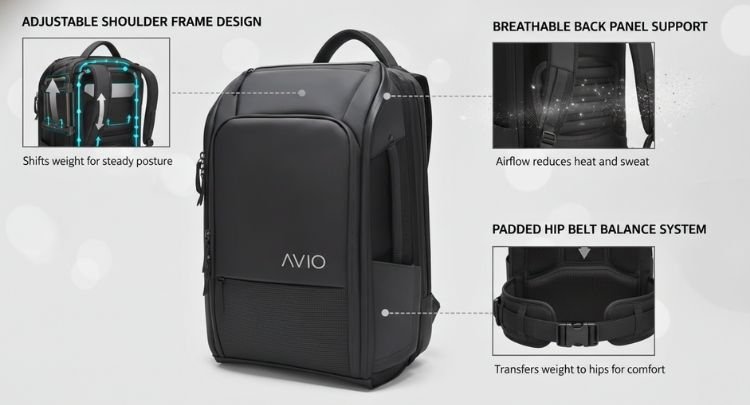
Adjustable Shoulder Frame Design
Makers use adjustable shoulder frames that shift weight across your body during long travel days comfortably. The moving frame helps your posture stay balanced even when heavy items change position during sudden movement. Many travelers choose detailed frame designs because they support steady control across different active trips.
Breathable Back Panel Support
Back panels use open mesh that moves heat away from your body during long outdoor walks. The airflow design keeps your back cooler when you carry heavy loads across crowded spaces. Many travelers enjoy this system because it supports comfort while exploring busy streets.
Padded Hip Belt Balance System
Hip belts distribute extra weight to your lower body during long walking sessions across uneven paths. The belt helps your shoulders stay relaxed even when the backpack feels heavy during long travel days. Many travelers like hip belts because they reduce strain while climbing steep areas.
Tips to Consider While Buying a Travel Backpack
Choosing a travel backpack can feel tricky when you see so many shapes and styles everywhere. You might feel unsure because different bags look similar from far away but work very differently. It helps when you slow down and check a few simple things closely. These small steps make picking the right backpack feel easier and less confusing.
Size Choice
Finding the right size matters because a bag that feels too big usually becomes uncomfortable very fast. Think about how much stuff you really need, not how much you want to pack just because space is there. Some people choose smaller bags because they move more easily through crowds and tight areas. Others pick slightly bigger ones for school trips or long weekends. Check if the backpack fits your back well and doesn’t pull your body backward. It should feel natural when you walk, turn, or lift it. A bag that fits right will always feel easier to use in daily life.
Comfort Fit
Comfort should always come first because a backpack sits on your shoulders for long hours sometimes. Look for padded shoulder straps that don’t dig into your skin when you carry heavy books or clothes. A soft back panel also helps because it stops your spine from feeling stressed. Try moving around with the bag before buying it to see if anything feels sharp or uneven. Many backpacks now include hip straps that help share the weight with your lower body, which makes walking feel lighter. When your backpack feels comfortable, you can move freely without feeling tired too quickly.
Strong Material
Good backpacks use thick and strong materials that don’t tear easily when you pack sharp or heavy items. Nylon and polyester are common choices because they are tough and feel light on your back. Some bags also come with water-resistant fabric that keeps your things dry during sudden rain. You don’t need the strongest fabric in the world, but you do need something that stays firm after many uses. Touch the cloth and check if it feels smooth, steady, and strong enough for daily carrying. A strong material helps the backpack last longer and saves you money later.
Useful Pockets
A backpack with smart pockets can make your day easier because everything stays in the right place. Look for side pockets for bottles, small pockets for pens, and a bigger space for books or clothes. Some bags have hidden pockets that keep important things safe, like your wallet or phone. Think about how you normally pack and choose a layout that matches your habits. Too many pockets can confuse you, so focus on the ones you will actually use. When your things stay organized, you spend less time digging around and more time moving easily.
Quality Check
Before buying any backpack, take a moment to check the small details because they tell you about the real quality. Pull the zipper gently to see if it moves smoothly or gets stuck halfway. Press the stitching with your finger to see if it feels tight and solid. Look at the straps and attachments to make sure they feel secure and not loose. You can also compare different bags to understand which one feels better, especially when identifying quality backpacks becomes important during quick choices. A simple quality check helps you avoid weak bags that break too early.
Easy Weight
A good backpack should feel light even before you add anything inside it. Heavy bags become uncomfortable fast, especially when you walk longer distances. Pick a backpack that feels light on your shoulders but is still strong enough for your things. Some brands use lightweight materials that don’t add extra pressure to your back. Try holding the bag high and low to see how it feels in different positions. If it feels easy to lift and carry, then it is a good sign. Light bags help you move without feeling tired quickly.
Simple Style
Style matters because you will use this backpack in many places, like school, trips, or outings. Pick a design that feels clean and easy to match with different clothes. You don’t need something too fancy, but you do want something that looks neat. Choose colors you like so you enjoy carrying the bag daily. Some designs also look modern while staying simple enough for all kinds of places. A style that feels right makes you more confident and happy while carrying your things.
Common Misconceptions About Expensive Travel Backpacks
Many people think high-priced travel backpacks work the same as regular ones, but that idea often causes confusion. These misunderstandings make buyers overlook important details that affect real comfort and long-term use. Clearing up these points helps you make smarter choices without guessing. Here are the most common myths explained simply:
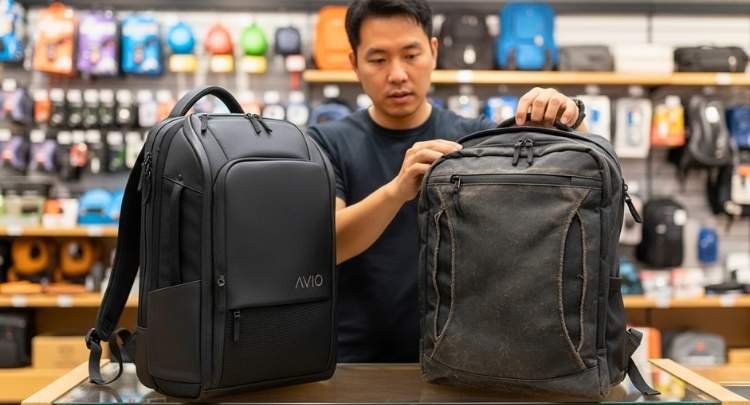
- Expensive Means Overpriced: Many people think costly travel backpacks only charge extra for the name, but strong build quality adds real value. Good backpacks also use well-designed comfort parts that make long walking days easier than cheaper bags can usually manage.
- All Backpacks Have the Same Quality: Some buyers believe low-cost backpacks match expensive ones, but weaker fabrics tear faster during daily use. Better backpacks stay steady under heavy loads and protect your things much more reliably during busy or rough travel moments.
- High Price Is Only for Style: Many shoppers think expensive backpacks focus on looks, but the real cost comes from quality testing and strong design. Extra comfort padding helps your body feel relaxed, especially when you move for long hours with many items inside.
- Premium Backpacks Are Heavy: Some people assume expensive backpacks feel heavier, but many premium options use light and tough materials for easy carrying. These materials reduce shoulder pressure and help you move comfortably even when the bag feels full.
- Expensive Bags Are Not Necessary: Many think premium bags are pointless, but people who use them often enjoy better comfort and longer durability. Strong backpacks save money over time because you don’t replace them as often as basic or weak bags.
- Advanced Features Are Just Marketing Tricks: Some believe new features don’t help, but real testing improves airflow, strength, and weight support during long use. These helpful features make everyday carrying much easier, especially when students or travelers need steady comfort.
- All Backpacks Last the Same Amount of Time: Many assume every backpack lasts equally long, but cheap bags tear or lose shape very quickly. Strong backpacks keep their form for years and offer safer storage even after constant carrying and regular outdoor use.
Frequently Asked Questions about Travel Backpack Pricing
Travelers often wonder why certain backpacks cost much more than the usual ones they see in stores. The reasons can feel confusing when many bags look similar at first glance. These FAQs clear up extra points people often miss when checking backpack prices.
Why Do Some Backpacks Cost More Because Of Their Warranty?
A long warranty increases the price because the brand covers repairs and replacements for many years. This means the company uses stronger parts that last longer without quick damage. You pay more upfront, but the long-term protection saves money later. Stronger support increases trust.
How Does Testing Affect The Price Of A Travel Backpack?
Good backpacks go through tough drop tests, pull tests, and load tests before reaching stores. These checks help the company fix weak points and improve comfort. The full testing process costs money, raising the final price. Strong testing also improves long-term safety.
Why Do Some Travel Backpacks Cost More Due To Limited Production?
Some brands make fewer backpacks each year because they focus on quality control. Small batches increase the cost of materials and skilled labor. Limited runs also raise demand, pushing prices higher. This helps maintain steady quality for every backpack sold.
How Do Extra Safety Features Increase Backpack Price?
Safety features like lockable zippers, hidden pockets, and cut-resistant layers cost more to create. These add-ons protect users during busy travel days. Stronger parts also last longer under rough use. Added safety boosts the overall value for many travelers.
Why Do Travel-Friendly Designs Raise The Price Of Some Backpacks?
Designs with easy-access pockets, smart openings, and tidy internal layouts require careful planning. Brands spend time shaping layouts that feel simple during daily use. This design work raises cost but improves how the bag feels. Better designs save time during travel.
Final Considerations
A good backpack should make travel easier, not harder, and understanding what goes into its price helps you choose wisely. Strong materials, careful stitching, smart comfort systems, and long testing all shape real value, even when the cost feels high.
Many people ask why are travel backpacks so expensive, but the answer becomes clearer when you look at the strength and comfort they offer over the years of use.
Quality designs protect your things, support your body, and survive tough trips without falling apart. Pick the backpack that fits your needs, and enjoy reliable support everywhere you go.


