
Stepping out of the shower should feel fresh and comfortable, not slippery or unpleasant. The simple answer to what to use instead of a bath mat is this: stone drying mats, wooden or bamboo slat mats, quick-dry bathroom rugs, folded towels, or even no mat at all in well-designed bathrooms. These options stay drier, cleaner, and easier to manage than traditional fabric mats.
Many people now search for what to use instead of a bath mat because regular mats stay wet, trap smells, and need frequent washing. In this guide, you will learn the most practical alternatives, how each one works in daily life, and how to choose the right option based on hygiene, safety, space, and maintenance needs.
What to Use Instead of a Bath Mat?
Instead of focusing only on materials, it makes more sense to choose bath mat alternatives based on real daily bathroom use. The right option should dry fast, stay stable, and reduce cleaning work. Below are practical alternatives that solve common bath mat problems. Continue reading to find which one fits your space best.
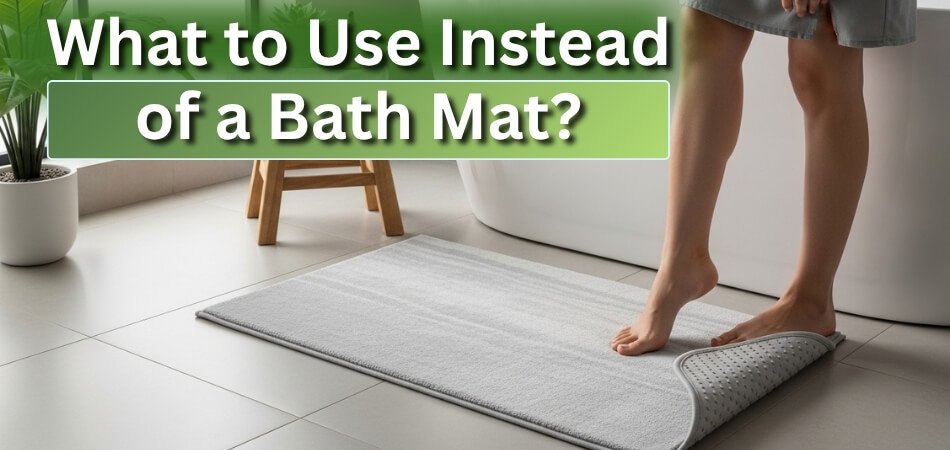
Stone Drying Mats for Fast Absorption
Stone drying mats absorb water instantly and dry within seconds after use. Made from natural diatomaceous earth, they prevent moisture buildup and keep bathroom floors dry without soaking. They feel firm and cool underfoot, making them ideal for hygiene-focused homes. Options like Mat Mend fit naturally into this category.
- No soggy feeling after use
- Does not hold odor or moisture
- Requires no washing or hanging
Wooden or Bamboo Slat Mats for Airflow
Wooden and bamboo slat mats use open spacing instead of fabric to let water drip through, and air circulate freely. This design helps them dry faster than traditional mats while offering a stable surface. They suit bathrooms with natural or spa-style layouts.
- Allows quick evaporation
- Adds a clean, natural look
- Easy to wipe and reposition
Foldable Towels or Turkish Towels for Simple Use
Some people replace bath mats with folded towels, especially Turkish towels that dry faster than thick cotton mats. This option works well in small bathrooms, guest spaces, or travel setups where flexibility matters more than long-term placement.
- Easy to store and replace
- Works well for temporary use
- Needs frequent laundering
Washable Bathroom Rugs With Quick-Dry Backing
Modern bathroom rugs with quick-dry backing provide a softer surface while drying faster than traditional fabric mats. They suit people who prefer comfort underfoot but still want better moisture control. These rugs reduce odor buildup but still require routine washing.
- Better grip than older rugs
- Faster drying than thick mats
- Still requires regular washing
No-Mat Bathroom Setups in Modern Homes
In some bathrooms, mats are not needed at all. Wet rooms and heated floors allow water to evaporate quickly without pooling. This setup works best when floors have proper texture and drainage, making it suitable mainly for modern bathroom designs.
- Minimal clutter
- Faster floor drying
- Best for modern layouts
Bath mats are no longer the only way to keep bathroom floors safe and dry. Choosing the right alternative depends on how your bathroom is used, how much maintenance you want, and how quickly moisture needs to disappear. In the next section, we will help you decide which option fits your lifestyle best.
Hygiene and Safety Comparison Over Time
Moisture control is the key factor that separates a clean bathroom floor from one that slowly becomes unhygienic. Bath mat alternatives tend to perform better because they handle water over days and weeks, not just immediately after a shower. How long moisture stays trapped directly affects odor, bacteria growth, and slip risk.
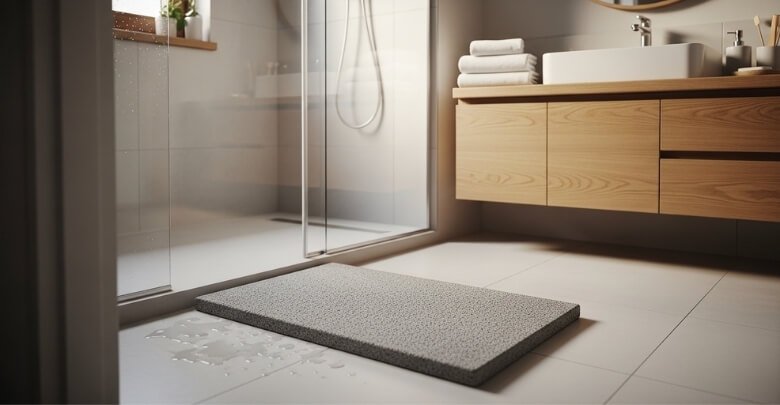
Fabric Bath Mats and Moisture Retention
Traditional fabric bath mats absorb water deep into their fibers and hold it for long periods. This trapped moisture creates an environment where odors, bacteria, and mildew can slowly develop. Many people rely on bath mat drying methods such as hanging, sun drying, or machine drying, yet moisture often remains hidden inside the fabric.
Stone Bath Mats and Quick Drying
Stone bath mats dry almost instantly after use. Water is absorbed and released back into the air within seconds, leaving no damp surface behind. Because moisture does not linger, bacteria and mold have little chance to grow. This makes stone mats a cleaner and more reliable option over time.
Wooden or Bamboo Mats and Airflow Dependence
Wooden and bamboo mats allow water to pass through slats and dry through airflow rather than absorption. They dry faster than fabric mats but still depend on good ventilation. If airflow is limited, moisture can collect underneath, which may reduce hygiene benefits over extended use.
From a long-term hygiene and safety perspective, faster drying consistently leads to cleaner floors and fewer risks. The less time water stays trapped on or inside a mat, the easier it is to maintain a fresh, slip-safe bathroom environment.
Which Bath Mat Alternative Is Right for You?
Finding the right bath mat alternative depends on how your bathroom is used every day. Space, safety, and cleaning habits all play a role in what works best. Review the options below to match your lifestyle, then continue to the next section for a deeper comparison.
Limited Bathroom Space
In smaller bathrooms, stone drying mats or foldable towels work best because they stay flat and dry quickly. They do not take up extra space or create clutter. Their fast-drying nature keeps the floor clean while helping the room feel open and easier to move around.
Households With Children
For families with children, safety and hygiene should come first. Stone mats and non-slip wooden mats provide a stable surface after baths and showers. They reduce moisture buildup that can lead to slipping or mold, making daily bathroom use safer for everyone.
Stability and Slip Prevention Needs
Seniors benefit most from firm, steady surfaces that stay in place when stepped on. Stone mats or mats with strong non-slip backing offer better balance support than thick fabric mats. Stability matters more than softness when reducing fall risk in wet areas.
Low-Effort Bathroom Routines
If you want to minimize cleaning and laundry, stone mats are the easiest option to manage. They dry quickly, stay odor-free, and never need machine washing. This makes them ideal for busy households that prefer simple solutions without ongoing upkeep.
There is no single solution that fits every home. The best bath mat alternative depends on space, safety needs, and how much effort you want to spend on maintenance. Matching the option to your daily routine helps create a cleaner and more comfortable bathroom experience.
Why Many People Are Replacing Traditional Bath Mats?
Traditional bath mats once felt like a simple solution, but daily use reveals several hidden problems over time. From hygiene issues to constant upkeep, these frustrations push people to seek better options. Read on to understand the main reasons before exploring smarter alternatives.
- Moisture Stays Trapped Too Long: Fabric bath mats absorb large amounts of water but release it very slowly. In humid bathrooms, this trapped moisture encourages mold, mildew, and bacterial growth, leading to unpleasant smells that become noticeable with repeated use.
- Maintenance Becomes a Constant Task: Many households find themselves washing floor mats in a washing machine every few days just to keep them usable. This increases laundry loads, power use, and effort, especially when the mat still feels damp after drying.
- Slip Risk Increases Over Time: As the rubber backing wears down, bath mats can slide easily on wet tiles. This creates safety concerns, particularly for children and seniors, where a small slip can turn into a serious bathroom accident.
- Bulky Mats Affect Space and Style: Thick fabric mats often feel oversized in small bathrooms and take longer to dry. They also clash with modern or minimalist designs, making the space feel cluttered rather than clean and open.
Replacing traditional bath mats is less about trends and more about daily comfort, safety, and hygiene. When moisture, maintenance, and space issues add up, switching to smarter alternatives becomes a practical step toward a cleaner and more manageable bathroom routine.
Common Mistakes People Make When Replacing a Bath Mat
Switching away from a traditional bath mat can improve hygiene and safety, but only when done correctly. Many people make small choices that create new problems instead of solving old ones. Review these common mistakes carefully before moving on to smarter selection tips.
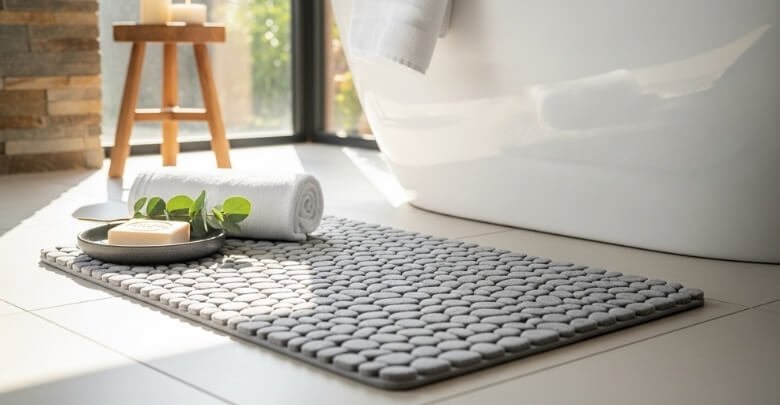
Focusing Only on Absorbency
Mistake: Many people choose an alternative based only on how much water it absorbs. This often leads to slippery surfaces that shift on wet tiles, creating safety risks even if the mat dries quickly.
Solution: Always check grip and base stability. A slightly less absorbent option with strong traction is safer and more reliable for daily bathroom use.
Ignoring Floor Type Compatibility
Mistake: Some alternatives perform well on tile floors but behave differently on vinyl or laminate. Ignoring floor type can lead to sliding, uneven contact, or trapped moisture underneath the mat.
Solution: Match the alternative to your floor surface. Look for non-slip backing or designs that stay stable on smooth or flexible flooring materials.
Assuming No Mat Is Always Safe
Mistake: Skipping a bath mat completely can seem like a clean solution, but without proper drainage or textured flooring, water can pool and increase slip risk after showers.
Solution: Only go mat-free if your bathroom dries quickly and has slip-resistant floors. Otherwise, choose a fast-drying option that still provides stability.
Overlooking Daily Maintenance Habits
Mistake: People often buy an alternative without considering how it fits their cleaning routine. Some options still need wiping, repositioning, or airflow to stay hygienic, which gets ignored over time.
Solution: Choose an option that matches your habits. Low-effort alternatives work best if you prefer minimal upkeep and consistent cleanliness.
Choosing the Wrong Size or Thickness
Mistake: Selecting a mat that is too small, too thick, or poorly proportioned can cause water to miss the surface or create tripping edges near showers and tubs.
Solution: Measure the space where water actually lands. Pick a size and thickness that covers the exit area without bunching or lifting at the edges.
Replacing a bath mat works best when safety, floor type, and daily habits are all considered together. Avoiding these common mistakes helps ensure your chosen alternative improves comfort, hygiene, and stability rather than introducing new problems into your bathroom routine.
Frequently Asked Questions
After learning about bath mat alternatives, it is natural to still have a few practical questions in mind. These are the things people usually wonder about once they start imagining real daily use. The answers below focus on comfort, care, and everyday decision-making.
Can Bath Mat Alternatives Damage Bathroom Floors Over Time?
Most alternatives are safe for bathroom floors when used correctly. Problems usually happen when moisture gets trapped underneath. Choosing fast-drying options and lifting them occasionally helps protect tiles, vinyl, and laminate surfaces. Proper airflow makes a big difference.
Do Stone or Wooden Mats Feel Uncomfortable Under Bare Feet?
At first, stone or wooden mats may feel different from soft fabric. Most people adjust quickly and even enjoy the firm, cool feel. Over time, the stable surface often feels more secure and refreshing after showers, especially in warm bathrooms.
How Long Do Bath Mat Alternatives Usually Last?
High-quality alternatives often last much longer than fabric mats. Stone and wooden mats do not rely on fibers that break down. With basic care and proper placement, they can stay functional and clean for years without losing performance.
Are Bath Mat Alternatives Safe for Daily Multiple Showers?
Yes, many alternatives are designed for frequent use. Fast-drying options handle repeated moisture without staying wet. This makes them suitable for households with multiple people showering daily, as long as the mat has time to dry between uses.
Do Bath Mat Alternatives Need Special Cleaning Products?
Most alternatives do not need special cleaners. Simple wiping or occasional rinsing is usually enough. Avoid harsh chemicals that can damage surfaces over time. Keeping cleaning simple helps maintain both performance and appearance without extra effort.
Is It Easy to Switch Back to a Regular Bath Mat Later?
Switching back is always possible if preferences change. Many people keep a fabric mat for guests or specific situations. Trying alternatives does not lock you into one choice, making it easy to adjust based on comfort and routine.
Concluding Lines
Bath mats are no longer the only solution for keeping bathroom floors dry and safe. Many modern alternatives handle moisture better, stay cleaner for longer, and reduce daily effort. When people search for what to use instead of a bath mat, they are usually looking for practical options that fit real bathroom habits.
The right choice depends on your space, safety needs, and how much maintenance you want to manage. By understanding how each option works in real life, you can choose an alternative that keeps your bathroom cleaner, safer, and easier to maintain every single day.


