
Well, it can be hygienic to wash floor mats in a washing machine when the mat is machine-safe, washed with the right settings, and dried fully afterward. Hygiene issues usually appear when mats trap moisture or are washed incorrectly, which allows bacteria and odors to return. This is why many people ask, is it hygienic to wash floor mats in a washing machine before cleaning them?
This guide explains the answer in a clear and practical way. You will learn when machine washing is safe, when it becomes unhygienic, and which mistakes reduce cleanliness. The article also covers common risks people overlook and shares better options for maintaining floor mat hygiene without unnecessary effort.
Why Do People Question the Hygiene of Washing Floor Mats?
Before choosing a cleaning method, many people hesitate because floor mat hygiene is not as simple as it seems. Daily exposure creates hidden risks that are easy to overlook at first. Understanding these concerns clearly helps prepare readers for the next discussion.
- Constant Exposure to Dirt and Moisture: Floor mats sit in high-traffic areas where wet feet, shoes, and spills are common. Bathroom, kitchen, and entryway mats absorb grime daily, making them more exposed than towels or clothing.
- Moisture Trapped Inside the Mat: Many mats are thick or rubber-backed, which slows drying. Even after washing, moisture can stay trapped inside layers, creating conditions where mold and bacteria quietly grow over time.
- Shared Washing Machine Concerns: Washing machines are used for everyday clothing and bedding. Adding heavily soiled mats raises worries about spreading dirt or bacteria, especially when residue may remain inside the drum after the cycle.
- Odors Returning After Washing: A common issue is that mats smell unpleasant again shortly after cleaning. When freshness fades quickly, it creates doubt about whether washing machines actually remove the hygiene problem completely.
These concerns explain why many households repeatedly question this cleaning method instead of trusting it blindly. When moisture retention, shared appliances, and recurring odors combine, people naturally want clearer guidance before relying on machine washing as a hygienic solution.
Is It Hygienic to Wash Floor Mats in a Washing Machine?
Washing floor mats in a washing machine sounds simple, but hygiene depends on a few critical factors that many people overlook. When these factors are handled correctly, machine washing can be safe. When ignored, it often creates lingering odor and bacterial issues. Understanding these points clearly prepares you for smarter cleaning decisions before moving ahead.
Material Type of the Floor Mat
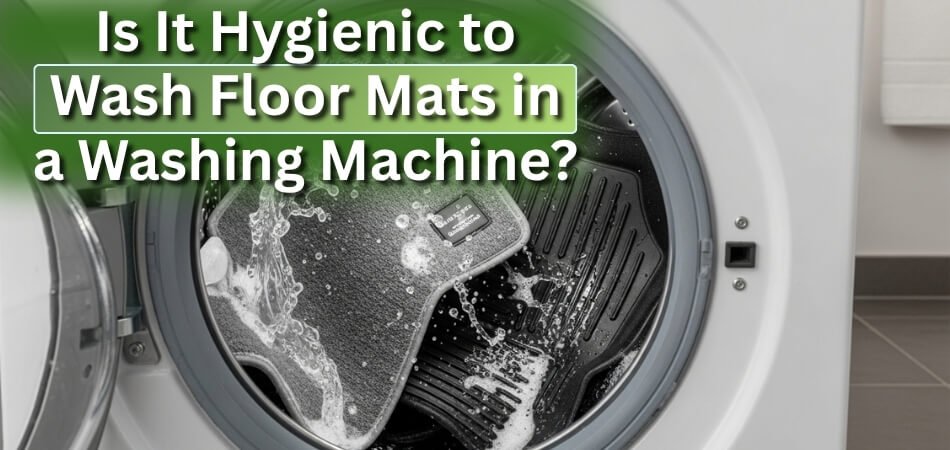
The material of a floor mat is the most important factor in determining hygiene. Cotton and microfiber mats usually wash well and release dirt easily, while rubber-backed and foam mats tend to trap moisture underneath or inside their layers, even after washing.
- Cotton and microfiber allow better water flow and rinsing
- Rubber backing may crack or peel during washing
- Foam mats hold water deep inside and dry slowly
Washing Method and Machine Load
How the mat is washed matters as much as what it is made of. Overloading the washing machine or folding the mat restricts movement, which prevents proper cleaning and rinsing. A balanced wash allows detergent and water to reach all areas evenly.
- Wash mats separately or with similar heavy items
- Avoid folding or cramming mats into the drum
- Choose cycles that allow full water circulation
Drying Time and Moisture Control
Drying is where hygiene often fails. A mat that stays damp becomes a breeding ground for bacteria, no matter how well it was washed. Thick mats dry slowly, while fast-drying surfaces reduce the chance of microbial growth. This is why alternatives like Mat Mend focus on drying instantly rather than holding moisture.
- Air drying reduces trapped moisture risk
- Low heat drying prevents backing damage
- Damp mats invite odor and bacteria to return
Water Temperature and Detergent Balance
Hot water is not always the cleanest option. Excessive heat can damage the mat backing and cause uneven drying. Using the right detergent amount is equally important, as leftover soap attracts dirt and odors that make mats feel unclean again quickly.
- Moderate temperatures clean without damaging materials
- Too much detergent leaves residue behind
- Proper rinsing removes soap and trapped debris
Washing floor mats in a washing machine can be hygienic when these factors work together instead of against each other. Ignoring material limits, drying time, or wash balance often leads to recurring hygiene problems that washing alone cannot fix.
Cleaning vs Disinfecting Confusion
Many people believe that washing automatically makes a floor mat hygienic, but that assumption often leads to disappointment. Cleaning and disinfecting serve different purposes, and confusing them causes hygiene gaps. Understanding how each works helps explain why some mats still smell or feel unclean even after a proper wash.
Cleaning vs Disinfecting at a Glance
| Aspect | Cleaning | Disinfecting |
| Main purpose | Removes visible dirt and odors | Reduces bacteria and germs |
| How it works | Uses detergent and water | Uses heat, disinfectants, or drying control |
| Visible results | Mat looks and smells cleaner | Germ levels are lowered |
| Limits | Does not stop bacteria if the moisture stays | Less effective if the mat stays damp |
| Hygiene impact | Short-term improvement | Depends heavily on drying |
Cleaning Removes What You Can See
Cleaning focuses on lifting dirt, oils, and odors from the mat surface. Detergents break down grime so it can rinse away. However, cleaning mainly improves appearance and smell. If moisture remains trapped inside the mat, bacteria can return quickly despite a fresh look.
Disinfecting Targets What You Cannot See
Disinfecting aims to reduce bacteria and germs rather than visible dirt. Heat, proper rinsing, and complete drying all play a role. Without moisture control, disinfecting efforts lose effectiveness. Germs thrive in damp environments, even after a mat appears clean.
Drying Connects Both Processes
Drying, links cleaning, and disinfecting together. A mat that dries slowly gives bacteria time to regrow. Even strong detergents cannot prevent this if moisture stays trapped. Fast and complete drying often matters more for hygiene than using stronger cleaning products.
Cleaning and disinfecting work best when combined with proper drying habits. When moisture is controlled, mats stay fresher longer, and hygiene improves naturally. Without drying, both cleaning and disinfecting fall short, no matter how carefully the mat is washed.
How to Wash Floor Mats in a Washing Machine Hygienically?
When a floor mat is labeled machine-safe, washing it the right way protects both cleanliness and hygiene. Small mistakes can undo the entire process. Follow these steps carefully to reduce risks and get better results before moving on to what often goes wrong.
Step 1: Prep the Mat Properly
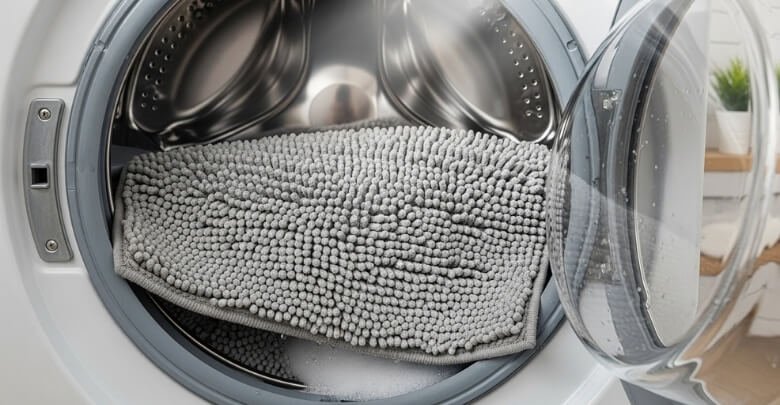
Preparation removes the debris that washing alone cannot fix. Shake the mat outdoors to release loose dirt, hair, and grit. Vacuum both sides if possible, then spot clean visible stains. This prevents heavy particles from circulating inside the washer and settling back into the mat.
Step 2: Choose the Right Settings
Select a gentle or normal cycle based on mat thickness and backing type. Avoid overloading the washer, since cramped mats do not rinse properly. Washing mats separately improves results and follows proper machine washing tips that help detergent work evenly without leaving residue behind.
Step 3: Dry Completely and Correctly
Drying determines whether washing stays hygienic. Air drying works best for thick or rubber-backed mats, while low heat is safer if using a dryer. Any lingering dampness allows bacteria to return quickly, undoing the benefits of careful washing and rinsing.
Washing floor mats hygienically depends on preparation, correct settings, and full drying rather than force or heat. When each step is handled properly, machine washing supports cleanliness instead of creating new hygiene problems that appear days later.
Can Washing Floor Mats Contaminate Your Washing Machine?
Many people worry that washing floor mats might leave dirt or bacteria behind inside the washing machine. This concern is valid but often misunderstood. Knowing when contamination happens helps prevent it and leads naturally into the next part of the discussion.
- Shedding Backing Material: Some mats release rubber or fabric backing during washing. These particles can stick inside the drum or drain area, creating buildup that affects cleanliness during future laundry cycles.
- Heavy Dirt, Mud, or Grease: Mats with thick mud or greasy residue can spread debris inside the washer if not pre-cleaned. This residue may linger and transfer onto clothing later.
- Overloading the Washing Machine: Stuffing mats into a full washer limits water flow and rinsing. Poor circulation allows dirt and detergent residue to stay behind, increasing contamination risk.
- Skipping Post-Wash Rinsing: Running a simple empty rinse cycle after washing mats helps flush out leftover debris. Regular washer care keeps the machine clean and safe for everyday laundry.
Contamination risks depend more on habits than on the mats themselves. Simple steps like removing loose debris and maintaining the washer regularly help protect cleanliness without adding extra effort to everyday laundry routines.
Should You Wash Floor Mats With Clothes or Towels?
Mixing floor mats with other laundry seems convenient, but hygiene works differently at this level. Mats carry heavier dirt and moisture than most fabrics. Understanding why separation matters helps prevent avoidable issues and leads naturally into the next part of the discussion.
Floor Mats Carry Heavier Contaminants
Floor mats collect dirt, bacteria, hair, and moisture from shoes and bare feet. These contaminants are far stronger than what clothing or towels usually hold. Washing them together increases the chance of transferring grime onto lighter fabrics during the cycle.
Fabric Type Differences Affect Cleaning Results
Clothes and towels are designed to move freely and rinse clean. Floor mats are thicker and heavier, which restricts movement inside the washer. This imbalance can prevent proper rinsing, leaving residue behind on both the mat and other laundry items.
Cross-Contamination Risks Increase
When mats are washed with clothing or bedding, bacteria and odor can spread through shared water. Even with detergent, some residue may stay behind. Separating loads reduces the chance of unwanted transfer and helps each item clean more effectively.
Utility Towels Are the Safer Exception
If mats must be washed with something else, utility towels are the safest option. These towels already handle heavy moisture and dirt. Using a full rinse cycle further helps remove residue and lowers hygiene risks for future use.
Separating floor mats from regular laundry supports better hygiene and longer fabric life. While combining loads may save time, keeping mats apart reduces contamination concerns and improves overall cleaning results without adding much extra effort.
A Different Hygiene Approach: Reducing Moisture Instead of Washing More
Constant washing does not always lead to better hygiene. Moisture is the main factor that allows bacteria to return repeatedly. When mats dry faster, cleanliness lasts longer with less effort. Understanding this shift in approach helps introduce smarter solutions before moving into the next discussion.
Moisture Control Is the Foundation of Better Hygiene
Bacteria survive and multiply in damp conditions. When a mat dries slowly, moisture remains trapped, giving germs time to grow between uses. Fast-drying surfaces remove this environment, helping mats stay fresher longer without relying on frequent washing or harsh cleaning methods.
Frequent Washing Often Fails to Solve the Root Problem
Traditional fabric mats absorb water deeply and remain wet for hours. This trapped moisture leads to odor, which triggers repeated washing. The cycle continues without lasting results. Reducing moisture stops this pattern and improves hygiene in a more reliable way.
Modern Mat Designs Focus on Drying Speed
Some newer mat designs prioritize quick moisture release instead of absorption. These mats dry within minutes, limiting bacterial growth. As a result, bath mat substitutes that focus on fast drying are becoming popular among people who value long-lasting cleanliness.
Preventing Dampness Simplifies Daily Hygiene
When mats dry quickly, attention shifts away from laundry schedules. Preventing moisture buildup becomes more effective than cleaning it later. This approach reduces maintenance, saves time, and keeps mats feeling clean without constant washing or extra effort.
Hygiene improves most when moisture is controlled at the source instead of managed afterward. By choosing fast-drying solutions and reducing damp conditions, households maintain cleaner mats while avoiding repeated washing cycles that often fail to deliver lasting results.
Common Mistakes That Make Floor Mat Washing Unhygienic
Good intentions do not always lead to clean results when washing floor mats. Small habits can quietly undo the entire process and cause hygiene problems to return fast. Knowing these mistakes helps prevent frustration and prepares you for the next discussion.
- Overloading the Washing Machine: Packing too many items into one load restricts water movement and rinsing. Dirt and detergent remain trapped, leaving mats partially cleaned and increasing the chance of odor and bacteria returning quickly.
- Using Excessive Detergent: Adding more detergent than needed does not improve cleanliness. Extra soap often stays embedded in thick mats, attracting dirt and causing residue buildup that makes mats smell unpleasant soon after washing.
- Skipping Complete Drying: Ending the process before the mat is fully dry creates the perfect environment for bacterial growth. Even slight dampness allows odor and germs to return faster than most people expect.
- Washing Damaged or Shedding Mats: Mats with peeling backing or loose fibers release particles during washing. These materials trap moisture and reduce hygiene, making the mat harder to clean properly over time.
- Ignoring Manufacturer Care Instructions: Care labels exist for a reason. Washing mats against recommended settings can damage materials, slow drying, and reduce cleaning effectiveness, which directly impacts hygiene results.
Most hygiene problems come from small oversights rather than poor effort. When washing habits are adjusted with care and attention, mats stay cleaner longer, and the need for repeated washing becomes far less frequent.
Frequently Asked Questions
Before wrapping things up, many readers still have a few practical questions that do not always fit neatly into step-by-step sections. These FAQs focus on real-life doubts people often have after understanding the full hygiene picture, using simple words and clear explanations.
Can Floor Mats Affect Indoor Air Quality Over Time?
Yes, floor mats can affect indoor air quality if they stay damp or dirty for long periods. Moisture and trapped dirt can release unpleasant smells and tiny particles. Keeping mats clean and dry helps maintain fresher air inside your home.
Are Antibacterial Detergents Necessary for Washing Floor Mats?
Antibacterial detergents are not always necessary for floor mats. Regular detergent works well when used correctly and followed by proper drying. Moisture control matters more than special chemicals. Overusing strong products can sometimes leave residue behind.
How Can You Tell If a Floor Mat Is No Longer Hygienic?
A floor mat is often no longer hygienic if odors return quickly after cleaning. Persistent dampness, visible wear, or slow drying are also warning signs. These signals usually mean bacteria are returning faster than cleaning can handle.
Do Washing Machines Hold Bacteria From Previous Loads?
Washing machines can hold small amounts of residue if not maintained regularly. This usually happens when loads are heavy or dirty items are washed often. Running occasional rinse cycles and keeping the drum dry helps reduce this risk.
Is Hand Washing Floor Mats More Hygienic Than Machine-Washing?
Hand washing can be hygienic if done thoroughly, but it often fails to rinse deeply. Without proper drying, moisture remains trapped. Machine washing usually cleans more evenly when mats are suitable and drying is handled correctly.
Can Floor Mats Become Unsafe Even If They Look Clean?
Yes, floor mats can look clean while still holding moisture or bacteria. Visual cleanliness does not always mean hygiene. Smell, drying speed, and texture changes often reveal more about cleanliness than appearance alone.
Does Floor Mat Thickness Affect Long-Term Hygiene?
Thickness plays a big role in hygiene over time. Thicker mats hold more water and dry more slowly. This increases the chance of odor and bacteria returning, especially in humid spaces like bathrooms or laundry areas.
Concluding Words
Washing floor mats in a washing machine can be hygienic, but it is not always the most effective long-term solution. Material type, washing method, and drying time matter more than many people expect. That is why the question is it hygienic to wash floor mats in a washing machine depends on how well moisture is managed after cleaning.
For mats that dry slowly, repeated washing often becomes a frustrating cycle with limited results. Households focused on hygiene usually see better outcomes by reducing moisture exposure instead of increasing wash frequency. The cleanest mat is not the one washed most often, but the one that stays dry, fresh, and resistant to bacteria between uses.


