
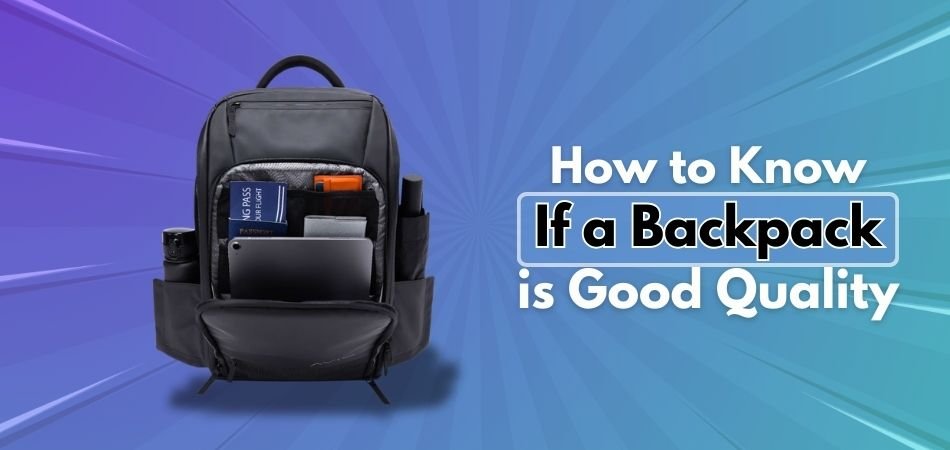
Choosing a durable backpack can feel confusing. Many options look similar. Knowing key quality signs helps you. When learning how to know if a backpack is good quality, focus on essential durability factors.
A backpack is good quality if it uses high-denier nylon, reinforced stitching, smooth YKK zippers, padded straps, solid back support, and organized compartments while also offering sturdy hardware, reliable water resistance, and strong overall construction features.
Continue reading to understand every essential feature that determines whether a backpack will truly last long today. This guide explains practical tests buyers can use instantly to judge overall backpack durability before purchasing confidently.
How to Know If a Backpack Is Good Quality?
Choosing a good backpack can feel confusing when everything looks almost the same. You might wonder which features actually matter most. It helps to learn simple things that show real quality clearly. These easy checks make choosing a strong backpack much less stressful. Here are the factors that can help you if the backpack’s quality is good:
Material Quality
The material of a backpack tells you a lot about how long it will last. Nylon is strong and often used in higher-quality bags, especially when it has a higher Denier (D), which shows the fabric’s thickness. Polyester is lighter and cheaper but not as tough. Canvas feels classic and strong, but can be heavier. Leather looks premium but needs more care. Ripstop patterns and ballistic nylon add extra durability. Always check whether the material feels firm, smooth, and tightly woven because weak fabric wears out fast.
Stitching Strength
Good stitching is one of the best signs of a strong backpack. Look for double-stitching or reinforced stitching, especially on shoulder straps and areas that handle heavy weight. Bar-tacks, which are tight little stitches, help prevent straps from ripping out. Weak stitching often looks uneven or loose, and threads may poke out. Also, check the bottom of the backpack, since this part gets the most stress. If the stitching feels thin or messy, the bag won’t last long.
Zippers and Hardware
Zippers and buckles decide how reliable a backpack feels every day. Quality bags use strong zippers like YKK or SBS because they glide smoothly and don’t jam easily. Cheap zippers often feel rough or get stuck. Check the zipper pullers and buckles too, since good ones are thicker and sturdier. If a zipper opens and closes smoothly without pulling hard, it’s a good sign. In some backpacks, like the Avio Apex travel backpack, you’ll notice stronger hardware that stays reliable even with heavy use.
Straps and Padding
Comfortable straps are very important, especially if you carry your backpack for long hours. Thick, soft padding helps reduce shoulder pain. Check if the straps are stitched strongly where they connect to the bag because these spots tear first on weak backpacks. Look for breathable mesh on the back panel to avoid sweating. Also, check whether the bag feels balanced when you put it on. Strong padding and good shape make a big difference in daily use.
Overall Structure
A backpack’s structure helps it stay firm and hold weight without sagging. Some bags have an internal frame or a stiff back panel that helps keep the shape strong. Others are soft and flexible but may not support heavy loads well. Look for even panel alignment and a base that doesn’t collapse easily. A strong structure distributes weight better and protects your items. A bag that feels flimsy when empty usually won’t last long when full.
Compartments Layout
Good organization inside a backpack makes it more useful and easier to manage. A strong laptop sleeve should feel padded and firm, not thin or loose. Internal dividers help keep things neat, while outer pockets give quick access to important items. Think about how you’ll use the bag—school, travel, office, or hiking—and choose a layout that fits. A messy or poorly planned inside can make even a strong bag frustrating to use.
Water Protection
Some backpacks are water-resistant, while others are fully waterproof. Water-resistant materials usually have coatings like DWR that help water roll off. Waterproof backpacks may include TPU or PVC layers that keep everything dry during heavy rain. You can test water resistance by sprinkling a few drops on the fabric to see if they slide off. If water absorbs quickly, the protection is weak. Strong water protection is important for carrying electronics or books.
Weight and Comfort
A good backpack should feel comfortable even when it’s loaded. Light bags are easier to carry, but extremely light ones may skip on durability. It’s better to choose a bag that balances strength and comfort. Check how the backpack feels on your shoulders, hips, and back. A well-designed bag spreads weight evenly so you don’t feel pressure in one spot. Comfort matters just as much as durability.
Brand and Warranty
Brands that make durable backpacks usually offer clear warranty support. Long warranties show the company trusts its product. Some brands replace broken zippers, torn straps, or damaged stitching without extra cost. A good reputation also means other users have tested the bag over time. If a brand offers no warranty or very unclear terms, it’s a warning sign to be careful.
Signs of a Poor-Quality Backpack (Red Flags to Avoid)
A poor-quality backpack usually shows small warning signs that many people miss at first. These issues often lead to tears, broken zippers, and discomfort later. Knowing what to avoid helps you choose a bag that lasts longer. These simple red flags make spotting weak backpacks much easier.
- Loose Threads: Weak backpacks often have threads sticking out, showing the stitching was done too quickly. This usually leads to early tearing, especially when the bag is filled with heavy items.
- Weak Zippers: Cheap zippers feel rough and get stuck easily, making the bag hard to use safely every day. They also break faster, leaving the backpack unable to close or protect your important things.
- Thin Fabric: Very thin fabric wears out quickly, especially at the corners and bottom of the bag. It often rips under pressure, making the backpack unreliable for daily use.
- Flimsy Straps: Weak straps feel thin, soft, or poorly padded, causing shoulder pain during long hours of carrying. These straps usually tear at the joints because the stitching cannot handle pressure.
- Uneven Stitching: When stitching looks messy or crooked, it shows low-quality production and poor strength. These uneven seams tend to break easily when the bag is fully packed or used roughly.
- Plastic Hardware: Cheap plastic buckles and clips crack quickly, especially when exposed to sunlight or heavy use. Once these break, the entire backpack becomes less useful or unsafe to carry.
- Saggy Shape: A backpack that cannot hold its shape usually has a weak frame or soft panels. This makes the bag uncomfortable and reduces its ability to protect items inside properly.
- Poor Padding: Thin or uneven padding offers little comfort and cannot protect your back or laptop well. It also wears out quickly, making the backpack feel harder to carry over time.
- No Warranty: When a brand offers no warranty, it often means the bag is not made to last long. This lack of support leaves buyers without help if something breaks early.
How to Test Backpack Quality in the Store (Quick Practical Checks)
Testing a backpack in the store helps you understand its real strength and comfort easily. These simple actions guide you toward a better choice. You can check important parts without tools. These quick tests help you avoid weak bags and choose something strong.
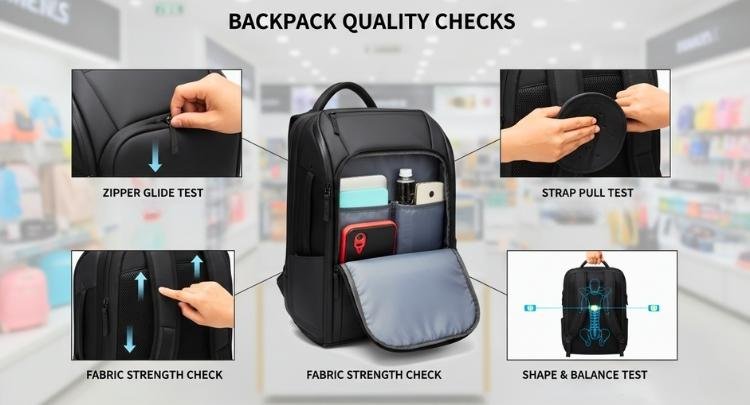
Zipper Glide Test
You can open and close every zipper slowly to check for smooth movement without pulling hard. Smooth zippers feel strong and last longer during daily use without breaking suddenly. Good zippers stay straight and glide cleanly even when the bag feels full.
Strap Pull Test
You can hold both straps firmly and pull them upward to feel how strong the stitching is. Strong straps sit tight and stay secure during regular use without sudden tearing. This simple action shows how well the bag handles daily weight.
Fabric Strength Check
You can press the fabric between your fingers and rub it slightly to check its thickness. Thick fabric stays strong and resists quick wear even during rough handling on busy days. This test often explains the reason behind expensive travel backpacks for some buyers.
Back Support Check
You can place the backpack on your back and walk a few steps to judge comfort quickly. Good back panels give steady support and reduce pressure during long hours without hurting you. A strong panel keeps the shape firm, even when the bag feels heavy.
Shape and Balance Test
You can hold the backpack by its top handle to see if its shape stays firm. A balanced shape keeps items inside steady and avoids strange leaning while carrying things. Strong bags keep their form and offer smoother weight control during daily movements.
How Long Should a Good Backpack Last?
A good backpack lasts many years when you choose strong materials that handle daily pressure easily and well. You get more value when the backpack stays reliable during tough days and supports different activities well everywhere. Strong bags often work better because they protect important items and reduce stress during long busy days daily. You gain comfort when the backpack holds shape nicely and feels balanced even while carrying heavy books around.
A strong backpack lasts three to five years when you use it often with care and purpose daily. You can extend durability by cleaning dirt quickly and storing the backpack safely during warm or rainy seasons. You keep your strength high when you avoid rough handling and protect zippers from unnecessary pulling during travel days. A quality backpack remains useful longer when you check small issues early and repair simple damage with care.
Are Expensive Backpacks Always of Better Quality?
Expensive backpacks do not always mean better quality, and many things influence how long they stay strong. You get real value when the backpack matches your needs and offers helpful features without wasting money. Some costly bags include helpful extras, while others only focus on brand style. You understand real quality better when you check materials, comfort, strength, and design carefully.
Material Difference
Many costly backpacks use stronger fabric that handles pressure well during long days without trouble for users. You find these materials helpful because they keep shape steady and protect important items inside daily. Some cheaper fabrics still offer good strength, but they often wear faster during rough handling anywhere. You choose fabric based on use, not price, because different activities need different levels of durable strength.
Build Strength
Stitching strength matters greatly because weak seams tear early, even when the fabric feels tough on top. Many high-priced backpacks include reinforced stitches that support heavy loads during school, travel, or work days. Some budget options still use strong stitching but skip extra layers meant for long-term daily use. You must check seams by pulling gently because this shows real durability beyond simple price differences anywhere.
Comfort Features
Comfort changes your whole experience, especially when you carry books, clothes, or gear for long hours. Some expensive backpacks have better padding that reduces shoulder pressure and protects your back during active movement. Cheaper bags may still feel comfortable, but padding often flattens faster during repeated use everywhere. You choose comfort based on actual feel, not cost, because every person handles weight differently.
Hardware Quality
Zippers, buckles, and clips decide how reliable a backpack feels because broken parts cause big frustration quickly. Costly backpacks often include stronger hardware that stays secure during daily use and protects your things better. Budget backpacks may use lighter hardware that wears faster, especially when exposed to heat or moisture often. You test hardware by opening and closing it because smooth motion shows good overall strength anywhere.
Design Purpose
Every backpack serves a different need, so a high price does not always match your personal purpose well. Some expensive designs focus on style more than strength, which makes them less useful during active days. Cheaper bags can work well when the design supports your daily routine or tasks often. You choose a design based on lifestyle because real usefulness depends on function, not cost alone.
Best Materials and Features for Different Uses (Travel, School, Hiking, Office)
Different activities need different backpack materials and features, and choosing the right mix helps you stay comfortable. You get better results when the bag matches your daily tasks and weight needs. These simple points guide you toward smarter choices. Each use becomes easier when you pick the right material and design.
- Travel Bags: Strong nylon fabric works well for travel because it handles weight and bumps during long days easily. Extra pockets and firm padding help keep your clothes safe while giving quick access to essential travel items.
- School Use: Thick polyester fabric stays strong for school since it handles books and daily movement inside busy halls well. A padded laptop sleeve and steady straps keep your back comfortable even when carrying many items.
- Hiking Trips: Tough ripstop nylon protects the bag during outdoor trips and keeps tears from spreading when caught on branches. Wide straps and chest belts help your body stay balanced while climbing or walking long distances.
- Office Needs: Sleek fabric with a firm shape works well for office use because it keeps your items neat daily. A good laptop sleeve and organized pockets help you carry devices and documents without mixing things inside.
- Casual Days: Soft but sturdy canvas makes casual use easy because it feels comfortable and handles light loads well. Simple pockets and a relaxed shape keep your daily essentials close without unnecessary weight.
Choosing the right material and features helps every task feel easier and more comfortable each day. When you understand different types of travel backpacks, you can compare options more clearly and choose what fits your needs well. A little attention to these details improves comfort, durability, and overall daily support from your backpack.
Tips to Maintain Your Backpack to Extend Its Lifespan
Keeping your backpack in good shape helps you avoid problems that slow you down during busy days. You learn simple habits that protect the bag without using extra tools or costly products. These easy steps help your backpack stay strong and comfortable longer. You just need to remember small things that make a big difference.
Regular Cleaning
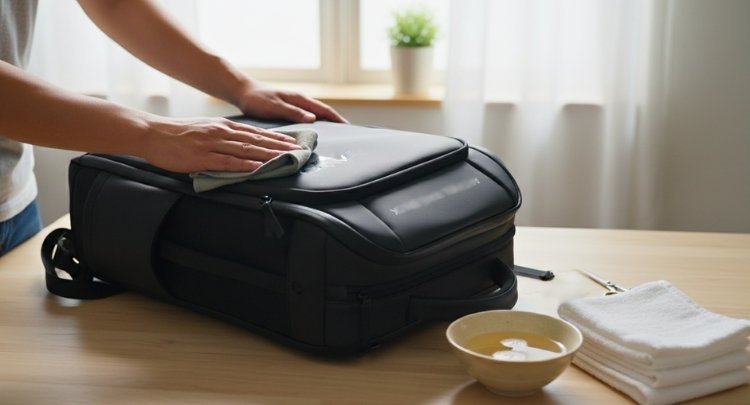
Cleaning your backpack on time helps it stay fresh and strong without heavy effort. You can wipe the outside with a soft cloth and mild soap to remove dirt easily. Make sure you clean inside pockets too, because dust gathers there faster. If the bag smells musty, keep it open in a sunny spot for a few hours. A clean backpack lasts longer and feels nicer to use every day.
Dry After Rain
Moisture weakens fabric if you leave the bag wet for too long. After rain, open all zippers and pockets to let air move inside. Keep the backpack in a warm place until everything dries fully, even the hidden corners. Avoid using hair dryers or heaters because they harm the fabric slowly. Drying your bag properly keeps mold away and protects its strength.
Check Loose Threads
Loose threads seem small, but they often grow into bigger problems when ignored. You can cut loose threads gently so they do not pull more. Also, check seams near the straps and pockets because those areas handle more pressure. Fixing tiny issues early keeps the fabric safe from tearing under weight. This simple habit helps your backpack last many extra months.
Protect the Zippers
Zippers break when dirt or tiny particles get stuck inside them. You can brush them gently to keep the track clean and smooth daily. If a zipper feels tight, try moving it slowly instead of forcing it quickly. A small drop of zipper lubricant helps it glide better without damage. Good zipper care prevents sudden breaks while carrying important things.
Avoid Overloading
Putting too much weight in your backpack stresses the straps and bottom panel quickly. You can spread items so the bag feels balanced and comfortable to carry. Heavy loads pull stitching apart, especially near the shoulder joints. Try to remove extra items that you don’t actually need each day. A lighter backpack helps you stay comfortable and keeps the bag safe.
Store It Properly
Storing your backpack in the right place helps it stay firm and clean for a long time. Keep it in a cool, dry corner where it won’t get crushed under heavy things. Avoid hanging it by the straps for long periods because that stretches the stitching. Fill it lightly with paper if you want it to keep its shape. Good storage habits protect both looks and strength.
Use It Carefully
Small, careful actions help your backpack stay strong even during rough days. You can place it on smooth surfaces instead of sharp or dirty spots. Lifting it gently by the handle keeps stress off the straps. Closing zippers fully protects your items from falling out. Treating the bag with a little care reduces damage and saves money.
Frequently Asked Questions about Identifying a Good Quality Backpack
A good-quality backpack can be identified through simple checks that many people often overlook. These FAQs highlight extra points that support what you already learned. They help you understand more signs that show real strength, comfort, and long-term usefulness.
Is A Heavier Backpack Always Stronger?
A heavier backpack is not always stronger because weight alone does not show real build quality or durability. Some heavy bags use cheap materials, while lighter bags use stronger fabrics and better stitching. You should check fabric thickness, hardware quality, and stitching strength instead.
How Important Is A Good Laptop Sleeve?
A good laptop sleeve protects your device from bumps and keeps the backpack balanced while carrying other items. Strong sleeves have firm padding that keeps the laptop from moving too much. A weak sleeve often sags and increases the chance of damage during travel.
Should I Worry About The Backpack Smelling Over Time?
A strong backpack should not develop bad smells quickly because good materials resist moisture buildup better. Smells usually appear when the bag stays wet or dirty for long hours. Choosing bags with breathable fabric helps reduce odor and keeps the inside fresher during daily use.
Does Color Affect Backpack Quality?
Color does not affect quality directly, but darker shades often hide dust and marks better. Some bright colors fade faster when exposed to sunlight for long periods. You should choose a backpack color based on daily use and how easily it stays clean over time.
Is A Hidden Pocket A Sign Of Good Quality?
A hidden pocket does not confirm overall quality, but it adds more usefulness and safety for important items. A well-designed pocket stays firm, easy to reach, and stitched strongly. Weak hidden pockets tear faster and create extra stress on the fabric.
Wrap Up
Choosing the right backpack becomes much easier when you understand the simple signs that show real strength, comfort, and usefulness. Every feature you learned about helps you judge a bag more confidently and avoid options that fail too quickly.
When you think about how to know if a backpack is good quality, you begin noticing details that many people ignore. These small checks guide you toward a backpack that feels better, lasts longer, and supports your daily needs without trouble. With a little attention, you can pick a bag that stays reliable for years and gives you great value.


