
Traveling becomes much easier when you pack light and move freely. A well-fitted backpack keeps your things safe while staying comfortable to carry. Many travelers often wonder how to choose the right travel backpack size. It’s a common thought before every new trip begins.
Choose the right travel backpack by matching its capacity with how long you’ll be away. A 30–50L backpack works well for weekend trips, 50–75L for multi-day adventures, and 75L or more for longer journeys. Always check airline size rules, measure your torso for a proper fit, and make sure the shoulder straps and waist belt are well-adjusted for comfort.
If you’re planning your next trip, this article has everything you need. It explains how to pick the perfect backpack size for any travel plan. You’ll also find simple tips that make packing light, smart, and comfortable.
How to Choose the Right Travel Backpack Size?
Choosing the right backpack is important for every trip you take. It will make carrying your things easier and more comfortable. Picking the wrong size can cause pain and slow you down. Keep reading to learn how to pick the best backpack for your needs.
Determine Trip Length and Needs
Short trips usually need smaller backpacks to avoid carrying too much. Bigger backpacks are needed for trips lasting more than a week. Trips with tents or sleeping bags require even larger packs. Think about how long you will travel before picking the right size.
Check Backpack Capacity
Weekend trips work best with 30-50 liter backpacks. Multi-day trips need around 50-75 liters for all essentials. Trips over two weeks usually require 75 liters or more. Always match the size with what you plan to carry.
Look At Airline Carry-On Rules
Airlines have different rules for carry-on backpack sizes and weight. Domestic flights often allow 45 liters or less for carry-on. International flights usually require smaller sizes, around 40 liters. Always check your airline’s rules before buying a backpack.
Measure Torso Length
Backpack comfort depends on your torso length, not total height. Adjustable packs can fit different torso sizes for better support. A wrong torso fit can strain your back and shoulders. Measure carefully to choose a pack that fits you well.
Adjust the Waist Belt Properly
A waist belt helps move weight from the shoulders to the hips. It should sit on the top of your hip bones. Tighten it just enough to feel support, not pressure. A good waist belt makes carrying heavy loads much easier.
Fit Shoulder Straps Correctly
Shoulder straps must be snug but not too tight. Sternum straps help reduce shoulder strain and improve balance. Straps should feel comfortable when fully packed with items. Proper adjustment keeps your shoulders from hurting on long trips.
Consider Women’s Specific Packs
Women’s backpacks are shaped for shorter torsos and wider hips. They offer better comfort for many female travelers. Choosing a pack designed for your body helps carry weight safely. Look for women’s designs if they match your shape.
Include Extra Gear Needs
Camping or expedition trips need room for tents, stoves, and sleeping bags. Extra space ensures you don’t have to compress important items. Think about every large item before choosing a pack size. This avoids carrying an uncomfortable or overloaded backpack.
Choosing the right backpack makes your trip easier and more fun. The right fit prevents pain and keeps you comfortable for long hours. Always match backpack size with your trip length and gear. Following these tips will help you pick a perfect backpack.
Best Backpack Option for Comfortable Travel
The Avio Apex travel backpack is built for travelers who want a smart way to pack more without carrying extra bulk. It uses a built-in vacuum compression system that shrinks soft items, giving you up to double the storage space while keeping everything neat and organized.
Key Features
- Expands from 20L to 30L for short or long trips
- Carry-on friendly for most domestic and international flights
- Made from 900D high-density elastic yarn fabric for durability and water resistance
- TPU-coated waterproof zippers for extra protection
- Breathable neoprene back panel and EVA foam straps for comfort
- Three main compartments and 28 internal pockets for easy organization
- Padded laptop sleeve fits up to 17–19″ laptops
- Built-in vacuum compression system saves 30–50% space
- Luggage sleeve to attach to rolling suitcases
- Lifetime warranty with 30-day money-back guarantee
How to Match Backpack Size with Your Body Type?
Choosing the right backpack is more than just picking a color or style. It’s about making sure it fits your body for comfort and balance. A good fit helps prevent shoulder and back pain on long trips. Let’s go through the simple steps below to find your perfect match.
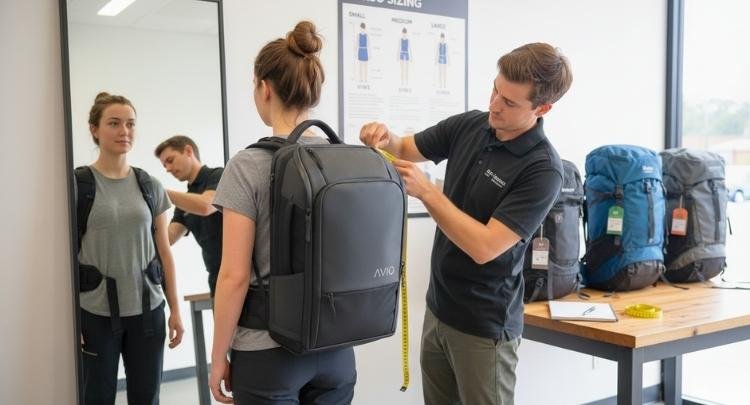
Measure Your Torso Length
To start, you need a flexible tape and maybe a friend’s help. Find the bony bump at the base of your neck, that’s your C7 vertebra. Then, find the top of your hip bones to mark the bottom point. Measure the distance between those two spots along your spine for your torso length.
Check Your Hip Size
Your hips carry most of the backpack’s weight, so they need a snug fit. Wrap the tape measure around the top of your hips where your belt usually sits. This helps you match your size to the brand’s chart. Some backpacks even let you change the hip belt for a better fit.
Match Measurements To Backpack Size
Now that you know your torso length, match it with the size chart. Packs often come in small, medium, or large based on torso range. For example, a small fits up to about 19 inches, and a large fits longer torsos. Always double-check the brand guide before buying your pack.
Pick The Right Fit For Your Body
Different brands make gender-specific packs to suit body shapes better. Women’s packs usually have shorter torso lengths and narrower straps. Men’s or unisex packs are often longer and broader in design. Anyone can choose either type as long as the fit matches their measurements.
Try On And Adjust The Backpack
Once you have the pack, fill it with a bit of weight. Loosen all straps before putting it on your back. Tighten the hip belt first so the pack rests on your hips, not your shoulders. Then adjust the shoulder and chest straps for balance and comfort.
Finding the right backpack size takes a few careful steps but pays off. A well-fitted pack feels lighter and keeps your back and shoulders happy. Always check measurements before you buy to avoid discomfort later. Follow these steps, and your next trip will feel much easier and more enjoyable.
Mistakes to Avoid When Picking a Travel Backpack Size
Buying a travel backpack seems simple, but small mistakes can ruin your trip. Many people choose based on looks or size without checking comfort. The wrong choice can cause sore shoulders or wasted space. Read the points below to make sure your backpack fits your travel needs.
Ignoring Your Body Fit
A backpack should match your body, not just your height. Always check the torso length and hip size before buying. If it sits too high or low, it can cause back pain. Try it on with weight to see how it feels on your shoulders and hips.
Choosing Looks Over Comfort
It’s easy to fall for a backpack that only looks nice. Design and color don’t matter if the bag feels heavy or hurts your back. Look for padded straps, a strong hip belt, and good airflow on the back. Comfort matters more than a stylish look during long travels.
Picking The Wrong Size
Some travelers choose a bag that’s too big and end up overpacking. A small bag can also be a problem if it can’t hold what you need. Check your trip type and packing habits before deciding. A 30L to 40L bag usually works best for most short trips.
Forgetting To Test The Fit
Never buy a backpack without trying it on first. Load it with some weight and adjust all straps. Make sure it sits snug on your hips and not only your shoulders. A short test can help you avoid pain during long walks or airport rushes.
Overlooking Budget And Quality
Good backpacks balance price, comfort, and quality. Cheap ones often lack padding and strong zippers. Before making a purchase, it’s smart to compare materials, comfort, and price to find out the right budget for a travel bag that fits your needs. Spending a little more can save you trouble later.
Picking the right backpack is about comfort, not just style or size. Avoid rushing your choice, and always test how it feels when full. Look for balance, padding, and strong build quality. A well-chosen pack makes every trip lighter, easier, and far more enjoyable.
How to Adjust Backpack Size for Different Trips?
A backpack can work for both short and long trips if packed right. You just need to know how to manage space and weight smartly. A few small tricks can make one bag fit every travel plan. Follow these easy tips below to get the best out of your backpack.
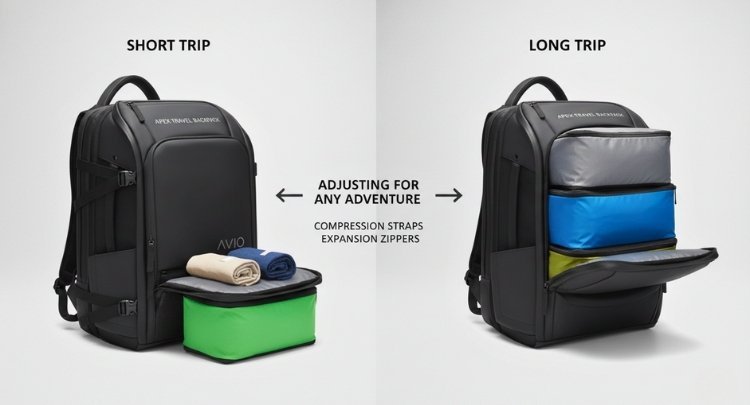
Use Compression Straps
Compression straps are found on the sides of most travel backpacks. They help tighten the load and make the pack smaller for short trips. You can pull the straps to reduce extra space and keep items steady. It also helps prevent things from shifting while walking or moving.
Pack Smart With Cubes
Packing cubes help organize clothes and small items neatly inside your bag. They make it easier to pack and unpack without making a mess. Use smaller cubes for short trips and larger ones for long journeys. This way, you can adjust space without needing another backpack.
Adjust For Short Trips
When traveling for a weekend or a few days, pack only what’s needed. Roll your clothes and use the compression straps to make the pack smaller. Leave empty pockets or sections for light travel. A compact bag is easier to carry, especially through airports or crowded streets.
Expand For Longer Travels
For longer trips, expand your bag’s capacity using extra compartments or expansion zippers. Use larger packing cubes to separate outfits by days or use. When preparing for short or long trips, it’s not only about the backpack size but also how you pack a travel backpack efficiently to make the most of its space.
Balance Weight Evenly
It’s important to keep heavy items close to your back for balance. Place light items on top and at the sides to avoid strain. Adjust the shoulder straps and hip belt so the weight feels even. This keeps your body comfortable and stable throughout your trip.
Adjusting your backpack for any trip is simple with a few tricks. Use straps, cubes, and compartments to get flexible storage space. Keep your bag neat and balanced for comfort on the move. With a little planning, one backpack can handle every travel plan with ease.
FAQs About How to Choose the Right Travel Backpack Size?
Finding the perfect backpack can be tricky when there are so many options. These common questions and answers will help you make smarter choices before you buy. Read through them to understand everything you should know about picking the right size backpack for travel.
What Is The Ideal Backpack Size For A Day Trip?
For a simple day trip, a small backpack between 20 to 30 liters is perfect. It gives you enough space for essentials like a water bottle, snacks, a jacket, and small gadgets. You won’t need anything bigger unless you’re carrying camera gear. Smaller bags are also easier to move around with in crowded places.
How Can I Tell If My Backpack Is Too Big Or Small?
If your backpack feels heavy or bulky when half full, it’s too big. A bag that doesn’t fit all your things or feels tight is too small. Try to fill your bag with what you usually carry and check how it feels. The right size should sit comfortably without extra space or tightness.
Why Does Backpack Weight Distribution Matter?
Weight balance affects how your body handles long walks or hikes. A poorly packed bag can pull on your shoulders and hurt your back. Keeping heavy items close to your spine helps maintain balance. Even weight distribution makes the backpack feel lighter and more stable while moving.
What Backpack Features Help Save Space?
Compression straps and packing cubes are great for saving space. They help you tighten your load and keep things neat inside. Expandable sections also allow your backpack to hold more when needed. With smart packing, even a medium-sized backpack can handle a longer trip.
How Does Backpack Shape Affect Comfort?
A backpack’s shape changes how it fits your back and shoulders. Slim, tall packs spread weight evenly, while wide packs can pull backward. Curved or padded back panels help reduce strain and improve airflow. Always choose a shape that matches your body and keeps you upright.
Can One Backpack Work For Both Hiking And Travel?
Yes, many backpacks are designed for both travel and hiking. Look for ones with removable straps, adjustable belts, and multiple compartments. Hiking-friendly packs often have better airflow and comfort padding. Make sure it’s easy to open and organize for airport security and quick access.
How Important Is Material When Choosing A Backpack Size?
Material affects both durability and how much weight your bag can handle. Strong fabrics like nylon or polyester keep the bag light but sturdy. Waterproof materials help protect your things during rain or spills. A durable material ensures your chosen size can safely carry heavy gear.
What Is The Best Backpack Size For Students Who Travel Often?
For regular student travelers, a 30 to 40-liter backpack works best. It fits clothes, books, and a laptop without being too heavy. This size is small enough for buses and planes but large enough for short getaways. Choose one with padded straps for comfort during daily use.
Should I Choose A Soft Or Hard Frame Backpack?
Soft frame backpacks are flexible and lighter for short travels. Hard frame backpacks support heavier loads and keep the shape firm. The choice depends on what you carry and how long you travel. For most travelers, a soft frame is easier to manage and pack.
What Mistakes Should I Avoid When Measuring Backpack Size?
Avoid guessing your fit or using your total height as a guide. Always measure your torso length from the base of your neck to your hips. Many people skip this step and end up with back pain later. Taking a few minutes to measure ensures your pack fits perfectly.
Final Words
Finding the right travel backpack can make every trip smooth and stress-free. The right size helps you stay light, organized, and ready for any adventure. A well-fitted backpack also saves your shoulders and back from pain during long walks or travel days. Choosing smartly ensures you pack only what matters and move freely.
When thinking about how to choose the right travel backpack size? focus on your trip length, packing needs, and comfort fit. Small backpacks work great for short trips, while bigger ones are better for longer journeys. Always consider your torso length, hip support, and overall weight balance to find the perfect match for your travel plans.
Before buying, test your pack with some weight, check strap comfort, and look for adjustable parts. Avoid rushing and always match your bag to your travel style. A smart choice keeps you comfortable, organized, and ready for anything. Pack light, travel easy, and enjoy every trip with confidence.


