
Travel bags vary in price. Choosing correctly can feel confusing. Many wonder about ideal budgets. Understanding factors helps. When people ask how much they should I spend on a travel bag, the answer depends on quality and usage.
You should generally spend $50–$150 for a reliable option, while frequent travelers may invest $150–$300. Base your budget on travel frequency, bag type, and essential long-term features that matter.
Keep reading to discover how pricing, durability, and travel habits influence choosing the right travel bag today. This guide will help you understand spending ranges, compare options, and make smarter travel bag purchasing decisions confidently. Continue reading to learn which price range suits your needs and how to choose lasting value without overspending.
How Much Should I Spend on a Travel Bag?
In general, you should generally spend $50–$150 for a reliable travel bag, but frequent travelers or those needing premium durability may invest $150–$300. Choose your budget based on how often you travel, the bag type, and the features you need for long-term value and comfort. Here we’ve segmented around you depending on various types of users in mind:

Occasional Traveler (2–3 trips a year)
If you travel only a few times a year, you don’t need an expensive travel bag. Spending $50–$120 is usually enough to get a bag that’s strong, comfortable, and good for light use. A simple backpack, duffel, or carry-on in this range will handle weekend trips, small vacations, or yearly family travel without any issues. Just make sure the zippers feel solid, and the bag has enough space for your clothes and essentials. You don’t need to buy extra features you won’t use often.
Frequent Traveler
If you travel often, you’ll need a more durable bag that can handle repeated use. It’s better to spend $120–$200 for a backpack, weekender, or carry-on that has stronger fabric, better stitching, and comfortable padding. These bags last longer and won’t fall apart after a few months of travel. Features like waterproof coating, smooth wheels, or padded straps matter more for frequent travelers because they make every trip easier and more comfortable. Spending a bit more now can save you from replacing the bag too soon.
Business Traveler
Business travelers often need bags that look professional and also keep laptops, documents, and clothes safe. These usually cost more because of the materials and design. A good budget range is $150–$250. Many business travel bags include padded laptop sections, smart pockets, USB ports, and organized compartments. Some even come in leather or premium fabric, which raises the price but improves the look. Paying extra makes sense because a neat and sturdy bag helps you stay organized and presentable.
Adventure/Outdoor Traveler
Outdoor trips require stronger and more protective bags. Adventure travelers should expect to spend $120–$300, depending on how tough they need the bag to be. Hiking and camping bags need waterproof material, breathable padding, strong buckles, and good weight support. These features keep your things safe during rough weather or long walks. A bag in this range lasts longer and handles outdoor challenges better than cheaper options. For adventure trips, durability is more important than looks, so spending more is usually worth it.
What Factors Determine the Price of a Travel Bag?
Travel bag prices can feel confusing when you first start looking around. Many options seem similar yet cost differently. It’s normal to wonder what truly affects these prices. Understanding these basics makes choosing the right bag much easier.
Materials
The material of a travel bag plays a big role in its price. Bags made with stronger fabrics, like high-denier nylon or thick polyester, usually cost more because they last longer and handle rough use better. Cheaper materials may feel light and flexible but might tear easily or lose shape quickly. Good materials also protect your things from rain, dust, or sudden bumps during trips. When a bag uses quality cloth, solid stitching, and tough lining, it naturally becomes pricier but also more reliable.
Build Quality
Build quality includes the stitching, the way the bag is shaped, and how neatly everything is put together. A well-built bag costs more because it takes more time and care to make. Strong stitching helps the bag hold heavy items without ripping. Even small things like how the handle is attached or how the bottom is reinforced can make a big difference. When a bag is made with care, it stays in good shape for a long time, which makes the extra money worth it.
Zippers and Hardware
Zippers and hardware might look small, but they affect the price a lot. A bag with metal zippers, smooth pullers, and strong buckles usually costs more because these parts last longer. Cheap zippers often break during trips, which can be annoying and unsafe. Good hardware also keeps the bag secure and easier to use. When everything feels solid and smooth, it shows the bag is made to handle daily travel without problems.
Comfort Features
Comfort features also add to the price, especially for backpacks. Extra padding on the straps, breathable back panels, and adjustable chest or waist belts make carrying the bag easier. These features help when your bag gets heavy and you need to walk long distances. A model like the Avio Apex travel backpack shows how comfort features can improve both ease and durability at the same time. Even though these features raise the cost a little, they make travel much more comfortable.
Size and Capacity
Bigger bags cost more because they need more material and stronger support. A large travel bag also needs better stitching and structure so it can hold heavy items without bending or breaking. Some bags come with expandable compartments, extra pockets, or smart dividers that help you organize your things better. All these additions increase the value but also raise the price. Choosing the right size helps you avoid paying for space you don’t really need.
Brand Reputation
Well-known brands often charge higher prices because people trust them for quality and long-lasting products. These brands test their bags more strictly and offer better designs. They also give stronger warranties or support if something goes wrong. While lesser-known brands may be cheaper, they might not offer the same reliability. Paying for a brand is sometimes worth it, especially if you want a bag that will last several years.
Extra Features
Extra features like waterproof coating, anti-theft pockets, USB charging ports, or hidden compartments also increase the price. These features make travel safer and more convenient, but they add to the cost of making the bag. Some bags even include special laptop padding or shock-proof panels. These additions make the bag more useful for students, office workers, or frequent travelers. When buying, think about which features you really need so you don’t pay for things you won’t use.
Recommended Price Ranges for Different Types of Travel Bags
Choosing the right travel bag becomes much easier when you know the typical price ranges. Different types of bags cost different amounts because of their size, materials, and features. Here’s a simple breakdown to help you understand how much you should expect to spend on each type.
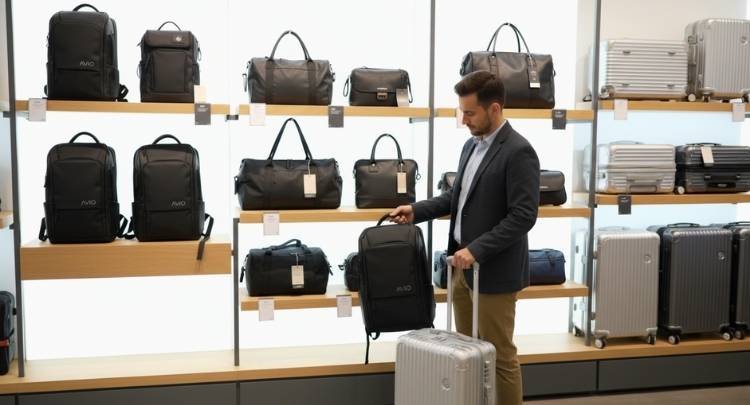
Travel Backpacks
A good travel backpack usually costs $50–$150. In this range, you’ll get strong materials, good padding, and enough pockets for school, short trips, or light travel. If you want a backpack with tougher fabric, better back support, or extra features like laptop protection, you may spend $150–$250. These higher-priced backpacks last longer and feel more comfortable when carrying heavier loads.
Duffel Bags
Most reliable duffel bags fall in the $30–$80 range. These bags are simple and great for quick trips or sports activities. If you want something more durable with waterproof materials, wheels, or extra compartments, expect to pay $80–$150. Premium duffels with strong zippers and reinforced bottoms can go higher, but you don’t need to overspend unless you travel very often.
Weekender Bags
Weekender bags generally cost $40–$120, depending on the design and material. Basic canvas or polyester weekenders cost less and work well for short two-day trips. Leather or premium-style weekender bags usually fall between $120–$250 because they look more stylish and last longer. Choose based on how often you’ll use the bag and whether you prefer style or practicality.
Carry-On Bags
Good-quality carry-on bags usually cost $70–$180. At this price, you’ll get solid wheels, comfortable handles, and enough space for short flights. If you want stronger shells, a lightweight build, top-tier wheels, or branded options, you may spend $180–$300. Higher-priced carry-ons last longer and can handle frequent flights without wearing out.
Checked Bags
Checked bags are larger, so they typically cost $90–$200 for decent quality. Strong zippers, sturdy shells, and reinforced corners matter more here because checked luggage gets handled roughly at airports. Premium checked bags usually cost $200–$400 and offer better durability, lightweight frames, and long warranties. If you travel often or carry heavy items, spending more can save you money long-term.
Common Mistakes People Make When Buying a Travel Bag
Many people buy a travel bag without noticing important details that actually matter during real trips. These small mistakes can lead to discomfort, wasted money, or broken bags. Understanding these common errors helps you choose a bag that truly fits your needs.
- Ignoring quality: Many buyers pick a bag only because it looks nice, forgetting to check stitching or material strength carefully. This choice often leads to early damage, forcing them to replace the bag much sooner than expected.
- Choosing the wrong size: Some people buy a bag that is either too big or too small for their actual travel needs. This mistake causes packing problems and makes trips harder because the bag becomes annoying to carry or use properly.
- Overlooking comfort: Buyers often ignore shoulder padding, handle grip, or back support when choosing a travel bag. These missing comfort features make long walks painful and reduce overall travel ease during busy days.
- Focusing on brand: Many shoppers choose a bag just because it comes from a popular brand without checking the real value. This leads to spending extra money on features they do not need or use in daily travel situations.
- Skipping warranty: People sometimes forget to check for warranty support, which protects them from unexpected damage or manufacturing issues later. Without a warranty, repairing or replacing the bag becomes costly and stressful during important trips.
- Ignoring weight: Buyers often forget to check how heavy the bag is when empty, which affects total carry weight. A heavy empty bag becomes uncomfortable and makes packed items feel much heavier during long travel days.
- Too many features: Some people choose bags with unnecessary features that increase the price without offering real benefits for their travel style. These extras only add confusion and make the bag harder to use or organize effectively.
What Features Should You Expect at Different Price Points?
Understanding price points helps you choose a travel bag that fits your needs and your budget well. Each range offers different features, so knowing what you get helps you avoid surprises later. These simple breakdowns keep things clear and make your buying choice easier.
Under $50
These bags give simple designs that work well for light trips and short daily use. You get basic fabric, regular zippers, and limited pockets that offer enough space for simple items. This range suits beginners who want an affordable option that handles normal travel needs easily.
$50–$150
This range offers stronger materials and better comfort for regular trips that demand reliable performance daily. You get padded straps, organized pockets, and firmer stitching that improve travel quality easily. Many buyers compare travel backpack cost here because value increases without pushing the price too high.
$150–$300
Bags in this range give higher durability and smart features that help with longer or frequent trips. You get stronger hardware, better protection, and improved support that makes heavy loads feel easier. These bags also hold their shape well and stay reliable for several years.
$300+
Premium bags in this range offer top materials and refined designs built for serious travel needs. You get advanced comfort, strong shells, smooth wheels, and long warranties that protect your purchase well. These bags suit people who want long-term quality and stress-free travel experiences.
Should You Buy a Cheap or Expensive Travel Bag? (Pros & Cons)
Choosing between a cheap and an expensive travel bag can feel confusing, especially when both look similar at first glance. The real difference shows up when you look at durability, comfort, warranty, and the materials used. Here’s a simple breakdown to help you decide which option makes more sense for your travel needs.
Budget Travel Bags (Cheap Options)
Pros:
- Affordable and easy to replace if damaged
- Good enough for short trips or rare use
- Simple designs that still get basic tasks done
Cons:
- Thinner materials that tear or wear out faster
- Limited comfort because straps and handles usually lack padding
- Weak zippers or stitching that may fail during travel
- Almost no warranty or repair support
Budget bags are fine if you travel rarely, carry light items, or just need something temporary. They save money now but often cost more later if they need frequent replacements.
Premium Travel Bags (Expensive Options)
Pros:
- Strong materials that last many years without losing shape
- Better comfort with padded straps, soft handles, and balanced weight support
- Strong zippers, reinforced stitching, and better structure
- Useful warranty and support if anything breaks
- Extra features like waterproof fabric, organized compartments, or smoother wheels
Cons:
- Higher upfront price
- Some features may feel unnecessary for casual travelers
Premium bags work best for frequent travelers or anyone carrying important items like laptops or camera gear. The higher price usually pays off through a longer lifespan and fewer travel problems.
Which One Should You Choose?
If you travel only once or twice a year, a budget bag is enough. But if you travel often, carry heavy items, or want something that lasts several years, an expensive bag is the better choice. Paying more can save money long-term because you won’t need replacements as often.
How to Choose a Travel Bag That Matches Your Travel Style?
Choosing a travel bag becomes easier when you understand how your personal habits best shape your needs. Different trips require different strengths, so knowing your style helps you avoid buying something unnecessary for travel. This simple guide shows key steps that match bag choices with common travel styles and goals.
Know Your Trips
Start by thinking about how often you travel because frequency strongly influences your ideal bag features choice. Short weekend trips need lighter bags, while long journeys require stronger designs that handle heavier daily loads. Knowing your trip length helps you narrow down options and avoid spending money on wrong choices.
Pick Bag Type
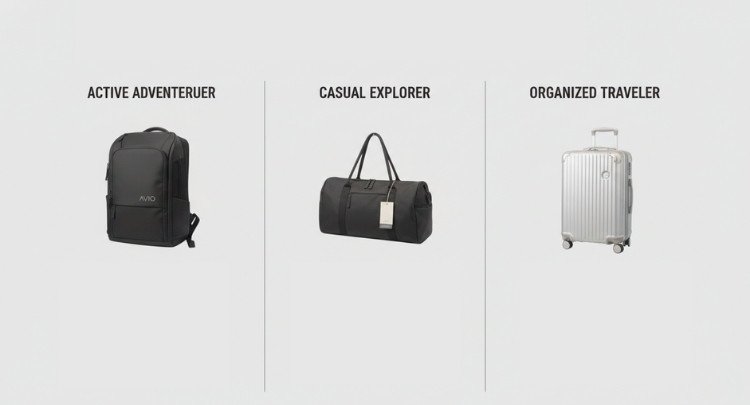
Choose a bag type that matches your travel plans because every design offers unique strengths and weaknesses. Backpacks suit active travelers, while duffel bags work well for simple trips that need quick access anywhere. Carry-on cases help flyers stay organized and avoid delays caused by checking larger bags during travel.
Check Size Needs
Think about selecting the right backpack size because a proper fit keeps your travel comfortable during long days. Bigger bags hold more items, but smaller designs feel easier to carry when you move quickly around. Choosing the right size helps you stay balanced and prevents shoulder strain that makes traveling unpleasant.
Check Material Quality
Look for materials that feel strong because durable fabric protects your items from bumps and regular use. Nylon offers great strength, while polyester gives decent support for people who take fewer trips each year. Good fabric helps your bag last longer and keeps everything safe, even during busy travel schedules.
Test Comfort Features
Pick bags with padded straps because comfort matters a lot when you walk long distances carrying heavy loads. Breathable back panels help reduce sweat and keep you comfortable during hot or crowded travel situations. Comfortable handles also make lifting easier and prevent wrist pain when your bag becomes heavy outside.
Check Storage Layout
Look at how many pockets you get because good organization helps you find items quickly during trips. Bags with divided spaces keep clothes neat and stop loose items from rolling around during daily movement. Smart layouts make packing easier and save time when you rush to catch flights or buses.
Match Travel Style
Choose features that fit your travel habits because every traveler needs different strengths in a good bag. Adventure trips need tough designs, while city travel works well with cleaner looks and simple daily features. Matching your travel style helps you stay comfortable and keeps your packing smooth during every trip.
FAQs About Spending on a Travel Bag
Many buyers still feel unsure about how much they should spend on the right travel bag. These common questions help clear confusion and make choosing a budget easier. Here are simple answers that guide you toward a smarter, more confident buying choice.
Is It Worth Spending More On A Travel Bag If I Only Travel Locally?
Spending more depends on how often you take local trips and how much you carry. Light local travel works fine with affordable bags that cover basic needs. If you carry heavy items or travel often within your city, mid-range options offer better comfort and lasting value.
How Much Should Students Spend On A Travel Bag For School Trips?
Students can choose bags in the $40–$100 range because school trips usually need simple space and basic comfort. This range gives strong stitching, decent materials, and enough pockets for clothes and essentials. Spending more isn’t necessary unless they join frequent long trips.
Do I Need To Spend More For A Waterproof Travel Bag?
Waterproof bags usually cost more because they use stronger fabric and special protective coating. A fair range is $70–$150 for dependable protection during rainy trips. If you travel through wet areas often, paying extra keeps your items dry and safe without worry.
Are Expensive Travel Bags Better For Protecting Electronics?
Expensive bags often include padded laptop sleeves, shock-resistant panels, and stronger zippers for protection. They cost $120–$250, depending on size and design quality. Paying more makes sense if you carry a laptop, camera, or tablet during trips and want reliable everyday safety.
Should Families Spend More When Buying Travel Bags For Group Trips?
Families benefit from mid-range bags that cost $70–$150 because they offer strength, comfort, and good storage. These bags survive heavy packing and frequent handling during long outings. Choosing durable options reduces future replacement costs and keeps every trip smoother for everyone involved.
Final Words
Choosing the right travel bag becomes much simpler once you understand what affects pricing, what features matter, and which type suits your travel habits. Every traveler has different needs, so trust what works best for your comfort and usage.
When people wonder how much should I spend on a travel bag, the real answer depends on durability, frequency, and value. You don’t need the most expensive option, but you also shouldn’t settle for something that fails quickly.
A smart choice always balances quality with budget. Pick a bag that supports your trips, feels good to use, and lasts long enough to make every journey easier.


