
Every traveler knows the struggle of finding that perfect backpack — one that fits everything, feels light, and lasts through countless trips. Yet with so many brands and price tags on the market, it’s easy to wonder: how much should a good travel backpack cost?
The truth is, a good travel backpack usually falls within the $80 to $300 range, depending on size, material, and purpose. It’s not just about paying more; it’s about investing in durability, comfort, and convenience. The right backpack can protect your gear, ease your journey, and save you from frequent replacements.
If you’re planning your next adventure and want to make a smart choice, stay with us as we break down what truly defines a good travel backpack and what you should expect to pay for one that’s worth every penny.
How Much Should a Good Travel Backpack Cost?
Finding the right travel backpack depends on your journey type, usage frequency, and quality expectations. While prices vary widely, understanding what each budget range offers can help you make an informed choice that balances comfort, function, and durability.
- Under $70 – Budget-Friendly Backpacks for Short Trips: These are perfect for weekend getaways or light travelers who pack only the essentials. They’re typically made from lightweight polyester with minimal padding or structure. While affordable, they may lack long-lasting zippers or waterproof protection, making them better for occasional use rather than long-term travel.
- $80–$150 – Mid-Range Backpacks for Regular Travelers: This is the sweet spot for most people who want both comfort and durability. Expect water-resistant materials, padded straps, and well-organized compartments for electronics and clothing. This range represents the recommended travel bag budget for frequent travelers seeking a reliable backpack that performs well without being overly expensive.
- $150–$250 – Premium Backpacks for Frequent Flyers: Designed for long-term use, these backpacks feature ergonomic support, reinforced stitching, and weatherproof coatings. Many include hidden pockets, compression straps, and laptop compartments. They’re ideal for professionals, digital nomads, and anyone who travels regularly for work or adventure.
- $300 and Above – High-End Technical and Adventure Backpacks: These premium options cater to outdoor enthusiasts and long-term explorers. Made from advanced materials like ballistic nylon or Cordura, they offer adjustable harness systems, modular designs, and maximum weather protection. Though pricey, they’re built for those who value high performance and durability above all.
Main Factors That Determine the Cost of a Travel Backpack
Choosing a travel backpack is about understanding value, not just price. Every feature, from stitching to sustainability, plays a part in how much you pay. Knowing these factors helps you make a smart purchase, one that matches your travel needs, comfort level, and long-term expectations.
Material and Durability
Material quality is one of the strongest influences on cost. Backpacks made from ripstop nylon, Cordura, or ballistic polyester offer excellent resistance to wear and water, justifying a higher price. For instance, the Avio Apex travel backpack features reinforced seams and durable fabrics, making it a dependable option for frequent travelers who need both strength and longevity.
Comfort and Fit
A well-built backpack prioritizes comfort through padded shoulder straps, ventilated back panels, and adjustable chest or hip belts. These design features improve posture and prevent strain, especially during long travel days. Such ergonomic engineering raises the cost but ensures users can carry heavier loads without discomfort or fatigue.
Storage and Organization
The more organized a backpack is, the higher its price tends to be. Compartments for laptops, tablets, clothes, and hidden pockets add to manufacturing complexity. High-end designs use structured interiors and compression systems to help travelers pack efficiently, ensuring everything stays secure and easy to reach during trips.
Size and Capacity
Larger backpacks require more materials and reinforcements to handle heavy loads. A compact 25L backpack may cost much less than a 70L model built for long adventures, simply due to added structure and support. Choosing the right size also affects convenience—smaller for daily use, larger for extended journeys.
Brand Reputation and Warranty
Well-known brands often price their backpacks higher due to proven quality and customer trust. Many offer long-term warranties that cover repairs or replacements, protecting your investment. This assurance adds value beyond the initial cost, as a reliable warranty can save money over the years of consistent use and travel.
Design and Aesthetics
A visually appealing design contributes to pricing too. Backpacks with clean silhouettes, premium finishes, or minimalist styles often command higher prices. Some brands charge more for modern aesthetics that blend fashion with travel functionality, allowing users to feel confident carrying their gear in both casual and professional settings.
Special Features and Technology
Added innovations like waterproof zippers, USB charging ports, expandable compartments, or anti-theft locks all increase production costs. These features cater to travelers who prioritize convenience, safety, and tech compatibility. The inclusion of smart design technology transforms a basic backpack into a high-performance companion suited for modern lifestyles.
Sustainability and Ethical Manufacturing
Eco-conscious manufacturing and responsibly sourced materials often raise the final cost of a backpack. Brands that use recycled fabrics or fair-trade labor practices invest more in ethical production. For many travelers, paying a bit extra for a sustainable product feels rewarding, as it supports environmental care and fair treatment of workers.
Hidden Costs to Keep in Mind When Buying a Travel Backpack
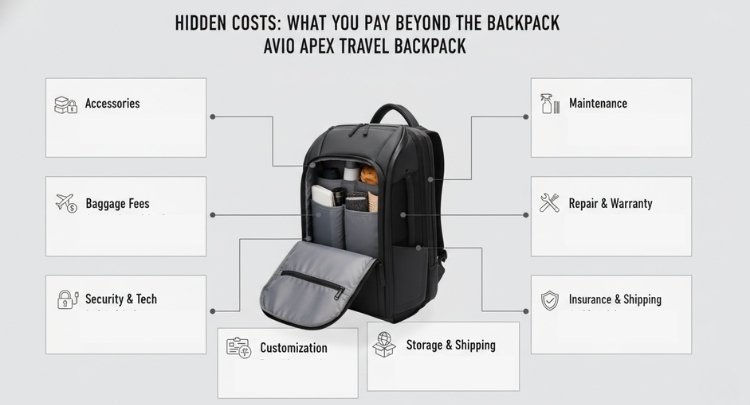
Buying a travel backpack involves more than just paying the listed price. Extra expenses often appear once you start using it—whether for accessories, maintenance, or travel-related fees. Understanding these hidden costs allows you to plan your budget wisely and make a purchase that truly delivers long-term value. Here are some of the key hidden costs to consider before choosing your next travel backpack.
Accessories and Add-Ons
Useful accessories such as packing cubes, rain covers, compression straps, and TSA-approved locks often come separately. These items enhance packing efficiency, protection, and organization, but they can easily add an extra $30–$80 to your total cost. While optional, they’re essential for travelers who prefer structure and convenience on the go.
Airline Restrictions and Baggage Fees
Oversized or overweight backpacks can lead to additional airline charges, especially when flying with low-cost carriers. Selecting a backpack that meets standard carry-on requirements prevents unexpected fees and stress during check-in. Smart sizing choices not only save money but also ensure smoother travel experiences.
Cleaning and Maintenance
Regular upkeep is vital for keeping your backpack in top condition. Washing, waterproof re-coating, or fixing minor fabric damage can cost a little each year. However, consistent maintenance helps your backpack last longer and maintain its protective features against rain, dirt, or wear.
Repair and Replacement Costs
Even premium backpacks may need new zippers, buckles, or straps after years of heavy use. Unless covered by a warranty, repairs can add extra costs. Choosing a brand that offers free or affordable repair services helps reduce these expenses and extends the life of your bag.
Security and Tech Enhancements
Accessories like anti-theft locks, RFID pouches, GPS trackers, or power banks improve safety and functionality but come at an added expense. These upgrades are worth considering for digital nomads or travelers carrying valuable electronics, as they enhance both convenience and peace of mind.
Customization and Personalization
Some travelers prefer to personalize their backpacks with embroidered names, patches, or tags. While this adds a unique touch, customization can cost an additional $10–$50. It’s a small investment for those who want their backpack to reflect their personality and stand out during travel.
Storage and Shipping Costs
Proper storage keeps your backpack safe when not in use. Using storage bins, moisture-proof covers, or vacuum-sealed bags can prevent damage but may add minor costs. Additionally, online purchases often include shipping or import fees, especially for international brands, which can raise the overall expense.
Insurance or Extended Warranty Plans
Some brands offer optional insurance or extended warranties to protect against accidental damage, theft, or manufacturing defects. These plans increase the upfront cost but provide peace of mind, especially for travelers investing in premium gear meant to last for years.
Is It Worth Paying More for a Travel Backpack?
Many travelers wonder if investing in a high-priced backpack is truly worth it. The answer largely depends on how often you travel and what kind of experiences you expect. Frequent flyers, backpackers, and professionals who rely on their gear every day often find that spending more upfront leads to better comfort, security, and overall reliability during long journeys. For casual travelers, a mid-range option may provide enough value without stretching the budget.
One major reason behind expensive travel backpacks is the quality of materials and engineering that go into them. Premium models use advanced fabrics like ripstop nylon or Cordura, reinforced stitching, and ergonomic support systems that protect your back and shoulders during extended use. These backpacks are built to endure heavy loads, unpredictable weather, and constant movement. While cheaper versions might look similar, they usually lack the durability and comfort that seasoned travelers appreciate over the years of use.
Ultimately, paying more for a travel backpack is an investment in ease, longevity, and peace of mind. A well-made backpack doesn’t just carry your belongings—it supports your entire travel experience. Spending wisely ensures that you’re not replacing bags every year but enjoying one dependable companion for countless trips ahead.
Tips to Get the Best Value for Your Money
Choosing the right travel backpack isn’t just about finding a well-known brand; it’s about getting lasting value for what you spend. A smart purchase ensures durability, comfort, and functionality without overspending. Here are some practical tips to help you get the best value for your money when buying your next travel backpack.
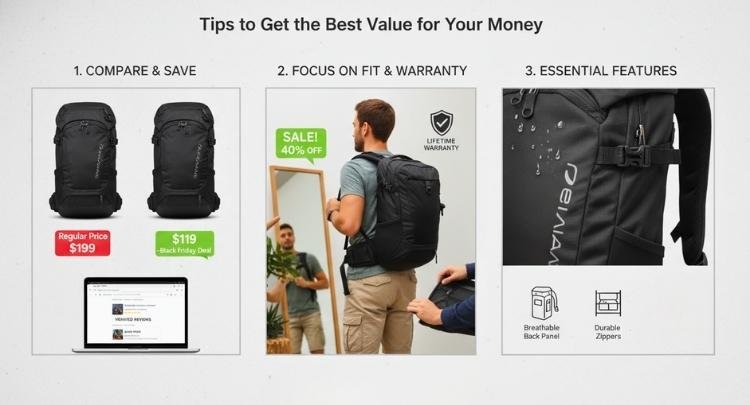
- Buy During Seasonal Sales or Discounts: Prices often drop significantly during end-of-season, holiday, or clearance sales. Planning your purchase during these times can help you save up to 30–40% on premium-quality backpacks.
- Compare Brands and Read Real Reviews: Always research different brands within your budget and check verified user feedback. Reviews often reveal details about durability, comfort, and warranty that aren’t mentioned in product descriptions.
- Focus on Function Over Fashion: A stylish design might catch your eye, but practicality matters more for travel comfort. Prioritize padding, weight distribution, and organization over trendy looks or flashy branding.
- Check the Warranty and Return Policy: A solid warranty shows the manufacturer’s confidence in its product. Ensure the brand offers easy returns or repair options, as this can save you money in the long run.
- Test the Fit and Comfort Before Buying: Try the backpack while it’s loaded to assess its balance and shoulder comfort. If purchasing online, carefully review dimensions and look for flexible return options.
- Watch for Essential Features: Look for features like water-resistant materials, breathable back panels, and sturdy zippers. These practical elements enhance comfort and extend your backpack’s lifespan.
- Avoid Paying for Gimmicky Extras: Some expensive models include unnecessary features that add weight but little value. Stick to what you’ll truly use, and skip add-ons like built-in speakers or oversized compartments.
- Consider Lifetime Warranty or Repair Programs: Brands offering lifetime repair or replacement services provide better long-term value. Paying a bit more up front can save you the cost of buying a new backpack later.
Frequently Asked Questions About Travel Backpack Costs
Finding the right travel backpack can feel overwhelming when prices vary so widely. Whether you’re shopping for your first travel bag or looking to upgrade, these common questions and answers will help you understand what truly affects the cost and how to make the best choice for your needs.
What Is the Average Price of a Good Travel Backpack?
Most quality travel backpacks fall within the $80–$200 range, depending on their capacity, features, and brand. This price segment offers the best balance between durability, comfort, and design without overspending. Travelers who pack frequently or value reliability usually find their ideal options here.
Why Are Some Travel Backpacks So Expensive?
Premium backpacks cost more because of advanced engineering, better stitching, and specialized materials designed for endurance. Many also feature structural reinforcements, upgraded back support, and ergonomic shaping. These design choices provide lasting comfort and stability, especially for people who travel long distances or carry heavy loads.
Is It Worth Buying a Premium Travel Backpack?
Yes, especially for those who travel regularly or rely on their backpack daily. A premium backpack often offers greater comfort, better organization, and more dependable performance under tough conditions. Over time, this investment pays off by reducing replacements and ensuring worry-free travel experiences.
How Do I Know If a Backpack Is Good Quality?
A well-made backpack feels sturdy to the touch and stands upright when filled. Check for tight seams, smooth-running zippers, and a reinforced base. Reliable brands typically use water-resistant coatings and provide consistent stitching, which helps prevent early tearing or shape loss after repeated use.
Can I Find a Good Travel Backpack on a Budget?
Yes, several affordable models offer excellent functionality without the high price tag. Look for mid-range backpacks with basic comfort padding, adjustable straps, and minimal yet smart organization. They may not last as long as premium ones, but they’re ideal for short trips or light use.
Do Expensive Backpacks Really Last Longer?
Generally, yes—because higher-end backpacks use stronger threads, metal zippers, and thicker fabrics. These details help the bag maintain its structure and resist wear. With simple maintenance, like cleaning and storing properly, a premium backpack can easily outlast multiple cheaper alternatives.
What Size Backpack Should I Choose for My Travels?
Your ideal backpack size depends on trip duration and travel style. For weekend getaways, a 30–40L model is usually enough, while longer journeys may require 50–70L capacity. Consider your packing habits rather than trends, ensuring it’s manageable even when fully loaded.
Are Lifetime Warranties or Repair Programs Worth Considering?
Yes, they add long-term value by covering potential damage or wear over time. Some brands even offer free repairs for broken zippers or torn fabric. Such warranties ensure your backpack remains usable for years, helping you save money and reduce waste.
Last Words
Choosing the perfect travel backpack is about more than picking a stylish design—it’s about understanding true value. From materials and comfort to hidden costs and long-term performance, every factor plays a role in determining whether a backpack is worth the price you pay. Travelers who take the time to compare options based on purpose and durability often find that the smartest choice isn’t always the cheapest, but the one that lasts the longest.
When asking yourself how much should a good travel backpack cost?, the answer depends on how you travel and what you need from your gear. Most dependable options fall between $80 and $200, offering the right blend of strength, comfort, and practical features. What truly matters is finding a backpack that supports your lifestyle—keeping your essentials safe, your journeys comfortable, and your adventures worry-free.


