
Mats quietly handle messy moments in daily bathroom routines. Wet floors and soggy fabric cause constant frustration. Many people sense smarter design choices exist, leading to curiosity about how do quick-dry bath mats work.
Quick-dry bath mats work by absorbing water fast, spreading it thin, and drying quickly through airflow. Materials like microfiber or diatomaceous earth pull moisture in and release it fast, reducing slips, odors, and mold. These mats keep bathrooms safer, drier, and fresher with regular use.
Are you curious which materials dry fastest and which mats fit your space best? This article explains types, benefits, care tips, and common errors in simple language. Read on to keep floors dry, reduce smells, and maintain a bathroom daily.
How Do Quick-Dry Bath Mats Work?
Quick-dry bath mats help keep bathroom floors dry and safe. They work using smart materials that handle water much faster. These mats dry quickly, feel clean, and reduce slipping risks. Read below to learn how these mats absorb, spread, and dry water.
Fast Water Absorption
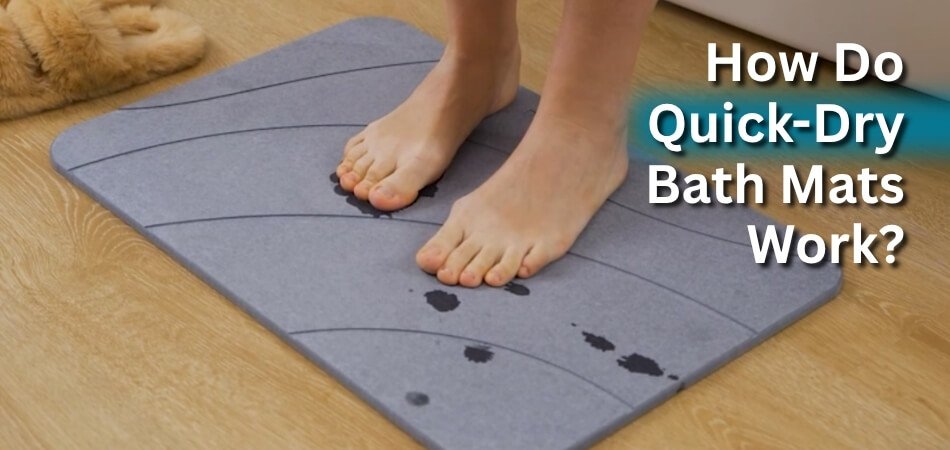
When feet touch the surface, water moves inside right away. Fine fibers or stone pores pull moisture inward using tiny spaces. This quick pull stops puddles from forming. Feet feel dry faster, and the floor stays safer after showers. That speed matters during busy mornings or shared bathrooms.
Water Spreads Out Quickly
After soaking water, the mat spreads it across a wide area. Thin layers dry faster than deep spots. Spreading lowers the wet time on the surface. The mat avoids staying soggy, so the top feels ready again soon. This helps bathrooms look neat and feel comfortable for everyday use.
Airflow Speeds Drying
Good design allows air to move around the mat easily. Open fibers or stone gaps let air pass through. Moving air lifts moisture into the air faster. With better airflow, drying time drops compared to thick cotton mats. This keeps surfaces fresh between uses each day inside.
Reduced Odor And Germ Growth
Because moisture leaves quickly, the mat stays less damp. Germs and mold prefer wet places to grow. Faster drying removes that comfort. As a result, smells are lighter, and cleaning feels easier with regular use. Homes feel cleaner without extra sprays or powders after showers most days.
Microfiber Mats Explained
Soft fabric mats use microfiber made from very fine threads. These threads create many tiny spaces for water. Liquid pulls inside fast and spreads wide. The surface feels gentle under the feet and dries quicker than normal fabric mats. They suit families wanting comfort and easy care daily.
Stone Mats Explained
Solid stone mats often use diatomaceous earth with tiny pores. Those pores absorb water almost at once. The water spreads thin across the surface. It dries very fast, leaving a firm, smooth feel underfoot. These mats resist smells and need little washing after daily use at home.
One Goal, Different Feels
Different materials lead to different feels under your feet. Fabric offers softness and warmth. Stone gives firmness and quick drying. Both types aim to absorb water fast and release it soon, keeping bathrooms dry and comfortable. Choice depends on touch preference, space style, and care habits.
Quick-dry bath mats solve common wet floor problems simply today. They absorb, spread, and dry water faster than regular mats. Fast drying helps reduce smells and keeps bathrooms safer daily. Pick the material you like and enjoy a drier bathroom.
Types of Quick-Dry Bath Mats and How They Differ
These days, quick-dry bath mats are available in a variety of designs and materials. Each type handles water, comfort, and drying speed in its own way. Some feel soft and cozy, while others feel firm and cool. Read below to see which mat type fits your bathroom best.
Diatomite Stone Mats
These mats are made from natural stone with tiny holes inside. One common example is Mat Mend, best for people who want fast drying without daily washing. The stone pulls water in quickly and releases it fast. It suits bathrooms where damp smells build up easily.
How It Feels
- Hard and firm under the feet
- Cool surface, not soft like fabric
How It Dries
- Absorbs water almost right away
- Dries faster than fabric mats
Best For
- Small or humid bathrooms
- People who dislike frequent washing
Things To Know
- Can feel cold in winter
- May crack if dropped hard
Microfiber Fabric Mats
These mats use fine synthetic fibers that pull water fast. They feel soft and warm, making them popular in many homes. Water spreads through the fibers instead of pooling. Drying is quicker than cotton, though thick styles may stay damp longer in humid rooms.
How It Feels
- Soft and cushiony
- Warm and cozy under feet
How It Dries
- Dries faster than cotton
- Thick mats may dry slower
Best For
- Families and shared bathrooms
- Cold floors need comfort
Things To Know
- Some can go in dryers
- Fluffy mats hold more water
Rubber-Backed Bath Mats
This type focuses on grip more than material. The top can be fabric or foam, while the bottom grips the floor. Drying depends on the top layer, not the backing. These mats help reduce slipping in busy bathrooms with frequent foot traffic.
How It Feels
- Depends on the top material
- Can be soft or firm
How It Dries
- Drying speed varies by top
- Thicker tops take longer
Best For
- Slippery tile floors
- Homes with kids or elders
Things To Know
- Place on dry floors only
- Grip can weaken after many washes
Choosing the right bath mat depends on comfort and drying needs. Stone mats dry fastest, while fabric mats feel softer daily. Grip-backed mats help improve safety in busy bathrooms. Pick the type that keeps your space dry and comfortable.
Quick “Which One Should I Pick?”
- Fastest drying and least soggy: diatomite stone mat
- Most comfortable underfoot: microfiber mat
- Most stable on slippery floors: rubber or latex-backed mat
Benefits of Using Quick-Dry Bath Mats
Bathrooms often stay wet after showers, which can cause safety and hygiene problems at home. Regular mats may stay damp for hours, making floors slippery and uncomfortable for daily use. Quick-dry bath mats are designed to handle water faster and stay fresher longer. Read below to see how these mats improve safety, comfort, and bathroom care.
Less Slipping On Wet Floors
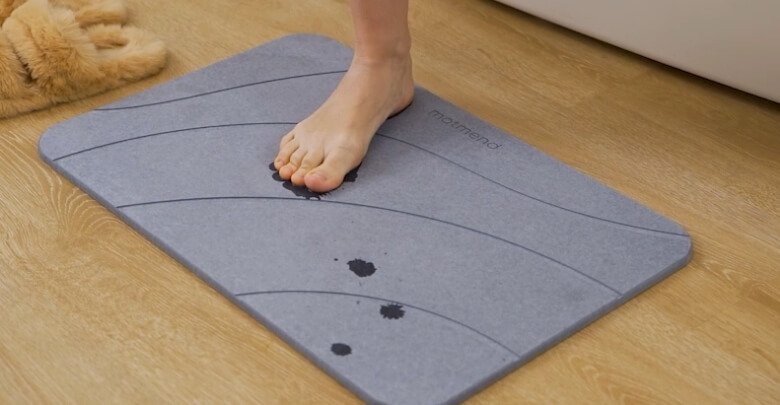
Wet tile floors increase the risk of slips after showers. A quick-dry bath mat absorbs water from feet right away. Less water reaches the floor surface. With drier tiles, balance improves. This simple change helps reduce sudden slips, especially during busy mornings or night routines when floors get wet often.
Helps Stop Mold And Bad Smells
Mold grows best in damp places that stay wet for long periods. Quick-dry mats release moisture fast instead of holding it. When the mat dries sooner, mold has less chance to grow. This also helps reduce musty smells that often build up in bathrooms with poor drying.
Keeps Bathrooms Looking Cleaner
Water left on floors can leave marks and soap stains. A fast-absorbing mat grabs moisture before it spreads. This keeps floors around showers looking neat. Dirt and residue stick less to dry tiles. Over time, the bathroom looks cleaner with less effort between regular cleanups.
Adds Comfort After Every Shower
Stepping onto cold tile can feel unpleasant after bathing. Quick-dry microfiber mats feel soft and warm under feet. Some styles offer light cushioning for added comfort. This small comfort makes daily showers feel better, especially during colder months or early mornings at home.
Works Better For Busy Bathrooms
In shared bathrooms, mats often get used many times close together. Thick mats can stay wet for hours. Quick-dry mats become usable again sooner. This helps everyone enjoy a drier surface. It reduces waiting time and keeps shared spaces more comfortable throughout the day.
Needs Less Cleaning Effort
Some quick-dry stone mats dry so fast they rarely smell. This means fewer washes compared to fabric mats. Many microfiber options are machine washable, which keeps cleaning simple. Less moisture also means less dirt buildup. Overall, maintenance becomes easier and less time-consuming.
Protects Floors And Grout Longer
Water pooling near showers can slowly damage grout and flooring. Quick-dry mats limit how long moisture stays on the surface. Keeping floors drier supports better moisture control. Over time, this helps reduce mold risks and protects bathroom surfaces from long-term water damage.
Quick-dry bath mats offer safety, comfort, and cleaner bathroom floors daily. They help manage water better than regular thick bath mats. Dry surfaces mean fewer smells and less cleaning work overall. Choosing the right mat can make bathrooms safer and more pleasant.
Why Do Regular Bath Mats Stay Wet Longer?
Regular bath mats often feel heavy and damp long after showers. Many people notice slow drying and bad smells over time. This happens because of fabric type, air flow, and bathroom moisture. Read below to understand why regular mats dry so slowly.
Thick Fibers Hold Water Deep Inside
Most regular mats use thick cotton or plush loops. These fibers soak water fast but trap it deep inside. Moisture stays buried, not near the surface. Heavier fabrics dry more slowly because water must travel farther to escape. This is common with high pile mats found in many homes.
Flat Placement Blocks Airflow Underneath
Drying needs moving air to work well. A mat pressed flat on tile blocks air below. The top may feel dry, but the bottom stays wet. Without airflow underneath, moisture escapes slowly. This hidden dampness keeps the mat wet longer after each shower.
Rubber Backing Traps Moisture Below
Many mats use solid rubber backing for grip. While helpful for safety, it blocks air movement. Water stuck in the bottom fibers cannot dry easily. Less air means slower evaporation. Breathable bases allow better drying, but solid backing often keeps moisture trapped against the floor.
Humid Bathroom Air Slows Evaporation
After hot showers, the bathroom air holds lots of moisture. When the air is already humid, drying slows down. Water cannot evaporate fast without dry air moving around. Poor ventilation makes this worse. Fans and open doors help, but mats still dry slowly in damp rooms.
Damp Fabric Leads To Odors Over Time
Wet fabric left too long invites mold and mildew growth. These causes musty smells that many people notice. Health advice often suggests drying fabrics within one or two days. Regular mats struggle with this. Unlike regular mats, quick-dry versions are made from the best materials for quick drying, such as diatomaceous earth and microfiber, which absorb water fast and release it into the air more efficiently.
Regular bath mats dry slowly due to their thickness and poor airflow. Humidity and trapped moisture make the problem worse over time. This can lead to smells and extra cleaning effort. Knowing the cause helps you choose better drying options.
Simple Ways to Help a Regular Mat Dry Faster
- Hang it over a rail or the tub edge so both sides get air.
- Run the exhaust fan after showers (or open a window) to cut humidity.
- If it has a rubber backing, flip it up sometimes so the floor side can breathe.
How to Clean and Maintain Quick-Dry Bath Mats?
Quick-dry bath mats still need care to work well. Cleaning keeps them fresh, safe, and free from bad smells. Drying habits matter just as much as washing routines. Follow the tips below to keep your mat working longer.
Basic Care Rules For All Quick-Dry Mats
Good care starts with simple daily habits that limit moisture. Mats should never stay wet for days. Fresh air helps lower bathroom humidity after showers. To keep your mat fresh and mold-free, cleaning alone is not enough; drying a bath mat properly is just as important to maintain its quick-dry function and prevent bacteria buildup.
Cleaning Microfiber Or Fabric Mats
Soft, quick-dry mats need regular washing to stay fresh. Always check the care label first. Shake off dust before washing. Use cold or warm water with mild detergent. Skip fabric softener since it coats fibers. Dry gently, and air-dry rubber-backed mats to protect grip and shape.
Removing Odors From Fabric Mats
Light smells can build up even with regular washing. Washing with detergent usually helps. If allowed by the label, add a small amount of white vinegar during the rinse. This helps reduce odor. Always dry the mat fully afterward. Damp fabric left behind can quickly bring smells back again.
Cleaning Stone Or Diatomite Mats
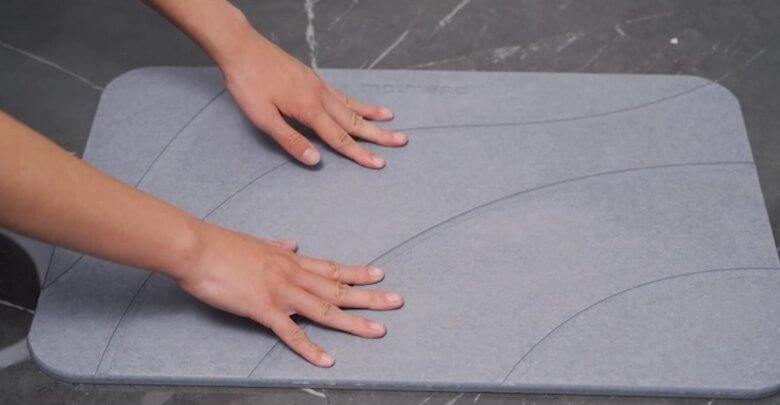
Stone mats need surface care, not machine washing. Rinse with clean water or wipe using a damp cloth. Use a soft sponge for marks. Stand the mat upright to dry both sides. Never leave it sitting in water, since standing moisture can slow drying and damage pores.
Deep Cleaning And When To Replace
Over time, stone pores may clog with soap residue. Light sanding with fine sandpaper can restore absorbency. Rinse and dry fully after sanding. Fabric mats should be replaced when smells stay after washing or the backing cracks. Stone mats need replacement if cracked or no longer absorbent.
Cleaning and drying habits keep quick-dry mats working properly. Simple care helps prevent smells and mold over time. Different materials need slightly different cleaning steps. With regular care, your bath mat stays fresh and reliable.
FAQs About How Do Quick-Dry Bath Mats Work?
Quick-dry bath mats can seem simple, yet many people still have small concerns about how they work and how to use them the right way. This FAQ section clears up common questions in easy words. You will find helpful tips that explain how these mats stay dry, stay clean, and stay useful for daily bathroom routines.
How Do Quick-Dry Bath Mats Handle Water?
Quick-dry mats pull water into tiny spaces in the material instead of letting it sit on top. This helps the mat dry much faster than thick cotton mats. The water spreads out inside the mat, which helps it evaporate sooner. This keeps the surface dry and safe to step on.
Why Do Quick-Dry Mats Feel Dry Again So Fast?
These mats use materials that release moisture into the air quickly. Because the water spreads into thin layers, air can remove it faster. This fast release makes the surface feel dry again within a short time. It helps the mat stay ready for the next person who uses the bathroom.
How Do Quick-Dry Mats Stay Fresh Longer?
Quick drying stops moisture from sitting too long in one place. When water leaves fast, smells and germs have less time to grow. This helps the mat stay clean without extra effort. It also keeps the bathroom feeling fresher day after day.
How Does Material Type Change Drying Speed?
Some mats use microfiber, while others use stone-like materials with tiny pores. Each type absorbs water in a different way. Microfiber holds water in fine threads, while stone mats pull water deep into small pockets. Both can dry fast, but stone mats often dry the quickest.
How Does Airflow Help Quick-Dry Mats Work Better?
Air movement helps remove moisture from the mat surface. Even a small amount of fresh air can speed up drying a lot. When air can move around the mat, water turns to vapor much faster. This is why placing the mat in an open space helps it work even better.
How Do Quick-Dry Mats Reduce Bathroom Moisture?
A mat that absorbs water quickly keeps puddles from forming on the floor. This helps limit the amount of water that stays in the room. Less water on the floor means less moisture rising into the air. This also helps the bathroom stay less humid after each shower.
Bottom Line
Quick-dry bath mats make everyday bathroom use easier and cleaner. They help manage water fast, reduce wet floors, and limit bad smells over time. With better drying, bathrooms feel safer and more comfortable. Choosing the right mat can save cleaning time and protect floors without changing daily habits much.
So, how do quick-dry bath mats work? They absorb water fast, spread it thin, and let air remove moisture quickly. This simple process keeps mats from staying damp. Materials like microfiber and stone are designed to release water faster than regular thick mats.
To get the best results, give mats fresh air after showers and clean them on time. Place them where air can move freely. Rotate mats if needed in humid spaces. With simple care and smart choices, your bathroom can stay fresh. Best wishes for a drier and happier home.


