
If you often deal with tired, swollen, or aching legs, you’ve probably heard about air compression therapy. It’s become a popular method among people who want to boost circulation, relax sore muscles, and feel lighter after long workdays or workouts. But many still wonder, does air compression therapy work?
Yes, it does. Air compression therapy helps improve blood flow, reduce swelling, and relieve leg fatigue by using gentle air pressure to massage your legs. The rhythmic squeezing motion promotes faster muscle recovery and helps your body flush out fluid buildup naturally.
People who use it regularly often report noticeable improvements in comfort and mobility within a short time. If you’re curious about how this therapy actually works and whether it’s right for you, continue reading to uncover the full picture.
Does Air Compression Therapy Work?
Air compression therapy is known to help people who struggle with swelling, stiffness, or poor leg circulation. It works by applying controlled air pressure through sleeves or wraps that inflate and deflate in cycles, stimulating circulation and relaxing tense muscles. Many people experience lighter, more relaxed legs after regular sessions. Let’s explore how air compression therapy actually works inside the body.
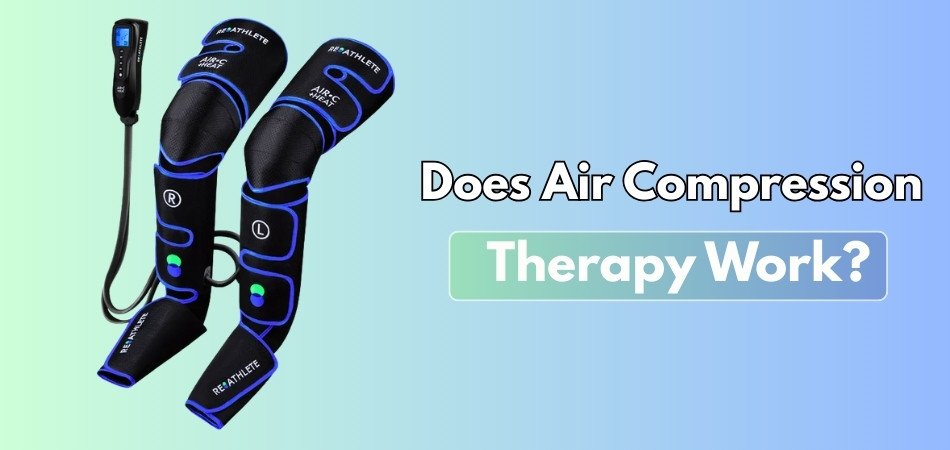
Boosts Blood Circulation and Muscle Oxygenation
The therapy gently applies pressure in rhythmic waves, helping blood move upward from the feet toward the heart. This steady flow brings more oxygen to tired muscles, reduces fatigue, and supports faster recovery. It’s especially beneficial for those who spend long hours standing, walking, or working out regularly.
Supports Lymphatic Drainage and Reduces Swelling
It also helps your lymphatic system clear trapped fluids that often cause puffiness or leg tightness. This fluid movement reduces swelling and improves comfort, especially for people dealing with heaviness or mild inflammation. Over time, consistent use can lead to visibly lighter and healthier-looking legs.
Relieves Pain and Improves Mobility
Devices like the Air-C compression massager use controlled air chambers to ease deep muscle soreness and stiffness. The massage-like action helps loosen tight spots, restore flexibility, and relieve lingering pain after exercise or long workdays. Many users report that regular sessions bring lasting comfort without needing medication.
Encourages Relaxation and Better Rest
Beyond physical relief, air compression therapy provides a calm and soothing experience. The rhythmic squeezing promotes relaxation, helping the body unwind and release tension. Many people find it helpful before bedtime, as the therapy encourages better sleep and reduces nighttime restlessness caused by heavy or achy legs.
Air compression therapy truly works by combining improved blood flow, reduced swelling, and muscle recovery into a simple, home-friendly solution. Whether you’re aiming for pain relief, better circulation, or daily leg comfort, this therapy offers a safe and natural path to stronger, more refreshed legs.
Common Health Conditions That Benefit from Air Compression Therapy
Air compression therapy has gained attention for its ability to relieve several leg-related conditions by improving circulation and reducing fluid buildup. It’s used both medically and at home for recovery and comfort. Let’s explore the key conditions where this therapy makes a meaningful difference.
Lymphedema and Fluid Retention
Lymphedema causes swelling when lymph fluid collects in tissues. Air compression therapy helps move this trapped fluid back into circulation through gentle pressure cycles. Regular use can reduce heaviness, improve mobility, and prevent further buildup, offering a non-invasive way to manage ongoing discomfort and swelling.
Chronic Venous Insufficiency
This condition occurs when leg veins struggle to push blood upward, leading to swelling, cramping, and fatigue. Air compression therapy supports venous return by imitating natural muscle movement. The rhythmic squeezing helps blood flow toward the heart, reducing pain and improving daily comfort for people with circulation issues.
Post-Surgery Swelling and Recovery
After surgery, fluid retention and reduced movement often slow healing. Air compression therapy assists recovery by stimulating blood and lymph flow. It minimizes swelling, supports tissue repair, and helps prevent blood clots, making it a valuable addition to post-operative rehabilitation when recommended by healthcare professionals.
Sports and Muscle Recovery
Athletes often use air compression to speed up recovery after training or competition. The therapy helps flush out lactic acid and relax tense muscles. This reduces soreness and promotes quicker recovery, allowing the body to prepare for the next session without lingering stiffness or pain.
Poor Circulation and Leg Fatigue
People who sit or stand for long hours often experience poor circulation, heaviness, or mild swelling in the legs. Air compression therapy boosts blood flow, eases pressure, and helps maintain leg health. Many users experience multiple benefits of air compression therapy, including improved leg circulation, reduced inflammation, and faster healing.
Air compression therapy offers a practical, drug-free solution for managing various conditions that affect leg health. Whether for medical recovery or daily comfort, its consistent results make it one of the most effective ways to support natural healing, restore mobility, and improve overall leg well-being.
How Often Should You Use Air Compression Therapy?
Air compression therapy can be safely used several times a week to support circulation and relieve fatigue. However, the ideal frequency depends on your activity level and specific needs. Let’s look at how often different users can benefit from consistent, well-timed sessions.
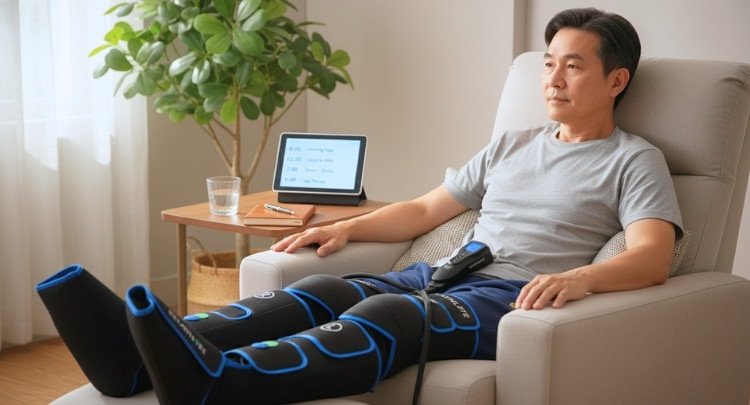
General Wellness and Daily Comfort
For most people, using air compression therapy for 20 to 30 minutes, three to five times per week, is enough to maintain circulation and reduce minor swelling. Regular use helps prevent fatigue from long sitting or standing hours, keeping your legs light and relaxed throughout the week.
Athletes and Active Individuals
Athletes who train frequently can use air compression therapy more often, typically after workouts or competitions. Daily 20-minute sessions help flush out lactic acid, reduce soreness, and speed up muscle recovery. This consistency ensures muscles stay flexible and ready for the next round of physical activity.
Patients in Recovery or With Medical Conditions
People recovering from surgery, or managing conditions like lymphedema or venous insufficiency, may require daily use under medical supervision. Healthcare providers often suggest 20 to 40-minute sessions, depending on the condition’s severity. Professional guidance helps ensure safe pressure settings and proper treatment duration for effective results.
Adjust the Frequency
If you notice discomfort, skin irritation, or excessive soreness, reduce session time or frequency. The goal is comfort and gradual progress. Individuals with chronic conditions, heart problems, or blood clots should always consult a healthcare professional before increasing therapy duration or intensity.
Consistency is key when using air compression therapy. Whether for recovery or general wellness, moderate and routine sessions bring lasting benefits without strain. Listening to your body and following professional advice ensures you get safe, balanced, and effective results over time.
At-Home Devices vs. Professional Clinics: Which Option Works Best?
Choosing between an at-home air compression device and a clinic-based system depends on your recovery goals, time, and budget. Both options offer meaningful results, but they serve slightly different needs. Let’s break down the main differences to help you make an informed choice.
At-Home Air Compression Devices
Home-based air compression leg massagers are ideal for daily comfort and convenience. They allow users to enjoy therapy anytime without appointments or travel. Many users experience real pain relief with leg massagers made for home use, while clinic-grade systems often provide more targeted pressure settings for recovery. These devices are also cost-effective for long-term use.
Professional Clinical Systems
Clinics use larger, hospital-grade compression machines with adjustable intensity and advanced monitoring. They deliver deeper, targeted pressure for severe conditions or post-surgery recovery. Professional supervision ensures customized settings and safety. However, regular clinic visits can be more expensive and less convenient for those seeking daily therapy.
Safety and Accessibility
At-home devices are safe for most people, especially when used as directed. They provide moderate compression suitable for general recovery and comfort. Clinical systems, on the other hand, are best for people needing medical-grade precision or professional observation, such as patients recovering from surgery or managing chronic venous issues.
Quick Comparison
| Feature | At-Home Devices | Professional Clinics |
| Cost | One-time purchase, budget-friendly | Pay per session, higher long-term cost |
| Intensity | Moderate and adjustable | High-level medical-grade pressure |
| Convenience | Use anytime at home | Requires appointments and travel |
| Safety | Safe for general use | Supervised for medical conditions |
| Results | Gradual, consistent relief | Fast, targeted treatment for recovery |
Both options are effective in their own way. Home devices provide accessible, consistent comfort for everyday use, while clinics deliver specialized care for deeper recovery needs. The best choice depends on your lifestyle, budget, and how much professional guidance your condition requires.
Tips for Getting the Most Out of Air Compression Sessions
To enjoy the full potential of air compression therapy, it’s important to use it correctly and consistently. Small adjustments in your routine can make a big difference in comfort and results. Follow these helpful tips to improve each session’s effectiveness.
- Maintain Proper Leg Positioning: Keep your legs flat and relaxed during each session. Elevating them slightly helps improve circulation and ensures even air pressure throughout your legs for smoother, more balanced relief.
- Stay Hydrated Before and After Sessions: Drinking water helps your body flush out waste and reduce fluid retention. Staying hydrated improves the overall effectiveness of compression therapy and keeps your muscles feeling relaxed and refreshed.
- Start with Lower Pressure Settings: Begin in a gentle mode and slowly increase the intensity as your body adjusts. This prevents discomfort and ensures your muscles adapt naturally to the compression without strain.
- Use Consistently for Best Results: Regular use, ideally a few times each week, helps maintain circulation and reduce tightness. Consistency is key to achieving lasting comfort and noticeable improvements in mobility.
- Combine with Stretching and Rest: Gentle leg stretches after each session enhance flexibility and recovery. Pairing compression therapy with short breaks or rest periods helps your muscles recharge and prevents fatigue from overuse.
- Listen to Your Body’s Response: Stop the session if you feel pain or discomfort. Your legs should feel relaxed, not pressured. Adjust the settings or duration to match your comfort level for safe and pleasant results.
Using air compression therapy wisely ensures long-term comfort and better performance. When paired with good habits like hydration and stretching, it becomes a simple, relaxing routine that supports stronger, more energetic legs every day.
Who Should Avoid Using Air Compression Therapy?
While air compression therapy is safe for most people, certain medical conditions require extra caution. Knowing when to consult a healthcare professional helps prevent complications and ensures safe use. Let’s look at the situations where medical guidance becomes essential before starting therapy.
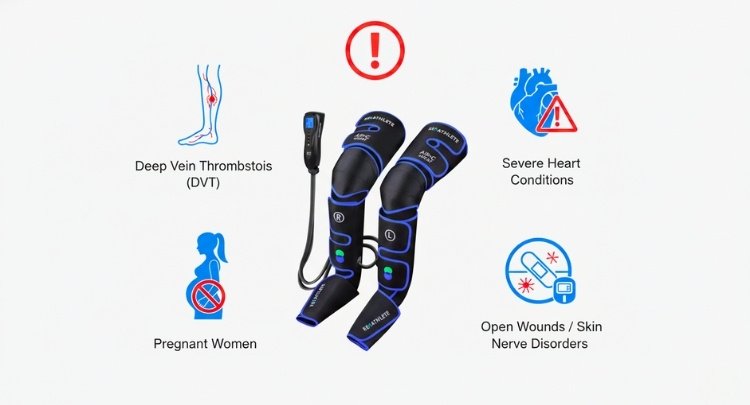
Individuals With Deep Vein Thrombosis (DVT)
People with a history of DVT should not use air compression therapy without medical advice. The therapy increases circulation, which could dislodge blood clots and cause serious complications. A doctor’s evaluation ensures it’s safe and suitable for individual recovery needs.
Those With Severe Heart Conditions
Patients with heart failure or related cardiovascular problems should avoid compression therapy unless prescribed. The added pressure can affect blood flow and strain the heart. Professional assessment helps determine if modified or alternative treatments are safer options.
Pregnant Women
Pregnancy often causes natural swelling in the legs, but using compression therapy during this time should be done carefully. It’s best to consult a doctor before starting, as pregnancy-related circulation changes may require specialized care or lighter pressure settings.
People With Open Wounds or Skin Infections
If you have wounds, rashes, or infections on your legs, avoid using compression devices until they heal. Pressure on irritated skin can worsen inflammation or spread bacteria. Always wait for complete recovery before resuming therapy sessions.
Individuals With Uncontrolled Diabetes or Nerve Disorders
Those with diabetic neuropathy or poor sensation in the legs should be cautious. Reduced nerve response might prevent you from sensing excessive pressure, increasing the risk of injury. Medical guidance ensures safe use with proper intensity adjustments.
Air compression therapy offers many benefits, but responsible use is vital. People with serious health concerns should always consult a qualified medical professional before starting any therapy. This simple step ensures effective, safe, and worry-free results for long-term leg comfort and wellness.
Frequently Asked Questions
If you’re considering trying air compression therapy or using a home device, you might still have a few questions in mind. Here are some of the most common ones people ask before adding this relaxing and effective routine to their daily life.
Can Air Compression Therapy Help With Varicose Veins?
Yes, it can provide relief from discomfort caused by varicose veins. The gentle compression improves circulation and reduces swelling, which helps ease pain and heaviness in the legs. However, it’s best to seek medical advice before starting regular sessions.
Is Air Compression Therapy Safe to Use Every Day?
For most people, daily use is perfectly safe and beneficial. Regular sessions can keep your legs refreshed and free from stiffness. Just ensure you follow recommended duration limits and stop immediately if you feel any discomfort or numbness.
Can Air Compression Therapy Improve Sleep Quality?
Many users say they sleep better after evening sessions. The gentle massage effect relaxes muscles and calms the body, making it easier to fall asleep. It can be a soothing addition to your bedtime routine for better rest and recovery.
What Should I Wear During a Compression Session?
It’s best to wear lightweight, breathable clothing or thin leggings under the compression sleeves. Avoid thick fabrics that may interfere with the device’s pressure flow. Keeping your legs clean and dry also helps ensure comfort and better performance.
How Soon Can I Expect Visible Results?
Some people notice relief within a few sessions, while others see visible improvement after a week or two of regular use. Consistency matters the most. As circulation improves, swelling reduces, and your legs start feeling lighter and more active.
Can I Use Air Compression Therapy After Exercise?
Yes, it’s an excellent recovery method after workouts. The therapy helps flush out lactic acid, reduce soreness, and promote faster muscle repair. Many athletes use it post-training to keep their legs relaxed and ready for the next session.
Do Air Compression Devices Require Any Maintenance?
Very little maintenance is needed. You can simply wipe the sleeves with a soft cloth after use and store them in a dry place. Keeping the hoses untangled and clean ensures your device lasts longer and functions efficiently.
Concluding Words
Air compression therapy has proven to be more than just a wellness trend. By improving circulation and easing soreness, it helps restore energy and comfort in your legs. Many users say it makes a visible difference in how their legs feel every day.
For those wondering does air compression therapy work, the answer lies in consistency and proper use. When done correctly, it offers natural relief without side effects or strain. It’s a simple, time-efficient way to support recovery and overall leg health.
Whether for post-workout relaxation or daily comfort, this therapy fits easily into most lifestyles. Safe, practical, and effective, it remains one of the best modern solutions for keeping your legs active, pain-free, and refreshed.


