
Snoring slips into quiet nights and slowly disturbs rest without warning. It feels small at first, but often grows into a daily problem. Many notice poor sleep, tired mornings, and shared frustration over time, and start wondering do anti-snoring pillows really work?
Anti-snoring pillows can work for mild to moderate snoring by improving head alignment, promoting side sleeping, and gently elevating the airway. They help reduce throat vibration that causes snoring. Results vary by person and sleep habits. They’re most effective when used consistently and paired with healthy sleep routines.
Are you curious about how pillows, habits, and small changes affect snoring? This article explains pillow types, common mistakes, real benefits, limits, and smart alternatives. You will find clear points, easy examples, and honest details. Reading further helps you decide what fits your sleep needs best.
What Causes Snoring in the First Place?
Snoring starts when air cannot move smoothly through the nose and throat during sleep. When throat muscles relax too much, the airway becomes narrow. Air passing through this tight space makes soft tissues shake. This vibration is what creates the rough snoring sound people hear at night.
Problems in the nose also play a big role in snoring. Allergies, colds, sinus trouble, or a bent nasal wall can block airflow. When breathing through the nose becomes hard, air is forced through the mouth, which increases vibration and makes snoring louder during sleep.
Sleeping position and body weight strongly affect snoring. Lying flat on the back allows the tongue to fall backward and block airflow. Extra weight around the neck presses on the throat. Both reduce air space, causing stronger shaking of tissues and louder snoring sounds.
Age, alcohol, medicines, and throat shape can make snoring worse. As people grow older, throat muscles weaken and collapse easily. Alcohol and some drugs relax muscles too much. Large tonsils, a long soft palate, or a big tongue narrow the airway and increase snoring.
Quick points to remember:
- Snoring happens when airflow is blocked
- Relaxed throat muscles cause vibration
- Nose blockage forces mouth breathing
- Back sleeping and extra weight increase snoring
- Alcohol and weak muscles make it worse
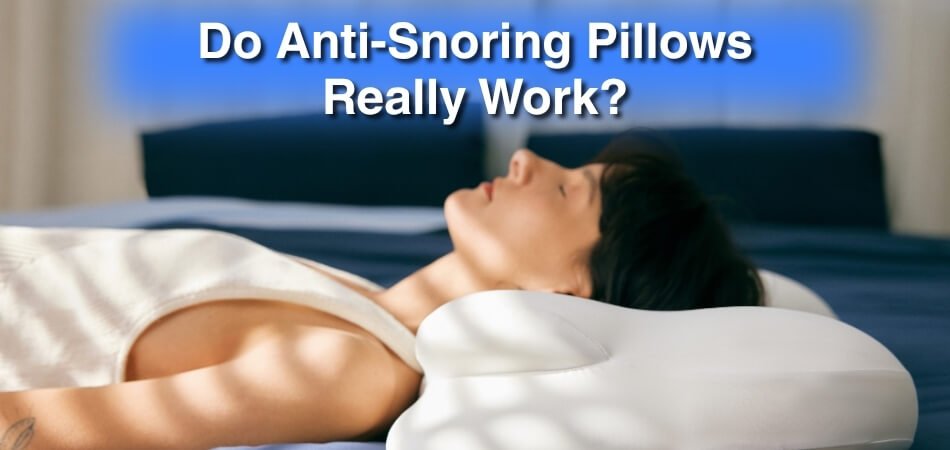
Do Anti-Snoring Pillows Really Work?
Snoring is common and often linked to sleep position and airway shape. Many people look for simple fixes before trying medical treatments. Anti-snoring pillows are one option that claims to help quietly. Below, we explain how they work and who may benefit.
How Anti-Snoring Pillows Help Breathing
Better head and neck support can keep airways open during sleep. When alignment improves, soft tissues are less likely to collapse. This reduces throat vibration, which causes snoring sounds. The goal is steady airflow without forcing uncomfortable positions or pressure on the neck. It works best with consistent use.
Encouraging Side Sleeping Naturally
Sleeping on one’s back often makes snoring worse for many people. Special pillow shapes make side sleeping feel easier and more stable. This position helps keep the tongue from blocking airflow. Over time, the body adjusts, making side sleeping feel more natural and less forced during nightly rest periods as well.
Elevation And Airway Support
Raising the head slightly can improve airflow through the throat. Gentle elevation uses gravity to reduce airway collapse. This can help people who snore while lying flat. The support should feel comfortable, not stiff, so sleep quality stays steady all night without strain on the neck muscles or spine.
Different Pillow Types And Results
Anti-snoring pillows come in several designs with different benefits. Contour pillows support the neck curve. Wedge pillows focus on head elevation. Smart pillows react to snoring with gentle movement. Results vary by person, sleep habits, and comfort preferences over time based on pillow fit and nightly consistency levels overall.
Who Gets The Best Results
People with mild to moderate snoring often notice the biggest changes. Snoring caused by sleep position responds better to pillows. Weight, nasal issues, and sleep habits also matter. These pillows are less helpful for severe sleep apnea without medical guidance from a qualified healthcare professional first, when symptoms persist.
Comfort And Long-Term Use
Comfort plays a big role in whether a pillow helps. If a pillow feels awkward, people stop using it. Materials, height, and firmness should match sleep style. A well-designed option can support better sleep without feeling like a forced change over weeks of regular nightly use at home comfortably.
Choosing A Practical Pillow Option
When choosing a pillow, look for balanced support and a simple design. In this case pillow like CloudAlign Pillow comes in handy for people needing gentle alignment support. It focuses on comfort and posture rather than bold claims. Choosing wisely helps set realistic expectations and steady sleep improvement over time naturally.
Anti-snoring pillows can help, but they are not magic fixes. Results depend on comfort, consistency, and the cause of snoring. They work best when combined with healthy sleep habits daily. If snoring continues, medical advice is always a safe step.
Types of Anti-Snoring Pillows and How They Differ
Snoring pillows come in many types that help breathing feel easier at night. Each design supports the head and neck in a different way. Small position changes can lower throat noise during sleep. Read below to understand each pillow type in detail and choose wisely.
Memory Foam Pillows
Many sleepers prefer these because they shape gently around the head and neck. The foam supports natural neck alignment and keeps the airway more open. As mentioned earlier, the CloudAlign pillow, it focuses on steady neck balance and even pressure support. Check the Cloud Align performance insights for better comfort understanding.
Wedge Pillows
These pillows raise the upper body at a soft angle to support breathing. Elevation reduces pressure from soft tissues falling backward into the throat. This position helps air pass with less effort. People with blocked noses or back sleeping habits often feel that breathing becomes calmer and more regular during rest.
Adjustable Pillows
Height or filling of these pillows can be changed to match personal comfort needs. Sleepers who move often benefit from support that adapts while keeping the neck steady and the airway clear. This can reduce strain on throat muscles and help lower snoring throughout the night.
Smart Pillows
These pillows react when snoring begins by making small position changes. Gentle lifts can open airflow without waking the sleeper. Some also track simple sleep patterns for awareness. They suit people who snore often and want quiet support that adjusts naturally as sleep positions change.
A small pillow change can improve sleep comfort and breathing flow. Knowing how each type works makes choosing easier. Focus on neck support and steady airflow first. Use the details above to pick a pillow that fits your sleep needs well.
Common Mistakes People Make When Using Anti-Snoring Pillows
Many people buy anti-snoring pillows hoping for quick, easy nighttime relief. These pillows can help, but only when used each night correctly. Small mistakes often stop the pillow from doing its job. Read below to learn common errors and how to avoid them.
Choosing The Wrong Pillow Height
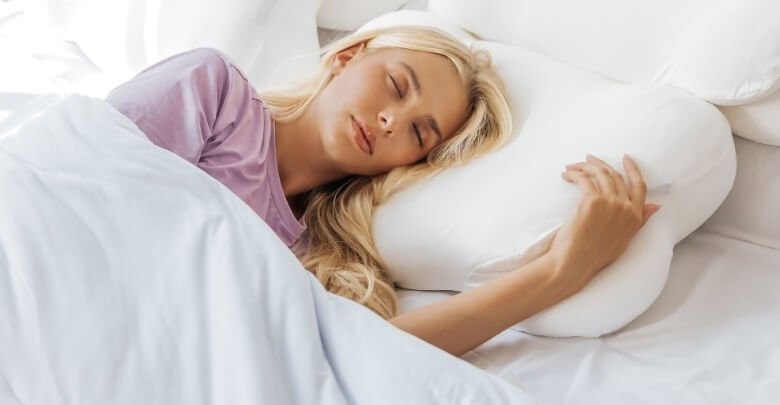
Poor height choice can bend the neck and block airflow. A pillow too high pushes the chin downward, narrowing breathing space. One of the most common mistakes is choosing the wrong type for the position. For example, unsuitable pillows for side sleepers can raise neck strain and worsen snoring.
Not Matching The Pillow With Sleep Position
Anti-snoring pillows work best when matched to how you sleep. Back sleepers often need gentle lift and contour support. Side sleepers need enough space between their head and shoulder. Using the wrong style limits comfort and reduces the pillow’s ability to keep air moving freely during long nights.
Expecting The Pillow To Fully Stop Snoring
Many users expect instant silence once they change pillows. Snoring has many causes beyond sleep position alone. Issues like blocked noses or weight changes still matter. A pillow can reduce noise for some people, but it cannot replace medical care when serious breathing problems exist at night regularly.
Not Staying In The Suggested Sleep Position
Some pillows guide sleepers toward side or raised positions. Results drop when people roll onto their backs often. The design only helps if the position stays steady. Training the body takes patience, and slipping back to old habits can undo progress quickly during long sleep hours nightly.
Ignoring Care, Comfort, And Other Helpful Habits
Using a pillow alone may limit real improvement. Dirty or worn pillows can trigger stuffy noses. Skipping simple habits like cleaning covers matters more than expected. Reducing alcohol, treating congestion, and keeping pillows fresh help breathing stay clearer through the night for better rest and quieter sleep.
Anti-snoring pillows can help, but small mistakes reduce their benefits. Comfort, fit, and habits matter more than many people realize. Choosing wisely and using pillows correctly supports calmer, quieter nights. Pay attention to sleep habits to get the best results.
Are There Alternatives to Anti-Snoring Pillows?
Many people want options beyond special pillows for quieter sleep. Snoring can have different causes, so one solution may not fit all. Simple changes or tools often help improve airflow at night. Explore the alternatives below to see what may work best.
Changing Sleep Position
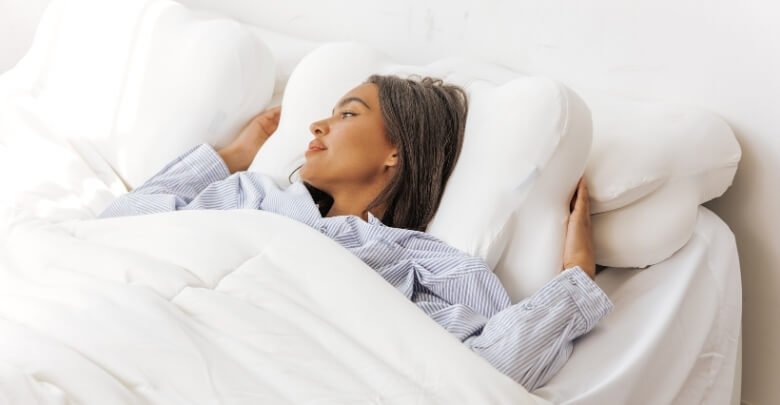
Sleeping position plays a big role in snoring. Lying on the back allows the tongue to fall backward. This can block airflow and cause loud sounds. Side sleeping helps keep the airway open. Many people notice less snoring by changing position alone, without buying special tools or devices.
Using Nasal Aids
Nasal strips and nasal dilators help air move through the nose. They gently widen nasal passages and reduce resistance. This can be helpful for people with congestion or narrow nasal airways. These aids are easy to use and work best for snoring linked to blocked or stuffy noses.
Making Simple Lifestyle Changes
Daily habits strongly affect snoring levels. Alcohol before bed relaxes throat muscles too much. Extra weight adds pressure on the airway. Smoking and allergies can cause swelling. Small changes like a better diet, less alcohol, and allergy control can improve airflow and reduce snoring over time.
Trying Mouth And Jaw Devices
Mouth devices are worn during sleep to support breathing. They gently move the jaw forward or hold the tongue in place. This helps keep the airway open. Many people find them helpful for steady snoring. They often work best when fitted properly and used each night consistently.
Using Nasal Pressure Devices
Nasal pressure devices create gentle resistance when breathing out. This pressure helps keep the airway from collapsing. These small devices sit over the nose. They are often tried when simple methods fail. Results vary, so comfort and regular use matter for steady improvement.
Exploring Medical Options
Some snoring signals deeper health concerns. Loud snoring with breathing pauses needs attention. Doctors may suggest sleep studies to find causes. Machines like CPAP push air gently into the airway. These options are usually for serious cases and should follow medical advice carefully.
Snoring has many causes, so alternatives help in different ways. Simple changes often work before trying medical treatments. Comfort and consistency matter with any method you choose. If snoring stays strong, medical advice is a safe next step.
Commonly Asked Questions
Many readers still have questions after learning how anti-snoring pillows work. Small details often make a big difference in real results. The FAQs below clear common doubts people usually have. Read them to feel more confident before choosing or using one.
Do Anti-Snoring Pillows Work For Everyone?
Anti-snoring pillows do not work the same for every person. Some people see clear improvement, while others notice little change. Results depend on the cause of snoring and sleep habits. These pillows work best for position-related snoring, not for all breathing problems.
How Long Does It Take To See Results?
Some people notice changes within a few nights of use. Others may need one to two weeks for their body to adjust. Consistent use matters more than quick expectations. If there is no change after several weeks, the pillow may not be the right fit.
Can Anti-Snoring Pillows Cause Neck Pain?
Neck pain can happen if the pillow height or shape is wrong. A pillow that forces the neck into an awkward angle can cause stiffness. Proper alignment should feel natural and relaxed. If pain continues, switching to a different pillow style is a safer choice.
Are Anti-Snoring Pillows Safe For Older Adults?
These pillows are generally safe for older adults when chosen carefully. Comfort and gentle support are very important. Firm or high pillows may cause discomfort for sensitive joints. It is best to choose soft support and stop use if pain appears.
Can You Use Anti-Snoring Pillows While Traveling?
Yes, some anti-snoring pillows are travel-friendly and easy to carry. Compact or inflatable designs work well for trips. Using the same pillow helps keep sleep habits steady. This can reduce snoring changes caused by sleeping in new places.
Do Pillow Materials Affect Snoring Results?
Material choice affects comfort and airflow support. Memory foam holds its shape well and supports the neck. Softer materials may feel comfortable but offer less control. Choosing breathable and supportive materials helps keep sleep calm and steady.
Final Words
Anti-snoring pillows offer real help when snoring comes from sleep position or poor neck support. They work best with comfort, correct fit, and steady nightly use. They are not cures for every cause, but they can reduce noise for many people, so the answer to do anti-snoring pillows really work, is yes, for the right reasons.
To get better results, focus on comfort first and use the pillow every night. Keep pillows clean, avoid alcohol before bed, and try side sleeping when possible. Small habits matter over time. We wish you calmer nights, better rest, and quieter sleep ahead.


