
Tooth decay is one of the most common dental problems worldwide, often beginning long before you feel any pain. But what if something as simple as chewing gum could actually help reverse that process? Many people are now wondering can remineralizing gum reverse cavities?
Yes, remineralizing gum can help reverse cavities, but only in their earliest stages. It works by replenishing essential minerals like calcium and phosphate in tooth enamel, strengthening weak spots before decay worsens. For lasting protection, use it with fluoride toothpaste, regular brushing, flossing, and professional dental checkups.
If you’ve ever wanted a simple, daily way to support your teeth beyond brushing and flossing, this might be it. Keep reading to learn how remineralizing gums work, what science says about their results, and how you can use them to protect and strengthen your smile naturally.
Can Remineralizing Gum Reverse Cavities?
Simply put, remineralizing gum can help in the early stages of cavity formation. It works by replenishing lost minerals in weakened enamel before decay becomes permanent. While it can’t fix deep or fully developed cavities, it can stop early damage from getting worse and even rebuild the enamel surface over time. Here’s how this process helps in controlling and reversing early tooth decay.
Restores Lost Enamel Minerals
Remineralizing gum delivers key minerals like calcium, phosphate, and hydroxyapatite directly to your saliva. As you chew, these minerals reattach to weakened enamel areas, rebuilding structure and slowing down the cavity formation process before permanent damage occurs.
Prevents Further Demineralization
Early cavities start when acids from bacteria remove minerals faster than your body can replace them. The minerals in these gums help neutralize acids and restore balance, preventing the enamel from softening further. This strengthens the outer layer, making it more resistant to decay.
Boosts Saliva Production
Chewing stimulates saliva, which is essential for natural remineralization. Saliva acts as a transport system that delivers minerals and washes away harmful acids. The increased flow enhances the gum’s ability to distribute minerals evenly, promoting better enamel repair and protection throughout the day.
Creates a Protective Enamel Barrier
As minerals accumulate, a thin protective layer begins to form on the enamel surface. This layer shields the teeth from acid attacks caused by sugary foods and bacteria. Over time, it acts like a defense wall, helping maintain enamel integrity and reducing the chance of new cavity formation.
Reduces Bacterial Growth
Remineralizing gums helps reduce plaque-causing bacteria by stabilizing mouth’s pH. When acidity drops, bacteria find it harder to thrive, and enamel remains safer from erosion. This microbial balance supports both cavity prevention and overall gum health naturally.
Helps Heal Early White Spots
The first visible sign of a cavity is often a small white spot on the enamel. Consistent use of remineralizing gum can fade these spots over time as minerals fill the weakened areas, reversing the early stages of decay and restoring the enamel’s smooth surface.
Supports Overall Oral pH Balance
A neutral pH environment helps protect teeth from acid wear. The gum’s ingredients work alongside saliva to stabilize acidity levels, ensuring that the enamel has an ideal condition for mineral absorption and strengthening, which is key to preventing new cavities.
Improves Results When Used Properly
Many people underestimate how much timing and consistency matter. The best results come from using remineralizing gum correctly, such as after meals or sugary snacks. This ensures maximum mineral absorption and protection, helping the enamel rebuild efficiently and resist new decay over time.
Understanding the Early Stages of Cavity Formation
Cavities don’t appear overnight; they’re the result of a gradual process that weakens your enamel over time. The earliest stage begins silently, long before you feel pain or see visible damage. Understanding how cavities form helps you act early and prevent permanent tooth decay. Here’s what happens in the initial stages.
Demineralization Begins
Every time you eat or drink something sugary or acidic, bacteria in your mouth produce acids. These acids start to dissolve the minerals in your enamel, creating the first step toward decay. This stage is reversible if minerals are restored in time through remineralization.
Plaque Formation on Teeth
When leftover food particles mix with bacteria, they form a sticky film called plaque. This layer clings to the tooth surface, trapping acids close to the enamel. Without proper cleaning, plaque hardens into tartar, accelerating the breakdown of your enamel.
Enamel Weakens Gradually
As acid attacks continue, your enamel begins to lose its strength. Tiny pores and rough spots appear, making the surface less resistant to daily wear. This stage often goes unnoticed but marks the beginning of visible white spots that indicate mineral loss.
White Spot Lesions Appear
The first visible sign of enamel damage is usually a faint white spot. It’s a signal that minerals are being lost faster than they’re replaced. At this point, remineralizing products like gums or toothpastes can still help reverse the process and restore enamel smoothness.
Acidic Conditions Deepen Damage
When acids remain on teeth for too long, they penetrate deeper into the enamel layers. This creates soft spots that bacteria can exploit, slowly forming the early stages of a cavity. Maintaining a neutral pH environment in your mouth is key to stopping this phase.
Decay Reaches the Dentin Layer
If enamel loss continues untreated, the decay progresses into the dentin, the softer layer beneath. This stage often causes sensitivity and pain, signaling that the cavity has advanced beyond self-repair. Only professional treatment can restore the tooth at this point.
How Remineralization Can Repair the Early Stages of Cavities?
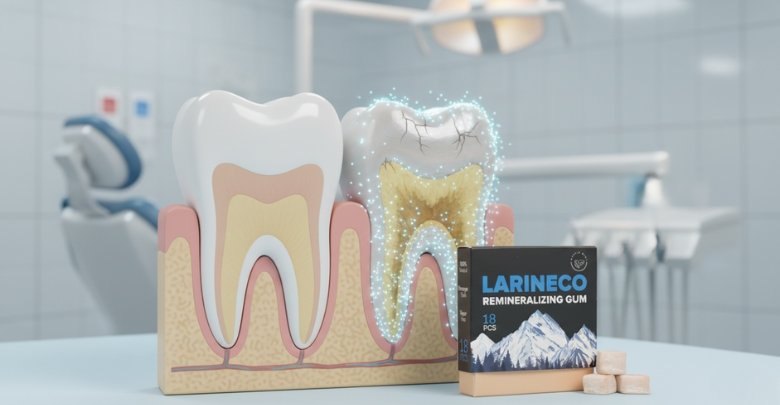
Tooth enamel may seem solid, but it’s constantly losing and regaining minerals. When demineralization weakens the outer surface, the body’s natural defense, remineralization, begins restoring balance. This process uses minerals already present in saliva to rebuild enamel crystals and strengthen the tooth structure before decay can progress. Here’s how that repair actually happens step by step.
Begins With a Neutral Oral Environment
Remineralization can only occur once acids are neutralized. When the mouth’s pH level returns to neutral, the enamel surface stops dissolving. This stable environment allows the tooth to start attracting lost minerals back into its weakened spots.
Triggers Mineral Attraction to Weakened Sites
The damaged enamel surface contains microscopic pores that act like open gateways. Calcium and phosphate ions naturally present in saliva are drawn toward these areas through ionic exchange, beginning the slow but steady process of filling in mineral gaps.
Rebuilds Enamel Crystal Framework
As these ions gather, they start bonding with existing enamel crystals, forming larger and more organized structures. This rebuilding stage restores hardness and integrity to the enamel, allowing it to resist acid attacks more effectively in the future.
Forms a Microscopic Protective Layer
Once enough minerals have been redeposited, a thin outer coating develops on the enamel surface. Though invisible, this layer acts as a natural seal that prevents new acid erosion and protects the tooth’s internal layers from further mineral loss.
Reduces Structural Weakness Over Time
Over time, repeated cycles of mineral absorption close off porous spots and strengthen enamel structure. As mentioned in the Larineco Review, this ongoing reinforcement process is key to maintaining enamel density and preventing recurring soft spots that can lead to early decay.
Maintains Ongoing Mineral Exchange
Even after the enamel has been repaired, remineralization continues in micro-cycles. Saliva constantly delivers trace minerals to the tooth surface while washing away acids. This continuous exchange keeps enamel strong, balanced, and less prone to new damage.
What Affects How Well Remineralizing Gum Whitens Teeth?
Remineralizing gum doesn’t bleach enamel like traditional whitening products. Instead, it works by rebuilding and smoothing the surface, which naturally improves how light reflects off your teeth. The whitening effect depends on several habits, conditions, and biological factors. Here are the things that influence how well remineralizing gum can brighten your smile.
Consistency of Use
The whitening process through remineralization happens gradually. Chewing the gum regularly ensures a steady mineral supply that strengthens enamel and restores its smooth texture. Irregular use slows progress, as enamel needs consistent mineral exposure to maintain its polished appearance.
Clean Enamel Surfaces
Minerals can only bond to clean enamel. Plaque buildup blocks mineral attachment, preventing even restoration. Brushing and flossing before using the gum ensures better contact between enamel and active ingredients, resulting in a clearer, more radiant look over time.
Healthy Saliva Flow
Saliva helps deliver minerals and regulate oral pH. A healthy saliva flow supports better absorption, allowing the enamel to rebuild evenly. People with dry mouths or reduced saliva often see slower whitening progress because minerals can’t reach the enamel efficiently.
Diet and Acidic Food Exposure
Frequent intake of acidic or staining foods like citrus, coffee, and wine weakens enamel and dulls brightness. Minimizing acid exposure preserves mineral deposits and helps maintain a balanced, glossy surface that reflects light naturally.
Condition of the Enamel
Results depend heavily on enamel health. Stronger enamel responds faster to remineralization, showing visible improvements sooner. Severely eroded or stained enamel takes more time to rebuild before brightness becomes noticeable, requiring patience and consistent use.
Duration of Chewing
How long you chew impacts mineral delivery. About 15–20 minutes per session allows enough time for active minerals to mix with saliva and reach the enamel effectively. Shorter chewing sessions may not provide enough contact for visible improvements.
Timing of Use
Chewing after meals or drinks neutralizes acids while giving enamel an ideal environment for repair. Doing this regularly helps prevent new stains and supports a gradual, long-lasting whitening effect that develops naturally.
Product Composition and Quality
Not all remineralizing gums work the same. Gums enriched with nano-hydroxyapatite or calcium phosphate typically show better results because their minerals closely mimic natural enamel. Choosing high-quality formulations ensures deeper mineral penetration and a more stable whitening outcome.
Everyday Practices That Support Enamel Health
Healthy enamel doesn’t depend on one product alone; it’s the result of small, consistent habits that protect and strengthen teeth daily. These everyday practices enhance the body’s natural remineralization process and help maintain long-term enamel integrity. Here’s how simple lifestyle choices can make a lasting difference.
Chew Consistently, Not Excessively
Consistency is key when supporting enamel recovery. Regular chewing after meals encourages saliva production and mineral exchange. However, balance matters — paying attention to the frequency of chewing for best results ensures your enamel benefits from steady remineralization without unnecessary strain or overuse.
Stay Hydrated Throughout the Day
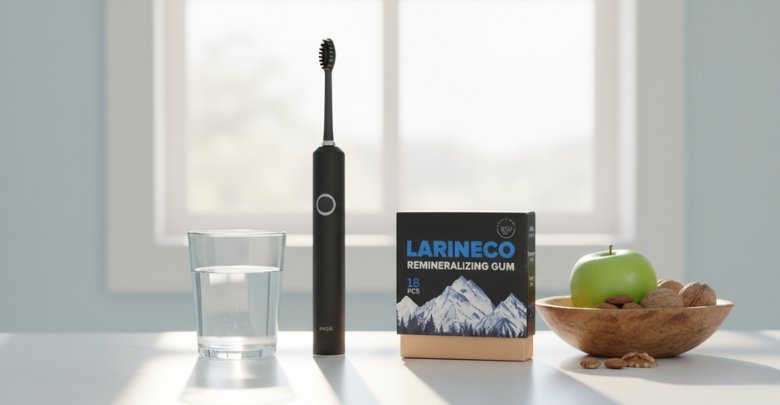
Water is essential for maintaining a neutral oral pH and aiding saliva flow. Frequent hydration helps wash away food particles and bacteria while keeping the mouth ready for mineral absorption. A well-hydrated mouth strengthens enamel naturally and supports a balanced environment for repair.
Limit Acidic and Sugary Foods
Acidic foods, soft drinks, and refined sugars feed the bacteria responsible for enamel erosion. Cutting back on these items prevents the mouth from staying in an acid-heavy state, allowing natural remineralization to occur more efficiently. The fewer acid attacks your enamel faces, the stronger and smoother it stays.
Include Mineral-rich Foods in Your Diet
Calcium-rich foods like cheese, yogurt, and almonds, along with phosphate sources such as lean meats or eggs, help replenish lost minerals. When paired with good oral care, these nutrients work in harmony with the remineralization process, strengthening enamel and preventing future weakening.
Brush Gently With a Soft-Bristled Brush
Aggressive brushing can wear away weakened enamel. Using a soft brush with gentle, circular motions cleans teeth effectively without scratching the surface. This prevents further erosion and keeps the enamel layer intact for mineral restoration to work smoothly.
Avoid Snacking Too Frequently
Frequent snacking keeps acid levels high, leaving less time for enamel to recover. Giving your teeth breaks between eating sessions allows saliva to rebalance pH and support mineral deposition. This rhythm between eating, cleaning, and chewing helps enamel naturally regain strength.
Frequently Asked Questions
Caring for enamel often brings up simple but important questions. Understanding how your daily habits, diet, and oral care choices affect enamel can make a big difference in your results. Here are some common questions people ask about maintaining enamel health and how to get the most from remineralizing practices.
How Long Does It Take to Strengthen Enamel Naturally?
Most people notice improvements within a few weeks of consistent care. The exact time depends on how weak the enamel was initially. With daily hydration, a balanced diet, and steady mineral exposure, enamel usually starts feeling smoother and stronger after one to two months.
Can Enamel Regrow Once It’s Worn Away?
Enamel can’t regrow in the same way skin or nails do, but it can repair minor damage through remineralization. Early enamel loss is reversible if minerals are replaced in time. Following good habits helps prevent further wear and keeps teeth resilient against new acid attacks.
Does Chewing Gum Really Help Strengthen Enamel?
Yes, certain gums formulated with minerals or pH-balancing ingredients can help strengthen enamel. They increase saliva flow, which carries calcium and phosphate to weak areas. The key lies in regular use and proper timing after meals for consistent mineral delivery.
What’s the Best Time to Chew for Enamel Support?
Chewing after meals or drinks is most effective because it helps neutralize acids. Two to three short sessions daily provide enough stimulation for consistent mineral reinforcement and a balanced oral environment.
Are Whitening Products Safe for Weak Enamel?
Some whitening products can be too harsh on already weakened enamel. It’s best to focus on remineralization first before using whitening agents. Once enamel strength improves, gentle whitening formulas or natural brightening through remineralizing gum can enhance your smile safely.
How Can I Tell If My Enamel Is Getting Stronger?
Healthier enamel feels smoother and less sensitive to hot or cold. You may also notice fewer visible white spots or rough patches. Regular dental checkups can confirm improvement, but daily consistency with hydration, a balanced diet, and chewing habits is the surest sign of progress.
Final Thoughts
Strong enamel isn’t built in a day; it’s the result of small choices repeated consistently. Every sip of water, balanced meal, and mindful chew plays a role in keeping teeth healthy and resilient. Good oral care isn’t about perfection; it’s about progress that adds up quietly over time.
Many people often wonder, can remineralizing gum reverse cavities? The truth is, it can support enamel repair when used early and consistently alongside good habits. It’s not a quick fix, but rather a steady aid that helps teeth rebuild strength naturally and stay protected from everyday wear.
In the long run, what matters most is consistency. With smart habits, a clean routine, and regular checkups, you can give your enamel the care it needs to stay smooth, strong, and naturally bright for years to come.


