
I appreciate kitchen tools that make cooking simpler, but traditional measuring spoons aren’t always convenient. Finding the right size in a crowded drawer can feel like a miniature treasure hunt. And when sticky honey refuses to leave the spoon, even a simple recipe can become unnecessarily frustrating.
That’s why Polygons Foldable Measuring Spoons caught my attention. This clever kitchen tool combines six measuring sizes into just two flat, foldable pieces. Its origami-inspired design creates measuring scoops when needed and folds flat afterward, making storage and ingredient handling more convenient.
The design certainly interests me, but practicality matters more than clever engineering alone. In my Polygons review, I explore its measuring accuracy, everyday features, cleaning, durability, and overall value to see whether these compact spoons are genuinely worth adding to your kitchen.
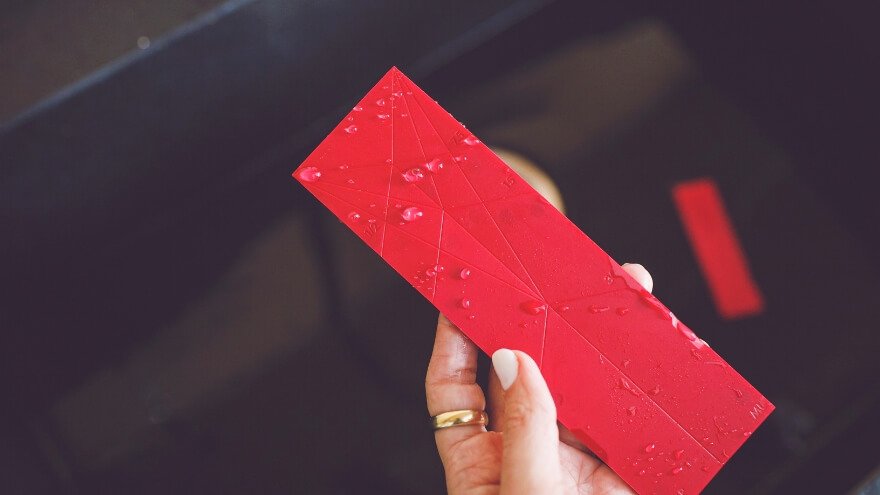
Polygons Foldable Measuring Spoons are a two-piece kitchen measuring system that provides six teaspoon and tablespoon measurements. Each piece starts as a flat strip and folds into a triangular scoop, allowing one tool to serve three different measuring sizes.
- 6 measuring sizes in just 2 spoons
- Foldable design saves kitchen space
- Measures both wet and dry ingredients
- Crevices may need extra cleaning
Polygons Quick Verdict
Polygons is worth considering for home cooks who want six measuring sizes in two compact tools. I appreciate its folding design, magnetic storage, and versatility with different ingredients. However, folding takes practice, and precise accuracy and long-term durability deserve consideration. Its strongest appeal is convenient everyday measuring and storage.
What Are Polygons Folding Measuring Spoons?
Polygons Foldable Measuring Spoons are a two-piece kitchen measuring system that provides six teaspoon and tablespoon measurements. Each piece starts as a flat strip and folds into a triangular scoop, allowing one tool to serve three different measuring sizes.
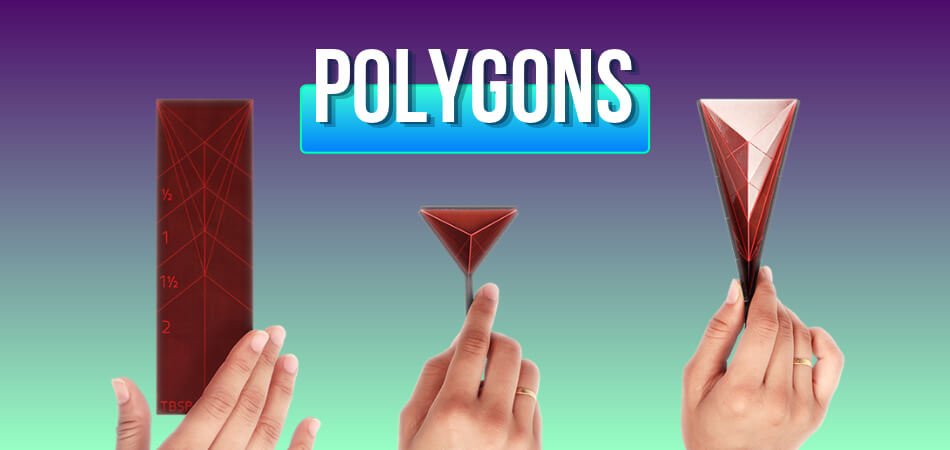
The smaller piece handles teaspoon measurements, while the larger one handles tablespoons. Both return to a flat shape after use, making them convenient for drawers, compact kitchens, and other spaces where traditional spoon sets can feel bulky.
Polygons also performs more than one kitchen task. Its flat edges can help with scraping, spreading, and leveling ingredients. That combination makes the design useful beyond simply measuring a portion of flour or oil.
The concept originated with designer Rahul Agarwal, who explored how folding geometry could make measuring utensils more adaptable. The result is a kitchen accessory that combines familiar measuring functions with an unusual approach to storing and handling ingredients.
What matters most to me is the practical purpose behind the design. Polygons isn’t intended to replace every measuring tool in the kitchen. It focuses on common small-volume measurements while providing additional convenience.
Key Features and Specifications of Polygons Measuring Spoons
Polygons Foldable Measuring Spoons combine six measurement sizes, an origami-inspired folding design, magnetic storage, and multiple kitchen functions in just two lightweight tools. What I appreciate most is how these features work together to make everyday measuring, ingredient handling, and storage more convenient without adding extra utensils.
Six Measuring Sizes in Two Spoons
Polygons provides six preset measurements using two foldable spoons, covering common teaspoon and tablespoon quantities. Each spoon has three measuring positions, so you can select the size needed for your recipe without switching between several separate utensils.
The measurements include:
- Small spoon: 1/4 teaspoon (1.2 mL), 1/2 teaspoon (2.5 mL), and 1 teaspoon (5 mL).
- Large spoon: 1/2 tablespoon (7.5 mL), 1 tablespoon (15 mL), and 2 tablespoons (30 mL).
I particularly appreciate this arrangement for recipes involving spices, seasonings, oils, and other ingredients measured in small amounts. However, the maximum capacity is 30 mL, so you’ll still need measuring cups for larger quantities.
Origami-Inspired Foldable Design
The most distinctive feature of Polygons is its flat-to-folded measuring design. Instead of having a permanently curved bowl, each strip folds into a triangular scoop and opens flat again after measuring.
This design makes storage particularly convenient. The small spoon measures 4.2 × 1.2 × 0.1 inches, while the large spoon measures 7.1 × 2.1 × 0.1 inches when flat.
Both tools have a thickness of just 0.1 inches, making them suitable for narrow kitchen drawers and compact storage spaces. I like how the folding mechanism serves a practical purpose rather than adding complexity simply for novelty.
Embedded Neodymium Magnets for Folding and Storage
Polygons includes embedded neodymium magnets that help hold the measuring spoons in their selected folded positions. The magnets support the triangular shape while the tool is being used for measuring.
They also provide a convenient storage option. Once flattened, the spoons can attach to compatible magnetic surfaces, including suitable refrigerator doors.
This is one of my favorite design details because it gives users an alternative to keeping measuring spoons in a drawer. Just remember that the magnets help maintain the shape; they don’t measure ingredients or calculate quantities.
Multipurpose Design for Scooping, Scraping, and Spreading
Polygons works as more than a measuring spoon. Its flat surfaces can also help with scooping, scraping, spreading, and leveling ingredients, making the tools useful for several small kitchen tasks.
For example, you can use the folded scoop to measure peanut butter and then unfold it to access ingredients remaining on the surface. The flat edge can also help level dry ingredients or spread soft mixtures.
What I appreciate here is the flexibility. Instead of reaching for another utensil every time you need to scrape or smooth something, Polygons provides a few additional functions within the same compact design.
Suitable for Wet and Dry Ingredients
Polygons is designed to measure both liquid and dry ingredients, including spices, flour, sugar, cooking oils, syrups, and honey. The triangular measuring cavities accommodate different ingredient types, while the flat design provides additional access when transferring thicker mixtures.
This versatility is particularly appealing for recipes that combine several small quantities of ingredients. Measuring a teaspoon of oil and then switching to dry seasonings doesn’t require a completely different type of measuring tool.
For liquids, proper folding and careful handling remain important. The design accommodates liquid measurements, but I wouldn’t treat every folded position as guaranteed leakproof during movement or tilting.
Top-Rack Dishwasher-Safe Construction
Polygons is suitable for cleaning on the dishwasher’s top rack, providing a convenient alternative to washing everything by hand.
The spoons can also be unfolded for cleaning, exposing more surface area than their folded configuration. This is particularly useful when removing sticky ingredients such as honey or peanut butter.
However, the folding areas can still trap residue, so I would pay extra attention to the creases during cleaning. Sharp knives, abrasive scrubbers, and metal cleaning tools should also be avoided to protect the surfaces.
Embossed US and Metric Measurement Markings
Polygons includes embossed measurement markings in both US and metric units, helping users identify the correct quantity for a recipe.
This is particularly useful when following recipes that use teaspoons, tablespoons, or milliliters. Having the measurements on the utensil also makes it easier to select the intended folding position.
I appreciate this small detail because practical kitchen tools should reduce unnecessary guesswork. The markings identify the intended volumes, although they don’t independently establish a numerical accuracy tolerance.
Lightweight Construction for Everyday Handling
A complete Polygons set weighs approximately 1.5 ounces, including both measuring spoons. The smaller tool weighs 0.4 ounces, while the larger one weighs 1.1 ounces.
That lightweight construction makes the set convenient to store, move between cooking areas, or pack with other compact kitchen utensils. It also keeps the overall design simple, without requiring separate attachments.
For me, the combination of low weight and flat storage is especially useful. A measuring utensil shouldn’t need its own parking space in the kitchen.
Multiple Colors to Match Your Kitchen
Polygons is available in several colors, including red, blue, green, black, white, pink, yellow, and purple, giving buyers different appearance options.
The colors add personality to an otherwise practical kitchen tool. They can also make a set more appealing as a gift for someone who enjoys creative cooking accessories.
I like having color choices, but the folding mechanism, measuring capacities, and everyday usability are much more important to my overall evaluation. Those are the features that determine whether Polygons is genuinely useful beyond its distinctive appearance.
What Stands Out to Me About Polygons
What stands out to me most about Polygons is its ability to combine measuring, scraping, spreading, and compact storage in just two foldable kitchen tools. Unlike traditional measuring spoons with fixed bowls, Polygons changes from a flat strip into a triangular scoop and opens again after use. I appreciate this design because it addresses three practical kitchen concerns: limited storage space, stubborn ingredient residue, and the need for multiple utensils.
Compact Storage That Saves Kitchen Space
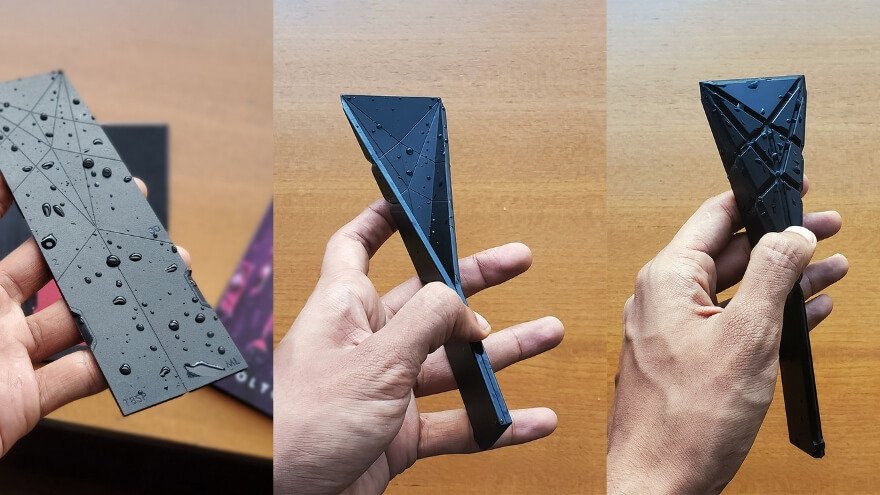
Polygons folds flat to just 0.1 inches thick, making it convenient for narrow drawers, crowded utensil organizers, and smaller kitchens. The embedded magnets also allow the spoons to attach to compatible metal surfaces, such as a refrigerator door.
What I particularly like is having two storage options without needing a separate holder. For anyone dealing with limited kitchen space, keeping six measuring sizes in two slim tools is a meaningful advantage.
Easier Handling of Sticky Ingredients
The fold-flat design makes sticky ingredients easier to access after measuring. Traditional measuring spoons have curved bowls where honey, peanut butter, and thick syrups can cling to the surface. Polygons opens flat, exposing more of the utensil so you can scrape away the remaining ingredients.
This is one of my favorite practical details because it makes ingredient transfer less frustrating. The folding creases may still need extra attention during cleaning, but the accessible surface is a useful improvement over a permanently deep scoop. Honey can be stubborn enough without making cleanup a second recipe.
Multiple Kitchen Functions in One Tool
Polygons does more than measure ingredients. Its flat edges can also help scrape mixing bowls, spread soft ingredients, smooth frosting, and level dry measurements.
I appreciate this versatility because it allows the same utensil to handle several small kitchen tasks. Instead of reaching for another tool each time, you can unfold Polygons and use its flat surface.
The main tradeoff is that each measuring size requires a specific fold. Traditional spoons are simpler to pick up and use immediately. Still, for someone who values compact storage and multifunctional kitchen accessories, I find the flexibility of Polygons more appealing than its unusual appearance alone.
How Polygons Folding Measuring Spoons Work
Polygons Foldable Measuring Spoons work by transforming a flat strip into a triangular measuring scoop using an origami-inspired folding mechanism. Each spoon has three measurement positions, while embedded neodymium magnets help hold the selected shape together. The measuring capacity changes depending on how the tool is folded, allowing two spoons to provide six different measurements without batteries or electronic components.
Origami-Inspired Folding Mechanism
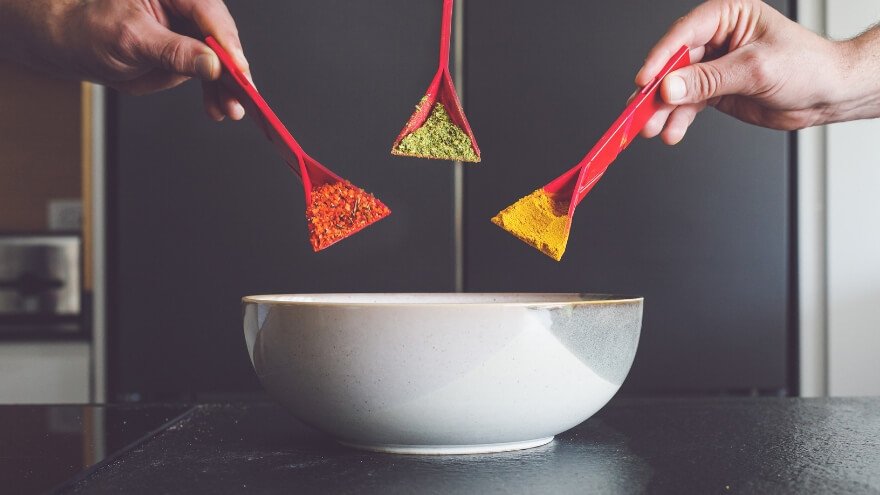
The folding mechanism creates a measuring cavity by changing the shape of the flat strip. Unlike traditional measuring spoons with permanently curved bowls, Polygons uses flexible sections that fold into a three-dimensional triangular scoop.
Here’s how the mechanism works:
- Flat position: The measuring spoon begins as a thin, flat strip with marked measurement positions.
- Select a measurement: Choose the teaspoon or tablespoon capacity needed for your recipe.
- Fold the strip: Bring the appropriate sections together to form a triangular scoop.
- Magnetic positioning: Embedded magnets help keep the folded sections aligned.
- Return to flat: After measuring, unfold the spoon to expose its surface for ingredient transfer, cleaning, or storage.
What I appreciate about this mechanism is that it turns a simple flat utensil into a functional measuring scoop without requiring separate attachments. The clever part isn’t simply that it folds, but that different folds create different measuring capacities.
How One Spoon Creates Three Measuring Sizes
Each Polygons spoon changes its measuring volume through three preset folding positions. Selecting a different position changes the size of the triangular cavity, allowing the same utensil to hold different quantities.
The two spoons work as follows:
- Small Polygons spoon: Folds into 1/4 teaspoon (1.2 mL), 1/2 teaspoon (2.5 mL), or 1 teaspoon (5 mL).
- Large Polygons spoon: Folds into 1/2 tablespoon (7.5 mL), 1 tablespoon (15 mL), or 2 tablespoons (30 mL).
The key principle is volume, meaning the amount of space inside the measuring scoop. Changing the folding position changes that space, creating the intended measurement.
This is also why selecting the correct fold matters. The spoon doesn’t automatically detect ingredient quantities or adjust its capacity. You must choose the marked position that matches your recipe.
How the Magnetic Locking Mechanism Works
Polygons uses embedded neodymium magnets to help hold the folded measuring scoop in position. When the appropriate sections come together, magnetic attraction helps maintain the selected triangular shape.
The magnets perform two practical functions:
- Shape retention: Help the folded sections stay together during measuring.
- Magnetic storage: Allow the flattened spoons to attach to compatible metal surfaces, such as a refrigerator door.
The magnets don’t measure ingredients, calculate weight, or automatically correct the selected capacity. The triangular cavity determines the intended volume, while the magnets help maintain its shape.
I particularly appreciate this combination because the magnetic system serves a purpose during both measuring and storage. However, magnetic positioning shouldn’t be confused with a completely watertight seal.
How Polygons Measures Wet and Dry Ingredients
Polygons measures ingredients by holding them inside the triangular cavity created by the selected fold. The same folding mechanism works for dry ingredients such as spices and sugar, as well as liquids such as cooking oil and syrup.

For dry ingredients, the triangular scoop holds the selected portion. When a recipe requires a level measurement, the excess ingredient can be removed using a straight edge.
For liquids, the folded sides create a container that holds the intended volume. The spoon needs to remain correctly folded and reasonably level while measuring and transferring the liquid.
The measuring process is based on volume rather than weight. For example, a teaspoon of sugar and a teaspoon of oil occupy the same intended measuring volume, but they don’t necessarily weigh the same amount.
Polygons includes six preset capacities, although exact accuracy tolerances aren’t specified. I consider it a convenient option for everyday recipe measurements rather than a replacement for a precision kitchen scale.
How the Spoon Returns to Its Flat Shape
After measuring, Polygons unfolds from its triangular scoop into a flat strip. This reverses the folding process and exposes more of the utensil’s surface.
The flat configuration provides three practical advantages:
- Ingredient transfer: Remaining honey, peanut butter, or other thick ingredients become easier to reach.
- Cleaning: Opening the spoon makes its surfaces more accessible, although the folding creases still require attention.
- Storage: Both utensils return to their slim shape, reducing the space needed between uses.
This final step is what makes the folding mechanism particularly interesting to me. The same structural design handles measuring, ingredient removal, and compact storage.
Traditional measuring spoons remain fixed in one shape, while Polygons changes its form to suit different tasks. That’s the main mechanical difference and the reason its design offers more flexibility than an ordinary spoon set.
Polygons Materials, Food Safety, and Use Restrictions
Polygons uses food-grade thermoplastic, hydrophobic silicone, and embedded neodymium magnets in a three-layer construction. These materials support the flexible design, magnetic positioning, and intended food-contact use.
Materials and Construction
| Component | Function | Important Consideration |
| Thermoplastic | Forms part of the utensil’s structure | Exact polymer grade isn’t specified |
| Hydrophobic silicone | Provides a water-repelling material surface | Doesn’t guarantee complete leakproof performance |
| Neodymium magnets | Help maintain folds and support storage | Internal enclosure details aren’t specified |
| Three-layer construction | Supports the folding structure | Long-term reliability depends on construction and use |
Hydrophobic means a material tends to repel water. That’s useful for a measuring utensil, although water repellency alone doesn’t guarantee that liquid cannot escape through a folded edge.
Food Safety and Care Restrictions
The materials are identified as food-grade and FDA-compliant. That wording doesn’t establish independent FDA approval of the finished utensil.
I also pay attention to temperature compatibility. A maximum safe temperature isn’t specified, so I wouldn’t automatically use Polygons with boiling liquids, direct flames, or very hot cookware.
The basic care instructions are straightforward:
- Rinse thoroughly before first use.
- Use the top rack when cleaning in a dishwasher.
- Avoid sharp knives against the folding surfaces.
- Avoid metal scrubbers and abrasive cleaning tools.
- Check the folding areas for leftover ingredients.
These precautions help protect the working surfaces. Polygons is a measuring utensil, not a substitute for a heat-resistant cooking spatula.
How to Use Polygons Measuring Spoons
Using Polygons Foldable Measuring Spoons is simple: choose the correct measuring size, fold the strip into a triangular scoop, measure your ingredient, and unfold it after use. Each spoon provides three preset measurements, with embedded magnets helping maintain the selected shape. I recommend becoming familiar with the folding positions before measuring ingredients, especially liquids.
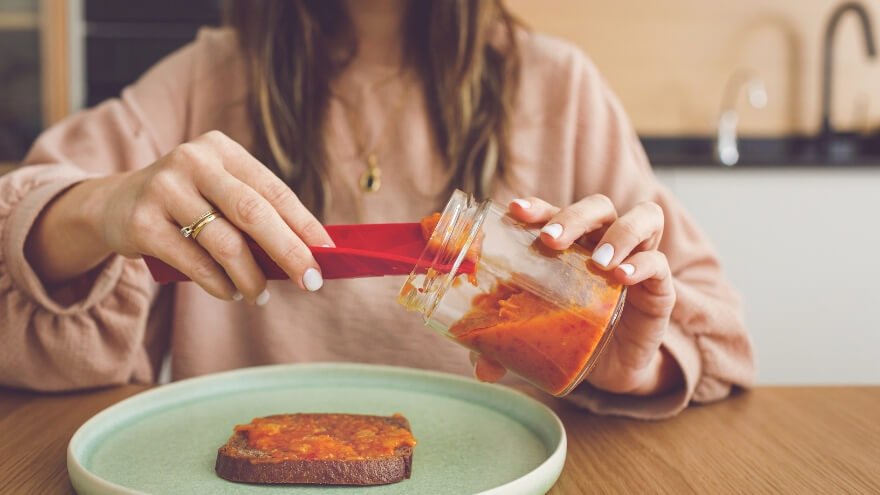
Step-by-Step Guide to Using Polygons Measuring Spoons
Step 1: Choose the Correct Measuring Spoon
Start by selecting one of the two Polygons tools according to the amount your recipe requires.
- Small spoon: 1/4 teaspoon, 1/2 teaspoon, or 1 teaspoon.
- Large spoon: 1/2 tablespoon, 1 tablespoon, or 2 tablespoons.
Both spoons begin as flat strips. Choose the smaller one for teaspoon measurements and the larger one for tablespoon measurements.
Step 2: Find Your Required Measurement
Look for the measurement markings on the selected spoon. Polygons includes both US and metric measurements, making it convenient for recipes using teaspoons, tablespoons, or milliliters.
Identify the exact capacity before folding. Each position creates a different measuring volume, so choosing the correct marking is essential.
Step 3: Fold the Spoon Into a Triangular Scoop
Gently fold the strip along the appropriate sections for your selected measurement. Bring the corresponding parts together until the spoon forms a triangular measuring cavity.
The embedded neodymium magnets help keep the folded sections together. Check that the edges are properly aligned and the intended shape is maintained before adding an ingredient.
There’s no complicated setup involved. The main skill is learning which folding position corresponds to each measurement.
Step 4: Measure Your Dry or Liquid Ingredient
Once the triangular scoop is formed, use it to collect the ingredient.
For dry ingredients such as sugar, flour, or spices, fill the scoop to the required amount. If the recipe calls for a level measurement, remove the excess using a straight edge.
For liquid ingredients such as cooking oil or syrup, hold the folded scoop level and fill it carefully. Keep the spoon steady while transferring the liquid to avoid spills.
Polygons measures volume, not weight, so it doesn’t replace a kitchen scale when recipes require measurements in grams.
Step 5: Transfer the Ingredient Into Your Recipe
Carefully empty the measured ingredient into your mixing bowl, pan, or other container.
For powders and liquids, a gentle pouring motion is usually sufficient. For thicker ingredients such as honey or peanut butter, some residue may remain on the measuring surface.
I appreciate that the folding construction provides another way to access these ingredients rather than leaving them trapped inside a permanently curved spoon.
Step 6: Unfold the Spoon to Remove Remaining Ingredients
After transferring the main portion, open Polygons back into its flat shape.
This exposes more of the surface, making it easier to remove remaining honey, syrup, peanut butter, or other thick mixtures with a suitable scraper.
The unfolded tool can also be used for small spreading, scraping, and leveling tasks when appropriate.
Step 7: Clean the Measuring Spoon
Unfold the spoon completely and rinse away any remaining ingredients. Pay attention to the folding sections, where sticky mixtures or fine powders can collect.
Polygons can be cleaned by hand or placed on the top rack of a dishwasher. Avoid sharp objects, metal scrubbers, and abrasive cleaning tools that could damage its surfaces.
Step 8: Store Polygons Flat After Cleaning
Once the spoon is clean and dry, keep it in its flat configuration for storage.
You can place both tools inside a kitchen drawer or attach them to a compatible magnetic surface, such as a suitable refrigerator door.
Their slim construction makes them particularly convenient for kitchens where utensil storage space is limited.
Practical Tips for Accurate Measuring and Easy Cleaning
A few simple habits can make Polygons easier to use and maintain:
- Check the measurement first: Make sure you’re using the correct teaspoon or tablespoon position before filling the scoop.
- Align the folds properly: Confirm that the triangular cavity is correctly formed and the magnetic sections are holding together.
- Keep liquids level: Hold the scoop steady when measuring oil, syrup, or other liquids to reduce the chance of spills.
- Level dry ingredients when needed: Remove excess powder or spices if your recipe requires a level measurement.
- Unfold after sticky ingredients: Flatten the spoon to access remaining honey, peanut butter, or similar mixtures more easily.
- Clean the folding creases: Pay particular attention to the sections where ingredients can collect.
- Use gentle cleaning tools: Choose a soft sponge or cloth instead of metal scrubbers or abrasive cleaning pads.
- Avoid excessive heat: Don’t use the spoons directly over a flame or assume they’re suitable for boiling ingredients without a confirmed temperature rating.
- Store clean and dry: Flatten the utensils before placing them in a drawer or attaching them to a magnetic surface.
What I appreciate about this process is that the same folding design supports measuring, ingredient transfer, cleaning, and storage. Traditional measuring spoons require fewer preparation steps, but Polygons provides additional flexibility that can be useful once you’re comfortable with the folding positions.
Polygons vs Traditional Measuring Spoons: Key Differences
The main difference between Polygons and traditional measuring spoons is how the measuring cavity is formed. Polygons changes shape to provide different capacities, while conventional measuring spoons generally use separate fixed-size bowls.
| Feature | Polygons | Traditional Measuring Spoons |
| Measurement design | Two folding tools | Separate fixed-size bowls |
| Capacity selection | Fold into the required position | Select the required spoon |
| Measurement range | Six preset sizes | Depends on the set |
| Storage | Flat and magnetic | Depends on the design |
| Sticky ingredients | Opens to expose more surface | Fixed bowl shape |
| Additional functions | Spreading, scraping, leveling | Depends on spoon design |
| Learning curve | Requires selecting folds | Familiar fixed-size operation |
| Large-volume measuring | Maximum 30 mL | Requires separate measuring cups |
Polygons offers a practical storage advantage when compactness matters. Its flat form and extra ingredient-handling functions can also make it convenient in smaller kitchens.
Traditional spoons have a different advantage: simplicity. Selecting a permanently shaped spoon may feel quicker than folding a tool into position.
I wouldn’t treat either design as universally better. Polygons is more adaptable, while conventional measuring spoons may suit people who prefer familiar operation.
If your existing measuring spoons work perfectly and storage isn’t a concern, replacing them may not provide much additional value.
Who Should Buy Polygons Measuring Spoons and Who Should Skip Them?
Polygons is best suited to people who value compact kitchen tools and regularly measure small quantities of ingredients. It is less suitable for anyone who needs larger measurements or prefers the simplicity of fixed-size spoons.
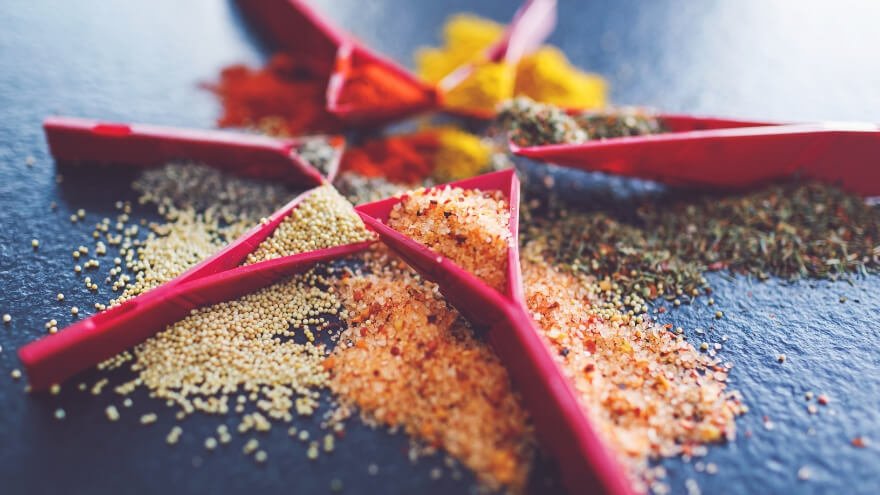
Who Should Consider Polygons
- Home cooks: People who regularly use teaspoon and tablespoon measurements.
- Small-kitchen owners: Anyone wanting to reduce utensil clutter.
- Sticky-ingredient users: Those interested in easier access to honey, syrups, or peanut butter left on a measuring surface.
- Kitchen gadget enthusiasts: Buyers who appreciate unusual but functional designs.
- Gift shoppers: People looking for a practical kitchen accessory with an interesting folding mechanism.
Who May Want to Skip Polygons
- Precision-focused users: Anyone requiring independently established measurement tolerances.
- Large-volume measurers: Buyers expecting to replace measuring cups or kitchen scales.
- Traditional utensil fans: Cooks who prefer permanently shaped spoons.
- Low-maintenance buyers: People who don’t want to check folds or clean around crevices.
My advice is to judge Polygons against your actual cooking routine. Its compact design matters most when the space savings and additional functions address needs you regularly encounter.
My Assessment of Polygons’ Value for Money
Polygons measuring spoons are worth considering if you value compact storage, versatile kitchen tools, and convenient ingredient handling. Their main advantage isn’t simply measuring six quantities. It’s combining several everyday kitchen functions into two lightweight, foldable utensils. For me, that makes Polygons more appealing as a practical kitchen upgrade than an ordinary measuring spoon replacement.
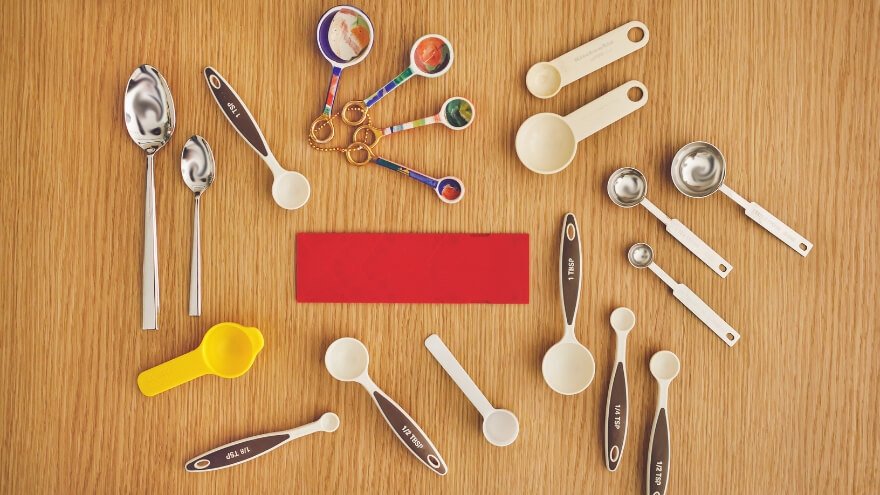
What Makes Polygons Worth the Money?
I see the strongest value in three practical advantages:
- Space-saving convenience: Six measuring sizes fit into two slim tools, making Polygons particularly useful for small kitchens and crowded drawers.
- Multiple kitchen functions: Measuring, scraping, spreading, and leveling with the same utensils can reduce the need to reach for additional tools.
- Easier ingredient handling: The fold-flat design makes sticky ingredients such as honey and peanut butter more accessible after measuring, potentially reducing leftover residue.
What I appreciate most is how these benefits complement one another. Rather than paying for an unusual appearance alone, you’re getting a different approach to everyday measuring and ingredient handling.
When Polygons May Not Be Worth the Extra Cost
Polygons isn’t a necessary upgrade for everyone. If your existing measuring spoons work well, storage space isn’t a concern, and you prefer fixed-size utensils, the folding design may provide limited additional value.
I would also consider the learning curve and long-term durability. Each measurement requires the correct fold, and repeated use places importance on the flexible construction. Buyers who prioritize independently verified precision or effortless operation may prefer conventional measuring tools.
For me, Polygons offers good potential value when its additional functions become part of regular cooking. The compact design, magnetic storage, and versatile surfaces provide meaningful reasons to consider it, especially for home cooks who appreciate practical kitchen innovations.
However, the real value depends on how often you’ll use those conveniences. If Polygons solves everyday measuring and storage frustrations, the investment makes more sense. If you’re simply replacing spoons that already do their job perfectly, the extra expense may be harder to justify.
Polygons Measuring Spoons: Pros and Cons
Polygons combines several useful kitchen functions in a compact design, although its folding construction introduces tradeoffs that conventional measuring spoons don’t share.
The biggest advantage is having multiple functions in very little storage space. The main inconvenience is the extra attention needed when folding and cleaning the tools.
I also consider the lack of precise accuracy figures and guaranteed long-term durability important when judging reliability.
Polygons Measuring Spoons Price and Bundle Options
Polygons measuring spoons start at $29.99 for one set, with three-set and five-set bundles available at discounted prices. Each set includes two foldable measuring spoons: one small and one large. I appreciate the flexible package options because buyers can choose according to their needs and budget.
Polygons Pricing and Packages
| Package | Price | Price Per Set |
| 1 Set | $29.99 | $29.99 |
| 3 Sets (Buy 2, Get 1 Free) | $69.98 | $23.33 |
| 5 Sets (Buy 3, Get 2 Free) | $104.97 | $20.99 |
All prices are in USD.
The five-set package offers the lowest price per set, while the single-set option is the most affordable way to try Polygons. I would choose the single set for personal use and consider the larger bundles when purchasing gifts or additional sets.
Polygons Shipping and Delivery
Polygons provides free shipping on qualifying purchases, including the three-set and five-set bundles. The purchasing page also highlights fast shipping within the United States and international delivery to more than 100 countries.
- 3-set bundle: Free shipping included.
- 5-set bundle: Free shipping included.
- USA delivery: Free, fast shipping on qualifying purchases.
- International delivery: Shipping available to 100+ countries.
Shipping charges for the single-set package and international orders should be checked at checkout.
Polygons 30-Day Money-Back Warranty
Polygons includes a 30-day money-back promise for customers who aren’t satisfied with their purchase. This provides additional reassurance when buying a kitchen tool with an unfamiliar folding design.
I appreciate this purchase protection, especially for first-time buyers. However, I recommend reviewing the complete return conditions before ordering to understand the applicable process and any return-related costs.
Would I Recommend Polygons Measuring Spoons?
Yes, I recommend Polygons Foldable Measuring Spoons for home cooks who want a compact, versatile alternative to traditional measuring spoons. Their six measuring sizes, magnetic storage, and fold-flat construction make them particularly appealing for small kitchens and everyday recipes. I especially appreciate how one tool can handle measuring, scraping, spreading, and leveling without requiring separate utensils.

Who I Would Recommend Polygons To
I consider Polygons a practical choice for:
- Everyday home cooks: Those who frequently measure spices, oils, sugar, and other ingredients in small quantities.
- People with limited kitchen space: The flat design and magnetic storage help reduce drawer clutter.
- Cooks who handle sticky ingredients: Unfolding the spoon makes remaining honey, syrup, or peanut butter easier to access.
- Kitchen gadget enthusiasts: Anyone who appreciates innovative tools that provide useful everyday functions.
When I Would Recommend Traditional Measuring Spoons Instead
Polygons isn’t the ideal choice for every cooking routine. I would recommend considering conventional measuring tools if you:
- Prefer fixed-size spoons that don’t require folding.
- Need independently verified measurement precision.
- Frequently measure quantities larger than 2 tablespoons.
- Want utensils with fewer creases to clean.
My Personal Recommendation
For me, Polygons is most appealing as a convenient kitchen upgrade rather than an essential replacement for every measuring tool. Its biggest strength is combining several practical functions into two compact utensils.
I would recommend it to anyone who regularly uses teaspoon and tablespoon measurements and appreciates space-saving kitchen accessories. Just make sure the folding design fits your cooking habits, because everyday usefulness matters more than having the cleverest gadget in the drawer.
Where to Buy Polygons Measuring Spoons
Polygons Foldable Measuring Spoons are available online, with single-set and discounted bundle options. I recommend purchasing through the Polygons purchase page, where you can compare packages, check current pricing, and review shipping and return information before ordering.
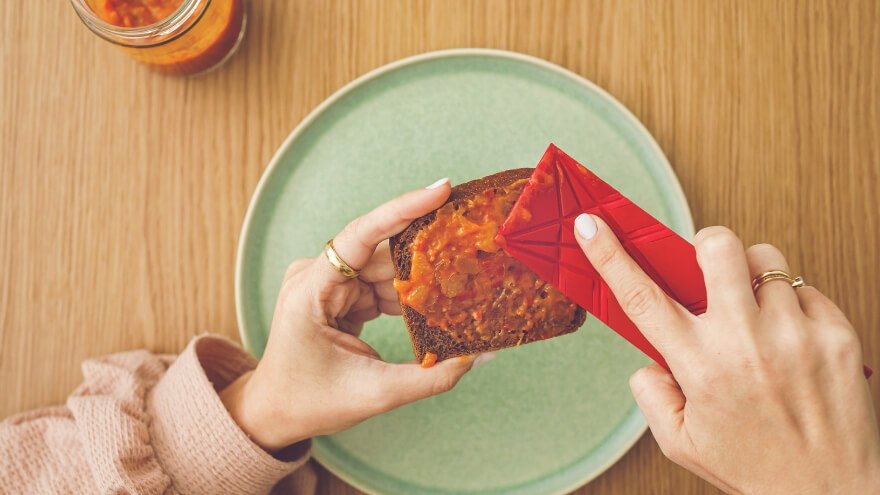
Where to Purchase Polygons
You can visit the authorized website to explore the available Polygons measuring spoon packages and choose the option that best fits your needs.
The purchasing page features three packages:
- 1 Set: $29.99
- 3 Sets: $69.98 (Buy 2, Get 1 Free)
- 5 Sets: $104.97 (Buy 3, Get 2 Free)
Each set includes one small and one large foldable measuring spoon. I recommend choosing the package that matches your needs rather than buying extra sets simply for a larger discount.
Shipping and Delivery
Polygons highlights fast shipping within the United States and international delivery to more than 100 countries. Free shipping is available on qualifying purchases, including the three-set and five-set bundles.
Shipping costs and availability may depend on your location and selected package. Check the final delivery details at checkout.
30-Day Money-Back Warranty
Polygons promotes a 30-day money-back warranty for customers who aren’t satisfied with their purchase. I appreciate this reassurance, especially for first-time buyers considering the folding design.
Before ordering, review the applicable return conditions and any return-related costs to understand how the guarantee works.
Frequently Asked Questions About Polygons
Beyond the basic features, there are a few practical questions worth answering before choosing Polygons Foldable Measuring Spoons. These FAQs cover product versions, everyday usability, narrow containers, color options, replacement pieces, and other details that can influence your purchase.
Why Are Some Polygons Measuring Spoons Called 4-in-1 Instead of 3-in-1?
The original Polygons Kickstarter campaign used the 4-in-1 name, while the current measuring spoon set uses a 3-in-1 design for each tool. Today’s two-piece set provides six measurements in total. I recommend checking the product version when comparing older videos, reviews, and newer listings.
Will Polygons Measuring Spoons Fit Inside Narrow Spice Jars?
Not always. The large Polygons spoon measures approximately 2.1 inches wide when flat, which can make it difficult to fit inside narrow containers. The smaller spoon is approximately 1.2 inches wide. For jars with limited openings, pouring the ingredient into the folded scoop is a practical alternative.
Do Polygons Measuring Spoons Stay Folded Without Being Held?
Polygons uses embedded magnets to help maintain its triangular measuring shape. However, I wouldn’t rely on a filled spoon standing unsupported on a countertop. The folding mechanism is primarily intended for handheld measuring, so keeping a steady grip is the safer approach when handling ingredients.
Are Polygons Measuring Spoons BPA-Free?
Polygons uses food-grade thermoplastic and silicone, but a specific BPA-free certification isn’t confirmed in the product specifications. Food-grade materials and BPA-free certification are not interchangeable terms. If avoiding BPA is an essential purchasing requirement, I recommend obtaining confirmation of the exact material composition before ordering.
Can Polygons Measuring Spoons Be Used in a Microwave or Oven?
Polygons should not be treated as microwave-safe or oven-safe without a confirmed temperature rating. The materials are intended for kitchen measuring, but compatibility with microwave heating, oven temperatures, and direct heat isn’t specified. I recommend using Polygons for measuring and transferring ingredients rather than heating them.
Can I Choose Different Colors When Buying Multiple Polygons Sets?
Polygons comes in several colors, including red, blue, green, black, white, pink, yellow, and purple. However, the available color combinations may depend on the selected package. If you want different colors within a bundle or different colors for the two spoons, check the checkout options before purchasing.
Can I Buy Just One Polygons Measuring Spoon Instead of a Complete Set?
The standard Polygons package includes two tools: one small measuring spoon and one large measuring spoon. The single-set, three-set, and five-set packages contain complete pairs. Separate replacement spoons aren’t included in these package options, so buyers needing only one piece should check whether individual replacements are available.
What Should I Do if the Polygons Magnetic Folding Mechanism Doesn’t Hold Properly?
First, check whether you’re using the correct folding position and whether the magnetic sections are properly aligned. Make sure no ingredient residue is preventing the sections from meeting. If a magnet is loose, exposed, or damaged, stop using the spoon and contact the retailer for assistance rather than attempting to repair it yourself.
Do Polygons Measuring Spoons Come in Gift-Ready Packaging?
Yes. Polygons measuring spoons are presented in gift packaging, making them an interesting option for home cooks, baking enthusiasts, and people who enjoy practical kitchen gadgets. I particularly like the combination of an unusual folding design and everyday usefulness. Gift wrapping or personalized packaging services shouldn’t be assumed unless offered during checkout.
Can Polygons Measure Packed Ingredients Like Brown Sugar?
Polygons can be used to measure small volumes of brown sugar, including quantities that a recipe specifies as packed. Fill the selected scoop, press the ingredient as required by the recipe, and level the surface. The folding design determines the intended volume, but consistent packing remains important when measuring ingredients with different textures.
My Final Verdict: Is Polygons Worth Buying?
Yes, Polygons Foldable Measuring Spoons are worth considering for home cooks who want a space-saving, multifunctional alternative to traditional measuring spoons. What I appreciate most is how two compact tools provide six measuring sizes while also helping with scraping, spreading, and sticky ingredients. The folding design makes Polygons particularly appealing for smaller kitchens and everyday cooking.
However, convenience comes with a few tradeoffs. The folding mechanism requires some practice, cleaning the creases needs extra attention, and precise measurement tolerances remain unspecified. These considerations shape my Polygons Review, but they don’t take away from the product’s practical appeal for people who value versatility and compact storage.
I recommend Polygons for everyday home cooks who appreciate clever, functional kitchen tools. If you prefer fixed-size spoons, need larger measurements, or require independently verified precision, traditional measuring equipment may suit you better. For the right kitchen, Polygons offers a useful combination of convenience, flexibility, and thoughtful design.
Polygons Foldable Measuring Spoons are a two-piece kitchen measuring system that provides six teaspoon and tablespoon measurements. Each piece starts as a flat strip and folds into a triangular scoop, allowing one tool to serve three different measuring sizes.
- 6 measuring sizes in just 2 spoons
- Foldable design saves kitchen space
- Measures both wet and dry ingredients
- Crevices may need extra cleaning


