
I did not realize how bad my snoring was until someone described it back to me.
Not in a joking way. More like, “I kept waking up because of you.” That landed differently.
Snoring is easy to ignore when you are the one sleeping through it. But when it starts disturbing someone else’s rest, it suddenly feels embarrassing, frustrating, and unfair. I did not want bedtime to turn into a routine with mouthguards, nose strips, chin straps, or anything that felt bulky and awkward.
That is what made me curious about Snore Stop.
It looked simple: a small anti-snoring spray you use before bed, with no device to wear and no setup. Still, I was skeptical. A spray for snoring sounds almost too easy, and I wanted to see whether it actually felt useful in real life.
So I tested Snore Stop in my normal bedtime routine, paying attention to the taste, throat feel, ease of use, and whether my snoring seemed less disruptive. In this Snore Stop review, I’ll share what I noticed, honestly.
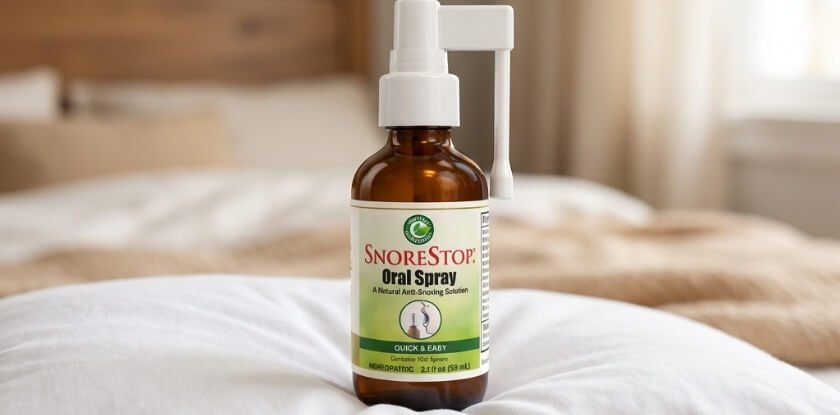
Snore Stop is an oral anti-snoring spray used before bedtime. Instead of changing your sleep position or asking you to wear something through the night, it works as a quick spray routine aimed at the mouth and throat area.
- Quick pre-bed routine
- Small and easy to store
- Useful for travel or shared rooms
- Discreet compared with sleep gadgets
- Taste may not suit everyone
Quick Verdict
Snore Stop is worth trying if you want a simple bedtime spray for mild or occasional snoring. It is easy to use, does not feel bulky, and fits into a normal night routine better than mouthguards or nose strips.
I would not call it a guaranteed fix, but for low-effort snoring support, it makes sense to test. It is not meant for sleep apnea or serious breathing issues.
What Is Snore Stop?
Snore Stop is an oral anti-snoring spray used before bedtime. Instead of changing your sleep position or asking you to wear something through the night, it works as a quick spray routine aimed at the mouth and throat area.
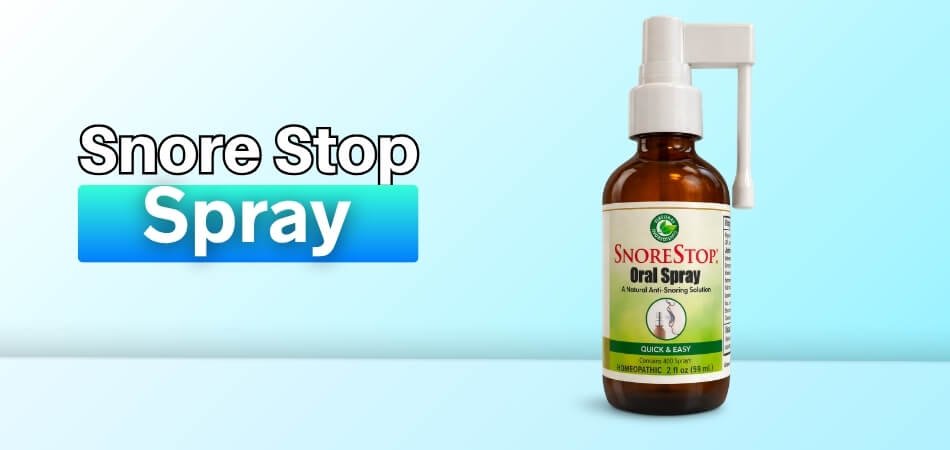
The idea is simple: spray it under the tongue and toward the back of the throat before sleep, then let the formula sit near the area where throat vibration may contribute to snoring.
What made it interesting to me was not that it looked powerful or complicated. It was the opposite. Snore Stop felt like a small bedtime step I could test without changing my whole sleep routine.
How Does Snore Stop Work?
Dr. Kenneth Rifkin developed Snore Stop to help reduce snoring from the source. The spray focuses on the mouth and throat area, where swollen tissue, mucus buildup, or restricted airflow may make snoring louder during sleep. Instead of working from the outside, Snore Stop puts the formula directly where throat-related snoring may begin.
In simple terms, the formula is meant to support:
- Swollen mouth and throat tissue
- Built-up mucus in the nose and throat
- Smoother nighttime airflow
- Throat-based snoring triggers
- A simpler bedtime routine
I would not treat that as a promise that snoring disappears instantly. But the idea made sense to me: if the throat area plays a role in the noise, a targeted spray feels more direct than guessing with random sleep products.
Snore Stop Ingredients / Formula Overview
One thing I always check with any spray used before bed is the formula. Snore Stop is presented as a natural, oil-free blend made with plant-based ingredients, minerals, and other natural sources. That matches the overall idea of the product: a simple spray instead of chemicals, devices, or complicated nighttime routines.
The listed active ingredients include:
- Nux vomica: listed for throat-related snoring support
- Teucrium marum: included for airway support
- Belladonna: part of the homeopathic formula
- Hydrastis canadensis: included in the mouth/throat support blend
- Ephedra vulgaris: listed for congestion-related support
- Kali bichromicum: included for stuffy-nose support
- Histaminum hydrochloricum: listed for allergy-related support
What I like about this ingredient list is that Snore Stop is not trying to be another bulky anti-snoring device. The formula is clearly built around the idea of easing common nighttime breathing barriers, such as congestion, throat tightness, or nasal stuffiness.
Why I Tried Snore Stop
I tried Snore Stop because I wanted something that did not make bedtime feel complicated.
Most anti-snoring options look simple until you actually use them. Mouthguards can feel bulky. Nose strips can peel off or irritate the skin. Chin straps look uncomfortable before you even put them on. I wanted something easier than all of that.

Snore Stop stood out because it was quick. A few sprays before bed sounded much easier than sleeping with something in my mouth or stuck to my face.
I was not expecting it to magically stop snoring overnight. I mainly wanted to see three things: whether it felt comfortable, whether I could use it consistently, and whether my snoring seemed less disruptive after a few nights.
How I Used Snore Stop
I did not overcomplicate the test. I used Snore Stop the way someone would actually use it after brushing their teeth, checking their phone one last time, and getting ready to sleep.
The routine was quick:
- Shake the bottle
- Spray under the tongue
- Spray toward the back of the throat
- Avoid drinking water right after
- Go to bed as usual
That last part mattered. With snoring products, convenience can decide whether you keep using them or quit after two nights. Snore Stop did not ask me to mold a mouthpiece, stick anything on my face, or sleep with a device in my mouth.
For the test, I paid attention to four things: how it tasted, how my throat felt afterward, whether I remembered to use it every night, and whether my snoring seemed less disruptive by morning feedback.
That gave me a clearer picture than judging it after one random night.
My First Impression
The first thing I noticed was how low-effort it felt.
No setup. No weird fitting process. No plastic piece between my teeth. Just a small spray bottle on the bedside table, which made it feel less intimidating than most snoring products I have seen.

The spray itself was quick, but I did pay attention to the feel because bedtime products can get annoying fast. If something tastes too sharp, leaves a heavy coating, or makes your throat feel strange, you probably will not keep using it for long.
Snore Stop felt more practical than dramatic. It did not give me that “wow, this changed everything” feeling on the first night, but it also did not feel like a hassle. That was a good start because the real test was not the first spray. It was whether I would still want to use it after several nights.
My 7-Night Snore Stop Test
I tested Snore Stop for a full week because one night is not enough to judge a snoring spray. Snoring can change with tiredness, sleep position, throat dryness, congestion, or even late-night eating. So I used it as part of my normal bedtime routine and looked for patterns, not a perfect overnight fix.
Night 1: Mostly Getting Used to the Spray
The first night was more about feel than results. I noticed the taste, the spray sensation, and whether it left any strange coating in my mouth or throat. It was quick to use and did not feel annoying, which made me willing to continue.
Nights 2–3: The Routine Started Feeling Easier
By the next couple of nights, Snore Stop felt easier to remember. I kept it close to my bed, which helped a lot. Since the routine only took a few seconds, it did not feel like another annoying bedtime task.
Nights 4–5: I Focused More on Feedback
By the middle of the week, I paid more attention to whether my snoring seemed less disruptive. I was not expecting total silence. I mainly wanted to know if it sounded less harsh, happened less often, or bothered sleep less than usual.
Nights 6–7: My Takeaway Became Clearer
By the end of the week, Snore Stop felt more practical than dramatic. I would not call it a magic switch for snoring, but it was easy enough to keep using. That low-effort routine was its biggest strength for me.
Did Snore Stop Work for Me?
Snore Stop did not feel like a dramatic overnight fix, but I did notice why someone would keep using it.
For me, the biggest win was not that it made bedtime silent instantly. It was that my snoring seemed easier to manage on the nights I used it properly and consistently. The routine was quick, the spray did not feel uncomfortable, and it was much easier to stick with than wearing something on my face or in my mouth.
I would describe the result as helpful but not magical. If you expect Snore Stop to erase heavy snoring in one night, you may be disappointed. But if you want a simple spray that may make mild or occasional snoring feel less disruptive, it makes sense to try.
What I Liked About Snore Stop
What I liked most was that Snore Stop did not make bedtime feel heavier. I could keep the bottle nearby, use it in a few seconds, and move on. That matters because a snoring product only helps if it is easy enough to repeat.
A few things stood out during my test:
- Fast routine: The whole process took only a few seconds before sleep.
- Comfortable experience: I did not feel like I was adding anything disruptive to my night.
- Easy to remember: Keeping the bottle near my bed made the habit more natural.
- Good for travel: The bottle is small enough to pack without thinking much about it.
- Discreet use: It felt less awkward than pulling out a visible sleep gadget before bed.
What I Did Not Like About Snore Stop
Snore Stop was simple to use, but I still noticed a few things buyers should think about before ordering. None of these ruined the experience for me, but they do matter if expectations are too high.
- It needs a fair trial: One random night is not enough to judge it properly.
- Timing matters: I had to remember it before getting too sleepy.
- Taste is personal: I did not struggle with it, but some people may notice the flavor more.
- It may not match every snoring cause: Snoring can come from different places, so a throat spray will not be the perfect answer for everyone.
- Tracking helps: Partner feedback or a snoring app makes it easier to notice whether anything changes.
Snore Stop vs Other Anti-Snoring Options
Before trying Snore Stop, I looked at it the same way most people probably would: Is this easier than the usual snoring fixes? Because plenty of anti-snoring products sound helpful until you imagine actually sleeping with them every night.
Here’s how Snore Stop compares:
| Option | What It Feels Like | Best For | Main Drawback |
| Snore Stop spray | Quick spray before bed | People who want a simple, non-device option | Results can vary |
| Nose strips | Sticky strip across the nose | Snoring linked to nasal airflow | Can peel off or irritate skin |
| Mouthguards | Device inside the mouth | Jaw or tongue-position related snoring | Can feel bulky or uncomfortable |
| Chin straps | Strap around the head/jaw | Mouth-breathing during sleep | Can feel awkward or restrictive |
| Mouth tape | Tape over the lips | People trying to reduce mouth breathing | Not suitable or comfortable for everyone |
For me, Snore Stop’s advantage was comfort and convenience. I did not have to wear anything, adjust anything, or sleep with something attached to my face. But the tradeoff is that a spray may not target every cause of snoring, so it makes the most sense as a low-effort option for mild or occasional snoring support.
Is Snore Stop Safe?
I treated Snore Stop like any spray used near the mouth and throat: simple enough to test, but still something worth using carefully.
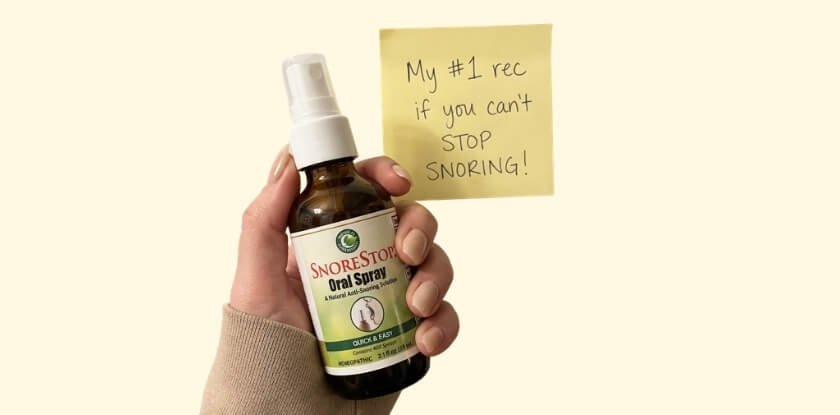
For me, the main safety points were practical. I followed the directions, avoided using more than suggested, and paid attention to how my throat felt after each use. With this kind of product, adding extra sprays does not automatically mean better results.
Anyone with ingredient sensitivities should also check the label before using it. Taste, throat feel, and comfort can vary from person to person, especially with a product used right before sleep.
Is Snore Stop for Sleep Apnea?
No. Snore Stop should not be treated as a sleep apnea solution.
That matters because regular snoring and sleep apnea are not the same thing. If snoring comes with gasping, choking, breathing pauses, chest discomfort, or heavy daytime tiredness, I would not try to manage that with a spray.
I tested Snore Stop as a regular anti-snoring spray, not as a treatment for a sleep disorder. For possible sleep apnea symptoms, speaking with a doctor or sleep specialist is the smarter move.
Who Should Try Snore Stop?
Snore Stop makes the most sense for someone looking for a simple first step before trying more uncomfortable anti-snoring products. I would not place it in the same category as mouthguards, chin straps, or medical sleep devices. It feels more like a low-effort bedtime spray for regular snoring support.

It may be a good fit for:
- Mild or occasional snorers: This feels better suited for regular snoring support, not severe or worrying sleep issues.
- People who dislike bulky sleep products: No mouthguard, nose strip, chin strap, or device has to stay on the face during sleep.
- Anyone who wants a quick bedtime step: The routine takes only a few seconds, which makes consistency easier.
- Couples dealing with sleep disruption: When snoring bothers the person nearby, a simple spray may feel worth testing before moving to more serious options.
- Frequent travelers: The small bottle is easier to pack than most anti-snoring devices, especially for short trips or shared rooms.
Who Should Avoid Snore Stop?
Snore Stop is not the right fit for every snoring problem. I would skip it if the issue feels more serious than regular nighttime snoring or if there are signs that something deeper may be going on.
It may not be the best choice for:
- Suspected sleep apnea: Snoring with gasping, choking, breathing pauses, or heavy daytime tiredness needs medical attention, not just a spray.
- Very loud or severe snoring: Heavy snoring may need a more targeted solution, especially if it happens every night and affects sleep quality.
- Anyone expecting instant silence: Snore Stop feels more like a support product than a guaranteed overnight fix.
- People who dislike throat sprays: The routine is simple, but comfort still depends on how someone feels about sprays near the mouth and throat.
- Inconsistent users: Since the spray works best as part of a routine, forgetting it often may make the results harder to judge.
Snore Stop Pros and Cons
After testing Snore Stop for a week, I would sum it up like this: the biggest upside is how easy it is to test, while the biggest downside is that the result depends on the reason behind the snoring.
Snore Stop Price, Offers, and Best Value Deal
Snore Stop is not sold as just one fixed option. The offer page gives three packages, and the price gets better when more bottles are added. I liked seeing the choices laid out clearly because not everyone wants to commit to a bigger bundle before knowing how the spray feels in real life.
Here is the current price breakdown:
| Package | Offer | Price | Discount / Savings |
| 1 Bottle | Single bottle | $59.99 | — |
| 2 Bottles | Buy 1, Get 1 at 50% Off | $89.99 | Save $29.99 |
| 3 Bottles | Buy 2, Get 1 Free | $119.98 | Save $59.99, around 33% off |
Personally, I would start with one bottle if I only wanted to test the spray. But for someone already interested in giving it a fairer, longer trial, the 3-bottle deal offers the best value.
Where to Buy Snore Stop
The safest place to buy Snore Stop is through the official offer page. That way, the package options, current deals, and buyer protection are all in one place instead of scattered across random third-party listings.
What stood out to me here is the 30-day money-back warranty. Snoring products can be unpredictable because results depend on the person, the routine, and the reason behind the snoring. So having a refund window makes the purchase feel less risky.
The warranty says that if you are not sleeping better, you can request your money back within 30 days. That is useful because Snore Stop is the kind of product someone may need to test for several nights before deciding whether it fits their sleep routine.
I would avoid buying from unknown sellers if the price looks unusually low. With wellness sprays, I prefer going through the official page so the order, warranty, and support are easier to track.
What Other Snore Stop Users Are Saying
I always take customer reviews with a little caution, especially with snoring products, because everyone’s sleep situation is different. Still, reviews can be useful when they show the same patterns I noticed during my own test: convenience, comfort, and realistic expectations.
“I liked that Snore Stop did not make bedtime feel awkward. I just sprayed it before sleeping and kept the bottle beside my bed. It was much easier than the mouthguard I tried before.”
— Mark Reynolds“The biggest difference for me was convenience. I cannot say it made every night silent, but my partner said the snoring seemed less harsh on some nights.”
— Daniel Morris“I bought it because I wanted something simple for travel. The bottle is small, easy to pack, and less embarrassing than carrying a bulky anti-snoring device.”
— Rebecca Lawson“Snore Stop was not an instant miracle for me, but it was easy to keep using. After a few nights, it felt like a normal part of my bedtime routine.”
— Thomas Keller
Final Verdict: Should You Try Snore Stop?
After using it for a week, I would not call Snore Stop a miracle cure for snoring. But I also would not dismiss it as just another gimmick. Its biggest strength is that it makes snoring support feel simple, which is exactly what I wanted from it.
The spray was easy to use, did not make bedtime awkward, and felt much less annoying than wearing a mouthguard, nose strip, or chin strap. For mild or occasional snoring, that convenience alone makes it worth considering.
Where I would be careful is with expectations. Snore Stop is not made for sleep apnea, severe snoring, or serious breathing symptoms during sleep. It also may not work the same way for everyone because snoring can come from different causes.
My final take in this Snore Stop review is simple: Snore Stop is worth trying if you want a low-effort, device-free option for regular snoring support. Just go into it expecting support, not instant silence.
FAQs About Snore Stop Spray
Here are the questions I think a serious buyer would still have after reading everything else. These are not basic product repeats, but the smaller doubts that usually decide whether someone clicks “buy” or leaves.
Can I Use Snore Stop Every Night?
Yes, Snore Stop fits best as a nightly bedtime spray, as long as it feels comfortable and you follow the directions. I would avoid using extra sprays just because one night seems worse than another.
What Happens If I Miss a Night?
Missing one night is not a big deal, but it can make the test less clear. If use becomes random, it is harder to know whether any change came from the spray, sleep position, congestion, or just a better night.
Should I Use Snore Stop Before or After Brushing My Teeth?
I would use it after brushing and after finishing any late-night drinks. That way, the spray stays in place instead of getting washed away right before sleep.
Is Snore Stop Good for Travel?
Yes, travel is one of the situations where Snore Stop feels practical. The bottle is small, discreet, and easier to pack than most sleep accessories.
Who Is Most Likely to Be Disappointed With Snore Stop?
People expecting instant silence will probably be the most disappointed. Snore Stop makes more sense for someone willing to test a simple bedtime spray over several nights and judge it realistically.
Snore Stop is an oral anti-snoring spray used before bedtime. Instead of changing your sleep position or asking you to wear something through the night, it works as a quick spray routine aimed at the mouth and throat area.
- Quick pre-bed routine
- Small and easy to store
- Useful for travel or shared rooms
- Discreet compared with sleep gadgets
- Taste may not suit everyone


