
The comfort of a bath mat may seem insignificant, but it influences everyday bathroom experiences. When it remains wet, problems emerge. Drying time depends on the material, thickness, and the air around it. Knowing this helps avoid smells and mess while routines stay smooth, leading many to wonder how long does it take for a bath mat to dry?
Bath mat drying time ranges from seconds to overnight, depending on the material. Fabric mats like cotton or microfiber dry in 4–8 hours with good airflow. Memory foam mats may need overnight drying. Stone diatomaceous mats dry in seconds, while bamboo mats dry quickly with light wiping.
This article explains materials, airflow, and humidity clearly. It shows drying tips, warning signs, and smart fixes. Reading on builds habits.
How Long Does It Take for a Bath Mat to Dry?
Bath mats get wet daily, so drying time matters more. The drying speed depends on the material, thickness, airflow, and humidity in the bathroom. Some mats dry fast, while others hold moisture much longer. Below, you will see clear drying times and simple tips.
Regular Fabric Bath Mats
Cotton, microfiber, and chenille mats absorb a lot of water quickly. When hung in a space with moving air, they often dry within four to eight hours. Thick piles and humid rooms slow drying, so many homes leave these mats hanging overnight to remove hidden dampness fully.
Memory Foam Bath Mats
Dense foam feels soft underfoot but traps moisture inside. The surface may seem dry after several hours, yet the center stays damp. Therefore, you need extra drying time, often overnight, especially in bathrooms with little airflow or poor ventilation. Rotating it helps air reach deeper layers.
Stone Diatomaceous Earth Mats
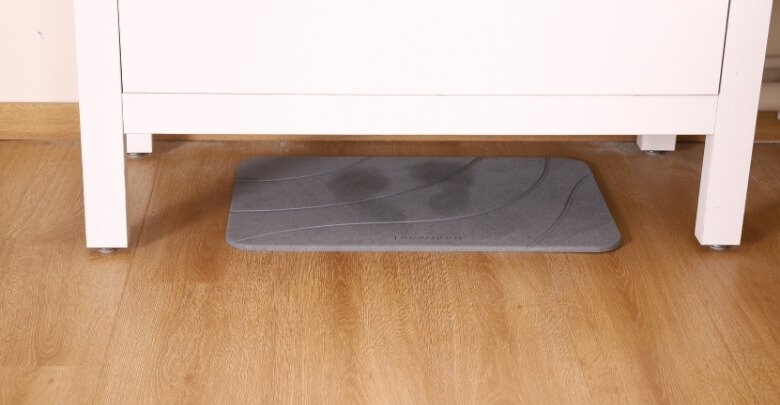
Solid stone mats made from diatomaceous earth dry almost instantly. Water spreads, absorbs, and then disappears within seconds after stepping off. A common example of a stone diatomaceous earth mat is Mat Mend, which uses natural stone to soak water fast, keeping floors dry without staying damp or cold.
Bamboo Bath Mats
Bamboo mats work more like platforms than sponges. Water does not soak in deeply, so surfaces stay mostly dry. Small drops may sit briefly, then evaporate or drip away. These mats need wiping sometimes, but they rarely need long drying times. Good airflow still helps after heavy splashes.
How Airflow And Humidity Change Drying Time
Moving air pulls moisture away from any mat faster. Open windows, fans, or exhaust vents help a lot. High humidity slows evaporation and keeps fibers damp longer. Even fast-drying mats benefit from airflow, especially after long showers or back-to-back use. Poor air keeps smells trapped.
Drying time depends on mat type, air movement, and moisture levels. Thicker and softer mats usually need more drying patience time. Fast drying options reduce damp smells and daily bathroom mess. Use these details above to choose what fits your routine.
What Factors Affect Bath Mat Drying Time?
Bath mats dry at different speeds depending on many simple factors. Some mats stay damp longer and can feel uncomfortable after showers. Drying time affects comfort, cleanliness, and how fresh your bathroom feels. Read below to understand what slows or speeds bath mat drying.
Material Type And Water Hold
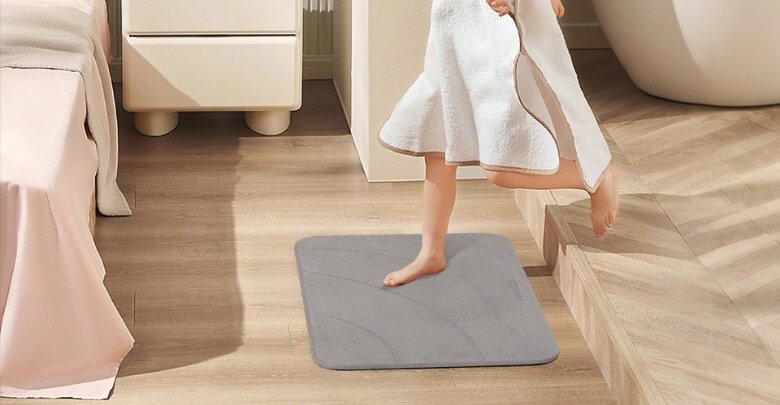
Different materials absorb and release water in very different ways. Cotton fibers soak up lots of water and trap it inside, which slows drying. Microfiber spreads moisture across the surface, helping with faster evaporation. Stone mats use tiny pores, allowing water to vanish quickly instead of sitting inside fibers.
Room Ventilation And Airflow
Air movement helps carry moisture away from wet surfaces. Still air lets dampness sit on the mat longer. Bathrooms often trap steam after showers, slowing drying. Using an exhaust fan or opening a window clears moist air. Better airflow means the mat releases water faster and stays fresher between uses.
Humidity Levels In The Room
Humidity describes how much water vapor already fills the air. When humidity stays high, evaporation slows down. The mat struggles to release moisture into the air that is already wet. Keeping indoor humidity lower helps mats dry more quickly. Fans and open doors reduce moisture buildup after hot showers.
Thickness And Fabric Density
Thicker mats usually dry more slowly than thinner ones. Extra padding holds more water and blocks air from reaching inner layers. High pile and fluffy designs feel soft but trap moisture deep inside. Research shows heavier fabrics need more drying time. This is why choosing the right bath mat matters for comfort and freshness.
Understanding drying factors helps you avoid damp, smelly bathroom mats daily. Material, airflow, humidity, and thickness all play important roles. Small changes can improve drying time and overall bathroom comfort. Use this knowledge to keep floors dry and mats feeling fresh longer.
Tips to Speed Up the Drying Process for Bath Mats
Bath mats dry more slowly when water stays trapped, and air cannot move. Simple habits can remove moisture faster and keep bathrooms fresh. The tips below show easy ways to speed drying using air, space, and lower humidity levels.
- Hang It Up Right Away: Leaving mats flat traps moisture underneath and slows drying. Hanging over bars or racks lets air reach both sides and helps water escape much faster.
- Move It To A Drier Room: Damp bathrooms hold steam after showers, which delays drying. Placing the mat in a ventilated room speeds evaporation and reduces the chance of musty smells.
- Use The Exhaust Fan Longer: Running the exhaust fan after bathing clears wet air from the room. Drier air allows the mat to release moisture faster instead of staying damp.
- Add A Regular Fan: A simple standing or box fan boosts airflow around the mat. Stronger air movement pulls moisture away quickly and can cut drying time by hours.
- Lower Indoor Humidity: When air stays dry, fabric releases water faster. Using a dehumidifier or air conditioner keeps humidity balanced and helps mats dry without lingering dampness.
- Flip The Mat Midway: One side often stays wetter while hanging. Turning the mat halfway through drying exposes hidden damp areas and helps both sides dry evenly.
- Use Extra Spin After Washing: Extra spin cycles remove more water before drying begins. Less trapped water means shorter drying time and lower chances of damp smells later.
- Press With A Dry Towel: Pressing a dry towel onto a soaked mat pulls out excess water. Removing moisture first makes air drying faster and more effective afterward.
- Avoid High Heat Dryers: Rubber-backed mats can crack under high heat. Using low heat briefly or air drying protects the backing and still allows safe moisture removal.
- Do Not Leave Mats Damp: Warm, damp mats with poor airflow invite mildew growth. Drying quickly and fully helps keep bathrooms cleaner and reduces unwanted odors.
Fast drying mats start with removing water and adding airflow. Small steps like fans and hanging matter daily. Keeping mats dry improves comfort, smell, and safety. Use these tips to keep bathrooms fresh longer.
Signs That Your Bath Mat Isn’t Drying Properly
Some bath mats dry slower than expected and hold dampness for too long. This can lead to bad smells, mold, or health problems in the long run. Most signs are easy to notice if you check now and then. Look below to see clear signs your bath mat isn’t drying right.
Feels Damp Hours After Use
A mat that still feels damp hours later may not be drying fully. It often stays cool underneath where water gets trapped. This can lead to mold or musty smells. Hanging it right after use and keeping air moving can help. If it stays wet daily, it’s time to check deeper.
Smells Musty Or Moldy
Bad smells are a strong sign of trapped moisture. Mold usually brings a musty, earthy scent you can’t ignore. Smell is often the first warning before mold even shows. Removing dampness fast helps avoid this. A fan, open window, or sun helps reduce the problem early.
Shows Dark Spots Or Discoloration
Black, brown, or green marks on the mat or its bottom are red flags. These often show up when water stays trapped too long. Mold and mildew grow in hidden damp places. Cleaning may help, but in some cases, the mat needs replacing. Check the underside carefully each week.
Feels Sticky, Slimy, Or Grimy
Sticky or slippery bottoms often mean moisture and grime are building up. This happens more in mats with rubber backings that trap water. If not cleaned, this buildup can get worse over time. If your mat stays like this, consider drying it faster or replacing it with a better option.
Floor Feels Wet Underneath
Wet bathroom tiles under the mat are a clear warning sign. That means your mat is soaking up water but not letting it go. Constant dampness also affects your floor and can cause mold. To avoid that, make sure to lift and dry the mat every day.
If your bath mat stays damp or develops an odor even after a full day, it might be time to clean it thoroughly. You can wash bathroom mats in a washing machine using a gentle cycle to remove trapped moisture and bacteria that slow down the drying process. But before that, make sure that the mat can be washed in a washing machine. This helps your mat stay fresh and last longer.
Should You Replace a Bath Mat That Never Dries Completely?
Yes, in many cases you should replace a bath mat that never dries completely, because staying damp for long periods makes it much easier for mold and mildew to grow.
Here is a simple way to decide.
Replace it if Any of These are True
- It smells musty even after washing and drying. CDC says if you see or smell mold, you should remove it and fix the moisture problem.
- You see mold or dark spots that keep coming back. Mold can sink into soft, porous materials, and it can be hard or impossible to fully remove. EPA notes that wet, porous items with mold may need to be thrown away.
- It stays damp for a very long time (around a day or more) even when hung up. EPA and OSHA both warn that wet items should be dried within 24 to 48 hours to help prevent mold growth.
- The backing is peeling, cracking, or sticky, or the mat is breaking down. Even if it looks “okay,” damage like this can trap moisture and grime.
Try Fixing the Drying Problem First (If there’s No Mold Smell or Spots)
If your mat is just slow to dry, these usually help:
- Hang it up right after use, spread out, not folded.
- Run the bathroom exhaust fan and leave the door open for airflow.
- Use a small fan pointed toward the mat.
- Dry it outside the bathroom if your bathroom stays humid.
If you do all that and it still never fully dries, replacing it is the safer move. Also, it’s worth tackling the main cause: a damp bathroom. EPA’s main message is that moisture control is the key to stopping mold.
Frequently Asked Questions
Here are some common questions people still have after learning the basics. These FAQs clear up small doubts that often come up in daily use. Each answer keeps things simple and practical.
Can Sunlight Help Reduce How Long Does It Take For A Bath Mat To Dry?
Sunlight can help a bath mat dry faster in many cases. Natural heat speeds up water evaporation from fabric. Sunlight also helps reduce odors caused by dampness. However, strong sunlight over time may fade colors or weaken the rubber backing.
Does Washing A Bath Mat Change How Long It Takes For A Bath Mat To Dry?
Washing can affect drying time depending on how much water remains. A strong spin cycle removes extra water and shortens drying time. Mats that are not spun well stay wetter longer. Clean mats also dry more evenly than dirty ones.
Does Cold Weather Increase How Long It Takes For A Bath Mat To Dry?
Cold air holds less moisture than warm air. This slows evaporation and increases drying time. Bath mats often take longer to dry in winter. Good airflow indoors helps balance this effect.
Can Using The Same Bath Mat Daily Increase Drying Time?
Daily use adds moisture before the mat fully dries. This keeps water trapped inside fibers. Over time, drying takes longer each day. Rotating two mats helps prevent this issue.
Does A Slippery Floor Affect How Long It Takes For A Bath Mat To Dry?
A wet floor under the mat blocks airflow from below. This traps moisture and slows drying. Dry floors allow better air movement. Lifting the mat after use helps improve drying speed.
Can Pets Change How Long It Takes For A Bath Mat To Dry?
Pet hair sticks to damp mats and blocks airflow. This slows evaporation and traps moisture longer. Hair buildup also holds odors. Regular cleaning helps the mats dry faster again.
Bottom Line
Drying a bath mat seems simple, but small details matter daily. Material, airflow, and humidity all affect results. Fabric mats often need hours, foam needs overnight, and stone dries fast. With this clear breakdown, you now know the real answer to how long does it take for a bath mat to dry.
Keeping mats dry protects comfort, floors, and air quality. Hang mats early, boost airflow, and lower humidity when possible. Watch for damp signs and act fast. Small habits make a big difference. Wishing you a cleaner, fresher bathroom and easier daily routines ahead.


