
Bath mats seem simple, yet it handles water every single day at home. When it stays wet, it can cause smells, slips, and fabric damage over time. Many people do not notice this small problem until the bathroom feels damp. That often leads people to wonder how to dry a bath mat after a shower.
To dry a bath mat after a shower, shake off excess water, hang it over a towel bar or tub edge, and ensure both sides get airflow. Use an exhaust fan or open a window to reduce humidity. For stone mats, stand them upright to dry faster. Fully drying prevents odors and mold.
Are you curious about drying times, mat types, and simple care habits? This article walks through clear steps, drying times, and material tips in plain language. You will learn what works in humid bathrooms, busy homes, and small spaces, with helpful details gathered together in one place.
Why Is It Important to Dry Your Bath Mat Properly?
Drying your bath mat properly is important because it helps protect your health. When a mat stays wet, it holds moisture for a long time. This creates the perfect place for mold and mildew to grow. Mold can release tiny particles into the air that may cause sneezing, coughing, itchy eyes, or breathing trouble for some people. A dry mat helps keep the air in your bathroom cleaner.
A dry bath mat also keeps your bathroom smelling fresh. That familiar damp or musty odor usually comes from bacteria and mildew growing inside wet fabric. When the mat dries completely after each use, these germs have less chance to grow. This keeps your bathroom smelling fresh and clean.
Safety is another big reason to dry your bath mat well. A wet mat can slide more easily, especially on smooth floors. Water can also drip from a damp mat back onto the floor, making it slippery. Keeping the mat dry helps it stay in place and lowers the risk of slipping or falling.
Finally, drying your bath mat helps it last longer. When a mat stays wet too often:
- The fibers can weaken
- The backing can peel or crack
- The mat may stop soaking up water well
Letting it dry fully helps it stay strong, clean, and useful for a longer time.
How to Dry a Bath Mat After a Shower?
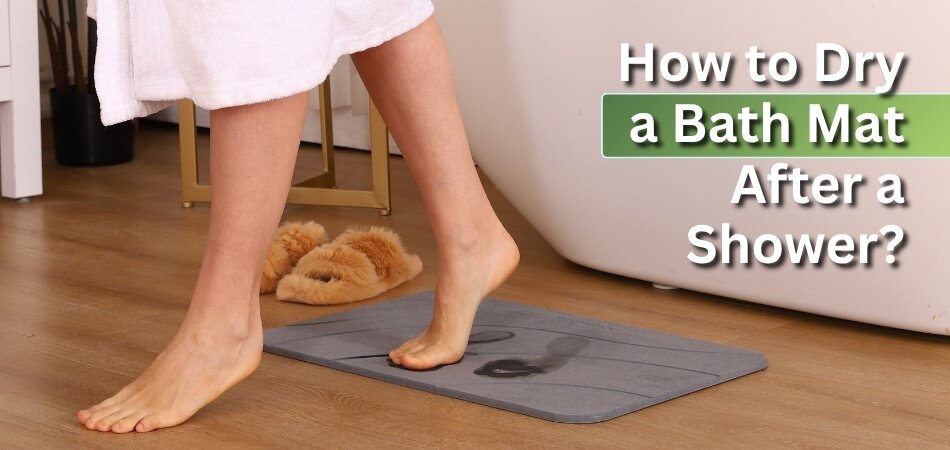
Drying a bath mat the right way keeps bathrooms cleaner and safer. A wet mat can cause smells, slipping, and fabric damage over time. Simple drying steps help stop these problems before they grow worse. Follow the step-by-step guide below to dry your bath mat properly.
Step 1: Shake Or Press Out Extra Water
Right after the shower, remove extra water from the mat. Shake fabric mats until they stop dripping. If the mat feels very wet, press it gently with your hands. Avoid twisting hard, especially with rubber backing, since this can weaken the mat and cause cracks over time.
Step 2: Lift The Mat Off The Floor
Leaving a mat flat on wet tiles slows drying. Hang fabric mats over a towel bar, tub edge, or shower rod. Rubber-backed mats should hang with the backing facing outward. Air reaching both sides helps the moisture dry faster and protects the backing from heat damage.
Step 3: Stand Stone Mats Upright
Stone mats need a different drying method than fabric ones. Place them upright against a wall or drying rack. This allows air to move freely on both sides. When it comes to dry stone mats (diatomaceous earth) Mat Mend, for example, these types of mats absorb water fast and release it quickly when positioned upright with good airflow.
Step 4: Reduce Bathroom Moisture After Showering
Bathrooms stay humid after showers, which slows drying. Turn on the exhaust fan during the shower and leave it running afterward. About twenty minutes helps clear the steam. If no fan is available, open a window or keep the door open so moist air can escape.
Step 5: Move The Mat To A Drier Area If Needed
Some bathrooms have poor airflow all day. In these spaces, mats dry slowly. Hanging a wet mat there can keep moisture trapped. Move the mat to a room with better air circulation, such as a hallway or laundry area, to help it dry faster.
Step 6: Make Sure The Mat Dries Fully
A bath mat should dry completely within one or two days. If it stays damp longer, mold can begin forming. Check the mat by touch. If it still feels cool or wet, adjust airflow or drying position to help it dry fully and stay fresh.
Drying bath mats takes little effort but gives real daily benefits. Clean, dry mats help bathrooms smell better and feel safer. Small habits after showers prevent bigger problems later. Use these steps every time for a cleaner and longer-lasting bath mat.
How Long Does It Take for a Bath Mat to Dry Naturally?
Bath mats dry at different speeds depending on fabric type, thickness, and room air movement. A wet mat dries faster when air moves freely around it. Fans, open windows, or open doors all help remove moisture faster. Read below to see clear drying times for common bath mat types.
Cotton Bath Mat (Terry Or Thick Cotton)
These mats soak up lots of water during use, especially after long showers. When hung properly with airflow, drying usually takes eight to twelve hours. If left flat in a damp bathroom, drying can take over a full day. Thick cotton traps water deep inside fibers.
Microfiber Bath Mat
Water spreads and escapes more readily in microfiber mats, resulting in faster drying times. With good airflow, they often dry within two to four hours. In humid bathrooms without airflow, drying may take up to eight hours. Thicker microfiber styles still slow airflow and hold moisture longer underneath.
Diatomite Stone Bath Mat
Stone mats feel dry quickly because their surface absorbs water instantly. With normal airflow, drying often takes only one to five minutes. In very humid rooms, drying may stretch closer to twenty minutes. The stone needs airflow to release trapped moisture properly.
Rubber Backed Bath Mat
These mats dry more slowly since rubber blocks airflow underneath the fabric. When hung so both sides get air, drying takes six to twelve hours. Left flat on tile, moisture stays trapped much longer. Many care guides suggest air drying only to prevent damage.
Average Natural Drying Time Table
| Bath Mat Type | Good Airflow | Poor Airflow |
| Cotton | 8 to 12 hours | 12 to 24+ hours |
| Microfiber | 2 to 4 hours | 4 to 8 hours |
| Diatomite Stone | 1 to 5 minutes | 5 to 20 minutes |
| Rubber Backed | 6 to 12 hours | 12 to 24 hours |
Drying speed improves with airflow and proper mat placement. Hanging mats helps both sides dry evenly. Running a bathroom fan removes extra moisture faster. Simple habits can keep mats fresh and dry longer.
What Type of Bath Mat Dries the Fastest?
Many people want a bath mat that dries fast and stays fresh. Each material works in a different way, so knowing these small details helps a lot. Some mats pull water in, while others let water drain out with air flow. Keep reading below to see which type fits your needs best.
Fast Drying Diatomite Mats
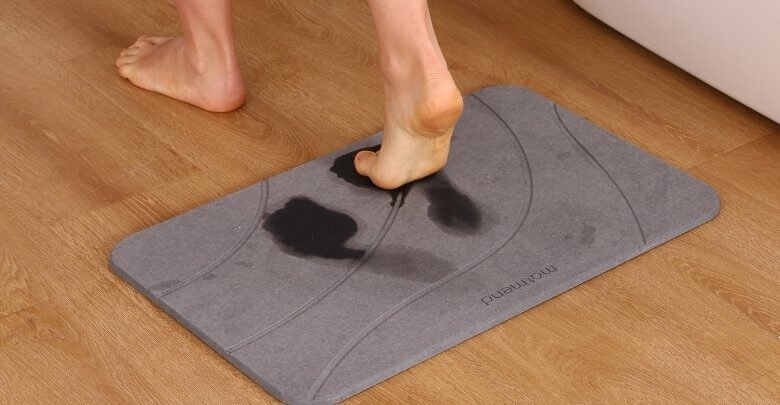
These stone mats soak up water fast through tiny pores in the surface. The water then evaporates at a steady rate, so the top feels dry again very soon. This helps keep your bathroom fresh since the mat does not stay damp for long. The surface is firm and can feel cool, but it works well for busy homes or humid rooms.
Quick-Draining Bamboo Mats
These mats do not hold much water because of the slatted design. Water drops fall through the gaps, and air can move around the mat with ease. The mat itself dries fast, but small puddles can form under it if you do not wipe the floor. The style is simple, clean, and easy to keep neat with light care.
Soft And Fast Microfiber Mats
This fabric pulls in water and lets it release faster than cotton. It gives a soft feel under your feet while still drying at a steady pace. The microfiber bath mat drying speed is strong enough to cut down on musty smells. Many people like that it is machine washable and easy to keep clean.
You want a mat that feels good and dries well for your space. Some people like a firm stone mat, while others want a soft fabric under their feet. Each option has pros that help keep your bathroom clean and fresh. Pick the one that fits your daily routine and keeps your floor safe.
How Modern Bath Mats Dry Faster Than Traditional Ones?
Modern bath mats dry faster because their design fixes common moisture problems. Older mats often stay wet since water sits deep inside the fibers. New mats move water away and help it dry sooner. Read below to understand these changes and see how they help daily.
Faster Water Movement From The Surface
Modern mats focus on pulling water away right after use. Instead of letting water pool on top, the surface spreads it out fast. When water forms a thin layer, it dries more quickly. This helps stop that heavy, soggy feeling after stepping out of the shower.
New Materials That Do Not Hold Water
Some modern mats use stone or bamboo instead of thick fabric. Stone mats absorb water into tiny pores, then release it back into the air. Bamboo mats let water fall through slats instead of soaking it up. Both reduce how long moisture stays trapped inside.
Fabric Mats That Use Wicking Design
Many modern fabric mats use microfiber to move water faster. The fibers pull moisture through small gaps and spread it evenly. If you’re looking for a mat that dries quickly between showers, microfiber is a great choice. The technology behind quick-dry mats plays a big role here, combining absorbent and breathable materials that speed up the drying process after every shower.
Designs That Improve Airflow Underneath
Older mats often sit flat and trap moisture below. Newer mats use thinner layers or textured backs to allow airflow. When air moves under the mat, moisture escapes faster. This matters in bathrooms where steam stays in the air long after showers end.
Why Traditional Cotton Mats Dry Slower
Classic cotton mats feel soft but hold a lot of water. Thick loops trap moisture deep inside the fabric. Even though they absorb well, drying takes longer. If not dried fully, they can feel damp and start smelling musty over time.
In short, modern mats dry faster by moving water and air better. Small design changes help mats stay fresher between showers. The right choice can keep floors drier and more comfortable. Think about daily use before choosing a mat style.
How Often Should You Wash and Dry Your Bath Mat?
Bath mats get wet daily and can hold germs easily. Washing and drying them often keeps your bathroom cleaner and fresher. How often you clean depends on the mat type and use. Follow the guide below to keep mats safe and fresh.
Cotton Bath Mats
Most thick fabric mats soak up lots of water after showers. Washing once every seven days works well for most homes. Wash sooner if the mat smells or stays damp. After each shower, hang it up. Make sure both sides get air so moisture leaves faster.
Microfiber Bath Mats
Many quick-dry fabric mats use microfiber to release water faster. These mats usually need washing every seven to fourteen days. Busy bathrooms should be washed weekly. After showers, hang the mat to dry. Fast drying helps limit smells and keeps the mat comfortable. Single-use bathrooms may stretch cleaning closer to two weeks.
Rubber-Backed Bath Mats
Some mats have a fabric top with a rubber backing. These should be washed about once each week. Heat can damage the rubber layer over time. After use, hang them to air dry. Air drying helps protect the backing and keeps the mat flat. Dryers are best avoided unless the label clearly allows heat.
Diatomaceous Earth Stone Mats
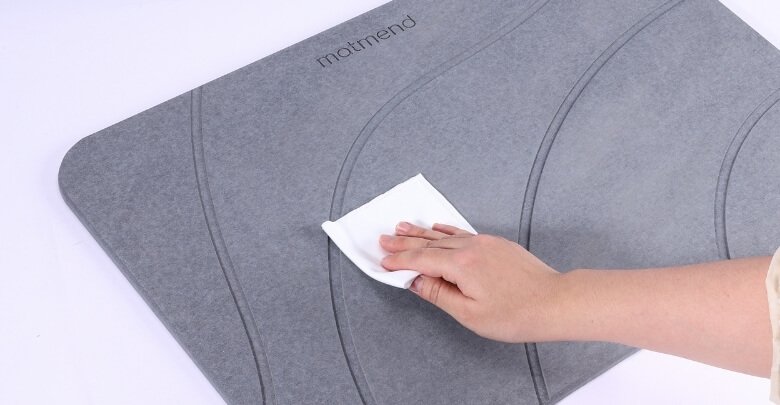
Stone bath mats do not wash like fabric mats. Cleaning usually means wiping with a damp cloth. Some people rinse them and let them dry fully. Store the mat upright after use. This position allows airflow and helps it dry quickly. Occasional rinsing keeps the surface working well over time.
Clean bath mats support a healthier and more comfortable bathroom. Weekly washing works for most homes with regular use daily. Drying after every shower is just as important for hygiene and comfort. Small habits like these help mats last longer and stay fresh.
Commonly Asked Questions
These questions cover common doubts people still have after learning the basics. They focus on safety, care, and daily habits. Each answer gives clear guidance using simple words. Read through them to keep your bath mat clean, dry, and safe.
Can A Wet Bath Mat Cause Health Problems?
A wet bath mat can hold germs if it stays damp too long. Moist fabric allows mold and bacteria to grow slowly. This can cause bad smells and may affect breathing for some people. Drying the mat fully after each shower helps keep the bathroom healthier and safer.
Is It Safe To Dry A Bath Mat Outside?
Drying a bath mat outside is safe in dry weather. Fresh air and sunlight help remove moisture faster. Sunlight can also reduce odor naturally. Make sure the mat is clean before placing it outside. Bring it in once dry to avoid dust or insects.
Should A Bath Mat Be Dried After Every Shower?
Drying after each shower is a good habit. Even light moisture can build up over time. A mat that dries daily stays fresh longer. This also helps prevent slipping and floor damage. Regular drying keeps the mat comfortable and safe for daily use.
Can Damp Bath Mats Damage Bathroom Floors?
Moist mats can slowly harm the floors underneath. Water trapped below may cause stains or tile damage. Wood floors are especially at risk from long moisture contact. Lifting and drying the mat protects both the mat and the floor. This simple step prevents costly repairs later.
Does Bathroom Size Affect Bath Mat Drying?
Small bathrooms often hold moisture longer. Steam has less space to escape after showers. This slows how fast a mat dries naturally. Good airflow becomes more important in tight spaces. Opening doors or using fans helps improve drying speed.
Can Using A Fan Help Dry A Bath Mat Faster?
Fans help move air across wet surfaces. Air movement speeds up water evaporation. Placing a fan near a hanging mat can help a lot. This is useful in humid homes. Fans work best when air reaches both sides of the mat.
Is It Okay To Stack Wet Bath Mats Together?
Stacking wet mats is not a good idea. Moisture gets trapped between layers. This causes slow drying and bad smells. Each mat should dry separately with airflow. Spacing them out keeps them fresh and ready to use.
End Note
Keeping a bath mat dry is a small habit with big daily value. A dry mat helps stop smells, lowers slip risks, and protects the floor. Simple actions like hanging the mat, improving airflow, and choosing the right material all work together. These habits also help mats last longer and stay comfortable.
If you wonder how to dry a bath mat after a shower, the best method is simple and practical. Shake off water, hang the mat so air reaches both sides, and reduce bathroom humidity. This routine helps the mat dry within a safe time frame.
Before ending, remember a few easy tips. Always lift the mat off the floor, check that it dries fully, and wash it on time. Choose a mat that fits your bathroom airflow. Wishing you a fresher bathroom, safer steps, and stress-free daily routines ahead.


