
Good vacuum cleaners are essential for keeping floors, carpets, and furniture free from dust, crumbs, and pet hair. Suction power plays a big role in cleaning results. Choosing the right vacuum means understanding how much power you need. Not all vacuums are built for the same tasks or surfaces.
Wondering how much suction should a good vacuum have?
A good vacuum should have enough suction to match your cleaning needs. For most homes, 180–300 Air Watts is ideal for corded vacuums, while cordless models perform well at 100–150 Air Watts. Robot and handheld vacuums typically need 2,000–8,000 Pascals for effective cleaning.
Find out what suction level works best for your vacuum type and home. Learn how performance varies between models, features, and floor types. Keep reading to make a smarter, more informed vacuum-buying decision today.
Why Does the Vacuum Suction Power Matter in a Vacuum?
Vacuum suction power plays a key role in how well a vacuum cleans daily messes. It decides how effectively dirt, dust, and hair lift from floors. Without proper suction, even advanced features fail to deliver reliable, satisfying cleaning results at home. Here are key reasons why the vacuum suction power matters:
Removes Deep Dirt Effectively
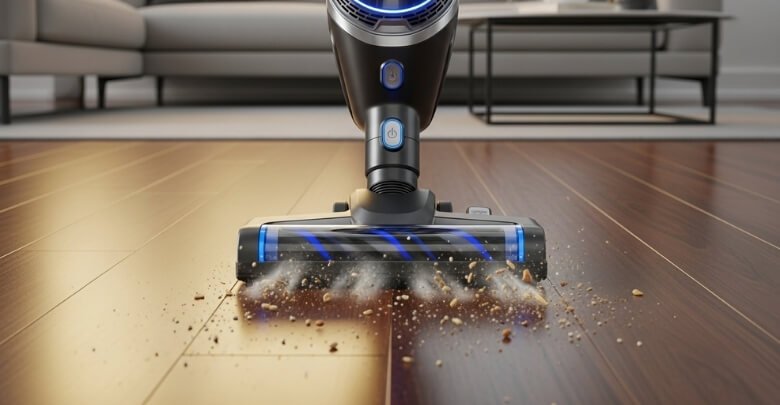
Strong suction helps a vacuum pull dust and debris trapped deep inside carpets and rugs. Weak suction leaves hidden dirt behind, even after repeated passes. With enough suction, cleaning becomes faster, more thorough, and far less frustrating during routine household maintenance.
Improves Cleaning on Different Floor Types
Different floors need different cleaning strengths, and suction power makes that adjustment possible. Good suction lifts dust from hard floors without scattering debris. On carpets, it pulls particles upward instead of pushing them deeper into fibers.
Helps Handle Pet Hair and Allergens
Homes with pets need stronger suction to remove hair stuck in carpets and upholstery. Good suction captures fine allergens like pollen and dander effectively. This improves indoor air quality and creates a healthier living space for sensitive individuals.
Reduces Cleaning Time and Effort
Higher suction allows a vacuum to clean more efficiently in fewer passes. You spend less time going over the same area repeatedly. This reduces physical effort, saves energy, and makes regular cleaning tasks easier to manage consistently.
Enhances Overall Vacuum Performance
Suction power supports other vacuum features like brush rolls and filters. Without proper suction, these parts cannot work effectively. Balanced suction ensures smooth airflow, better debris capture, and reliable performance throughout the vacuum’s lifespan
How Much Suction Should a Good Vacuum Have?
Knowing how much suction a vacuum should have helps people choose the right cleaner for their space. Good suction ensures a cleaner floor, picks up more debris, and cuts cleaning time. While higher suction is better, it must match your floor type, home needs, and vacuum design. Let’s explore the main things that affect suction strength and cleaning performance.
Floor Type and Surface Texture
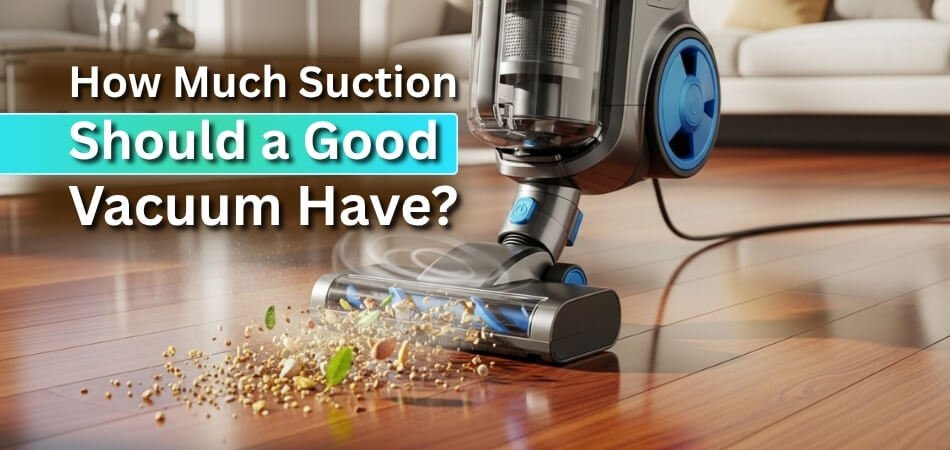
Carpets need more suction to pull dirt deep from fibers without leaving anything behind. Hard floors, like tile or wood, require less suction to avoid scattering debris. Rugs with thick fabric demand stronger airflow for full cleaning. Choosing the wrong suction level wastes time and may damage surfaces. Match the power with the floor to get clean results fast.
Vacuum Type and Size
Upright and canister vacuums usually offer more suction for heavy-duty cleaning tasks around large homes. Cordless stick vacuums balance suction with battery life and work well on hard floors. Robot vacuums provide less suction but focus on daily light cleaning. Handheld vacuums, like the DreamVac, give strong spot cleaning power despite their small size and lightweight build.
Airflow and Filtration Design
Airflow decides how well suction travels through the vacuum, guiding dirt to the dustbin or bag. Filters block fine dust, but bad airflow weakens suction, making cleaning harder. Strong vacuums need sealed systems and clean filters to keep airflow steady. If air leaks or filters clog, suction drops fast. Good design keeps suction steady and cleaning easy.
Suction Measurement Units
Vacuums show suction strength using numbers like Air Watts (AW), Pascals (Pa), or water lift. Upright vacuums with 200 AW can clean carpets well. Robot vacuums often have 2000–4000 Pa for basic cleaning. Numbers help compare models, but real cleaning depends on all parts working together. Use these units only as a starting point for research.
Battery Life vs. Suction Power
Cordless vacuums run on batteries, so using max suction drains power quickly. Some offer settings to balance power and battery. Low suction helps run longer, but stronger suction cleans better in fewer passes. Good vacuums allow switching modes, saving power for tough jobs. Always consider battery runtime when picking a vacuum for full-house cleaning needs.
Attachments and Brush Roll Type
Different nozzles and brushes affect how well suction performs on surfaces and corners. A motorized brush roll lifts pet hair better from carpets, while soft rollers help on hardwood floors. Narrow tools focus suction in tight spots. Even with strong suction, the wrong attachment can ruin results. Always match the tool with the cleaning job for success.
What is Considered “Good” Suction Power?
Good suction power helps a vacuum clean better across different surfaces and mess types. The right suction depends on design, airflow, and how the vacuum uses power efficiently. Numbers matter, but performance also relies on how well the vacuum handles dirt during real cleaning tasks.
Floor Type and Cleaning Surface
Different surfaces need different suction levels to clean properly without damage or wasted effort. Carpets trap dirt deeply, requiring stronger suction for removal. Hard floors need controlled suction to avoid scattering debris. Matching suction with surface type improves results and protects floors during routine cleaning.
Vacuum Design and Build Quality
Vacuum shape, seals, and internal layout affect how suction reaches the cleaning head. Well-designed air paths keep power steady from nozzle to dustbin. Poor builds lose suction through leaks or bends. Strong structure helps suction stay useful, not wasted, while cleaning different areas effectively.
Airflow Efficiency and Sealing
Airflow moves dirt through the vacuum, while suction pulls it from surfaces. Tight seals prevent air loss and maintain cleaning strength. When airflow flows smoothly, suction performs better using less power. Weak airflow reduces cleaning results, even if suction numbers appear high on paper.
Motor Strength and Power Control
Motor quality controls how consistently a vacuum delivers suction during use. Strong motors maintain power without overheating or slowing down. Adjustable power settings help balance suction and energy use. Good control allows efficient cleaning on rugs, floors, and furniture without unnecessary strain.
Attachments and Brush Roll Support
Tools and brush rolls help suction work effectively on different messes. Motorized brushes lift hair from carpets, while soft rollers protect hard floors. Narrow tools focus suction in corners. Without proper attachments, strong suction alone cannot clean every surface well.
How is Vacuum Suction Measured?
Understanding suction measurements helps buyers compare vacuums with confidence and realistic expectations. Different units describe suction from different angles, which often causes confusion. Learning these methods helps users choose better machines and improves cleaning habits through clearer performance knowledge.
Air Watts (AW) Measurement
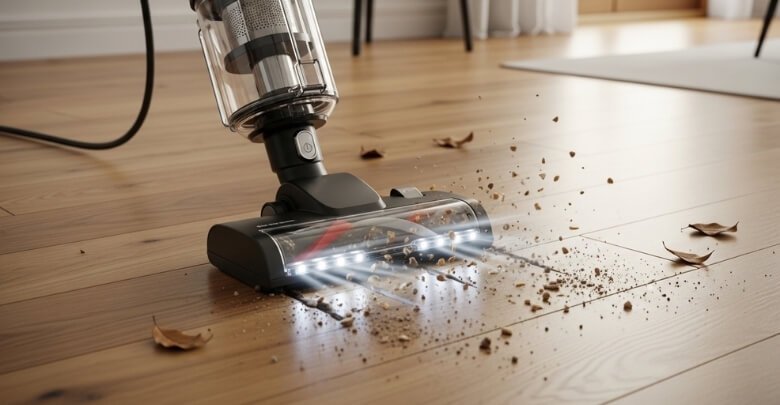
Air Watts show how suction pressure and airflow work together during real cleaning tasks. This unit suits upright and canister vacuums used for deep carpet cleaning. Higher Air Watts usually mean better performance, but design quality still affects how efficiently that power reaches the floor.
Pascals (Pa and kPa) Measurement
Pascal’s measure suction pressure alone, showing how strongly a vacuum pulls air inward. Cordless and robot vacuums often use this unit for quick comparison. While high Pascals sound impressive, airflow balance still decides real cleaning strength during daily household use.
Water Lift Measurement
The water lift shows how high a vacuum can pull water using suction force alone. This method highlights raw lifting strength but ignores airflow movement. Because airflow matters for dirt transport, water lift numbers alone cannot accurately predict everyday cleaning effectiveness.
Airflow Rate Consideration
Airflow rate measures how much air moves through the vacuum system each second. Strong airflow helps carry debris into the dustbin smoothly. When airflow stays steady, suction works better, helping users clean faster while avoiding improper vacuum use during repeated passes.
Manufacturer Testing and Marketing Metrics
Manufacturers often highlight the most impressive measurement to attract buyers quickly. Some focus on Pascals, while others promote Air Watts heavily. Without context, these numbers mislead shoppers. Understanding each metric prevents confusion and helps buyers focus on real cleaning performance instead.
How Floor Type and Cleaning Needs Affect Suction Requirements?
Floor type and cleaning needs strongly influence how much suction a vacuum should use for effective results. Different surfaces hold dirt in unique ways, while debris size and frequency also change power needs. Choosing the right suction prevents damage and improves cleaning efficiency.
- Hard Floors: Hard floors need controlled suction to collect dust without pushing debris away during cleaning. Too much power scatters dirt and makes cleaning slower and less precise.
- Low-Pile Carpets: Short carpets require moderate suction to lift dust trapped between fibers effectively. Balanced power removes dirt without pulling carpet threads or causing extra resistance.
- High-Pile Carpets: Thick carpets demand higher suction to remove deeply embedded dirt and pet hair. Strong airflow helps lift debris upward instead of leaving it trapped below.
- Pet Hair Homes: Homes with pets need stronger suction to pull hair from carpets and upholstery easily. Hair clings tightly, so weak suction often leaves a visible mess behind.
- Heavy Debris Areas: Entryways and kitchens collect larger debris that needs higher suction to lift quickly. Strong suction reduces multiple passes and saves cleaning time.
- Delicate Surfaces: Curtains, rugs, and furniture need lower suction to avoid damage during cleaning. Adjustable power helps clean gently while protecting fragile materials.
Is More Suction Always Better in a Vacuum?
More suction sounds helpful, but it does not always improve cleaning results. Very high suction can create problems like hard movement, loud noise, or fast battery drain. A good vacuum balances suction with airflow, design, and control to clean efficiently without causing discomfort or surface damage. Here are the most important points to consider before choosing a vacuum based on suction alone.
Floor Compatibility Matters
Stronger suction works well on thick carpets but causes trouble on smooth floors. Excess power scatters debris across tiles and wood surfaces. Balanced suction keeps dirt controlled and prevents repeated passes. Matching suction to flooring ensures better results and smoother movement during regular cleaning sessions.
Battery and Energy Use
Cordless vacuums lose battery quickly when running at maximum suction levels constantly. High power shortens cleaning time and reduces coverage. Adjustable suction helps users save energy while cleaning lightly soiled areas. Smart power control improves efficiency and avoids frequent charging interruptions during longer cleaning routines.
Ease of Handling
Too much suction makes vacuums harder to push across carpets and rugs. Strong resistance strains arms and reduces comfort. Moderate suction allows smooth movement and better control. Comfortable handling encourages consistent cleaning habits and helps users finish tasks faster without unnecessary physical effort.
Noise and Comfort
Higher suction often increases noise levels during operation inside homes. Loud vacuums disturb conversations, children, and pets easily. Balanced suction reduces sound while maintaining cleaning power. Quieter performance improves user comfort and makes cleaning more pleasant during mornings or evenings indoors.
Overall Cleaning Design
Suction works best when airflow, brushes, and seals support it properly. High power without good design wastes energy. Efficient airflow delivers dirt smoothly into the bin. A well-designed vacuum cleans better with moderate suction than a poorly designed model using extreme power.
Surface Protection
Delicate rugs, curtains, and upholstery suffer damage from excessive suction strength. Fibers stretch or fray under constant pulling force. Adjustable suction protects fabrics while still removing dust. Gentle control helps maintain home items and extends their useful lifespan significantly.
Additional Factors That Matter Besides Suction in a Vacuum?
Strong suction helps with cleaning, but other features decide how well a vacuum works daily. Design choices, airflow control, and user comfort shape results just as much as power. Ignoring these elements often leads to poor cleaning experiences despite impressive suction numbers.
Brush Roll Design
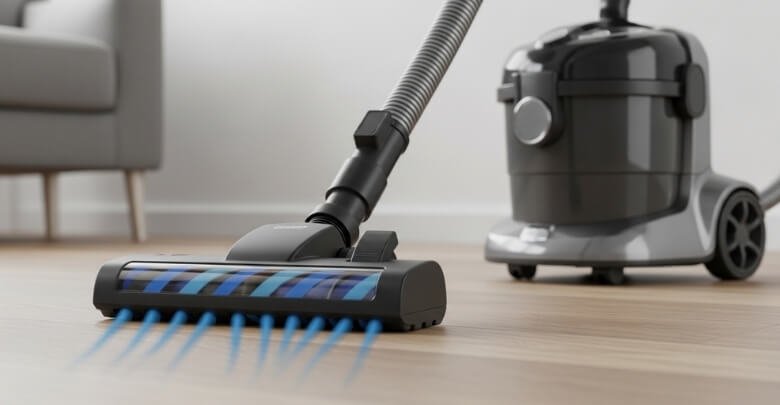
Brush rolls loosen dirt from carpets and guide debris toward suction paths efficiently during movement. Motorized brushes lift hair better, while soft rollers protect floors, especially when comparing sweeping and vacuuming for hard floor surfaces at home.
Airflow Path Quality
Airflow carries debris after suction lifts it from the surface during cleaning sessions. Smooth internal paths reduce blockages and keep power consistent, ensuring dirt reaches the bin quickly without settling back onto floors.
Filtration System Strength
Filters trap dust and allergens before air exits the vacuum during operation. Strong filtration improves air quality and protects motors from buildup, helping vacuums perform steadily while supporting healthier indoor breathing environments.
Attachment Versatility
Attachments allow vacuums to clean corners, stairs, furniture, and tight spaces more effectively. Proper tools focus suction where needed, improving results across surfaces that standard floor heads cannot reach comfortably.
Build and Sealing
Solid construction prevents air leaks that weaken suction before it reaches the floor. Tight seals keep airflow controlled, allowing the vacuum to use power efficiently instead of losing strength through poor connections.
Ease of Maintenance
Easy access to filters and bins encourages regular cleaning and upkeep. Clean parts maintain airflow, protect motors, and ensure consistent performance without sudden drops in suction during everyday household use.
FAQs About the Suction Power of a Good Vacuum
Understanding vacuum suction can still raise practical questions after learning the basics. Many people want clarity about real-life usage, home size, lifestyle needs, and misleading claims. The following FAQs address common concerns that help readers choose the right suction level confidently without repeating earlier explanations.
Does Home Size Affect How Much Suction You Need?
Yes, home size plays an important role when choosing suction power. Larger homes usually have more foot traffic, dust buildup, and mixed surfaces, which benefit from stronger suction. Smaller apartments often clean well with moderate suction, especially when floors are mostly hard and cleaned frequently.
How Much Suction Is Enough for Homes With Pets?
Pet owners usually need higher suction because hair sticks deeply into carpets, rugs, and upholstery. A vacuum with stronger suction lifts embedded fur more effectively and reduces repeated passes. Consistent suction also helps collect fine dander, improving cleanliness and comfort for allergy-sensitive households.
Can Too Much Suction Damage Floors or Rugs?
Excessive suction can cause issues with delicate rugs, curtains, or lightweight carpets. Strong pull may stretch fibers or make vacuums difficult to move. Adjustable suction settings help prevent damage by allowing users to lower the power when cleaning fragile surfaces or furniture safely.
How Often Should You Use Maximum Suction Mode?
Maximum suction works best for deep cleaning sessions or heavily soiled areas. Using it constantly may waste energy, increase noise, or shorten battery life in cordless models. Most homes benefit from moderate suction for daily cleaning and stronger power only when needed.
Why Do Some Vacuums With High Suction Still Clean Poorly?
High suction alone does not guarantee good cleaning results. Poor airflow, clogged filters, weak brush rolls, or air leaks reduce effectiveness. A well-designed vacuum with balanced suction, smooth airflow, and proper tools often cleans better than a poorly designed model with higher advertised power.
Last Words
Choosing the right vacuum becomes easier when you understand how suction truly affects cleaning results. Different homes, surfaces, and habits demand different power levels, making balance more important than chasing the highest numbers. Once you know how airflow, design, and attachments work together, decisions feel clearer.
Many buyers still wonder how much suction should a good vacuum have when comparing models, yet the answer always depends on real cleaning needs. Strong suction helps, but comfort, control, and efficiency matter just as much. A well-matched vacuum saves time, protects surfaces, and delivers consistent results that make everyday cleaning far less stressful.


