
Using a leg massager can improve circulation, ease muscle tension, and support daily recovery routines for you. These devices offer targeted relief that helps reduce soreness while encouraging relaxation throughout your lower body daily. Regular use provides consistent comfort, making leg massagers valuable tools for managing fatigue and improving overall wellness. But, how long should you use a leg massager?
Most people should use a leg massager for 15–30 minutes per session, once or twice daily, depending on the device type and intensity. Short, consistent sessions help boost circulation and relieve fatigue without overuse. Always follow the manufacturer’s guidelines and stop if you feel pain or numbness.
The following guide reveals ideal usage duration, safe frequency, and essential tips for achieving comfortable, effective massage sessions. Stay with us to learn expert-backed guidance ensuring your leg massager routine remains safe and effective daily.
How Long Should You Use a Leg Massager?
Many people wonder about the right time to use a leg massager because comfort matters during every session. You gain better relief when you follow a clear plan instead of guessing things each day. Most people feel great using a leg massager for fifteen to thirty minutes once or twice daily with steady care. Here are some factors that can help you decide the right timing for your body.
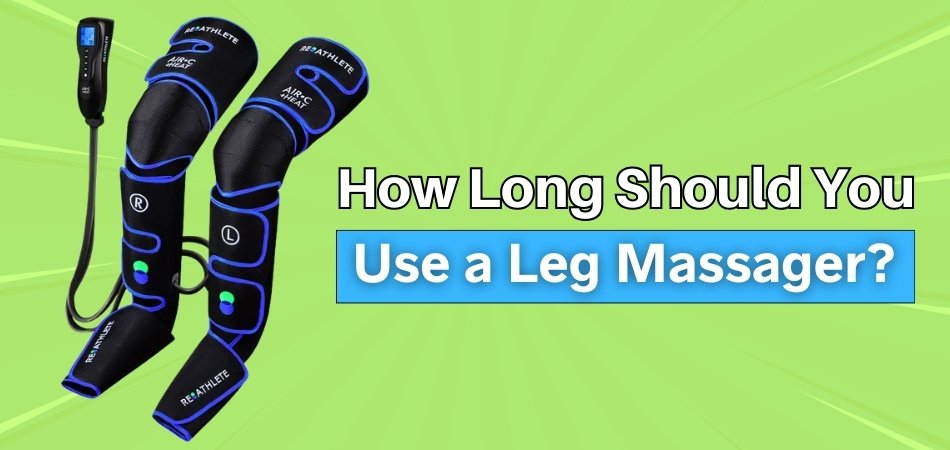
Pressure Strength and Comfort Level
Strong pressure shapes your ideal session length because your legs react fast when comfort changes during use. Many people choose shorter sessions when stronger levels cause quick fatigue during daily recovery routines. You enjoy longer sessions when gentle settings help your legs relax without sudden discomfort during slow routines. Every change matters because your comfort shapes the right timing throughout steady massage cycles.
Daily Routine and Lifestyle Habits
Active days often change your needed massage time because your muscles demand steady relief after movement. You may choose longer sessions when long work hours create tightness across your lower legs daily. Short sessions often feel better when you handle busy routines that drain your energy during stressful moments. Your habits shape your ideal timing because your body guides every small choice throughout massage care.
Device Type and Massage Technology
Different massager styles influence your timing because each device delivers unique effects during steady use. Air-based tools often offer deeper pressure that demands careful timing to protect your legs daily. Shiatsu models use rolling nodes that bring strong relief during short cycles that support deep relaxation. You enjoy balanced use when modern tools like the Air-C Compression Massager fit your comfort level.
Sensitivity and Overall Leg Condition
Your leg condition shapes your session timing because sensitive muscles demand shorter and gentler cycles daily. You may notice quick soreness when tight areas react strongly during deeper sessions across your lower legs. You gain longer relief when relaxed muscles allow slower timing that supports calm routines throughout your day. Every moment matters because your body guides timing that keeps your legs feeling steady and supported.
Fitness Level and Recovery Needs
Athletic routines change your timing because stronger muscles need focused recovery during long days of training. You may choose longer sessions when heavy exercise tightens your legs during demanding workout cycles weekly. Shorter sessions feel better when light activity creates mild tension across your lower legs each day. Your fitness level guides timing because recovery needs shift throughout your weekly movement patterns.
Heat Settings and Temperature Control
Heat settings influence your timing because warm cycles create faster relief during steady massage routines daily. You may extend sessions when gentle warmth supports smooth blood flow across your lower legs comfortably. Cooler settings feel better when your muscles react quickly during short periods across tight spots throughout sessions. Temperature choices matter because warmth or coolness shapes your comfort throughout each massage cycle.
Why Duration Matters When Using a Leg Massager?
A good session length matters because your legs respond differently to pressure, heat, and movement during massage. The right timing helps you gain comfort, avoid strain, and enjoy better relief throughout your day. When you understand why duration matters, you can adjust your routine to match your body’s needs with ease.
- Better relief: You get stronger results when your session time matches your comfort because your legs relax more smoothly during use. Longer sessions may help certain tight spots, but shorter sessions protect sensitive areas that react quickly to deep pressure.
- Muscle balance: Your muscles stay happy when you choose timing that supports steady recovery because every leg reacts in unique ways. Short breaks between sessions also help your legs handle pressure without sudden stress that builds during long massage cycles.
- Good circulation: You enjoy better blood flow when controlled timing guides your massage because steady pressure supports your natural rhythm. Longer cycles may help tired legs, but shorter cycles often work better when your muscles react fast during use.
- Strain control: You avoid soreness when you keep your timing balanced because long sessions sometimes stress tight areas quickly. Short sessions help you enjoy relief without pushing your legs beyond comfort, especially during busy days with extra tension.
- Safe pressure: You manage pressure better when you watch your timing because long cycles may overwhelm sensitive spots. Gentle timing also helps your legs adjust slowly without sudden discomfort that appears when pressure stays strong for too long.
- Daily comfort: You feel better each day when your timing supports your routine because steady habits shape good results. Short and clear sessions help you stay relaxed without discomfort, even when your legs face much movement throughout the week.
Recommended Usage Time by Type of Leg Massager
A clear plan helps you choose the right session length because every leg massager works in different ways. Your comfort shifts when pressure, movement, and warmth change during routine care. You understand each device better when you learn how timing shapes comfort and daily results for your legs. Here are the recommended usage times for different leg massagers:
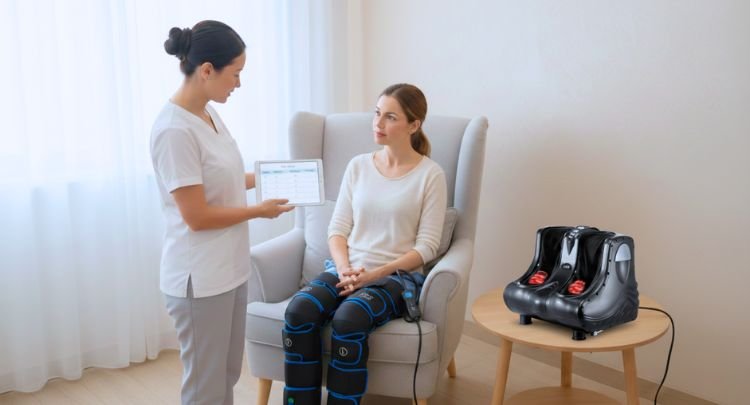
Air-C Compression Massager
This style uses slow air pressure that moves along your legs and creates strong relief during steady sessions. Many people enjoy fifteen to thirty minutes because this timing supports smooth pressure without sudden strain on tired muscles. You guide your Air C Leg Massager usage frequency by watching comfort signals that change across your lower legs each day.
Shiatsu / Kneading Massager
Rolling nodes press into tight muscles and help your legs relax during slow moments that follow long days. Many people choose ten to twenty minutes because deeper movement creates quick relief across tired areas that need attention. You gain better comfort when you adjust timing based on the daily stress that reaches your legs.
Vibration or Heat Massager
Gentle vibration spreads through your legs and helps tired muscles loosen during calm moments throughout your day. Many people enjoy twenty to thirty minutes because warmth improves circulation and guides steady comfort across tight areas. You can change the timing when heat or strong vibration feels too intense during longer sessions.
Foot & Calf Combo Devices
These devices support your lower legs by mixing pressure and movement that work together during each session. Many people choose fifteen to twenty-five minutes because this timing helps both areas relax without sudden discomfort. You improve comfort by adjusting intensity and timing when your feet or calves feel tight after long routines.
How Often Should You Use a Leg Massager?
How often you use a leg massager depends on your comfort, because every person handles daily tension in different ways. Many people enjoy one or two sessions each day because steady routines bring calm relief during stressful moments. You gain better results when you listen to your legs since comfort changes with movement throughout the day. Some users follow unique patterns because their routines shift often and create different needs across long, busy weeks.
Athletes enjoy one or two sessions after workouts because deeper tension builds fast during hard training cycles. People with swelling or long-standing hours use daily sessions because tight legs need steady support during rushed days. Elderly users often choose one gentle session because lighter pressure protects sensitive muscles during slow movement patterns. You shape your routine by starting with short sessions because gradual timing helps your legs adjust through many different moments.
Factors That Affect How Long You Should Use It
People often wonder why the time for a leg massage feels different each day. Your legs change based on your mood, activity, and comfort. Some days you may want a short session, while other days you may want more time. When you understand the main factors, it becomes easier to choose the right amount of time. Here are some for your understanding.
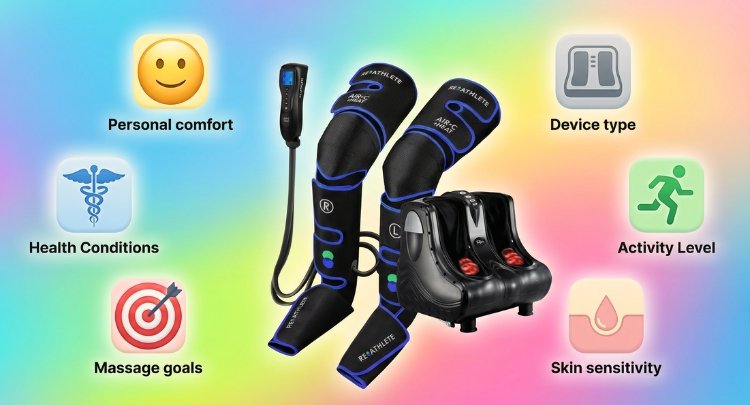
Personal Comfort
Your comfort always matters first because your legs change from day to day. Some people like short sessions because their legs get tired quickly and need gentle care. Others enjoy longer sessions because their legs relax slowly and need more time to feel good again. Stop right away if you feel pain because pain means something is wrong. Try different times until you find a session length that feels safe and calm for you.
Health Conditions
Some people have health issues that change how long they can use a massager. If you have trouble with blood flow or swelling, strong pressure can feel too heavy after a short time. Shorter sessions help your legs stay comfortable without making your symptoms worse. Listen to your body because your legs will give signs when something feels off. If you feel unsure, talking to a doctor helps you find a safe time.
Massage Goals
Your goal affects how long you should use the massager. If you want simple relaxation, you may enjoy longer sessions that help your legs settle down. If you want relief from tight muscles, shorter sessions work better and feel easier on your legs. Choose your time based on what you want to fix or calm. Change the timing whenever your needs or goals feel different.
Device Type
Different massagers work in different ways, and this changes the time you should use them. Air compression tools feel strong, so many people keep sessions short to stay comfortable. Shiatsu tools press deeper into the muscles, which also works better with shorter sessions. Heat massagers may allow longer sessions because warmth feels softer on the skin. Always match your time to the type of device you use.
Activity Level
Your daily activity changes how long your legs need massaging. If you move a lot or play sports, longer sessions may feel good and help your legs rest. If you sit or walk lightly during the day, shorter sessions may feel enough. Older people may need gentler and shorter sessions to avoid tiredness. Adjust your timing based on how much your legs worked that day.
Skin Sensitivity
Using a massager for a long period depends on your skin type as well. If your skin gets red or itchy fast, shorter sessions help prevent irritation. Long sessions can feel rough on sensitive skin and may cause discomfort. Gentle timing keeps your skin calm and protects it from harm. Start small and increase slowly as your skin allows.
Signs You’re Overusing a Leg Massager
Using a leg massager feels great, but too much use can create problems that your legs quickly notice. Your body gives clear signs when sessions go beyond safe limits. Knowing these signs helps you adjust your routine. These points explain the warnings.
- Deep soreness: You feel strong muscle soreness that lasts longer than normal because your legs struggle with heavy pressure. This soreness grows worse when you continue sessions without giving your legs enough simple time to recover.
- Sharp tingling: You feel sharp tingling during sessions because your nerves react quickly to too much pressure. This tingling grows stronger when you ignore the signal and keep using the massager for longer.
- Numb feelings: You notice numb spots on your legs because long sessions make your nerves feel stressed. This numb feeling stays longer when you do not reduce pressure or shorten your massage time.
- Red patches: You see red patches on your skin because your legs cannot handle strong or long pressure. These patches stay longer when you continue using the device even after your skin signals discomfort.
- Heavy fatigue: You feel heavy leg fatigue after sessions because your muscles work too hard during long massages. This tired feeling continues through the day when you do not give your legs proper rest time.
- Swelling signs: You notice swelling around your calves because long sessions put more pressure than your legs can handle. This swelling slowly increases when you ignore discomfort and continue massaging stressed areas.
These signs tell you to reduce your massage time so your legs stay healthy, safe, and comfortable. When you understand the recommended leg massager duration, you can adjust your sessions in a way that protects your muscles and skin. This helps you avoid soreness, reduce stress on your legs, and enjoy steady relief without discomfort.
Who Should Avoid or Limit Leg Massager Use?
Some people need to be careful with leg massagers because certain health issues make strong pressure unsafe. These devices help many people, but not everyone reacts the same way when pressure reaches the legs. A few conditions make leg massage risky, so you should know who needs extra care. This list explains who should talk to a doctor or avoid use to stay safe.
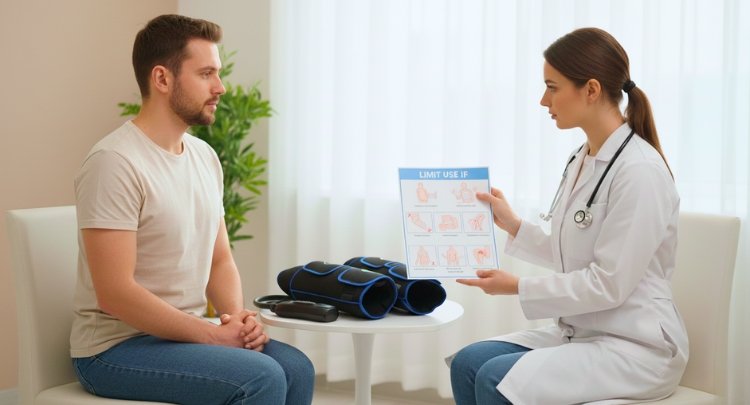
People with DVT
Deep vein thrombosis causes blood clots that can move when strong pressure pushes against the leg. A massager can make this worse because pressure spreads through the lower leg very quickly. People with DVT can face serious problems if a clot moves during a session. This makes leg massage unsafe for them, even for a short time. Anyone with DVT must speak to a doctor before thinking about leg massage.
Pregnant Women
Pregnancy changes blood flow, and strong leg pressure can make swelling or discomfort grow fast. Many women experience heavy legs, and deep pressure sometimes makes the problem worse. Some may feel safe with gentle settings, but that depends on their health. A doctor may allow light use, but only after checking everything. It is always better to stay careful because pregnancy brings many sudden changes.
Circulation Problems
People with weak blood flow often feel pain or pressure when the leg massager works too strongly. Their legs may react quickly because the veins already struggle to move blood. Strong sessions can make the legs feel tight or swollen. Gentle timing works better, but a doctor should guide them first. Anyone with circulation trouble needs safe and simple steps to avoid extra pain.
People on Blood Thinners
Blood thinners make the skin bruise easily, even with small amounts of pressure. A massager can cause marks because pressure spreads across the legs quickly. Some people may even feel pain where the skin becomes tender. This makes strong sessions unsafe for them. A doctor should approve any kind of leg massage for people using these medicines.
FAQs About Safe Leg Massager Duration
Using a leg massager feels great, but many people still wonder about the best way to use it. Knowing the right timing helps you enjoy relief without stressing your legs. These FAQs give simple answers that guide safe and comfortable use.
Can You Change Your Session Time Based On Daily Activity?
Yes, you can change the session time depending on how active your day was. Busy days with heavy movement may need longer sessions for comfort. Slower days often feel better with shorter massage time. Let your legs guide your timing based on how they feel each day.
Is It Okay To Split One Session Into Two Shorter Sessions?
Yes, splitting one long session into two shorter ones works well for many people. Shorter sessions feel easier on tired legs and prevent extra pressure. This helps your legs stay comfortable while still gaining benefits. Just keep your total daily time within safe limits.
Should You Increase Time If You Don’t Feel Relief Quickly?
No, you should not increase the time too fast if relief feels slow. Your legs may need several days to adjust. Longer time does not always mean better results. Instead, stay consistent with safe timing and increase slowly only if your legs feel comfortable.
Does Your Age Change How Long You Should Use It?
Yes, age can change ideal session length because older legs often react faster to pressure. Many older users prefer shorter sessions to avoid discomfort. Younger users may handle longer timing more easily. The best approach is choosing a length that feels gentle and safe for your legs.
Can You Change Duration When Using Heat Or Higher Intensity?
Yes, heat and higher intensity usually require shorter massage time. Strong settings reach deep muscles quickly, so long sessions may feel too heavy. Lower settings work better for longer use. Always adjust timing when intensity or warmth feels too strong for your legs.
Closing Remarks
A good leg massage routine works best when you understand your body and adjust your sessions to match your comfort. Your legs change from day to day, so your timing should shift based on pressure, activity, and how your muscles feel.
Finding the right balance becomes easier when you learn how long should you use a leg massager and follow simple signals from your legs. You stay safer when you begin with short sessions, increase time slowly, and stop whenever something feels off.
With a steady and mindful approach, you enjoy better relief, smoother circulation, and a daily routine that truly supports your comfort.


