
Leg massagers help relax tired muscles. Many people use them at home. They provide comfort after long activities. Many people search to understand what is the difference between air compression and vibration leg massagers because each works uniquely.
Air compression uses inflating airbags that improve circulation and reduce swelling, while vibration relies on rapid oscillations that relax muscles and ease tension, creating two distinct benefits for leg care needs.
The purpose of this guide is to explain key differences clearly so that you can make a confident decision based on your comfort and goals. Keep reading to learn practical insights that help you choose the right leg massager for everyday relief.
How Air Compression Leg Massagers Work?
Air compression leg massagers use air chambers that fill and release in steady waves around your legs. These waves create a firm squeeze that moves blood upward and supports better flow during daily routines. The slow rhythm copies real hand pressure, so your muscles feel guided while swelling slowly goes down. Many people enjoy this simple method because it keeps their legs lighter and helps them feel refreshed later.
This steady pressure moves fluid through tight spots so your legs stay strong and comfortable throughout long days. Many users add an Air-C Compression Massager when they want deeper support that boosts flow through heavy legs. The strong squeeze also helps lymph fluid move well, so your legs clear waste and feel more active. Each session gives fresh comfort because your legs get steady movement that guides blood upward and removes pressure.
How Vibration Leg Massagers Work?
Vibration leg massagers use strong motors that create quick oscillations, moving through your legs with steady comfort today. These fast waves stimulate muscles by shaking tight spots so your legs release tension and enjoy deeper relief. The gentle buzz reaches surface muscles first, while deeper areas gain slow comfort that feels calming during rest. Many people use vibration sessions because the movement keeps their legs loose and makes daily walking feel slightly easier.
Vibration massagers help tired muscles recover faster because steady motion moves soreness away and restores simple comfort daily. These devices work well when legs feel heavy since the shaking rhythm gives strong stimulation through soft tissue. People enjoy these tools for relaxing evenings because the easy motion keeps muscles free and helps release tension. You can use vibration systems anytime since the steady pulse guides comfort through tired legs and supports relaxation.
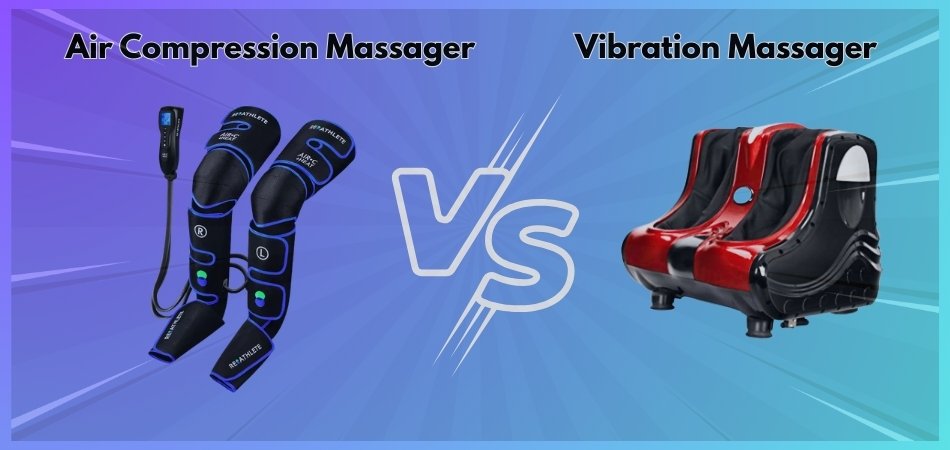
What is the Difference Between Air Compression and Vibration Leg Massagers?
Many people see both leg massager types and still feel unsure about what makes them different today. These tools look similar from the outside but work in very different ways that change how your legs feel. You can understand things clearly when each part is explained in simple words that make sense. This guide helps you compare both options easily, so choosing feels simple instead of confusing later on.
Feature | Air Compression Leg Massagers | Vibration Leg Massagers |
| Mechanism | Uses airbags that inflate and deflate in rhythmic patterns to squeeze the legs. | Uses motors that generate rapid vibrations or oscillations across the muscles. |
Pressure Type | Deep, controlled squeezing pressure that imitates manual compression. | Fast, surface-level vibration pressure that spreads across muscle tissue. |
| Intensity Level | Usually moderate to strong pressure, depending on airbag design. | Intensity varies from gentle buzzing to strong vibrations based on motor strength. |
Best Use Cases | Swelling, poor circulation, heavy legs, lymphatic drainage, and post-work standing fatigue. | Muscle relaxation, tension release, mild soreness, stress relief, and post-workout recovery. |
| Price Range | Medium to high, depending on the number of airbags and coverage area. | Low to medium, depending on vibration strength and build quality. |
Portability | Larger and less portable due to sleeves and air pumps. | Compact, lightweight, and easier to travel with. |
| Comfort Level | Feels like rhythmic squeezing—steady and soothing for longer sessions. | Feels like buzzing or shaking—great for quick relief and muscle loosening. |
Noise Level | Usually quieter with soft air pump sounds. | Can be louder due to vibrating motors. |
| Safety Considerations | Better for circulation, but must be used carefully for severe vascular issues. | Safe for general muscle use, but not ideal for swollen or inflamed legs. |
Suitable Conditions | Edema, varicose veins, poor circulation, and diabetes-related leg heaviness (with physician guidance). | Mild muscle pain, stiffness, workout fatigue, and stress relief. |
Mechanism
Air compression leg massagers work by filling and releasing air in different chambers wrapped around your legs. This creates a squeezing motion that feels like steady hand pressure moving upward through your muscles during regular use. Vibration leg massagers work by using motors that shake your legs with fast pulses to loosen tight spots. Both systems help your legs feel better, but each one moves differently and gives a unique kind of comfort.
Pressure Type
Air compression gives a strong squeezing pressure that moves step by step along your legs to help release heaviness. The movement feels slow, firm, and steady, which makes it easier for your legs to relax fully. Vibration offers quick shaking pressure that spreads over your legs and reaches the top layers first. This type feels lighter and helps you loosen stiff muscles without needing a strong force on your legs.
Intensity
Air compression usually gives deeper pressure because the air chambers press firmly around your legs. You can choose stronger or lighter squeezing levels depending on how comfortable you feel during your session. Vibration intensity depends on motor strength and speed, so the shaking can feel gentle or very lively. Many people prefer vibration for mild relief, while compression works better when legs feel heavy or swollen.
Best Uses
Air compression works best for people who want help with swelling, tired legs, or slow blood flow. It is also useful after long-standing hours or long travel days which make your legs feel heavy. Vibration works better for relaxing muscles, easing tension, and helping your legs feel loose after a busy day. Both types help in different ways, so choosing between leg massager types becomes easier when you know each purpose clearly.
Price Range
Air compression leg massagers usually cost more because they need several air chambers and controlled pressure programs. You will also find bigger designs that cover your whole leg, which increases the final price. Vibration models are often cheaper since they need fewer parts and use simple motion technology. Both choices come in many prices, so you can match your budget without feeling confused or limited.
Portability
Air compression leg massagers are often bigger because they use long wraps and external controllers. This makes them harder to carry around, especially if you travel often or move between rooms. Vibration models are usually smaller and lighter, so you can take them anywhere with ease. Many people choose vibration when they want something easy to store and quick to place on their legs.
Comfort
Air compression feels gentle and soothing when the squeezing pattern starts moving across your legs slowly. The squeeze goes deeper and gives a relaxing hug-like feeling that many people enjoy. Vibration gives a buzzing feeling that wakes your muscles and helps them loosen up quickly. Some users like the lively motion, while others prefer the calm pressure from compression for longer comfort.
Noise Level
Air compression machines may make soft pumping sounds because air flows in and out of the chambers. These sounds are not very loud but can be noticed in a quiet room at night. Vibration tools make humming sounds from the motors, and the noise depends on speed and strength. Many people find both types acceptable, but vibration usually sounds a little louder than compression.
Safety
Air compression is safe for most people who want help with swelling or circulation support. People with leg injuries or medical conditions should still check with a professional before trying strong pressure. Vibration is also safe for general relaxation, muscle tension, or mild stiffness in tired legs. Both tools help your legs feel better when used correctly, and simple care makes everything safe.
Suitability
Air compression suits people who stand long hours, walk a lot, or experience swelling from daily activities. It also helps older people or anyone wanting better blood flow without strong impact. Vibration suits those who want quick relaxation, gentle relief, and easy use after school, sports, or evening routines. Each option fits different needs, so you can choose what feels right for your legs.
Benefits of Air Compression Leg Massagers
Air compression leg massagers offer many helpful benefits for people who want easier comfort and better daily leg support. These tools help different users by improving circulation, easing swelling, and making tired legs feel lighter during simple home sessions today. Here are the benefits:
- Better circulation: Air compression systems move blood upward through steady pressure waves that help legs feel warm and active. This steady movement brings new oxygen into leg muscles and makes daily walking feel easier around the home.
- Less swelling: Gentle squeezing helps legs release trapped fluid, so swollen areas feel lighter and calmer during daily activities. Regular pressure waves support lymph flow that slowly clears waste from heavy legs, needing simple comfort today.
- Relieves heaviness: Air pressure helps remove deep leg tightness so your steps feel softer and easier during busy days. These sessions guide heavy legs toward smooth comfort that makes long-standing periods feel more manageable daily.
- Supports veins: Steady compression helps tired veins move blood upward, so common varicose discomfort slowly reduces during calm sessions. This helpful motion keeps legs fresher while reducing pressure that often causes strong strain around weak veins.
- Athlete recovery: Compression waves help athletes flush muscle waste faster, so their legs recover smoothly after hard workouts daily. These waves bring better blood flow and light comfort that supports training goals without creating unwanted soreness later.
Benefits of Vibration Leg Massagers
Vibration leg massagers offer simple comfort for people who want quick relief, better muscle flow, and easier daily movement. These tools help loosen tight areas, calm soreness, and give legs a light feeling that supports natural recovery during regular home routines.
- Muscle relaxation: Vibration waves loosen tight muscle fibers so your legs feel softer and more comfortable during daily routines. These motions spread warm relief through tense spots that often tighten after long work hours or busy activities.
- Pain relief: Fast shaking reduces mild pain by calming stressed muscles so your legs release unwanted tension during rest. Each session moves small knots gently so your legs gain smoother comfort without strong pressure or extra effort.
- Less stiffness: Vibrational movements warm stiff muscle areas, so your legs bend more easily during simple daily tasks. These steady pulses help tight parts move again by shaking away discomfort that collects after long sitting sessions.
- Post-workout help: Athletes use vibration tools to flush muscle waste quickly so legs feel fresher during recovery time. These fast waves support training goals because they remove tension and restore strength without adding extra strain daily.
- Better blood flow: Vibration pulses lift surface blood movement so tired legs feel warmer and more active during quiet moments. This gentle boost helps muscles recover faster because warmed tissues move smoothly and stay flexible through the day.
Safety Considerations for Each Type of Leg Massager
Air Compression vs Vibration SafetyUsing a leg massager feels simple, but knowing a few safety points always helps. Different people have different leg conditions, so choosing the right type matters. Some users may need extra care because their legs feel more sensitive. A few checks make each session safer and easier.
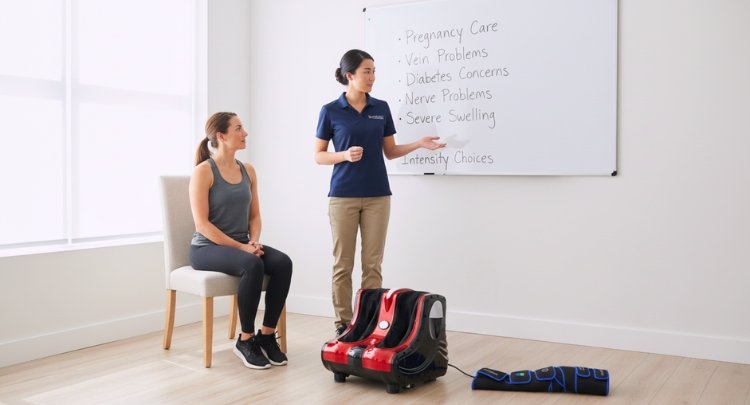
Pregnancy Care
Pregnant users should talk to a doctor before using any type of leg massager, especially if they notice swelling or strong leg discomfort. Some pressure levels may feel too strong and can make the legs more sensitive during later months. Gentle levels usually feel better, but medical advice always gives the safest direction. Vibration tools might feel lighter, but deeper squeezing from compression might not suit every stage of pregnancy. Staying careful helps avoid unwanted problems during daily use.
Vein Problems
People with severe varicose veins must be careful with strong pressure because tight squeezing can cause discomfort. Vibration often feels lighter for these users, but a doctor should still help them choose the better option. Air compression offers good blood flow support, yet higher levels might bother weak veins. Using slow modes helps keep the legs safe while still giving comfort. Checking how the legs react after each session gives a clear idea of what feels right.
Diabetes Concerns
People with uncontrolled diabetes or nerve issues must stay very alert with leg massagers. They sometimes feel less sensation, so strong pressure may become unsafe without them noticing. Compression helps blood flow, but it should stay on the lightest setting. Vibration may feel easier, but numb legs need careful monitoring. Talking to a doctor helps them understand which type suits their condition better. Extra care makes every session safer and more relaxing.
Nerve Problems
Users who have nerve pain or numbness should start with very low levels to avoid sudden discomfort. Both compression and vibration can feel too strong when nerves react badly. It helps to check how the legs feel after each minute of use. Slow steps make it easier to understand which tool works without creating more pain. Doctor guidance gives the safest way to enjoy comfort without harming sensitive areas.
Severe Swelling
People with heavy edema or sudden swelling should not use strong squeezing tools until a doctor checks the reason. Compression may push fluid incorrectly when swelling is very high. Vibration may feel soft, but it still moves the tissue more than needed. Mild sessions work better only when swelling stays mild and stable. Careful observation helps prevent extra discomfort while still giving light support.
Intensity Choices
Choosing soft levels helps avoid pressure that feels too strong for weak spots. Many people start too high and end up feeling discomfort later. It is better to increase slowly and watch how the legs respond with each step. Short sessions help the legs stay relaxed without sudden stress. Safe habits keep every type of massager enjoyable and easier to control.
Picking Safely
Choosing between the two massagers becomes easier when users focus on their health needs. Many people compare air compression vs vibration safety because their legs react differently. Compression supports blood flow while vibration works well for easing tight muscles. Checking medical conditions helps decide which type fits safely. Careful use makes comfort easier and more reliable every day.
Can You Use Both Air Compression and Vibration Together?
Yes, you can use air compression and vibration together, and many modern leg massagers actually combine both features in one device. These dual-action models use compression to push blood upward and reduce swelling, while vibration loosens tight muscles and adds soothing relaxation. When both work together, you get deeper circulation support along with faster muscle relief, which feels especially helpful after long work hours or workouts.
Using both can benefit people with tired legs, mild soreness, or slow circulation, because the two methods support different layers of the leg. Compression targets deeper veins and fluid movement, while vibration focuses on muscle comfort near the surface. This combination often feels more complete than using only one type.
However, you should stay careful if you have nerve issues, severe varicose veins, uncontrolled diabetes, or very swollen legs. Strong vibration or tight compression may feel too intense in those cases. Starting with low settings and short sessions is always a safer choice.
How to Choose the Right Leg Massager for Your Lifestyle?
Choosing a leg massager feels confusing at first because many options look similar quickly. Each type works differently, so understanding your needs matters. A little guidance helps you pick a tool that feels comfortable. These simple checks make the choice easier and more useful daily.
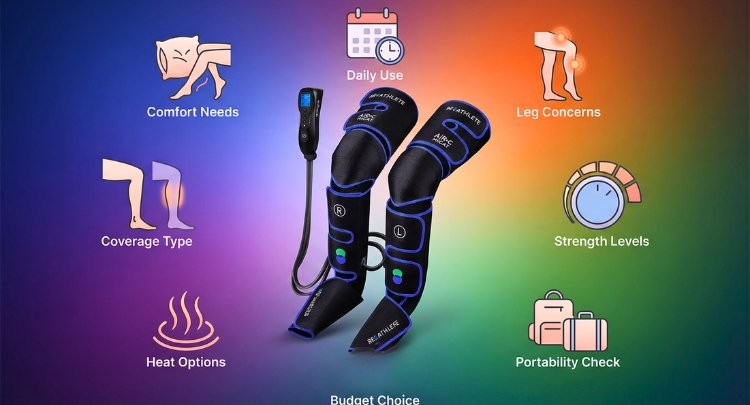
Comfort Needs
Everyone’s legs feel different, so you should think about what feels most comfortable for you. Some people want soft pressure, while others enjoy stronger squeezing or steady vibration. Trying lighter levels first helps you understand what your legs enjoy without feeling bothered. If you often feel tired after school or work, a relaxing massager might fit better. The right comfort level makes your sessions easier, safer, and more enjoyable.
Daily Use
Think about how often you will use the massager because this helps you choose the right style. If you use it every day, a simple design with fewer steps feels easier. Vibration tools work well for quick sessions, while compression sleeves help with longer routines. Simple buttons make your experience smoother when you feel tired. Pick something that matches your daily habits, so you enjoy using it more.
Leg Concerns
Your leg condition should guide your choice because every tool works differently. If your legs swell often, compression levels help move fluid better. If your muscles feel tight, vibration can loosen them gently. People with tired feet may want full leg coverage for better comfort. Understanding what bothers your legs helps you avoid choosing a tool that feels too strong later.
Coverage Type
Leg massagers come in different shapes, so check how much of your leg they cover. Some cover only the calves, while others wrap the feet, calves, and thighs. Full coverage feels great when you need complete comfort, but smaller tools work better for quick relief. The size you choose should fit your daily needs. Pick a style that feels easy to use without making you uncomfortable.
Strength Levels
Massagers come with different intensity levels, so choose one that gives soft and strong options. You may want low levels on busy days and stronger levels when you feel very sore. Having multiple levels makes your sessions flexible and comfortable. Strong levels should never hurt or pinch your legs. Start low and raise slowly until it feels right.
Heat Options
Some massagers offer heat, which adds warm comfort for tight or cold legs. Heat helps your muscles relax faster and feel softer. If your legs feel stiff after long sitting, this feature might help you a lot. Make sure the heat level stays gentle and not too hot. Warmth works best when it feels soothing and safe.
Budget Choice
Massagers come in many prices, so choose one that fits your budget comfortably. A simple vibration device costs less and still gives good relief. Compression models cost more because they offer stronger support. Do not buy something too expensive if you only need light comfort. Pick a model that feels worth the money and matches your needs.
Portability Check
Some people want a massager they can use anywhere, so portable designs help a lot. Lightweight tools fit well in small spaces and feel easier to carry. Bigger compression sleeves usually stay at home because they need more room. Think about where you will use it most of the time. A portable tool works well when you want quick comfort anywhere.
Frequently Asked Questions about Air Compression vs Vibration Leg Massagers
Many people want simple answers when choosing between air compression and vibration leg massagers. These tools work differently and help with different leg problems. These FAQs make things easier to understand.
Do Both Massagers Help With Leg Fatigue?
Yes, both types help with leg fatigue, but in different ways. Air compression improves circulation and reduces heaviness, while vibration loosens tight muscles and eases tension. Choosing based on your discomfort gives better results and more comfortable daily support overall.
Which Massager Works Faster For Relief?
Vibration massagers usually work faster because their rapid movements quickly relax tight muscles. Air compression takes longer since it uses slow squeezing cycles, but the relief often lasts longer. Picking your preferred style helps you feel better in a session.
Can These Massagers Help After Long Sitting Hours?
Yes, both massagers help after long sitting hours by waking up tired legs and supporting better movement. Air compression pushes blood upward to reduce heaviness, while vibration relaxes stiff muscles. Using either type daily keeps your legs comfortable during routine.
Which Massager Is Better For Daily Relaxation?
For simple daily relaxation, vibration massagers feel easier and quicker because they loosen muscles without much setup. Air compression also relaxes legs but works slower through rhythmic squeezing. Choosing based on your comfort level helps you enjoy calm sessions daily.
Do Both Options Suit Sensitive Legs?
Both options can suit sensitive legs, but the right choice depends on how your legs react to pressure. Vibration feels lighter for many people, while air compression may feel strong. Starting with low levels helps you stay safe and comfortable.
Last Words
Choosing the right leg massager becomes much easier when you understand how each type supports your comfort and daily needs. Both options offer strong benefits, but knowing what is the difference between air compression and vibration leg massagers helps you decide with confidence.
Air compression works well for swelling and circulation, while vibration supports quick muscle relief and relaxation. You can pick one or even use both, depending on how your legs feel each day. Each person’s comfort level is different, so trusting what feels right always matters most. With the right choice, your legs can enjoy better comfort, recovery, and everyday ease.


