
Portable chargers have become a common gadget for people who use their phones all day. They make it easy to stay powered up anywhere without needing a wall socket. Still, many people often wonder about their safety and may ask themselves, are portable chargers safe to use?
Yes, portable chargers are safe to use when made with proper materials and safety systems. Most modern chargers include built-in protection that manages power flow, temperature, and voltage. Certified chargers from trusted brands reduce the risk of overheating or short circuits, keeping both the device and the user safe.
Do you want to know how to tell if a portable charger is safe or not? Keep reading to discover key signs of a reliable and safe portable charger, along with tips on what features to check before buying one.
Are Portable Chargers Safe to Use?
Portable chargers are generally safe when designed and used correctly. Most modern ones come with built-in protection systems that control heat, power flow, and voltage. Using certified products from trusted brands reduces risks like short circuits or overheating. Below is a simple checklist that helps you understand how to pick a safe and reliable portable charger for your everyday use.
Certified With Safety Marks
Always choose chargers that display certifications like CE, FCC, UL, or RoHS. These marks prove the charger has passed safety tests. Certified products are built with quality materials that prevent short circuits or overheating. Buying certified items ensures your devices and charger remain safe while charging.
Comes From A Trusted Brand
Popular and known brands like Rush Charge Universe usually follow strict safety standards and quality checks. Their products are tested for stable performance and safe power output. Cheap, unknown brands may skip important safety steps. Trusted names give you confidence that your charger won’t harm your device or battery.
Has Safety Protection Features
A good charger includes protection against overcharging, overheating, and short circuits. These features stop power automatically once your device is full. Built-in safety controls also prevent the battery from swelling or wearing out quickly. Always check the product details for these protection systems before buying.
Matches Device Power Ratings
Your charger should have input and output ratings that match your phone’s needs. Most phones use 5V/2A for standard charging. If the output is too high or low, it can affect performance or safety. Checking this small detail ensures faster and safer charging for all your gadgets.
Feels Strong And Well-Built
The body of your charger should feel firm, not light or cheap. A solid build means strong materials that resist damage and heat. Low-quality plastic can crack or melt with heat over time. A well-made charger lasts longer and keeps your devices safer.
Includes Manual And Warranty
Genuine products always come with a user manual and a warranty card. The manual explains how to use it safely, while the warranty protects you if it fails early. These are signs of a company that stands by its product’s quality and safety standards.
Signs That Your Charger Might Be Unsafe
A portable charger should make life easier, not risky. Sadly, some low-quality ones can cause overheating or battery problems. Knowing early warning signs helps you stay safe and keep your devices protected. Here are clear signs your charger might be unsafe.
- Heats Up Too Quickly: A charger that gets very hot during short use might be poorly made. Too much heat means power is not flowing safely inside.
- Unusual Smell or Smoke: A burning smell or light smoke is a serious danger signal. Stop using it immediately to avoid short circuits or fire.
- Takes Too Long to Charge: If it takes forever to refill your phone, something is wrong inside. Weak circuits or damaged cables often cause this problem.
- Makes Buzzing or Clicking Noises: Weird sounds while charging mean the power is unstable. Internal parts might be loose or struggling to manage energy flow properly.
- Stops Working Suddenly: A sudden shutdown means it can’t handle the current safely anymore. This usually happens when cheap batteries wear out quickly.
- Loose or Wobbly Ports: Ports that move or feel unstable are unsafe for long use. They can spark or break the connection during charging.
- No Safety Marks or Labels: Lack of CE, FCC, or RoHS marks shows no safety checks. Uncertified products often fail to meet standard quality requirements.
- Battery Swelling or Bulging: If the charger’s body looks swollen, stop using it right away. Swelling means battery cells are damaged or overheating inside.
- Damaged or Melted Cable Ends: Cracked or melted cable tips are warning signs of bad insulation. These can cause short circuits or electric shocks any time.
- Flickering or Dead Indicator Lights: Lights that flicker or don’t turn on show inner damage. Faulty circuits can make the charger unsafe to use again.
What Is the Correct Way to Use a Portable Charger?
Portable chargers help you stay powered up wherever you go. They’re simple to use but work best when handled correctly. Using them the right way keeps both your charger and devices safe. Here is how to use a portable charger properly and make it last longer.

Charge the Power Bank First
Before using your portable charger, make sure it’s fully charged. Connect it to a wall socket using the original cable. Charging through a stable outlet fills it faster and more safely. Once the indicator lights turn solid, your charger is ready for use.
Connect Your Device Securely
Attach your phone or gadget to the output port firmly. Loose cables can interrupt charging and damage the ports. Always use a compatible cord for better power flow. A tight connection ensures smooth and safe charging for your device.
Check the Indicator Lights
LED lights show if your charger or device is working right. Flashing lights mean it’s still charging, while steady lights show it’s full. Keeping an eye on these signals helps prevent overcharging. It’s a simple way to keep your charger in good shape.
Keep the Setup Still
Place your charger and device on a stable surface. Moving or shaking them while charging can loosen connections. Avoid placing them on uneven or soft areas. A steady setup keeps power flow smooth and protects the cables.
Avoid Using It While Charging
Let the charger rest while it’s plugged into the wall. Waiting until the charger is full before use is part of using portable chargers safely, as it helps prevent overheating and short circuits. This habit keeps both your charger and devices in good condition. It’s a simple way to protect battery health and ensure safe charging every time.
Store It Properly After Use
After charging, store your power bank in a cool, dry place. Avoid leaving it in direct sunlight or inside hot cars. High temperatures can reduce its battery health. Proper storage keeps it safe and ready for the next use.
Use Quality Cables Only
The original cable ensures perfect compatibility and stable power transfer. Cheap or damaged cords can cause poor charging or even sparks. Replacing bad cables quickly keeps your charger safe. Always use high-quality cables for the best results.
Things to Avoid When Using a Portable Charger
Your gadgets are always powered by a portable charger, but improper use can lead to issues. Mistakes like using bad cables or leaving it in the heat can damage the battery or make it unsafe. Keep reading to learn what you should never do while using one.
Avoid Water Contact
Water is one of the biggest threats to any electronic device. If a portable charger gets wet, it can short-circuit and stop working. Always keep it away from rain, sinks, and humid areas. A dry environment helps it stay safe and last much longer.
Stay Away From Heat
Heat can slowly destroy the internal battery cells. Leaving your charger in a car, under sunlight, or near heaters can shorten its life. Always store it in a cool, shaded spot. This simple habit keeps the battery stable and safe for long-term use.
Don’t Use Damaged Cables
A broken or frayed cable can cause sparks or uneven power flow. This might damage both your charger and your device over time. Replace any cable that looks worn out immediately. Using clean and firm cables ensures smooth charging every time.
Avoid Overcharging
Leaving your charger plugged in for hours after it’s full can hurt the battery. Overcharging builds heat and slowly weakens its cells. Once all the lights stay solid, unplug it right away. This helps maintain steady performance for a longer period.
Don’t Use Cheap Adapters
Low-quality adapters may not supply steady power and could even harm your charger. Always use original or certified adapters designed for your model. This guarantees safe and consistent energy flow. Cheap ones may save money now, but cost more in the long run.
Avoid Rough Handling
Dropping or shaking your charger can loosen internal parts or break the casing. Even a small crack can let in dust or moisture. Treat your charger gently, and always place it on stable surfaces. A little care keeps it safe and working properly.
Be Clear About Device Type
Many people assume all chargers work the same, but that’s not true. Some users mix these devices, so learning the differences between power bank and portable charger helps prevent damage to your gadget. Always check your device and charger compatibility before connecting them for safe and steady charging.
Keep Away From Metal
Contact with metal objects like keys or coins can cause short circuits. Always store your charger separately in a pouch or pocket. Avoid keeping it with anything sharp or conductive. Proper storage keeps it safe and ready for use anytime.
Don’t Ignore Warning Lights
Flashing or blinking lights usually show that something’s wrong. If the lights behave strangely, unplug them right away and check the cable. Ignoring these signs can cause long-term damage. Paying attention early helps prevent bigger problems later.
How Do You Store a Portable Charger Safely?
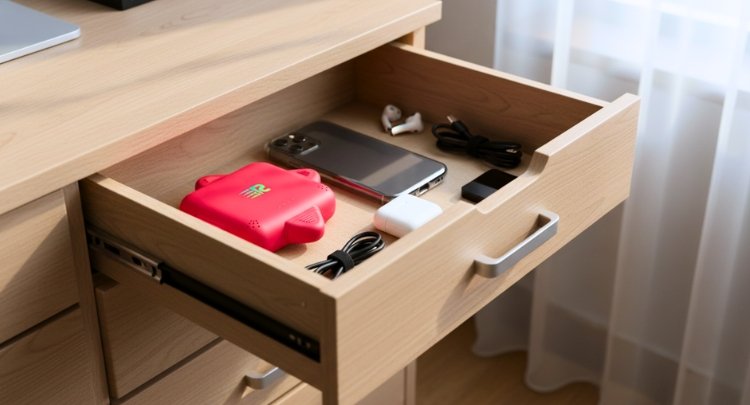
A portable charger needs the right care to last long and work well. Where and how you store it affects its safety and battery life. Keeping it in the wrong spot can cause damage or make it lose power faster. Read below to learn the best ways to store it properly.
Choose a Cool Spot
Always store your charger in a cool and dry area. Avoid hot spots like near windows or car dashboards. Heat can make the battery drain faster and damage internal parts. A cool room helps the charger stay stable and ready whenever you need it.
Keep Away From Sunlight
Direct sunlight can harm the charger’s battery cells and outer shell. Even short sun exposure can cause overheating or fading. Store it in a shaded drawer, bag, or cabinet. This simple step keeps the charger safe and helps maintain its performance.
Avoid Cold Environments
Extreme cold can slow down battery performance and reduce capacity. Don’t leave your charger in cars or outdoor bags during winter. Keeping it at room temperature ensures steady energy flow. Cold conditions make the battery lose charge faster, even when not in use.
Store With Some Charge
Never store your charger completely empty or full. Keeping it around half-charged helps maintain healthy battery cells. This balance prevents deep discharge that weakens the battery. If unused for months, recharge it slightly every few weeks.
Keep It in a Pouch
Dust and dirt can block charging ports or harm the connectors. Use a soft pouch or small case for storage. This keeps it clean and protects it from scratches. A dedicated pouch also makes it easier to carry safely anywhere.
Avoid Tight Spaces
Do not store the charger in tight or closed spaces like glove boxes. Lack of airflow can cause heat buildup. Loose and airy storage helps keep it cool and prevents swelling. Always choose a spot where it can breathe easily.
Check Before Storing
Before putting it away, ensure the charger is clean and dry. Wipe any dust or fingerprints using a soft cloth. Always unplug all cables before storage. This quick check helps prevent short circuits and keeps the charger ready for next use.
Frequently Asked Questions
There are many benefits to portable chargers, but many people are still concerned about their safety. Knowing the right facts helps you avoid mistakes and protect your devices. Below are some clear and simple answers to common questions about using portable chargers safely in daily life.
Can a Portable Charger Explode If Misused?
Yes, misuse like overcharging, using cheap adapters, or exposing it to heat can make a charger overheat and possibly swell or burst. Always use certified chargers with safety marks like CE or UL. Keep it in a cool place and never leave it charging unattended.
Is It Safe to Charge Overnight?
It’s not a good idea to charge overnight. Overcharging keeps electricity running after the battery is full, which can create heat buildup. Unplug it when the lights show full charge. This small habit keeps both your charger and devices safer.
How Can I Tell If My Charger Has Safety Certification?
Check the label or box for marks like CE, FCC, or UL. These show that the product passed international safety tests. Avoid chargers without visible safety markings. Certified ones ensure better protection from electric faults or overheating.
Do Fake Portable Chargers Exist?
Yes, fake chargers are common in the market. They often look similar but lack safety checks and proper labels. Buying from trusted stores or official brands ensures you get safe and original products that won’t harm your gadgets.
What Should I Do If My Charger Gets Too Hot?
Unplug it right away and place it on a cool, flat surface. Never try to charge again until it cools down. If it overheats often, stop using it as it may have internal damage.
Why Should I Avoid Using Cheap Cables?
Cheap or fake cables often don’t control power flow properly. They can cause uneven charging or even short circuits. Using the original or high-quality cable ensures stable and safe power transfer.
Can a Portable Charger Drain on Its Own?
Yes, all batteries slowly lose power when not in use. Storing it half-charged and recharging every few months keeps it healthy. Leaving it empty for long periods can damage internal cells.
Is It Safe to Charge Multiple Devices at Once?
It’s safe if your charger supports multi-device charging. Check if it has separate smart ports for power control. Overloading it with too many gadgets can cause overheating or a slower charging speed.
Conclusion
Portable chargers have become a trusted part of daily life, keeping our phones and gadgets powered wherever we go. They’re small, handy, and can make a big difference during travel or emergencies. But like any electronic device, they need proper care and smart use to stay safe.
When thinking about Are Portable Chargers Safe to Use?, the answer depends on how you handle them. Choosing certified brands, using good-quality cables, and avoiding heat or water keeps them reliable. A few small habits can protect both your charger and your favorite gadgets from harm.
If you use them the right way, portable chargers are completely safe and long-lasting. So, charge smart, store them safely, and enjoy the ease they bring to your daily life without worry.


