
Finding the right charging solution can make your daily life much easier. Whether you’re at home, at work, or on the go, keeping your devices powered is always important. Many people wonder about different types of chargers and start thinking about power bank vs portable charger: are they the same?
A power bank is a type of portable charger with a built-in battery that stores power for later use. A portable charger is a broader term that includes power banks, car chargers, and wall chargers. So, all power banks are portable chargers, but not all portable chargers are power banks.
Do you ever get confused about which one to choose for your needs? Keep reading, because this article shares all the key details, types, and safety tips you should know before buying one.
Power Bank Vs Portable Charger: Are They the Same?
Many people think a power bank and a portable charger mean the same thing. Both are used to charge phones, tablets, or other devices when you are away from home. But they are not exactly the same. Let’s look at how they differ so you can choose the right one for your needs below.
| Feature | Power Bank | Portable Charger |
| Definition | A device with a built-in battery that stores energy for later use | A general term for any device that can charge another device on the go |
| Power Source | Has an internal battery | May or may not have an internal battery |
| Usage | Can charge devices without a wall outlet | May need to be plugged into an external power source |
| Portability | Usually compact and easy to carry | Includes all types; some may not be portable |
| Charging Method | Must be charged first, then used to charge other devices | Can include devices powered by car adapters or wall plugs |
| Examples | Power banks, solar power banks | Car chargers, wall chargers, power banks |
| Capacity | Measured in milliamp-hours (mAh), defines how much charge it can store | Depends on the type, not always battery-based |
| Multiple Device Support | Can charge more than one device at once | Depends on the type; not all support multiple devices |
| Ideal Use | Best for travel, outdoor use, or when away from power outlets | Suitable for both stationary and mobile use |
| Common Confusion | Often mistaken for the same as a portable charger | Broad category that includes power banks |
Definition
A power bank is a small device that stores power for later use. A portable charger is a wider term used for any device that charges another device away from a wall plug. So, every power bank is a portable charger, but not all portable chargers are power banks.
Power Source
Power banks hold stored energy inside built-in batteries. They can charge your phone even when you are not near electricity. Portable chargers can use outside power sources like cars or wall outlets. That means not all of them can work alone without a plug.
Usage
You can use a power bank anytime, anywhere, even without electricity. Portable chargers may need a steady power source to charge another device. Some connect to cars or plug sockets directly. That makes power banks handier for outdoor or travel use.
Portability
Power banks are made small and light, making them easy to carry around. Portable chargers come in many forms, and not all are pocket-sized. Some need cords or adapters, which can make them bulky. That is why power banks are more travel-friendly.
Charging Method
To use a power bank, you first charge it fully. Then it can charge your phone or tablet later without needing electricity. A portable charger may have to stay plugged into a power source while charging another device. That makes it less independent than a power bank.
Capacity
Power banks are rated in milliamp-hours or mAh, showing how much power they store. A higher number means it can charge more devices or last longer. Portable chargers might not have a fixed capacity since many depend on direct power. This makes power banks more reliable when away from outlets.
Multiple Device Support
Power banks often have two or more USB ports for charging more than one device. Portable chargers may have only one output, depending on their design. Having extra ports helps save time and charge multiple items together, which is useful during travel or emergencies.
Ideal Use
Power banks are great for travel, outdoor work, or power cuts. They let you charge phones or laptops easily anywhere. Portable chargers are better for cars, offices, or home setups. Each has its best use depending on where you need power.
Common Confusion
People often mix up both terms because they sound alike. The truth is, a power bank is a kind of portable charger with its own stored power. Portable chargers, in general, include many other types too. Understanding this makes it easier to buy what fits your needs best.
Now you know how a power bank and a portable charger differ. Both can be helpful depending on when and where you use them. Power banks work best for people who move a lot. Choose wisely so your devices never run out of charge again.
Product Suggestion: A Device That Combines Both
Many people like having one device that can do more than one thing. Carrying fewer gadgets makes life easier, especially when you are out. A product that combines both charging styles can save time and space. Let’s look at one great option that does it all below.
Built-In Connectors
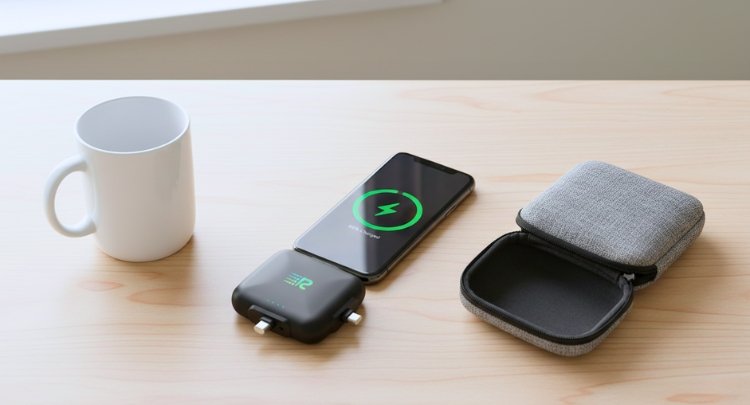
The Rush Charge Universe comes ready with three built-in charging tips. It has Lightning, USB-C, and Micro-USB plugs inside the body. This means you don’t need to carry extra cables when charging. It works smoothly with most phones, tablets, and wireless gadgets you already use daily.
Battery Power
This charger includes a 3,300 mAh battery that gives you extra power on the go. It can charge your phone enough to last several more hours. While small in size, it holds enough energy for short trips. It’s handy when your device battery drops suddenly during busy days.
Compact Design
The device has a clean, small shape that fits in your hand or pocket. You can carry it in your bag or pocket without feeling extra weight. It looks simple, but feels solid when you plug it in. That makes it great for travel, school, or even office use.
Dual Charging Ability
You can charge your Rush Charge Universe while it’s charging another device. This feature saves time and keeps both items ready for use. You plug it into power, connect your phone, and both start charging. That makes it more useful than regular chargers that only do one job.
All-In-One Solution
This device mixes the best parts of a power bank and a charger. It works with many types of phones and needs no extra wires. You can take it anywhere and charge it anytime. Having one tool that handles both charging tasks keeps your setup light and easy.
The Rush Charge Universe is a simple and smart charging option. It helps you stay powered without carrying many cords or devices. The mix of built-in plugs and battery power makes it special. Try it if you want a single charger that does everything with ease.
Types of Power Banks and Portable Chargers Available
Many charging devices are made to match different needs and lifestyles. Some are small and simple, while others can power big gadgets for hours. Knowing which type fits your use can help you pick better. Let’s look at some of the most common types below.
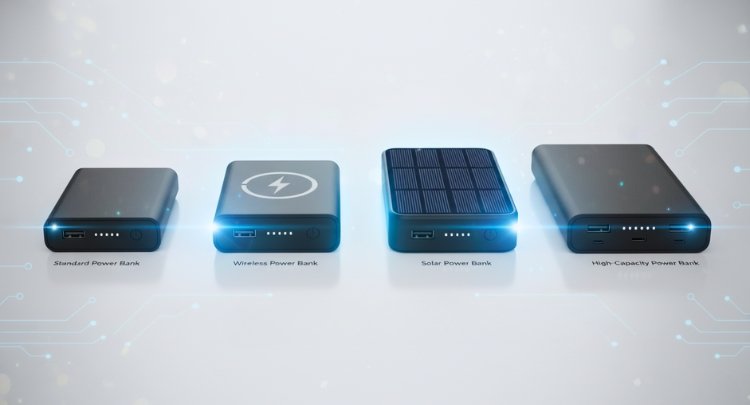
Standard Power Banks
Standard power banks are the most common types found in stores. They come with USB ports and require a charging cable to connect your devices. Most are small enough to slip into a pocket or bag, making them ideal for daily phone users who want quick, simple backup power anywhere.
Wireless Power Banks
Wireless power banks charge your phone without any cables. Place your device on top, and it begins charging automatically. This option works best for phones that support wireless charging and is great for people who prefer a tidy, cord-free setup.
Solar Power Banks
This kind collects energy from sunlight and stores it inside. It’s great for people who travel outdoors or go camping often. You can charge it in the sun during the day and use it at night. It’s slower than regular charging but very useful when you’re far from outlets.
High-Capacity Power Banks
Power banks have a large battery size, often above 20,000 mAh. They can charge phones, tablets, or even laptops multiple times. The bigger capacity also means more weight, but they last longer. They’re best for travelers, long trips, or anyone needing heavy use between charges.
Car Chargers and Plug-in Portable Chargers
Car chargers connect directly to your car’s charging port. Plug-in portable chargers fit into wall sockets and work fast. Both are handy for people who spend time driving or at home. They keep your gadgets powered without worrying about carrying extra batteries.
Power banks and portable chargers come in many styles for different users. Some are built for daily use, and others for travel or outdoors. Picking the right one depends on how and where you use it. Choose wisely so you always have power when you need it most.
How to Choose Between a Power Bank and a Portable Charger?
Picking between a power bank and a portable charger depends on your needs. Both are useful, but the right choice depends on how you use your devices. Think about power, size, and travel plans before buying. Let’s look at some simple tips to help you decide.
- Check the Capacity (mAh): Higher mAh means more stored power for charging your devices. Go for a bigger capacity if you travel often or charge many gadgets daily.
- Look at Charging Speed: Some chargers offer fast charging options that save time. If you use your phone often, quick charging can make a big difference.
- Match With Device Type: Make sure your charger works with your phone, tablet, or laptop. Some models don’t support larger devices, so check before buying.
- Think About Portability: Smaller power banks are easy to carry in pockets or bags. Larger ones hold more charge but can feel heavy during travel.
- Consider the Number of Ports: If you use many devices, choose a charger with multiple ports. That way, you can charge more than one gadget at once.
- Check the Cable Type: Some chargers need special cables for different devices. Make sure your charger supports USB-C, Micro-USB, or Lightning as needed.
- Focus on Battery Quality: A good battery inside the charger lasts longer and works better. Always pick trusted brands for safety and a better lifespan.
- Look for Extra Features: Some chargers have flashlights, solar panels, or wireless charging. Pick one that adds real value to your daily needs.
- Plan for Travel Use: If you travel often, go for lightweight and high-capacity models. Solar or compact power banks are great for outdoor or long trips.
- Check Price and Warranty: Compare prices and look for warranty details before buying. A small warranty period can tell you about product quality.
Choosing between a power bank and a portable charger is simple. Think about your lifestyle, device use, and travel habits. The right choice saves time and keeps devices ready. Pick wisely and stay powered wherever you go.
Common Features to Look for in a Power Bank or Portable Charger
Both power banks and portable chargers help you keep devices ready all day. Choosing the right one depends on features that match your needs. Some options make them faster, safer, and easier to carry anywhere. Let’s look at the key features to check before buying one.
Fast Charging Support
Fast charging saves time, whether you use a power bank or a portable charger. It helps fill your phone battery quickly when you’re in a hurry. Look for models that support Quick Charge or Power Delivery. These options work well for new phones, tablets, and other high-power devices.
Multiple Charging Ports
Power banks and portable chargers with many ports are more flexible. You can charge two or more gadgets at the same time easily. The ports may include USB, USB-C, or Lightning connections. This is helpful for families or travelers who carry more than one device.
Lightweight and Easy to Carry
When it comes to charging phones using portable chargers, it’s important to check features like output power, cable type, and fast-charging support to ensure efficient performance. Both power banks and portable chargers come in different sizes and weights. Pick a slim one if you move a lot or travel often.
Safety Protection Features
A good charger must protect your devices from heat, short circuits, or overcharging. Power banks and portable chargers with built-in safety chips prevent these problems. This feature helps your phone battery last longer and stay safe. Always choose certified brands that include safety protection systems.
Device Compatibility
Different devices need different charging ports and power levels. Power banks often support multiple types, while portable chargers may need a direct plug. Always match your gadget’s port type with the charger’s cable. Doing this helps you avoid slow charging or connection issues.
Both power banks and portable chargers come with useful features for daily use. Checking things like capacity, safety, and weight helps you choose better. The right one keeps your gadgets charged and safe wherever you go. Always pick what suits your needs and travel style best.
Safety Tips When Using Power Banks or Portable Chargers
Using charging devices the right way helps them last longer and stay safe. Many people damage chargers because they don’t follow simple care steps. Taking a few safety measures keeps your devices from overheating or short-circuiting. Let’s go through some helpful safety tips below.
Avoid Overcharging
Leaving your charger plugged in for too long can shorten its life. Unplug it once your phone or tablet is fully charged. Overcharging can also heat up the battery and reduce performance over time. Make it a habit to disconnect both your charger and device once charging is done.
Use Certified Cables
Cheap or fake cables can harm your phone or the charger. Always use certified cables that match your device type. Quality cables ensure steady power flow and reduce fire or shock risk. They also help both your power bank and portable charger last longer and work safely.
Keep Away From Heat and Water
Before using any charging device, it’s smart to follow a few safety tips for portable chargers to prevent overheating and ensure long battery life. Keep your power bank or portable charger away from hot areas, direct sunlight, or water. Moisture or heat can cause damage, swelling, or even fire risk.
Charge on a Flat Surface
Always place your charger on a flat and clean surface while in use. Avoid soft surfaces like beds or couches where heat can be trapped easily. Airflow helps keep the charger cool and prevents overheating. This small step makes charging much safer and helps maintain battery health.
Store Properly When Not in Use
When you’re not using your power bank or portable charger, store it safely. Keep it in a dry, cool place away from metal objects. Avoid leaving it plugged in for long periods without use. Proper storage keeps it ready for the next time you need backup power.
Taking care of your power bank or portable charger is simple and smart. Good habits help you charge safely and make them last longer. Always use trusted cables, keep them cool, and store them well. Safe use means reliable power whenever you need it most.
Frequently Asked Questions
Many people get confused about power banks and portable chargers. They want to know which one works best in different situations. Some also ask about battery life, safety, and usage tips. Here are 10 important questions and answers that explain the main differences and details you should know.
How Long Can A Power Bank Or Portable Charger Hold Charge When Not In Use?
Power banks and portable chargers can lose some power over time. Most can hold a full charge for a few months if stored properly. It is best to recharge them every few weeks to keep the battery healthy. Avoid leaving them empty for a long time because it can shorten battery life.
Can A Power Bank Charge A Laptop Like A Portable Charger?
Some high-capacity power banks can charge laptops if they support the right voltage. Regular portable chargers usually cannot provide enough power for laptops. Always check the output rating before using a charger for bigger devices. Using the wrong device may not charge the laptop and could damage the charger.
Are All Portable Chargers Compatible With Different Phone Brands Like Power Banks?
Most portable chargers work with many phones, but some have limitations. Power banks with multiple ports and voltage support are more flexible. Make sure the charger supports your phone’s charging type, like USB-C or Lightning. Checking compatibility avoids slow charging or device damage.
Is It Safe To Leave A Power Bank Or Portable Charger Plugged In Overnight?
Leaving a power bank or portable charger plugged in overnight is not recommended. Even modern devices have protection, but heat can still build up over time. Continuous charging may slightly reduce the battery lifespan. It is better to unplug once your device is fully charged.
Can A Power Bank Or Portable Charger Work In Extreme Temperatures?
Power banks and portable chargers work best in a normal room temperature. High heat or freezing cold can damage the battery. Avoid leaving them in cars under direct sunlight or in snow. Proper storage helps the device last longer and keeps it safe to use.
Do Power Banks Or Portable Chargers Affect Device Battery Health?
Using power banks or portable chargers occasionally does not harm your device. Overcharging or using low-quality chargers may reduce battery life. Certified chargers are safer and maintain battery health over time. Always follow manufacturer instructions to protect your devices.
Can Power Banks Or Portable Chargers Be Used While Traveling On A Plane?
Some airlines allow power banks in carry-on luggage only. They usually must meet a certain capacity limit for safety reasons. Portable chargers that plug in directly may not be allowed on planes. Always check airline rules before traveling with any charging device.
Last Words
Choosing the right charging device depends on your daily needs, travel habits, and device types. Power banks store energy inside for later use, while portable chargers can include devices that plug into external power. This clears up any confusion and fully answers the question of “Power bank vs portable charger: are they the same?”
Using the right charger ensures your gadgets stay powered and safe. Remember to check capacity, charging speed, and compatibility before buying. Carry lightweight options for travel, use certified cables, and avoid heat or water. Best wishes for keeping your devices charged and ready wherever you go.


