
Wondering what size portable charger do i need for my phone or gadgets? The short answer is: choose a 5,000–10,000mAh charger for daily use, 10,000–20,000mAh for travel, and 20,000mAh or higher if you charge multiple devices like phones, tablets, or laptops. The right size depends on how often and what you charge.
For most smartphone users, a 10,000mAh power bank offers the perfect balance it’s compact yet powerful enough for two full charges. Frequent travelers or heavy users should consider 20,000mAh models that can keep multiple devices running for an entire day or more.
This short guide will help you understand how power capacity works, what to look for in a portable charger, and how to choose the ideal size based on your lifestyle. Let’s find the perfect one to keep your devices powered anywhere you go.
What Size Portable Charger Do I Need for Phone or Gadget?
Choosing the right portable charger can seem confusing, but it really depends on what kind of devices you use and how often you charge them. Whether it’s your iPhone, Android phone, tablet, or even a laptop, picking the right size ensures you stay powered up wherever your day takes you.
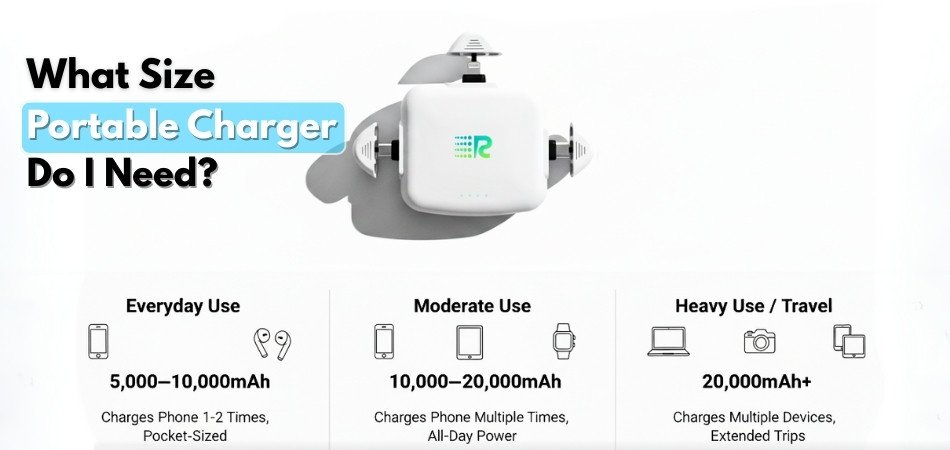
Here’s a simple breakdown to help you decide what works best:
- 5,000–10,000mAh: Perfect for everyday users who just need to recharge their phone once or twice a day. This size can fully charge an iPhone or most Android models one to two times and still fit easily in your pocket or small bag. It’s ideal for short trips, daily commutes, or casual use.
- 10,000–20,000mAh: A reliable choice for people who use their phone and tablet frequently throughout the day. This capacity can recharge an iPhone several times, power a tablet once, or top up wireless earbuds and smartwatches. It strikes a good balance between portability and long-lasting performance.
- 20,000mAh and above: Best for travelers, photographers, or anyone using multiple devices like tablets, cameras, or even lightweight laptops. These chargers can power your gadgets several times before needing to recharge themselves, making them perfect for flights, conferences, and outdoor trips.
Factors That Affect the Charger Size You Need
When choosing the right power bank, it’s helpful to first understand the basics of a portable charger mechanism, how it stores electrical energy in rechargeable cells, and delivers it safely to your devices. Once you understand this, the next step is knowing what influences the size you actually need. Here are the factors that determine how much power is right for you.
Device Type and Battery Size
Every device has its own battery requirement. Smartphones like the iPhone or Samsung Galaxy usually need a mid-range charger, while tablets, cameras, and laptops demand higher mAh capacity. Matching your power bank to your device’s battery ensures smooth performance without carrying more weight than necessary.
Frequency of Charging
Your daily usage plays a major role. If you charge once or twice a day, a smaller charger works fine. But if you stream, work, or travel frequently, a higher-capacity model gives more reliability. Consistent charging demands a charger that can last all day without multiple recharges.
Number of Devices You Use
Carrying multiple devices means you’ll need more power. Multi-port chargers can handle phones, earbuds, tablets, and smartwatches together without losing speed. For tech enthusiasts or professionals, a larger capacity ensures that all your essential gadgets stay powered simultaneously wherever you are.
Power Output and Charging Speed
Different devices have unique power needs. Fast-charging standards like Power Delivery (PD) or Quick Charge (QC) require chargers with higher wattage output. Always check if your charger matches your device’s requirements; doing so ensures quick, efficient charging without overheating or wasting stored energy.
Weight and Portability
Higher capacity usually means extra weight. If you commute daily, a compact charger is more practical, while travelers or remote workers may prefer slightly bulkier ones for lasting power. The best choice is the one that offers both comfort and enough energy for your lifestyle.
Cable and Port Compatibility
A charger with multiple ports, like USB-A, USB-C, and Lightning, adds convenience. This flexibility lets you charge various devices without switching cables. Ensuring compatibility with your gadgets prevents frustration and makes it easier to stay powered up, whether you’re at home, work, or on the move.
Charging Efficiency and Energy Loss
Not all stored power reaches your device. Energy loss during conversion is normal, typically ranging between 10–30%. Quality models maintain higher efficiency, giving more usable power per charge. Understanding this helps you pick chargers that perform well and match your real-world usage expectations.
Lifestyle and Daily Use
Your lifestyle defines what works best. Frequent travelers and photographers need larger chargers for reliability, while students or office workers might value lightweight designs. Matching charger capacity to your daily routine ensures your devices stay powered without adding unnecessary bulk to your bag.
How to Choose the Right-Sized Power Bank for Your Device?
Finding the right-sized power bank isn’t about guessing; it’s about knowing what your device truly needs. Different gadgets draw power differently, and choosing without understanding those differences often leads to wasted money or insufficient charging. To help you make a confident choice, here are key points to consider before buying.
Identify Your Primary Device
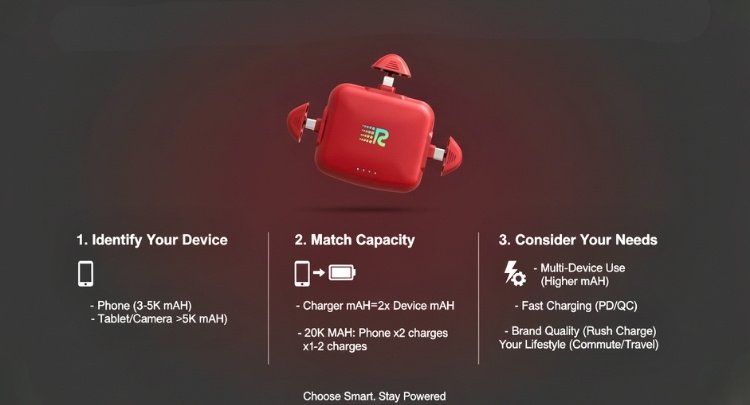
Begin by identifying which device you’ll charge most often. Smartphones like the iPhone or Samsung Galaxy need far less power than tablets or laptops. When your charger aligns with your main device, it performs more efficiently and ensures you’re not carrying extra capacity you don’t actually need.
Understand Your Device’s Battery Size
Your gadget’s built-in battery size determines how much backup power you’ll need. Most smartphones sit between 3,000 and 5,000mAh, while larger devices like tablets or cameras require significantly more. Knowing this figure helps you estimate how many full charges your power bank can realistically deliver.
Match Capacity to Battery Requirements
A reliable rule of thumb is to choose a charger with at least twice your device’s battery capacity. This accounts for conversion losses during charging. For example, a 10,000mAh power bank can efficiently recharge a 4,500mAh smartphone twice, while a 20,000mAh model better suits heavier devices like tablets.
Account for Multi-Device Use
If you use multiple gadgets daily, like a phone, smartwatch, and earbuds, a higher-capacity charger is essential. Multi-port options allow simultaneous charging without slowing down output. This saves time, reduces clutter, and keeps all your devices ready, whether you’re working, traveling, or on the move.
Evaluate Charging Speed Compatibility
Modern devices often support fast charging through Power Delivery (PD) or Quick Charge (QC). Ensure your chosen power bank offers compatible output. This ensures quicker recharges without overheating or wasting energy, a must-have for users who depend on their devices throughout the day.
Consider Efficiency and Power Conversion
Not every power bank delivers its full rated capacity to your device. Conversion efficiency is typically around 85% affects how much usable energy you actually get. Checking this detail ensures your chosen charger performs as expected and provides consistent, actual charging performance.
Choose Reliable and Well-Tested Brands
Brand quality makes a big difference in long-term performance. Trusted names like Rush Charge Universe focus on safety, efficiency, and compatibility across various devices. A reliable brand helps prevent overheating, battery wear, and inconsistent power output issues often seen in lower-quality alternatives.
Base Your Choice on Real Usage Patterns
Your lifestyle should influence your choice more than specs alone. Daily commuters may prefer slim, lightweight chargers, while frequent travelers can benefit from higher-capacity models. Matching your charger to your actual usage habits guarantees a smooth, dependable experience wherever you go.
What to Do When Your Power Bank Isn’t Compatible with Your Device?
Even with careful planning, sometimes your power bank doesn’t fit or charge your device properly. Compatibility issues are common, especially with newer gadgets that use different ports or charging standards. Before replacing your charger, there are practical steps you can take to fix or work around the mismatch effectively.
Check the Charging Cable First
The issue often lies in the cable, not the power bank. Ensure you’re using the right cable for your device: USB-C for modern Androids, Lightning for iPhones, or micro-USB for older models. A damaged or incompatible cable can prevent proper charging even if your power bank is fully functional.
Verify Output Voltage and Current
Power banks deliver power at specific voltage and current levels. If the output doesn’t match your device’s requirements, charging can be slow or fail altogether. Check both specifications usually printed on the charger and device to confirm they’re compatible before assuming the power bank is faulty.
Use an Adapter or Converter Cable
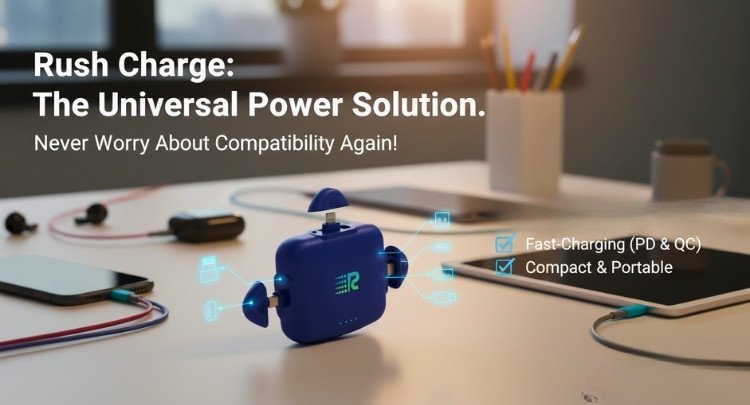
A simple adapter often solves compatibility issues. USB-C to Lightning or micro-USB adapters allow one power bank to charge multiple devices. This is especially useful for travelers or households with mixed devices. Using certified adapters ensures safe and efficient energy transfer across different port types.
Update Your Charging Accessories
Older power banks may not support newer charging standards like Power Delivery (PD). If your latest device needs higher wattage, upgrading your cables and charger can fix the issue. Staying updated with modern accessories ensures consistent performance across phones, tablets, and laptops.
Understand Fast-Charging Compatibility
Fast-charging protocols differ between brands. Samsung Adaptive Fast Charge, Apple PD, and Qualcomm Quick Charge all have unique requirements. If your power bank doesn’t support your phone’s fast-charging mode, it will still work, but slower. Understanding this helps when selecting the correct portable charger for all your devices.
Try Charging Through a Different Port
Many modern power banks feature multiple ports: USB-A, USB-C, and Lightning. Switching ports can sometimes restore charging, especially if one port has a different output rating. Always test each available port before assuming your device and charger aren’t compatible.
Inspect for Dust or Debris
Dust or lint in the charging port can block proper contact between your device and the cable. Use a soft brush or compressed air to gently clean the connectors. Regular maintenance keeps your devices charging smoothly and prevents future compatibility issues caused by poor connections.
Consider Replacing the Power Bank
If all else fails, it might be time for an upgrade. Look for models that support multiple fast-charging standards and universal port types. Investing in a modern, multi-compatible charger saves future frustration and ensures you’re equipped for evolving device technologies.
Mistakes to Avoid When Choosing Your Next Portable Charger
Even after learning how to choose the right-sized charger, it’s easy to make small decisions that lead to poor performance or wasted money. Before you buy, it’s worth knowing the most common mistakes people make—and how to avoid them for a smoother charging experience.
- Ignoring Compatibility: Many buyers forget to check if the charger supports their device’s port type or fast-charging standard. Always confirm compatibility before purchasing.
- Choosing Capacity Blindly: Bigger isn’t always better. A heavy, high-capacity charger can be inconvenient for daily use if you don’t actually need it.
- Overlooking Efficiency Ratings: A power bank’s actual output is often less than advertised. Look for efficiency details (around 85–90%) to understand real performance.
- Skipping Brand Research: Unknown or cheap brands may lack proper safety features. Established names ensure better reliability and protection.
- Neglecting Safety Features: Avoid chargers without safeguards like overcharge or short-circuit protection, especially if you travel frequently.
- Buying Without Checking Warranty: A solid warranty reflects product confidence. Always choose brands that offer at least 6–12 months of coverage.
- Not Considering Future Devices: Choose a power bank that can charge upcoming gadgets with newer ports or standards to avoid early replacement.
Frequently Asked Questions About Portable Chargers
Choosing the right power bank can raise a few questions, especially when it comes to real-world use. To make things easier, here are some clear answers to common queries that go beyond the basics and help you make smarter charging decisions before your next purchase.
How Long Does a Portable Charger Typically Last?
Most quality power banks last between three to five years, depending on how often you use and recharge them. Storing them in a cool, dry place and avoiding full discharges helps extend battery health over time.
Can I Charge My Device While the Power Bank Itself Is Charging?
Yes, many modern chargers support pass-through charging, allowing you to power your device while recharging the power bank. However, this feature may reduce long-term battery efficiency, so it’s best used occasionally rather than daily.
Do Portable Chargers Work With All Phones and Tablets?
Most do, but it depends on port type and charging protocol. Devices with USB-C or Lightning ports usually work with universal power banks. Always check specifications to ensure the voltage and current output match your gadget’s charging requirements.
How Can I Tell If My Power Bank Is Fully Charged?
Almost all power banks include LED indicators that show battery levels. When all the lights stay solid instead of blinking, it means the unit is fully charged. Some newer models even have digital displays for more precise readings.
What’s the Best Way to Maintain a Power Bank?
Keep your charger between 20% and 80% charge for ideal battery health. Avoid exposing it to extreme temperatures or moisture. Clean ports regularly to prevent dust buildup that might interfere with power delivery.
Can a Power Bank Damage My Phone’s Battery?
Only if it’s poorly made or lacks safety features. High-quality chargers include overcharge, temperature, and short-circuit protection to keep your phone’s battery safe. Always choose certified models that meet international safety standards.
Is It Safe to Use a Power Bank During Flights?
Yes, but only in carry-on luggage. Airlines restrict large-capacity batteries over 100Wh, so always check your power bank’s label before flying. Avoid using it during takeoff or landing as per airline safety regulations.
How Do I Know Which Power Bank Suits My Lifestyle?
Think about how often you charge and where you use your devices. Commuters can use lightweight models for quick boosts, while frequent travelers or professionals may prefer higher capacities. Matching your habits with the charger’s features ensures consistent, hassle-free power on the go.
Final Thoughts
Deciding on the right portable charger becomes much simpler once you understand how capacity, compatibility, and real-world usage come together. It’s not about buying the biggest charger; it’s about finding one that suits your devices, habits, and lifestyle perfectly.
The right power bank should balance portability and power, ensuring steady performance wherever you go. Understanding capacity ranges and features helps you make informed choices that last longer and perform better.
So, the next time you wonder what size portable charger do I need, focus on your daily routine and power needs. A well-chosen charger keeps your devices running smoothly, giving you confidence that your battery won’t quit when you need it most.


